
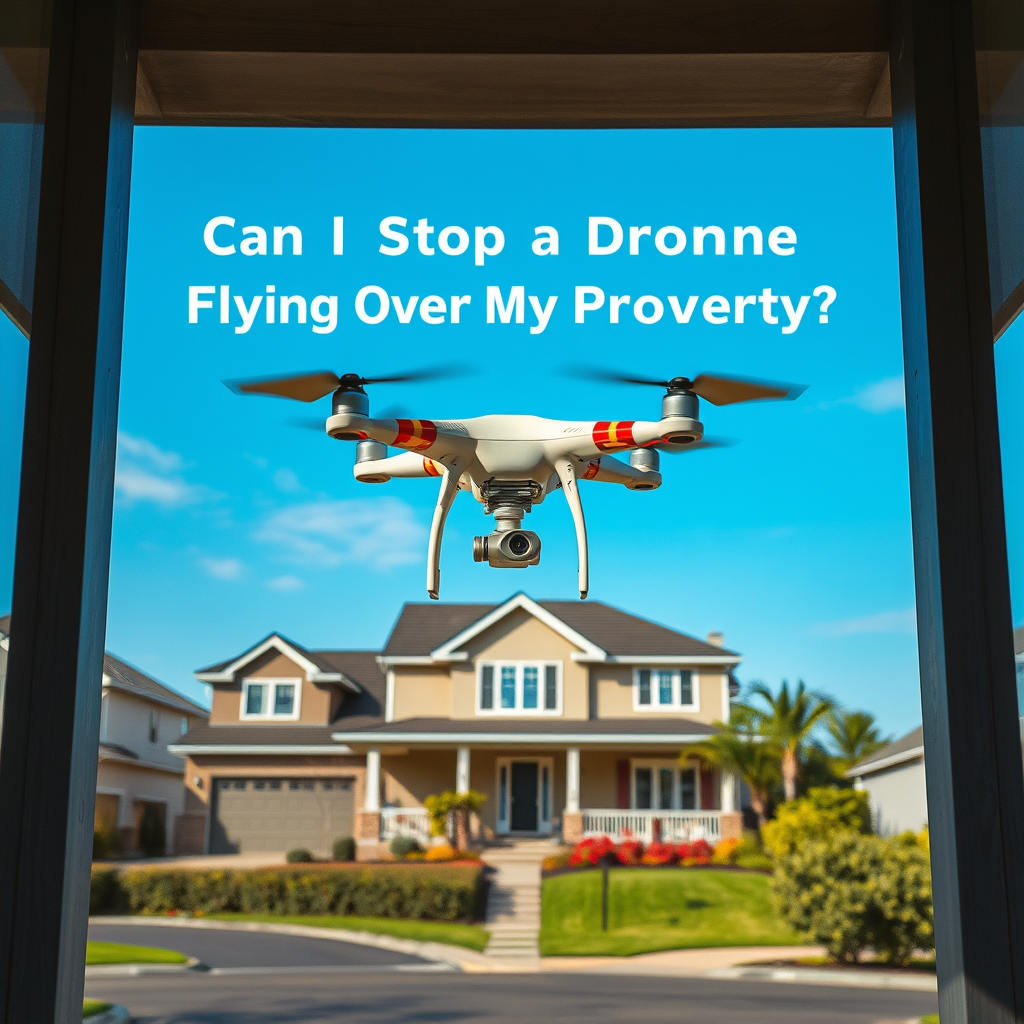
Yes, you can take certain actions to stop a drone from flying over your property, but the effectiveness of these actions can depend on various factors, including local laws and regulations. Understanding your rights and the legal landscape surrounding drone operations is crucial for effectively managing unwanted drone activity. In this article, we will delve into your entitlements regarding drone flights, examine relevant local laws and regulations, and offer practical strategies to handle drone intrusions effectively.
Understanding Your Rights Regarding Drones

Property ownership traditionally includes the airspace above it, but the specifics can be nuanced. Generally, the Federal Aviation Administration (FAA) governs airspace usage, which includes the operation of drones. Under FAA regulations, drone operators are permitted to fly their aircraft in public airspace, which can include areas over private property, as long as they comply with federal guidelines. However, this does not mean property owners have no rights. Many courts have held that while property owners may have rights to use and enjoy their land, these rights do not necessarily extend indefinitely into the airspace.
The concept of “navigable airspace” is crucial here. According to the FAA, navigable airspace starts at 500 feet above ground level. While this technically allows drones to fly below that altitude, property owners may still pursue claims if they can demonstrate that drone flights interfere with their use and enjoyment of their property or invade their privacy.
Local Laws and Regulations
In addition to federal regulations, state and local governments may have specific laws regarding drone flights over private property. Some states have enacted legislation aimed at protecting individuals’ privacy rights from intrusive drone surveillance. For instance, states like California and Florida have laws prohibiting the use of drones for surveillance purposes without consent.
Local ordinances may also provide additional layers of protection. It is vital to research your state’s laws regarding drone operations to identify any local regulations that may offer you recourse. Websites of local government offices or state aviation authorities frequently provide up-to-date information about applicable drone laws. Engaging with local community groups or legal experts can also provide insights into your rights and options.
Communicating with Drone Operators
If you can identify the drone operator, open communication can often be the most effective initial approach. Politely expressing your concerns about their drone activity can lead to a resolution without escalating the situation. It’s a good idea to prepare for this conversation; clearly state why the drone’s presence is problematic, whether it’s due to privacy concerns, noise, or a feeling of being surveilled.
You might be surprised at how willing some drone operators are to comply with reasonable requests. Many drone enthusiasts understand the importance of respecting others’ privacy and may simply be unaware of the impact their flying has on those below. However, if direct communication does not yield results, you may need to explore other options.
Reporting Unwanted Drone Activity
If the drone continues to intrude upon your airspace despite your efforts to communicate, it may be time to take more formal action. Documenting the drone’s activity is essential; collect evidence such as photos, videos, or flight logs that detail the times and durations of the drone’s flights. This documentation can be invaluable when presenting your case to local authorities or law enforcement.
Before reporting the drone, determine if it poses any safety risks. If the drone is flying dangerously close to people or structures, or if it appears to be conducting surveillance, you should inform local law enforcement. They can investigate the situation and, if necessary, take action against the operator for violating local laws or FAA regulations.
Implementing Physical Barriers
If you find drones persistently encroaching on your property, consider physical measures to deter them. Privacy screens, tall fences, or specially designed nets can create barriers that may make it more challenging for drones to fly over your land.
Natural barriers, such as planting trees or constructing tall structures, can also obstruct drone access to your airspace. Keep in mind that while these physical deterrents may not eliminate the problem entirely, they can significantly reduce the frequency of unwanted drone activity.
Utilizing Technology to Manage Drones
In an age where technology is rapidly advancing, there are tools available to help manage drone activity. One such option includes anti-drone technology, which can disrupt a drone’s signal, causing it to land or return to its operator. However, it’s crucial to be aware of the legality of such devices in your jurisdiction, as using them improperly can lead to legal ramifications.
Additionally, drone detection apps are becoming increasingly popular and can help you monitor drone activity in your area. These applications utilize various technologies, including GPS and radio frequency detection, to identify nearby drones, giving you real-time information about potential intrusions.
While these technologies can be effective, they should be viewed as part of a broader strategy for managing drone activity rather than a complete solution.
In summary, while you do have options to stop a drone from flying over your property, it is essential to understand the legal implications and local regulations that govern drone operations. From communicating with drone operators to implementing physical barriers and utilizing technology, there are various strategies available to address this modern concern. Should you find yourself facing persistent issues, seeking advice from local authorities or legal experts can provide additional guidance and support.
Frequently Asked Questions
Can I legally stop a drone from flying over my property?
Legally, you cannot stop a drone from flying over your property as drones are typically allowed to operate in public airspace. However, you may have rights concerning privacy and harassment depending on your local laws. It’s essential to familiarize yourself with both federal regulations set by the FAA and state or local laws that may address drone usage near private property.
What should I do if a drone is hovering over my home?
If a drone is hovering over your property and you feel uncomfortable, the first step is to document the incident by taking photos or videos, noting the time and any identifying details about the drone. You can then check your local laws regarding drone operation and privacy infringement. If you believe the drone poses a threat or is violating your rights, consider contacting local law enforcement or a legal professional for guidance.
How can I report a drone that is bothering me?
To report a drone that is bothering you, start by documenting the drone’s behavior and any identifying information, such as its appearance and flight path. You can then file a complaint with the Federal Aviation Administration (FAA) if the drone is operating unsafely or in restricted airspace. Additionally, consult local law enforcement if the drone is invading your privacy or causing harassment, as they may have specific protocols for handling such complaints.
Why do drones fly over residential areas, and is it legal?
Drones often fly over residential areas for various reasons, such as photography, surveying, real estate marketing, or recreational purposes. Generally, it is legal for drones to fly over private property as long as they maintain a safe distance from people and structures. However, users must adhere to FAA regulations and any local ordinances that may restrict drone activity in certain zones.
What are the best methods to deter drones from flying over my property?
To deter drones from flying over your property, consider installing privacy screens or tall fences to obstruct the view from above. Additionally, you may use reflective objects, such as aluminum foil or reflective tape, which can confuse the drone’s sensors. Some people also opt for sound deterrents or consult with professional drone mitigation services to find effective solutions tailored to their specific needs.
References
- https://www.faa.gov/uas/resources/policy_library/media/uas_fly_over_people.pdf
- https://www.nolo.com/legal-encyclopedia/drone-law-what-you-need-know-32764.html
- https://www.aclu.org/other/drone-surveillance
- https://www.theguardian.com/technology/2021/jun/01/drones-property-rights-privacy
- https://www.law.cornell.edu/wex/drone
- https://www.wired.com/story/drone-laws-property-rights/
- https://www.nytimes.com/2023/07/20/us/drone-privacy-property.html
- https://www.nas.gov/press-releases/2020/08/what-you-need-to-know-about-drones-and-your-property-rights
- https://www.unm.edu/~lindseyj/drone-laws.html
