

Yes, you can take a drone in your carry-on luggage, but there are specific guidelines and regulations you need to follow. Understanding these rules will help ensure a hassle-free travel experience with your drone. As drones have gained popularity among travelers and photographers alike, knowing how to transport them properly can save you time and prevent unnecessary complications at airports. This article will guide you through the necessary regulations, airline policies, and travel tips to make your drone-carrying journey as smooth as possible.
TSA Regulations for Carrying Drones
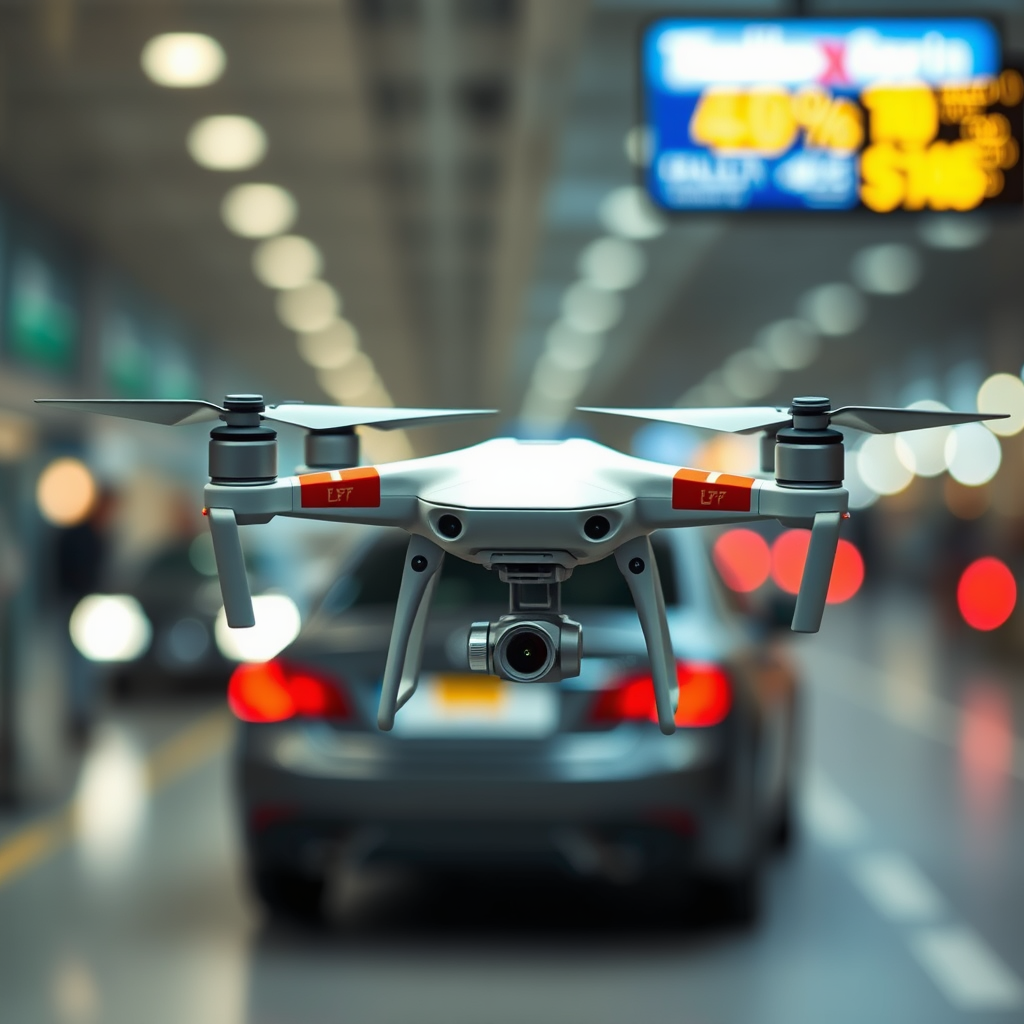
The Transportation Security Administration (TSA) has established guidelines that allow for the transportation of drones in carry-on luggage. Drones themselves can be packed in your carry-on bag, but there are specific considerations regarding their batteries. Lithium batteries, which are commonly used in drones, must be under 100 watt-hours to be permitted in the cabin. This rule is vital, as larger batteries can pose a fire risk and are subject to stricter regulations, often requiring them to be checked instead of carried on.
It is also important to note that spare batteries are subject to the same watt-hour limitation and must be kept in their original packaging or a protective case to prevent short-circuiting. Always declare these batteries to security personnel if asked, as this can help facilitate the screening process. Familiarizing yourself with the TSA guidelines on drone transportation can significantly ease your travel experience.
Airline Policies on Drones
While TSA regulations provide a baseline for carrying drones on flights, each airline may have different rules regarding drone transportation. It’s essential to check your specific airline’s policies before you travel, as they may impose additional size restrictions or require drones to be transported in a specific way. Some airlines permit drones in the cabin but have limitations on the total number of carry-on items, while others may require you to check your drone as luggage.
For instance, Southwest Airlines allows drones in carry-on bags as long as they meet the size and weight limitations for carry-on luggage, while United Airlines has a somewhat more restrictive policy. Airlines like Delta have also been known to require that lithium batteries be no larger than 160 watt-hours for checked luggage. Always refer to the airline’s website or contact their customer service for the most accurate and up-to-date information.
Preparing Your Drone for Travel
Proper preparation of your drone for travel can significantly impact its safety during transit. Start by disassembling any detachable parts, such as propellers and landing gear, to save space and minimize the risk of damage. This disassembly not only makes your drone more compact but also protects sensitive components from being jostled around.
Using a padded case is highly recommended when transporting your drone. A high-quality drone case will provide the necessary protection against drops and impacts, which is especially important during airport handling. Some cases even come with compartments for extra batteries and accessories, keeping everything organized and secure. Additionally, labeling your drone case can aid in quick identification during security checks, thereby streamlining the process.
Security Screening Process
During the security screening process, be prepared to remove your drone from your carry-on bag. Security personnel may need to examine the drone closely, which can involve using x-ray machines or manual inspection. Being familiar with this process can help alleviate any stress or confusion. If security staff require clarification, be prepared to explain the mechanics of your drone and its components.
Moreover, consider arriving at the airport earlier than usual to allow enough time for the security check. The size of the drone and its accessories may delay the process, especially during peak travel times. While it may seem inconvenient, being proactive about the security screening can lead to a much smoother experience.
International Travel Considerations
Traveling internationally with a drone involves additional layers of complexity beyond domestic regulations. Each country has its own drone laws, which can include restrictions on where you can fly, how high you can go, and whether you need a special permit or registration. Before traveling, research the drone regulations of your destination country thoroughly to avoid potential legal issues.
For example, countries like Canada and the United Kingdom have strict regulations concerning drone usage, including mandatory registration and insurance requirements. In some countries, flying drones is entirely prohibited in urban areas or near airports. Understanding these laws ahead of time can prevent fines or confiscation of your drone upon arrival.
Tips for Traveling with a Drone
To ensure a successful travel experience with your drone, keep all necessary documentation handy. This includes your drone’s registration papers, proof of purchase, and any relevant insurance documents. Having these ready can help clarify ownership and compliance with local regulations, particularly in international destinations.
Additionally, consider investing in travel insurance for your drone. Many insurance providers offer policies specifically designed to cover loss or damage to drones during travel. This added layer of protection can give you peace of mind, knowing your investment is safeguarded against unforeseen circumstances.
Finally, engage with online communities of drone enthusiasts. These platforms can provide valuable insights and firsthand experiences related to traveling with drones, including tips on the best practices and common pitfalls to avoid.
In conclusion, taking a drone in your carry-on luggage is generally permitted, but it’s crucial to be aware of TSA regulations, airline policies, and international laws. Proper preparation, including understanding the security screening process and complying with destination regulations, will enhance your travel experience. By following these guidelines and tips, you can enjoy capturing amazing footage during your travels while ensuring that your drone remains safe and compliant.
Frequently Asked Questions
Can I take a drone in my carry-on luggage when flying?
Yes, you can take a drone in your carry-on luggage when flying, but it’s important to check the specific airline’s regulations as they may vary. Most airlines allow drones as carry-on items, provided they comply with size restrictions and battery regulations. Ensure that the drone’s lithium batteries are below the allowed watt-hour limit, typically 100 Wh for carry-on, and pack them properly to avoid damage.
What are the TSA guidelines for carrying a drone on a plane?
The Transportation Security Administration (TSA) allows passengers to bring drones in their carry-on luggage, but they must be screened during security checks. It’s advisable to remove the drone from its case and place it in a separate bin for easier inspection. Additionally, be prepared to answer questions about the drone and its components, such as batteries, to facilitate a smooth security process.
Why do some airlines have restrictions on flying with drones?
Some airlines impose restrictions on flying with drones due to safety concerns, potential interference with aircraft systems, and the risk of damage to the drone during transportation. Additionally, regulations vary by destination, as countries may have specific laws regarding drone usage. It’s essential to research both airline policies and local drone laws at your travel destination to avoid issues.
What is the best way to pack my drone for air travel?
The best way to pack your drone for air travel is to use a sturdy, padded case specifically designed for drones, which can protect it from damage during transit. Ensure that all removable parts, such as propellers and batteries, are secured and stored separately to avoid any potential hazards. Additionally, label the case clearly and keep all necessary documentation handy, such as proof of ownership and any required permits.
Which countries allow drones to be brought in carry-on luggage?
Many countries allow drones to be brought in carry-on luggage, but regulations can vary significantly. Countries like Canada, Australia, and most European nations generally permit drones, provided they meet specific guidelines and local laws are adhered to. Before traveling, check the aviation authority’s website of your destination country to understand their drone laws and ensure compliance to avoid any legal issues.
References
- https://www.faa.gov/uas/getting_started/know_before_you_fly
- https://www.tsa.gov/travel/security-screening/carry-on-baggage/prohibited-items
- https://www.cnet.com/how-to/traveling-with-a-drone-what-you-need-to-know/
- https://www.wikihow.com/Travel-with-a-Drone
- https://www.theverge.com/2021/6/24/22547433/travel-drone-carry-on-luggage-transport-rules
- https://www.npr.org/2020/07/01/885811120/what-to-know-about-flying-with-your-drone
- https://www.tripsavvy.com/traveling-with-a-drone-4174671
