
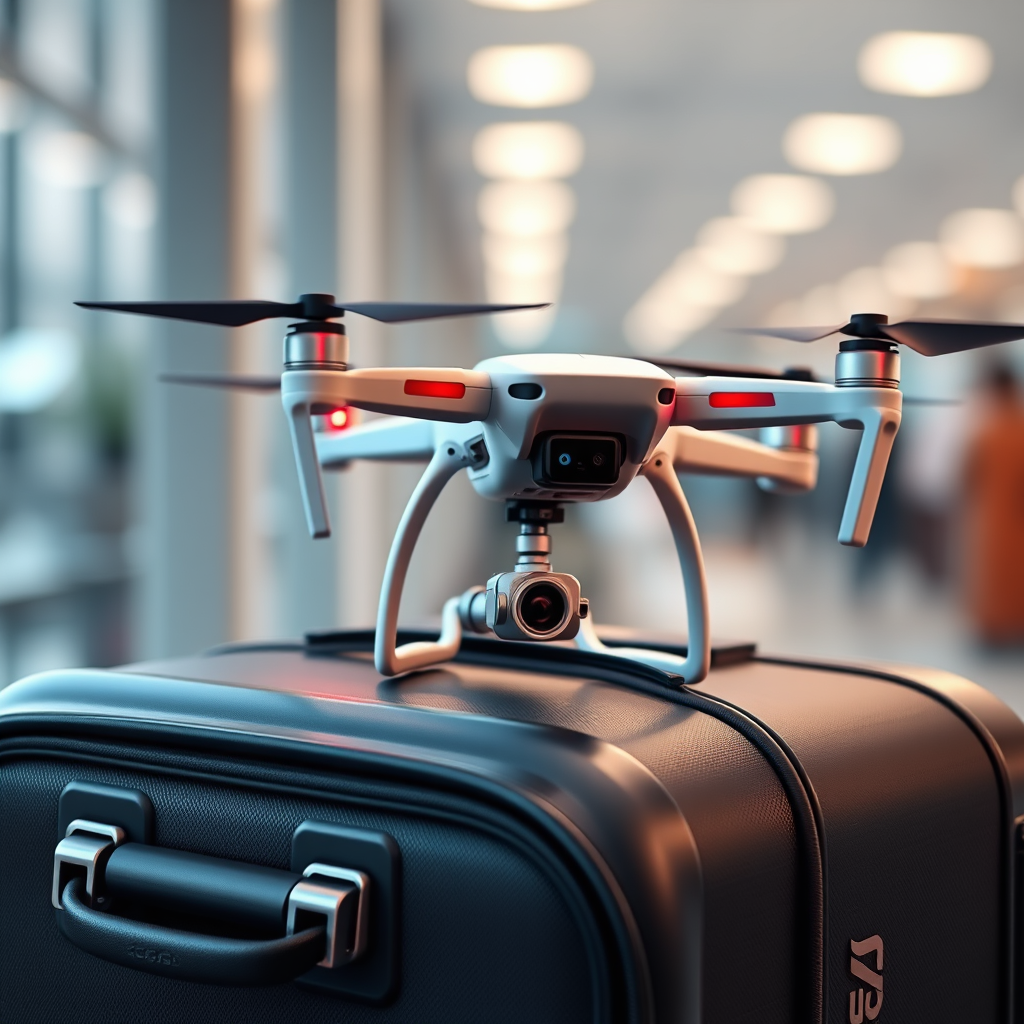
Yes, you can take a drone in your hand luggage, but there are specific regulations and guidelines you need to follow. Understanding these rules ensures a smooth travel experience, whether you’re flying domestically or internationally. Traveling with a drone can enhance your photography and videography opportunities, but it requires careful planning and adherence to various aviation regulations. This guide will help you navigate the complexities of bringing your drone on board, ensuring you comply with airline policies, TSA regulations, and international laws.
Understanding Airline Policies
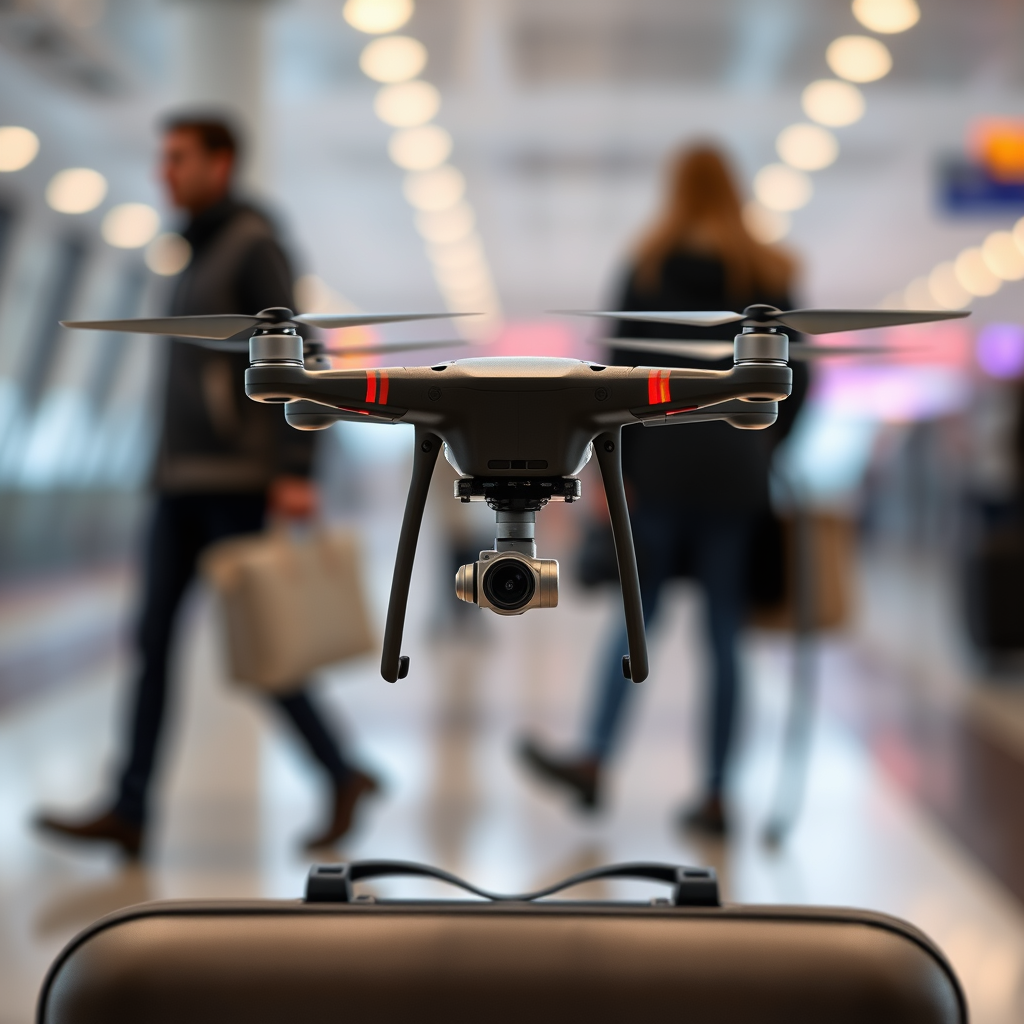
Different airlines have varying policies regarding drones in hand luggage. Each airline has unique requirements related to the size and weight of the drone, which can significantly affect your travel plans. For instance, while some low-cost airlines may impose stricter restrictions due to limited cabin space, others might have more lenient guidelines. It’s crucial to check the specific airline’s website for their regulations on size and weight limits before you travel. Additionally, consider contacting the airline directly if you have any uncertainties; this can prevent any last-minute surprises at the airport.
Moreover, be mindful of how your drone fits within the overall luggage allowance for carry-on items. Some airlines may count your drone as a standard piece of luggage, which could impact your ability to bring additional carry-on items. Always double-check these elements to avoid unexpected fees or the need to check your drone as cargo, which could expose it to potential damage.
TSA and Security Regulations
The Transportation Security Administration (TSA) permits drones in hand luggage but requires them to undergo screening. When you arrive at the security checkpoint, be prepared to remove your drone from its case for inspection. This is similar to the process for laptops and other large electronic devices. To facilitate a smooth screening process, ensure that your drone is easily accessible and that you have removed any batteries if required by the TSA agent.
Additionally, ensure your drone battery complies with lithium battery regulations to avoid confiscation. Most airlines and the TSA allow lithium-ion batteries with a watt-hour (Wh) rating of up to 100Wh in carry-on luggage. If your drone’s battery exceeds this limit, you may need to arrange alternative transportation for it. Always check the watt-hour ratings on your batteries, and consider carrying documentation or original packaging to clarify specifications if necessary.
International Travel Considerations
Some countries have strict laws regarding drone usage, including registration and permits. Before you travel internationally with your drone, it’s imperative to research your destination’s drone regulations to avoid legal issues upon arrival. For example, countries such as Canada and Australia have specific requirements for drone operators, including mandatory registration and pilot certifications.
Additionally, some regions may have designated no-fly zones, especially near airports, military installations, or urban areas. Ignoring these laws can lead to fines or confiscation of your equipment. Resources such as the International Civil Aviation Organization (ICAO) or local aviation authorities can provide valuable information on the drone laws specific to your travel destination. Always ensure you are compliant with any necessary registrations, permits, or insurance requirements before you depart.
Battery Restrictions
Most airlines limit battery watt-hours for lithium-ion batteries; therefore, checking your drone’s specifications is essential. In addition to the 100Wh guideline set by the TSA, different airlines may have varying rules on the number of spare batteries you can carry. For example, some airlines may allow two spare batteries in your carry-on, while others may permit more, depending on watt-hour ratings.
Consider carrying spare batteries in protective cases to prevent short-circuiting, which is a significant safety concern. Many manufacturers offer specialized battery cases that provide insulation and physical protection, reducing the risk of damage during transit. When packing batteries, ensure they are stored in a manner that prevents terminals from coming into contact with other conductive materials.
Packing Your Drone
Use a hard case or protective bag to prevent damage during transit. A well-padded hard case not only protects your drone from physical impacts but can also help you stay organized. Look for cases designed specifically for your drone model, as they typically have custom cutouts for the drone and its accessories, making it easier to pack efficiently.
Keep accessories organized and easily accessible for security checks. This includes items like remote controls, extra propellers, and cables. By keeping everything in one place, you can streamline the security screening process and reduce the likelihood of losing essential components.
Additionally, if your drone requires assembly upon arrival, consider packing tools or accessories in a separate compartment of your carry-on, ensuring you have everything you need to set up your equipment quickly once you reach your destination.
Alternatives and Recommendations
If you’re worried about carrying your drone, consider shipping it separately. Some courier services specialize in transporting electronic equipment, offering additional protection and peace of mind. This option ensures that your drone is handled with care and can be delivered directly to your destination.
Check for local drone rental services at your destination as an alternative. This can save you the hassle of transporting your equipment, especially if you are traveling to a location where drone laws are particularly stringent or where you may not have ample opportunities to use your drone. Renting can also provide access to newer or higher-end models that you may not own.
In conclusion, carrying a drone in hand luggage is generally allowed, but you must be aware of airline policies, security regulations, and destination laws. Always do your research and prepare accordingly to ensure your travel experience is hassle-free. By following these guidelines, you can enjoy the benefits of capturing stunning aerial footage while complying with all necessary regulations and ensuring the safety of your equipment.
Frequently Asked Questions
Can I take a drone in my hand luggage on a plane?
Yes, you can typically take a drone in your hand luggage when flying, but it’s essential to check the airline’s specific regulations beforehand. Most airlines allow drones as carry-on items, but you must ensure the drone’s battery complies with airline restrictions, usually requiring lithium-ion batteries to be under 100 watt-hours. Additionally, ensure your drone’s size fits within the airline’s carry-on dimensions.
What are the regulations for bringing a drone in hand luggage internationally?
The regulations for bringing a drone in hand luggage can vary significantly by country. Before traveling, it’s crucial to research the destination country’s drone laws, as some countries may have restrictions or require permits for drones. Additionally, always check international airline policies regarding drone transport to avoid any surprises at the airport.
How do I pack my drone for air travel in hand luggage?
To pack your drone for air travel safely, detaching the propellers and placing them in a protective case is advisable, along with the drone itself. Use padded compartments in your backpack or carry-on to prevent damage, and ensure that all batteries are stored securely and meet airline requirements. Additionally, consider bringing any necessary documentation for your drone, such as registration papers, to avoid issues during security checks.
Why are there restrictions on carrying drone batteries in hand luggage?
Restrictions on carrying drone batteries in hand luggage primarily stem from safety concerns, as lithium-ion batteries can pose a fire hazard if damaged or short-circuited. Airlines enforce specific regulations to minimize risks, including limits on battery watt-hours and the number of batteries allowed. Understanding these rules is essential for safe travel with your drone and to ensure compliance with airline policies.
Which airlines are most drone-friendly regarding hand luggage?
While most airlines allow drones in hand luggage, some are particularly drone-friendly, such as Delta Air Lines, Southwest Airlines, and United Airlines. These airlines typically have clear guidelines on drone transport, making it easier for travelers. Always verify the latest policies on the respective airline’s website before your trip to avoid any last-minute issues when boarding.
References
- https://www.faa.gov/uas/traveling_with_your_drone
- https://www.tsa.gov/travel/security-screening/whatcanibring/items/drone
- https://www.caa.co.uk/Consumers/Unmanned-aircraft/
- https://www.bbc.com/news/technology-58078559
- https://www.theguardian.com/technology/2020/nov/18/travel-with-drones-what-you-need-to-know
- https://www.traveldailynews.com/post/what-you-need-to-know-about-traveling-with-drones
- https://www.nytimes.com/2021/06/25/travel/drones-air-travel.html
- https://www.dji.com/newsroom/news/dji-drone-carry-on-luggage
- https://www.airlines.org/drones-and-air-travel/
