

Yes, you can take a drone on a cruise, but there are important restrictions and regulations to consider. While many cruise lines allow the transport of drones, they often impose specific guidelines regarding their use onboard and at ports of call. This article will guide you through essential factors to ensure your drone experience on a cruise is enjoyable and compliant with maritime rules.
Understanding Cruise Line Policies
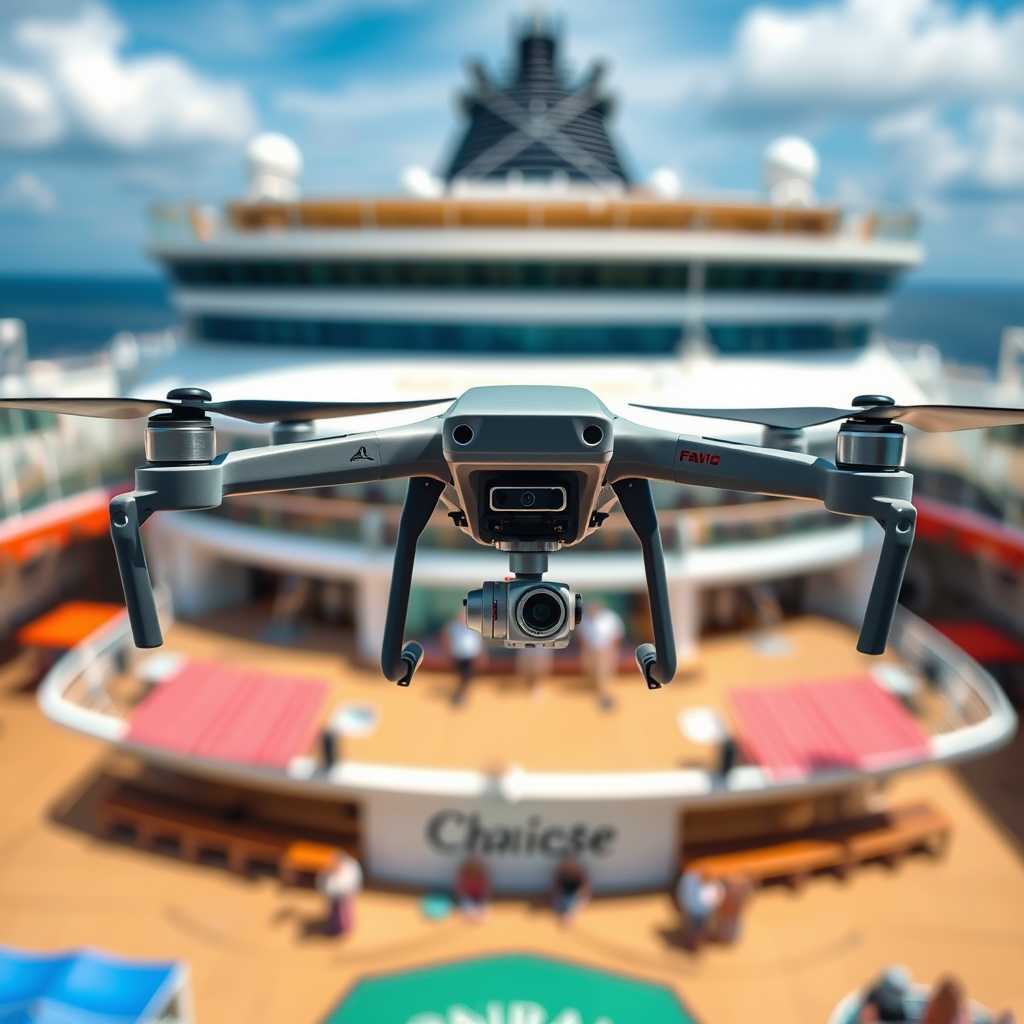
Each cruise line has its own rules regarding drones, with some prohibiting them entirely. For instance, major cruise lines like Carnival and Royal Caribbean generally permit guests to bring drones but have strict policies about their use. Others, such as Disney Cruise Line, may have a no-drone policy due to concerns over safety and privacy. Before packing your drone, it’s crucial to consult the specific guidelines of your cruise line. This information can typically be found on the cruise line’s official website or by contacting their customer service. Familiarizing yourself with these policies not only helps in avoiding potential fines but also ensures that you are prepared for any onboard regulations that may limit your ability to use your drone.
Regulations at Ports of Call
Different countries have varying laws about drone usage; therefore, it is essential to research the regulations for each port you will visit. For example, countries like Canada and New Zealand have stringent regulations requiring drone operators to register their devices and obtain permits for flying in public spaces. Conversely, other destinations may have more relaxed laws or designated areas specifically for drone flying. Some locations, such as national parks or historical sites, may prohibit drone use altogether. Prior to departure, make a checklist of the specific laws governing drone use in each port of call, including any necessary permits. This will not only help you comply with local regulations but also enhance your overall cruise experience by allowing you to safely and legally capture stunning aerial footage.
Drone Usage on the Ship
Most cruise ships do not allow drones to be flown while onboard due to safety and privacy concerns. The confined space of a ship, coupled with the presence of many passengers, makes flying a drone impractical and potentially hazardous. Therefore, it is vital to respect these restrictions and refrain from attempting to operate your drone in the ship’s common areas. However, be aware of designated areas on the ship where drones may be stored but not used, such as in your cabin or specific luggage compartments. Always secure your drone safely to avoid any accidental damage during the cruise, and ensure it’s not obstructing emergency exits or pathways.
Best Practices for Traveling with Drones
When traveling with a drone, it is essential to pack it securely to avoid damage during transit. Use a padded case designed specifically for your drone model to provide adequate protection against impacts and rough handling. Additionally, consider the weight and size of your drone to comply with baggage restrictions. Most airlines have specific guidelines regarding carry-on and checked luggage, so familiarize yourself with these policies before you travel. Moreover, if your drone has removable parts, such as propellers, consider disassembling them for easier packing and added protection. Planning your packing strategy will ensure that you arrive at your cruise destination with your drone intact and ready for use.
Insurance and Liability Considerations
Before taking your drone on a cruise, it’s prudent to look into drone insurance to cover potential damages or accidents while flying. Many standard homeowners or renters insurance policies may not cover drone-related incidents, so it’s a good idea to seek specialized drone insurance. This coverage can protect you against liability claims if your drone causes damage to property or injures someone. Additionally, be aware of liability implications in case of incidents involving your drone. Understanding the legal landscape surrounding drone use will help you navigate potential challenges and ensure that you are prepared for any unforeseen circumstances.
Tips for Capturing Great Footage
To maximize your drone experience and capture stunning footage, plan your drone flights around scenic locations at port, ensuring compliance with local laws. Research each port of call in advance to identify the best spots for aerial photography, and consider factors like time of day and weather conditions. Use the drone’s pre-flight checklist to ensure safety and proper functioning before takeoff. This checklist typically includes verifying battery levels, checking GPS signal strength, and ensuring that the camera settings are optimized for the environment. Additionally, consider using drone flight apps that provide real-time information on weather conditions and no-fly zones, helping you to make informed decisions while shooting.
Taking a drone on a cruise can enhance your travel experience, but it’s crucial to be informed about regulations and cruise line policies. Before you set sail, do your research, follow guidelines, and capture those breathtaking views responsibly! By understanding cruise line policies, respecting local regulations, and adhering to best practices for travel and safety, you can enjoy a seamless and rewarding drone experience on your next cruise.
Frequently Asked Questions
Can I take a drone on a cruise ship?
Yes, you can take a drone on a cruise ship, but it’s essential to check the cruise line’s specific policies regarding drone usage. Many cruise lines allow drones, but some may have restrictions on their use in certain areas or during specific activities. Additionally, you must adhere to local regulations at the ports of call, which may vary significantly.
What are the regulations for flying a drone while on a cruise?
Regulations for flying a drone during a cruise can vary by cruise line and by country. Most cruise lines prohibit flying drones while the ship is in port or in transit due to safety concerns. Additionally, different countries have their own drone regulations, so it’s crucial to research and comply with local laws, including altitude limits and no-fly zones.
Why should I consider leaving my drone at home when going on a cruise?
Leaving your drone at home can save you from potential hassles and legal issues that may arise from flying in restricted areas. Many cruise lines have strict policies against drone use, which could lead to confiscation or fines. Furthermore, transporting a drone can add weight and complexity to your luggage, making your cruise experience less enjoyable.
Which cruise lines are the most drone-friendly?
Some cruise lines are more accommodating to drone enthusiasts than others. Lines like Royal Caribbean and Carnival have been known to allow drones, but they may still have specific restrictions on where and when you can use them. It’s best to review the individual policies of each cruise line and reach out to customer service for the most accurate information.
How can I ensure my drone complies with local laws during my cruise?
To ensure your drone complies with local laws while on a cruise, start by researching drone regulations for each port of call. Websites such as the local aviation authority or drone enthusiast forums can provide valuable insights. Additionally, consider joining drone communities for real-time updates and tips from fellow travelers who have successfully navigated drone use in various countries.
References
- https://www.cruisehive.com/can-you-bring-a-drone-on-a-cruise-ship/67578
- https://www.ncl.com/faq/drones-on-cruise-ships
- https://www.cdc.gov/coronavirus/2019-ncov/travelers/travel-restrictions.html
- https://www.faa.gov/uas/
- https://www.safewise.com/resources/drone-regulations-by-state/
- https://www.cruisecritic.com/articles/what-to-know-about-bringing-a-drone-on-a-cruise
- https://www.travelandleisure.com/cruise/drones-on-cruise-ships-5072287
- https://www.royalcaribbean.com/faq/drones-on-cruise-ships
