
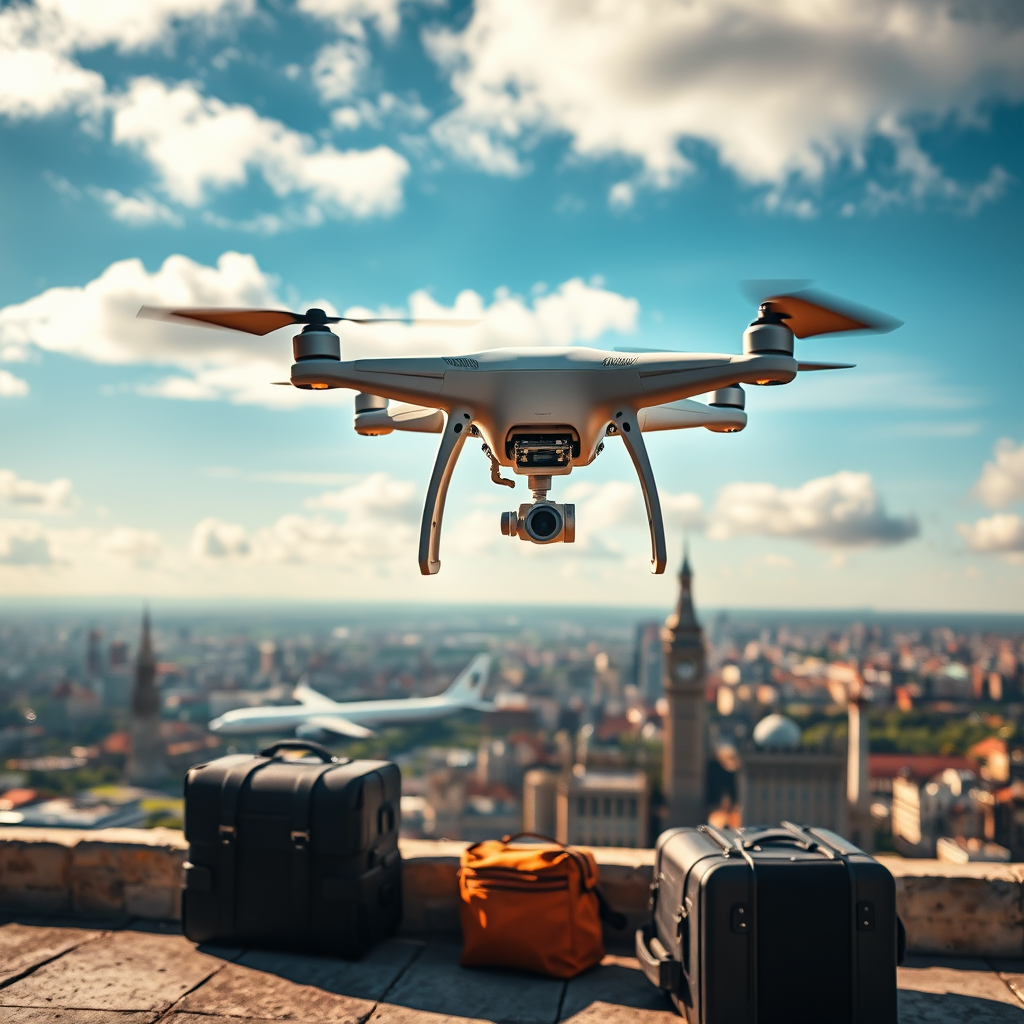
Yes, you can take a drone on a flight, but there are specific regulations and airline policies that you need to follow. Understanding these guidelines will ensure a smooth travel experience with your drone, whether you are a professional photographer, an enthusiast, or simply someone who enjoys capturing aerial views. This comprehensive guide will help you navigate the complexities of traveling with a drone, covering everything from airline policies to international regulations.
Airline Policies on Drones
When planning to take a drone on a flight, the first step is to familiarize yourself with the policies of the airline you will be traveling with. Different airlines have varying rules regarding the transportation of drones, particularly concerning whether they can be carried in carry-on or checked baggage. For instance, major carriers like Delta, American Airlines, and United Airlines have specific guidelines regarding the dimensions and weight of drones that are allowed in the cabin. Always check the specific airline’s website for updated policies before traveling, as these can change frequently and may include restrictions on battery sizes or specific types of drones.
For example, some airlines might mandate that drones must be carried in a hard case to protect them from damage. Others might allow smaller drones in your carry-on but prohibit them in checked luggage due to safety concerns related to lithium batteries. By proactively reviewing the airline’s policies, you can avoid potential last-minute surprises at the airport.
Regulations for Carrying Drones
In addition to airline policies, it is essential to familiarize yourself with the local laws of your departure and destination airports. Each country, and even individual states or regions, may have specific regulations governing the use of drones. In the United States, the Federal Aviation Administration (FAA) has established guidelines regarding the size, weight, and operational capabilities of drones. Similarly, many countries have their own regulatory bodies that oversee drone usage.
When traveling internationally, ensure that your drone complies with the size and weight restrictions set by the airline and the local laws of your destination. For instance, in some countries, drones that weigh more than a certain limit (often around 250 grams) may require registration or may be prohibited altogether. Additionally, familiarize yourself with the rules about flying drones in crowded areas or near airports, as violations can lead to severe penalties.
Safety and Security Checks
Traveling with a drone also means preparing for additional scrutiny at security checkpoints. Airports often subject drones to more rigorous screening processes than typical luggage. Be prepared for your drone to be inspected separately from your other belongings, and ensure that it is easily accessible in your carry-on bag.
A critical safety measure is to remove the batteries from the drone and pack them according to airline battery regulations. Most airlines have strict guidelines regarding lithium batteries, which are commonly used in drones. Generally, batteries should be carried in your carry-on luggage and stored in a protective case to prevent short-circuiting. Familiarize yourself with the watt-hour (Wh) limits set by your airline; typically, batteries over 100Wh may not be allowed on the flight at all.
Carry-On vs. Checked Baggage
Deciding whether to carry your drone in the cabin or check it in can significantly impact its safety during travel. Carrying your drone as a carry-on has several advantages: you can monitor it directly, ensure it is handled properly, and reduce the risk of it being damaged or lost in transit. Additionally, if you are at your destination and wish to use your drone immediately, having it in your carry-on is the most convenient option.
On the other hand, checked drones can be more susceptible to damage due to rough handling by airport staff and potential exposure to extreme temperatures in the cargo hold. If you do opt for checked baggage, invest in a high-quality, padded case designed for drone transport. This will help cushion the drone against impacts and protect it from environmental factors that could affect its functionality.
International Travel Considerations
When traveling internationally with a drone, it is crucial to research the drone regulations of the country you are visiting. Some nations have stringent drone laws that may include registration requirements, restrictions on flight areas, and even bans on certain types of drones. For instance, countries like Canada and the United Kingdom have specific licensing requirements for drone operators, which can include completing an online test or obtaining a special permit.
Additionally, some countries may have restrictions on flying drones, even if they are legally imported. For example, in places like Vietnam and Egypt, flying drones without special permission can lead to fines or confiscation of your equipment. Always ensure that you understand the local laws before attempting to fly your drone in a new country, as ignorance of the law is typically not an acceptable defense.
Insurance and Liability
Considering the potential risks associated with flying drones, it is prudent to look into purchasing travel insurance that covers drone-related incidents. Such insurance can protect you against theft, damage, or loss of your drone while traveling. Additionally, it may cover liability in the event of an accident that causes injury to another person or property damage while you are operating your drone.
Familiarize yourself with the liability coverage provided by your drone manufacturer or any insurance policy you may obtain. Some manufacturers offer drone insurance as an add-on, while others may recommend third-party providers. Understanding your coverage is essential, especially when flying in unfamiliar locations where local laws may vary dramatically from your home country.
In conclusion, while it is possible to take a drone on a flight, thorough preparation and knowledge of airline policies, regulations, and safety measures are crucial. By understanding the specific rules of your airline, familiarizing yourself with local laws, ensuring proper safety checks, and considering the advantages of carrying your drone in the cabin, you can enhance your travel experience. Always stay informed and plan ahead to ensure a hassle-free travel experience with your drone, allowing you to focus on capturing stunning aerial footage wherever your journey takes you.
Frequently Asked Questions
Can I take my drone on a commercial flight?
Yes, you can take your drone on a commercial flight, but there are important regulations to follow. Most airlines allow drones as carry-on items, but you should ensure the drone’s battery complies with the airline’s lithium battery regulations. Additionally, check the airline’s specific policies and your destination’s local laws regarding drone usage to avoid complications.
What are the regulations for flying a drone while traveling?
Regulations for flying a drone while traveling can vary significantly by country and region. Before you travel, research the local laws regarding drone use, including registration requirements, no-fly zones, and any permits needed. Websites like the International Civil Aviation Organization (ICAO) or local aviation authorities can provide up-to-date information on drone regulations in your destination.
How do I pack my drone for a flight to ensure it stays safe?
To ensure your drone stays safe during a flight, pack it in a well-padded, hard-shell case designed for drones. Remove the propellers and store them separately, and ensure that the battery is charged but below the maximum allowed capacity for air travel. Also, keep the drone and accessories organized to prevent damage during handling.
Why do some airlines have restrictions on carrying drones?
Some airlines have restrictions on carrying drones due to safety concerns, particularly regarding lithium batteries, which can pose a fire hazard. Additionally, airlines may restrict drones because of size and weight limits, as well as the potential for misuse or safety incidents onboard. Always check the airline’s guidelines before traveling to avoid issues.
Which countries have the most restrictive drone laws for travelers?
Countries like Australia, Japan, and the United Kingdom have some of the most restrictive drone laws for travelers. In these regions, you may need to register your drone, obtain permits, or adhere to strict flying guidelines. Always verify local regulations before flying your drone to ensure compliance and avoid fines or confiscation.
References
- https://www.faa.gov/uas/getting_started/registration
- https://www.faa.gov/uas/
- https://en.wikipedia.org/wiki/Drone
- https://www.nytimes.com/2021/07/14/business/drone-regulations.html
- https://www.theguardian.com/technology/2021/jun/09/drone-regulations-uk-eu
- https://www.nasa.gov/press-release/nasa-aims-to-keep-drones-away-from-commercial-aircraft
- https://www.dji.com/uk/support/faq/what-are-the-rules-for-flying-drones-in-the-uk
- https://www.ama-assn.org/delivering-care/public-health/drone-delivery-health-care-access
- https://www.ncbi.nlm.nih.gov/pmc/articles/PMC7315871/
