

Yes, you can take a drone on a plane, but there are specific regulations and guidelines you need to follow. Understanding the policies set by airlines and aviation authorities is crucial to ensure a smooth travel experience with your drone. With the increasing popularity of drones, it’s essential to familiarize yourself with the rules governing their transportation to avoid any inconveniences during your journey.
Airline Regulations for Drones
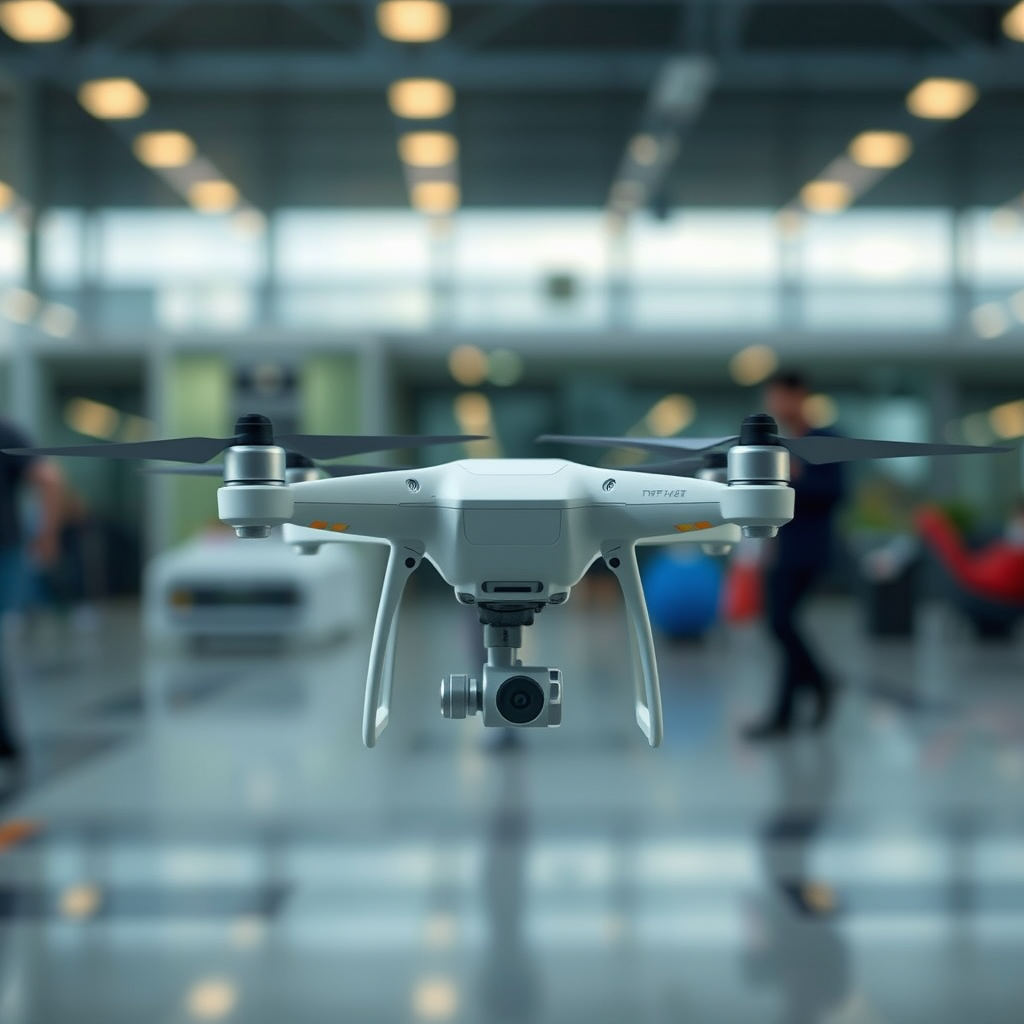
When it comes to transporting drones, each airline has its own set of policies that govern their transport. Some airlines allow drones as carry-on items, while others may impose restrictions on the size and type of batteries you can bring. It’s vital to check with your airline before traveling to understand their specific requirements. For instance, major airlines like Delta, American Airlines, and Southwest have detailed regulations that specify the acceptable dimensions for carry-on luggage, the types of batteries allowed, and whether drones can be checked in.
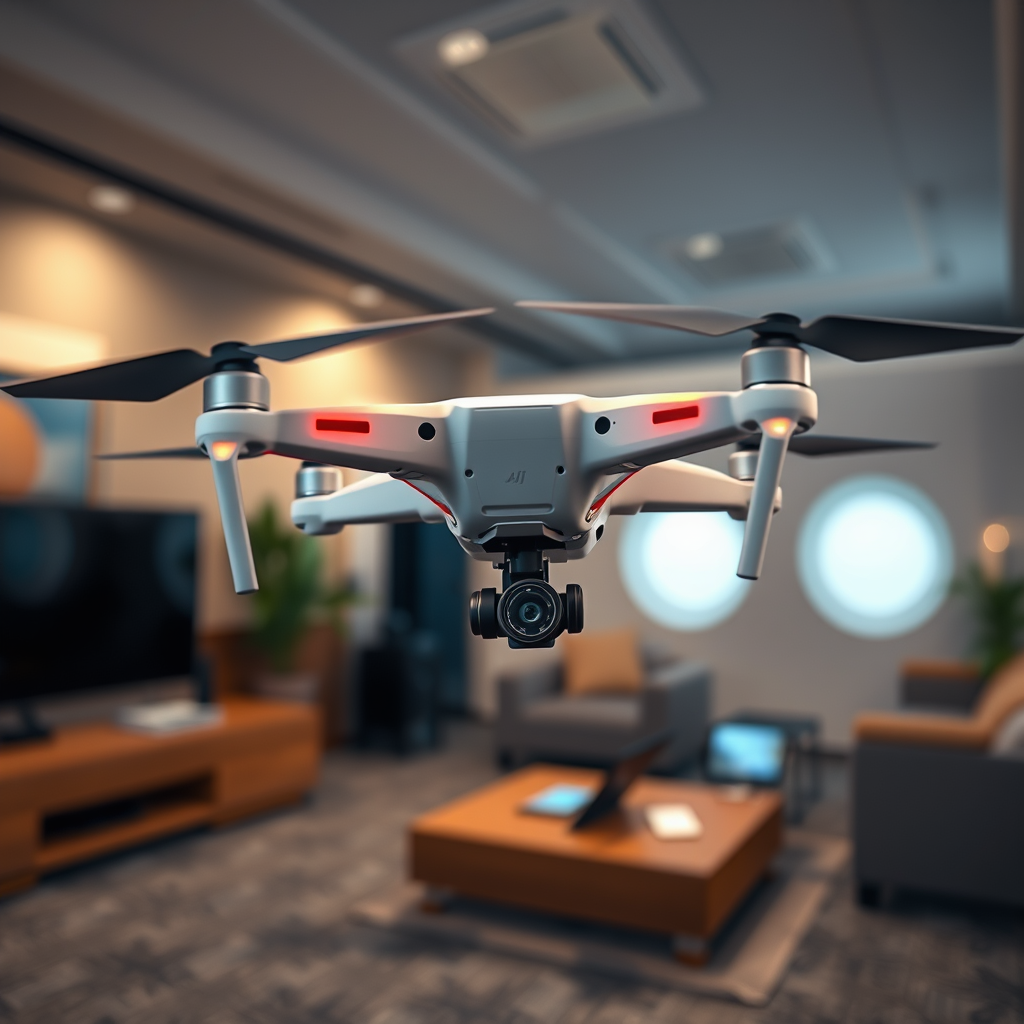
In addition to battery restrictions, airlines may also require that your drone is properly packaged to prevent damage during transit. Some airlines might also prohibit drones that exceed a certain weight limit or have specific features that could be deemed hazardous. Therefore, a proactive approach to confirming your airline’s drone policy before your trip can save you from unexpected surprises at the airport.
TSA Guidelines for Traveling with Drones
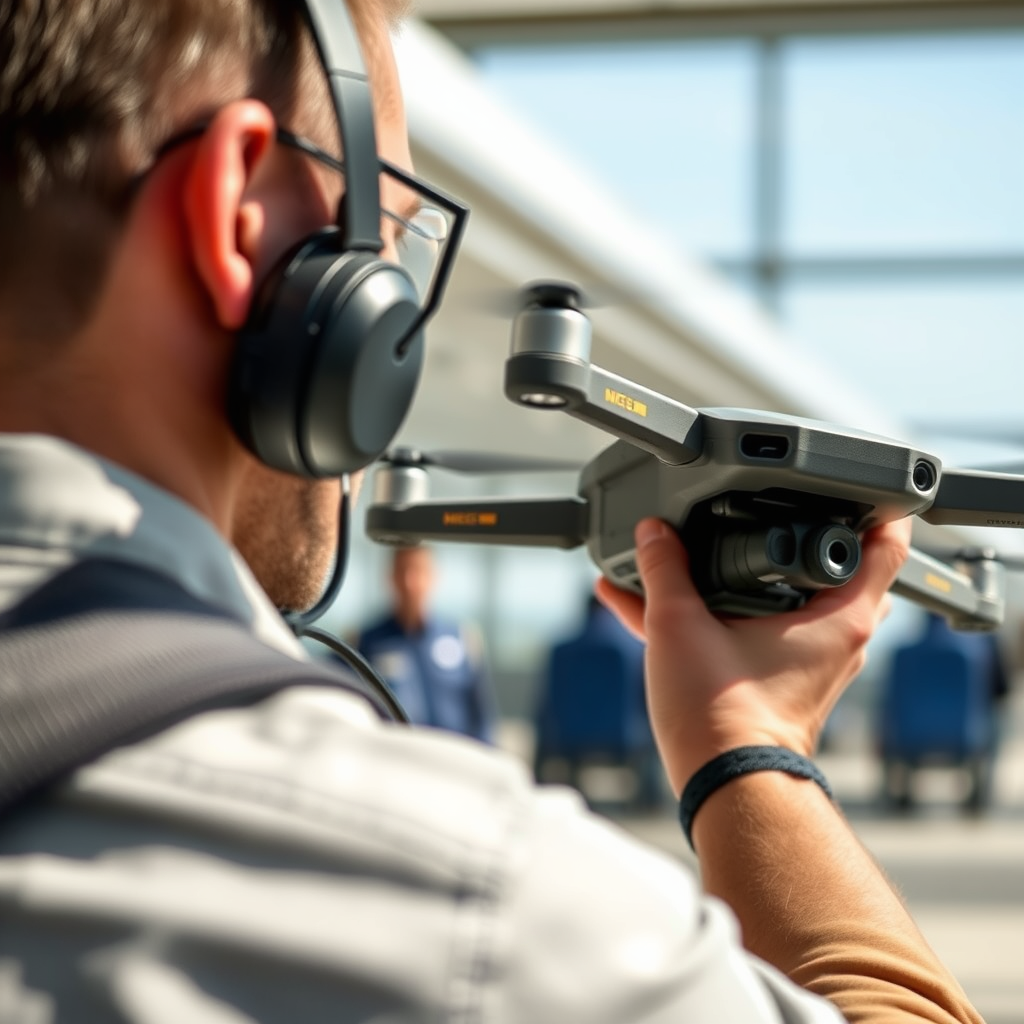
The Transportation Security Administration (TSA) allows travelers to bring drones in both carry-on and checked luggage. However, it is essential to follow TSA guidelines regarding the transport of lithium batteries, which are commonly used in drones. The TSA recommends that lithium batteries be stored in carry-on luggage to minimize the risk of fire hazards.
Additionally, there are watt-hour (Wh) limits set by the TSA for lithium-ion batteries. Generally, batteries under 100 Wh can be transported without special permission. However, if your drone’s battery exceeds this limit or if you plan to carry multiple batteries, you may need to adhere to specific regulations or obtain prior approval. Being informed about these guidelines can significantly ease the security screening process.
Drone Battery Restrictions
When packing your drone, it is critical to be aware of the watt-hour rating limits for lithium-ion batteries as established by both airlines and TSA regulations. Most airlines allow batteries up to 100 Wh in carry-on luggage without restrictions, but those exceeding 100 Wh may require special handling or may not be permitted at all.
Furthermore, some airlines might limit the number of spare batteries you can carry, so it’s advisable to check those limits ahead of time. For example, while some airlines might allow you to carry up to two spare batteries, others may only permit one. To avoid any complications at the airport, ensure your batteries are properly labeled and stored in protective cases to prevent short circuits.
International Travel Considerations
When traveling internationally with your drone, it’s essential to be aware of the varying regulations regarding drone use in different countries. Each country has its own set of rules and guidelines that govern drone operation, including registration requirements, weight restrictions, and operational limitations. For instance, countries like Canada and the United Kingdom have specific regulations that may require you to register your drone before flying it.
Moreover, customs regulations may also dictate whether you need to declare your drone upon arrival. Some countries may have restrictions on the importation of drones, and failure to comply can result in fines or confiscation. Therefore, conducting thorough research on the local laws of your destination can help ensure a hassle-free experience.
Tips for Packing Your Drone
When preparing to travel with your drone, proper packing is essential to ensure its safety and functionality upon arrival. Using a sturdy, padded case designed specifically for drone transport can significantly reduce the risk of damage during transit. Cases with compartments for batteries, propellers, and other accessories not only organize your gear but also provide additional protection.
Before packing, remove the propellers and secure any loose parts to prevent them from getting damaged or causing damage to the drone itself. Additionally, consider carrying extra cushioning materials, such as bubble wrap, to add an extra layer of protection. By following these packing tips, you can minimize the chances of encountering issues during your journey.
What to Do at Security Checkpoints
Be prepared for additional screening when you arrive at airport security checkpoints. Security personnel may want to inspect your drone and its components, so having it easily accessible in your carry-on luggage can expedite the process. It’s advisable to place your drone on the conveyor belt separately or as instructed by security staff to prevent delays.
Moreover, keep all components, including batteries and chargers, organized and easily retrievable. If you have any documentation regarding your drone’s specifications or registration, it may also be beneficial to have that on hand in case security personnel have any questions.
What to Know Upon Arrival
Upon reaching your destination, it’s crucial to familiarize yourself with local drone laws and restrictions to avoid any legal issues. Some areas may have strict regulations regarding where you can fly your drone, and operating without adhering to these laws can lead to fines or confiscation of your equipment.
In many countries, you are required to register your drone with the local aviation authority before flying. Check the specific requirements of the country you are in and ensure that you comply with any registration processes to avoid complications. By taking these precautions, you can enjoy flying your drone responsibly and legally.
In conclusion, traveling with a drone is entirely feasible when you adhere to the regulations set forth by airlines, the TSA, and international aviation authorities. By conducting thorough research, understanding battery restrictions, and packing wisely, you can ensure a hassle-free journey with your drone. Safe travels and happy flying!
Frequently Asked Questions
Can I take a drone on a plane as carry-on luggage?
Yes, you can typically take a drone on a plane as carry-on luggage, but it’s essential to check with your airline’s specific policies regarding electronics and battery regulations. Most airlines allow drones as long as the lithium batteries are properly packed, often requiring that they remain in your carry-on baggage rather than checked luggage. Be sure to also verify any restrictions regarding size and weight to avoid any last-minute issues at the airport.
What are the regulations for bringing a drone on a plane?
The regulations for bringing a drone on a plane vary by airline and country. Generally, the Federal Aviation Administration (FAA) in the United States allows drones in carry-on luggage, but you must comply with battery size limits—specifically, lithium batteries over 100 watt-hours typically cannot be carried. Additionally, international travel may involve additional customs regulations or restrictions, so always check the rules of your departure and arrival countries before you travel.
How should I pack my drone for air travel?
To pack your drone for air travel, start by removing the drone’s batteries and ensuring they are stored in a safe, approved manner, such as in their original packaging or a dedicated battery case. Use a sturdy, padded case to protect the drone from impacts and keep all components organized. It’s also a good practice to label your case as containing electronic equipment to facilitate security checks at the airport.
Why are there restrictions on flying drones on planes?
Restrictions on flying drones on planes primarily stem from safety concerns related to lithium batteries, which can pose a fire hazard if damaged or improperly handled. Additionally, drones can interfere with aircraft operations, which is why many airlines enforce strict policies regarding their transport. Understanding these regulations helps ensure a smooth travel experience while also maintaining safety in air travel.
What is the best way to ensure my drone makes it through airport security?
The best way to ensure your drone makes it through airport security is to arrive early and be prepared for additional screening. Clearly communicate to security personnel that you have a drone, and be ready to unpack it for inspection if necessary. Having all your documentation, including the drone’s registration and any relevant airline policies, can also help expedite the process and assure security officials of your compliance with regulations.
References
- https://www.faa.gov/uas/travel/
- https://www.tsa.gov/travel/security-screening/drones
- https://en.wikipedia.org/wiki/Unmanned_aerial_vehicle#Regulations
- https://www.theguardian.com/technology/2020/jul/20/drone-flights-airports-uk
- https://www.bbc.com/news/technology-50928718
- https://www.travel.state.gov/content/travel/en/international-travel/International-Parental-Child-Abduction/faq.html
- https://www.nytimes.com/2021/05/12/technology/drones-air-travel.html
