

Yes, you can take a drone through airport security, but there are specific regulations and guidelines you must follow. Understanding these rules is crucial to ensure a smooth travel experience with your drone, as non-compliance can lead to delays or confiscation. In this post, we’ll cover essential TSA regulations, packing tips, battery guidelines, international travel considerations, the security screening process, and insider tips for a seamless journey with your drone.
Understanding TSA Regulations

The Transportation Security Administration (TSA) has established specific regulations regarding the transport of drones through airport security. According to TSA guidelines, drones are permitted in carry-on luggage. However, it is essential to ensure your drone is easily accessible for security checks, as TSA agents may need to inspect it separately. Keep in mind that while drones can be carried on, they must comply with size and weight restrictions set forth by the airline, so always check your carrier’s specific policies before traveling.
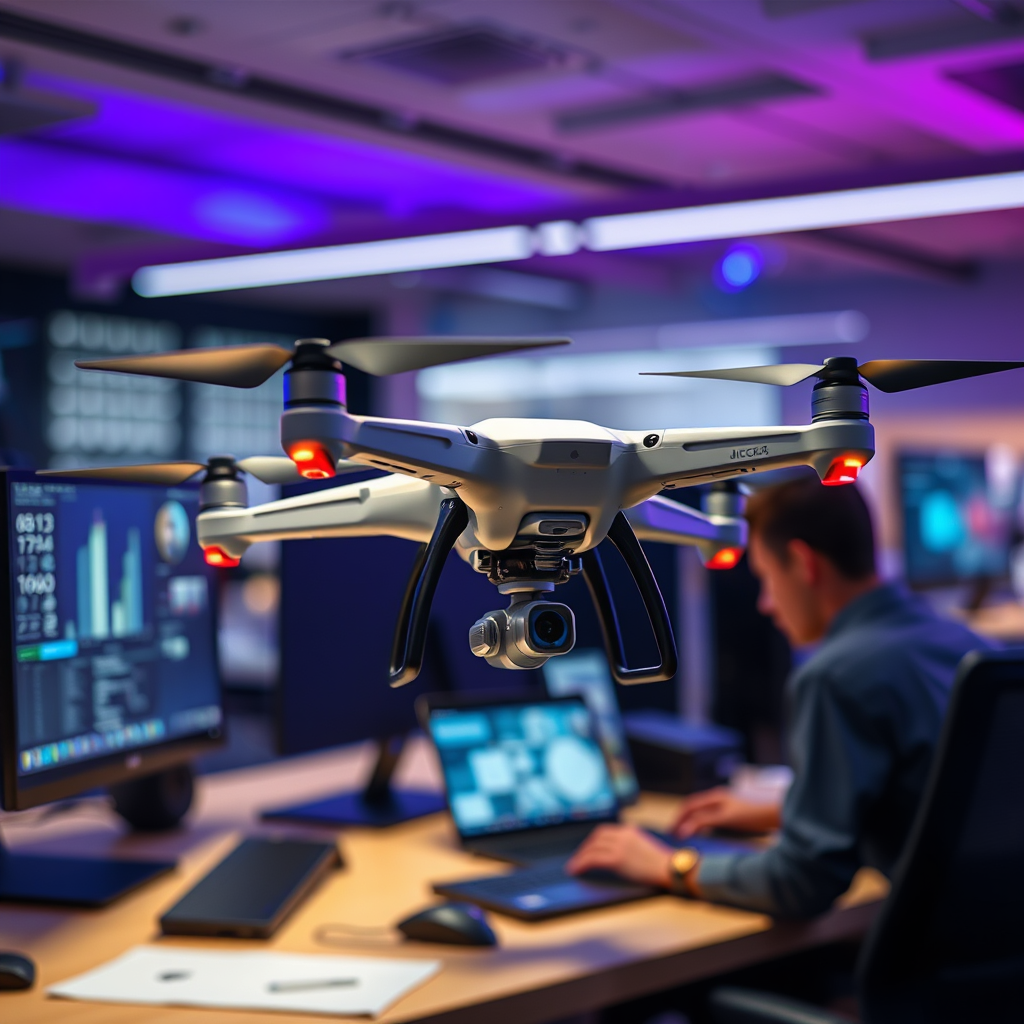
In addition to these regulations, travelers should familiarize themselves with local laws regarding drone usage, as these can vary significantly from one location to another. For instance, while the TSA may permit drone transport, municipal regulations may impose additional restrictions or require permits for flying drones in certain areas.
Packing Your Drone for Travel
When preparing to travel with your drone, proper packing is critical to ensure both your device’s safety and compliance with airport security protocols. Disassembling your drone, if possible, can help you fit it securely into your bag and minimize the risk of damage during transit. For instance, removing the propellers and placing them in a separate compartment can help streamline the security screening process.
Using protective cases designed specifically for drones is highly recommended. These cases not only provide cushioning against potential impacts but also facilitate easier inspections during security checks. Look for cases with a hard shell and custom foam inserts that snugly hold your drone and accessories. This added layer of protection can be invaluable, especially if you’re traveling frequently or have a high-end model.
Battery Guidelines
One of the most critical aspects of traveling with a drone involves understanding battery regulations. Lithium batteries, which power most drones, are subject to strict guidelines set forth by the TSA. The TSA allows lithium batteries under a certain watt-hour rating, typically 100 watt-hours, to be carried in your carry-on luggage. Batteries exceeding this limit may require special handling or may not be allowed at all.
It is imperative to always carry drone batteries in your carry-on luggage, as they are not permitted in checked bags due to the fire risk associated with lithium batteries. Furthermore, consider using battery cases that are designed to prevent short-circuiting. These cases can help contain a potential fire hazard should a battery malfunction occur.
International Travel Considerations
Traveling internationally with a drone introduces a new layer of complexity, as different countries have varying regulations regarding drone importation and usage. Before embarking on your journey, it is essential to research your destination’s drone regulations. For instance, countries like Canada and Australia have strict requirements for drone registration and may necessitate permits for recreational use.
Additionally, be aware of customs requirements, as you may need to declare your drone upon arrival at your destination. Some countries may even require you to submit your drone for inspection or provide documentation proving ownership. Failure to comply with local laws can result in fines or confiscation of your device, so thorough preparation is key.
Security Screening Process
As you navigate airport security, be prepared for the possibility of additional screening of your drone. TSA agents may ask you to remove your drone from your bag for closer inspection, particularly if it is larger or more complex in design. To expedite this process, make sure that your drone is accessible and not buried under other items in your carry-on.
It is advisable to follow TSA agent instructions carefully and be patient during the screening process. If you have any concerns or questions, feel free to communicate with the agents. They are there to help and can sometimes provide valuable tips on ensuring a smooth passage through security.
Tips for Smooth Travel
To ensure a hassle-free travel experience with your drone, consider the following tips:
1. Arrive Early: Give yourself ample time to navigate security checks, particularly if you are traveling during peak hours when lines may be longer.
2. Keep Documents Handy: Have all drone-related documentation, including registration, insurance, and any necessary permits, readily accessible. This can help clear up any questions that TSA agents may have during the screening process.
3. Familiarize Yourself with Local Laws: Before arriving at your destination, review any legal restrictions or requirements related to drone flying in that area. This proactive step can prevent misunderstandings and ensure compliance with local regulations.
4. Use an App: Consider downloading a drone-friendly app that provides information on no-fly zones, weather conditions, and other useful data that may affect your flying experience once you land.
In summary, taking a drone through airport security is permitted if you adhere to TSA regulations and prepare accordingly. Proper packing, understanding battery guidelines, and being aware of international laws can significantly enhance your travel experience. Always check for specific rules at both your departure and arrival airports to ensure a hassle-free journey. With the right preparation and knowledge, you can safely travel with your drone and enjoy capturing stunning aerial footage at your destination. Safe travels!
Frequently Asked Questions
Can I take a drone through airport security?
Yes, you can take a drone through airport security, but there are specific regulations you need to follow. Before traveling, ensure that your drone is allowed at both your departure and arrival airports, as some locations have restrictions. Additionally, you should pack it in your carry-on luggage, as checked baggage may be subject to stricter scrutiny.
What are the TSA regulations for bringing a drone on a plane?
The Transportation Security Administration (TSA) allows drones in carry-on luggage, but they must comply with the 3-1-1 rule regarding liquids and other carry-on restrictions. Ensure that the drone’s batteries are properly stored and protected, as lithium batteries can pose a fire hazard. Always check for any local regulations at your destination that may further restrict drone use.
How should I pack my drone for flying?
To ensure your drone passes through airport security without issues, pack it in a sturdy case that protects it from damage. Remove any loose batteries and pack them separately, ideally in a battery case designed for lithium-ion batteries. It’s also wise to keep your drone’s documentation handy, such as proof of purchase, in case security personnel have questions.
Why might airport security be concerned about drones?
Airport security may be concerned about drones due to their potential use in illegal activities or as a safety hazard, especially near flight paths. Drones equipped with cameras or recording devices can raise privacy concerns. Understanding these issues can help you prepare for questions or additional screening at security checkpoints.
Which drone accessories can I bring through airport security?
Most drone accessories, like extra batteries, remote controllers, and propellers, can be carried through airport security, but they must adhere to specific regulations. Make sure to separate lithium batteries and keep them in their original packaging or a protective case. Always check with the TSA for the latest guidelines on any additional accessories you plan to bring.
References
- https://www.tsa.gov/travel/security-screening/whatcanibring/all-list-items/drone
- https://www.faa.gov/uas/getting_started/
- https://www.nbcnews.com/technology/drones-airports-what-you-need-know-rcna44876
- https://www.usatoday.com/story/travel/airline-news/2021/05/06/what-to-know-about-drones-airports/4935078001/
- https://www.wired.com/story/drone-security-airport-transportation/
- https://www.cnn.com/travel/article/drones-airport-security/index.html
- https://www.theguardian.com/us-news/2022/aug/12/drone-airport-security-rules-guide
- https://www.faa.gov/uas/resources/policy_library/
