
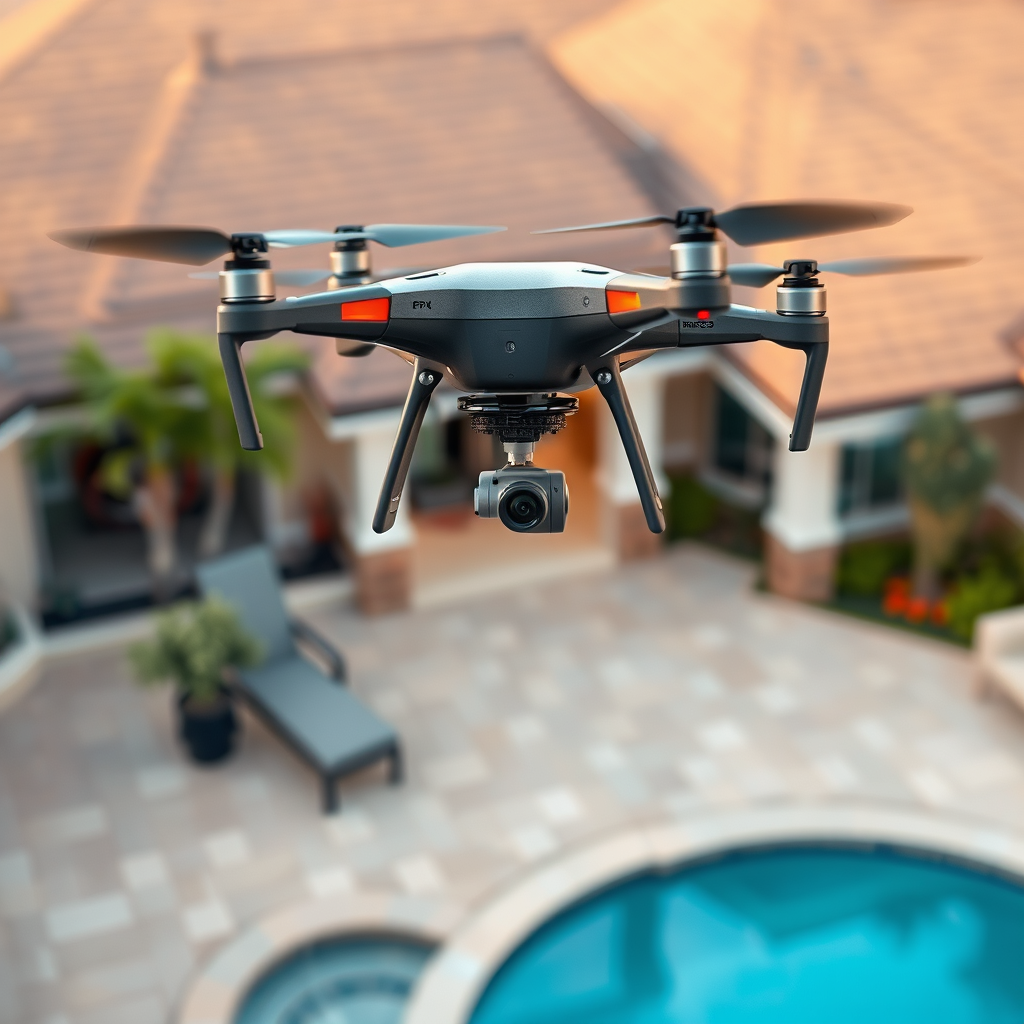
Yes, you can take down a drone flying over your property, but doing so may involve legal and safety considerations. Understanding your rights and the applicable laws is crucial before taking any action. With the increasing prevalence of drones in residential areas, many property owners are left wondering about their rights when it comes to these unmanned aerial vehicles. This blog will explore the intricacies of drone laws, property rights, safety considerations, and the appropriate actions to take if you find a drone invading your airspace.
Understanding Drone Laws
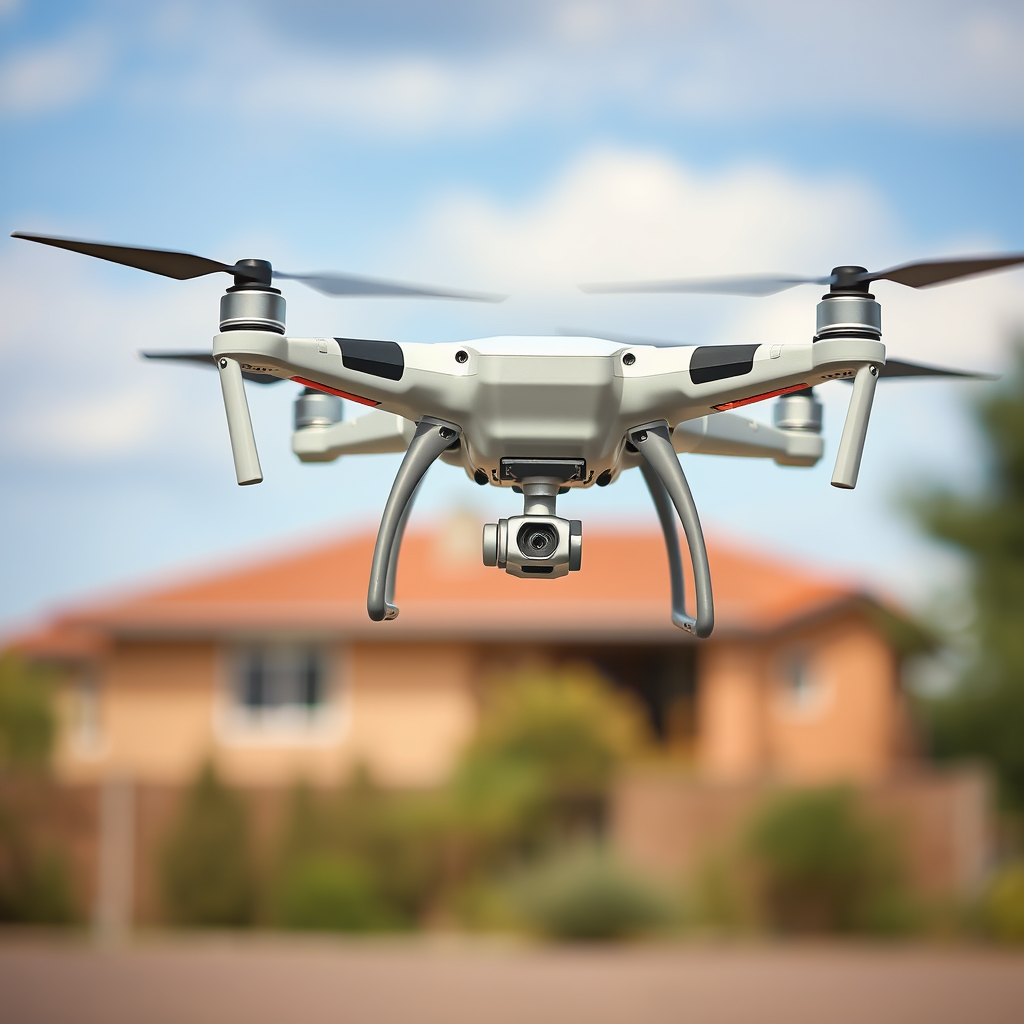
To navigate the complexities of drone ownership and operation, it is essential to understand the regulatory framework that governs these devices.
– Federal regulations: The Federal Aviation Administration (FAA) is the primary authority overseeing airspace and drone operations in the United States. According to FAA regulations, drones must be flown below 400 feet and away from airports. Furthermore, flying over private property without permission could be a violation of both federal and local laws, depending on the circumstances.
– State and local laws: Beyond federal regulations, individual states and municipalities may have specific laws regarding drone use. For example, some states have enacted legislation that prohibits the use of drones for surveillance purposes, while others allow for certain exceptions. It is imperative to research your local laws to fully understand your rights and obligations regarding drone operations in your area.
Property Rights and Airspace
Understanding property rights is crucial when dealing with drones that infringe upon your airspace.
– Reasonable expectation of privacy: Generally, property owners have a reasonable expectation of privacy in their homes and yards. This expectation diminishes as you move away from structures; however, if a drone is hovering directly above your property and capturing images or video, it could be deemed an invasion of privacy. Courts have recognized that aerial intrusions may violate privacy rights, depending on the circumstances.
– Navigable airspace: The legal definition of airspace is also vital to understanding your rights. The FAA defines navigable airspace as the airspace above the minimum safe altitudes of flight. Typically, this is considered to begin at 500 feet above ground level, leaving much of the airspace above residential properties to be legally navigable. However, some legal scholars argue that property owners should have rights extending into the airspace directly above their property, especially if their privacy is breached.
Safety Considerations
While the idea of taking down a drone may be tempting, it is crucial to consider the associated safety risks.
– Risks of taking down a drone: Attempting to take down a drone can pose significant dangers. Drones are often equipped with spinning propellers that can cause serious injury. Additionally, if a drone is downed in a populated area, it could potentially injure bystanders or damage property, leading to legal repercussions for the person who initiated the action.
– Alternative actions: Instead of resorting to physical confrontation, property owners should consider reporting the drone to local authorities. This approach minimizes the risk of personal injury and reduces the likelihood of legal consequences. Law enforcement agencies are better equipped to handle such situations and can investigate potential violations of drone regulations.
Reporting a Drone
If you find a drone intruding over your property, there are appropriate channels through which you can report the issue.
– Contacting local law enforcement: If a drone is being operated in a manner that endangers public safety or violates local laws, it is advisable to contact local law enforcement. They can assess whether the drone operator is in violation of any regulations and take appropriate action.
– Filing a complaint with the FAA: If you believe that a drone has violated FAA regulations, you can file a complaint with the agency. The FAA has established a streamlined process for reporting unsafe drone operations, which includes filling out an online form detailing your experience. This can contribute to the enforcement of drone regulations and help protect your property rights.
Non-Legal Actions
There are non-legal methods you can employ to discourage unwanted drone activity.
– Using deterrents: Some property owners have turned to non-destructive methods to deter drones. This can include deploying technologies that disrupt drone signals or using visual deterrents, such as reflective surfaces or lights, to make the area less appealing for drone operators. However, it is crucial to ensure that these methods do not violate any local laws.
– Engaging with drone operators: If you can identify the drone operator, consider reaching out to them directly. A polite conversation may resolve misunderstandings and lead to a mutually agreeable solution, such as agreeing on no-fly zones or times that are acceptable for drone use.
Legal Consequences
Before taking any action against a drone, it is important to be aware of the potential legal consequences.
– Potential criminal charges: Acts of interference with a drone can lead to criminal charges, especially if the action is perceived as aggressive or malicious. Laws vary by jurisdiction, but engaging in activities that endanger the drone, its operator, or bystanders can lead to serious legal ramifications.
– Civil liability: In addition to criminal charges, individuals who take down a drone may face civil liability for damages. This includes potential lawsuits from the drone operator for damages incurred during the takedown attempt, as well as claims for invasion of privacy if the drone was operating within legal parameters.
In conclusion, while you may be tempted to take down a drone flying over your property, it’s essential to consider the legal implications and safety risks involved. Understanding federal, state, and local drone laws, along with your property rights, is crucial in determining the appropriate course of action. Always opt for safer, non-confrontational solutions, such as reporting the drone to authorities or communicating with the operator, to effectively address the situation while minimizing risks of injury or legal repercussions. Staying informed and approaching the issue calmly can often lead to a more favorable outcome.
Frequently Asked Questions
What are the legal restrictions on taking down a drone flying over my property?
The legality of taking down a drone that is flying over your property largely depends on local laws and regulations. In the United States, the Federal Aviation Administration (FAA) has jurisdiction over airspace, which means that you cannot physically interfere with a drone in flight. However, you may be able to report the drone to local authorities if it is being used in a way that invades your privacy or poses a safety risk.
How can I effectively deter drones from flying over my property?
To deter drones from flying over your property, consider using physical barriers such as tall fences or trees, which can obstruct the drone’s line of sight. Additionally, you might use drone detection systems that alert you when a drone enters your airspace. Moreover, using visual deterrents like reflective materials or noise-making devices can also discourage drone operators from flying over your property.
Why is a drone flying over my property without permission a concern?
A drone flying over your property without your permission can raise several concerns, including privacy violations and potential safety hazards. Drones equipped with cameras can capture images or video of your home and activities, which may infringe on your privacy rights. Additionally, if a drone crashes or malfunctions while over your property, it could cause physical harm or damage to people or property below.
What should I do if I suspect a drone is being used for illegal activities over my property?
If you suspect that a drone is being used for illegal activities over your property, such as stalking or trespassing, the best course of action is to document the situation carefully. Take note of the drone’s make, model, and any distinguishing features, as well as the time and location of the sightings. Then, report the incident to local law enforcement or your community’s drone enforcement authority to address the issue properly.
Which regulations govern drone usage in my area?
Drone usage is regulated at federal, state, and local levels, so the specific regulations governing drones in your area can vary. In the U.S., the FAA sets national standards for drone operation, including registration requirements and airspace restrictions. It’s essential to check your local government’s websites and ordinances to understand any additional regulations that may apply, such as restrictions on flying drones in residential zones or near schools and parks.
References
- https://www.faa.gov/uas/recreational_flyers/
- https://www.nolo.com/legal-encyclopedia/drones-your-rights-30344.html
- https://www.aclu.org/news/privacy-technology/2020/06/what-you-need-to-know-about-drones-and-your-privacy-rights/
- https://www.wired.com/story/what-to-know-about-drones-and-the-law/
- https://www.theguardian.com/technology/2021/jul/12/drones-privacy-rights-property-law
- https://www.privacyinternational.org/explainer/4216/drones-and-privacy-what-you-need-know
- https://www.ncsl.org/research/telecommunications-and-information-technology/state-drone-laws.aspx
- https://www.fcc.gov/media/drones-privacy
- https://www.lawfareblog.com/drones-and-property-rights-what-you-need-know
