
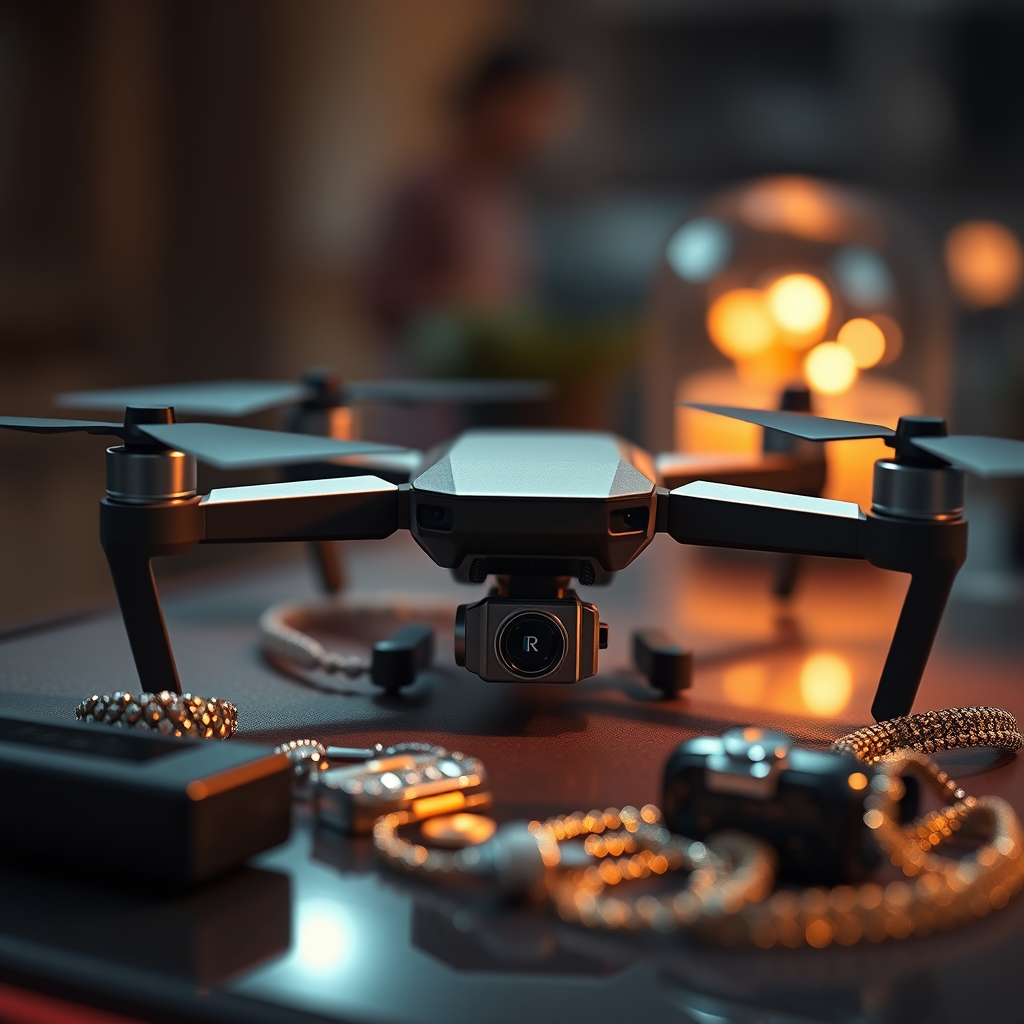
Yes, you can take drone batteries on a plane, but there are specific regulations you must follow to ensure safety and compliance. With the increasing popularity of drones among enthusiasts and professionals alike, understanding how to travel with drone batteries has become essential. This article will guide you through the essential rules and tips for traveling with drone batteries, ensuring your journey is hassle-free and compliant with airline regulations.
Understanding Airline Regulations

When it comes to traveling with drone batteries, airline regulations can vary significantly from one carrier to another. Each airline has its own policies, often dictated by safety protocols and guidelines set by aviation authorities. For instance, some airlines may restrict the number of batteries you can carry, while others might have specific requirements for packaging or labeling. It is vital to check with your airline prior to your trip to avoid surprises at check-in or security. Many airlines provide detailed information on their websites, but it’s always a good idea to contact customer service for clarification. This proactive approach ensures you are well-prepared and minimizes the risk of delays or confiscation of your equipment.
Types of Drone Batteries and Their Limitations
Most drones operate using lithium-ion batteries due to their lightweight and high energy density. However, these batteries are subject to strict regulations, particularly concerning their watt-hour (Wh) rating. Generally, batteries with a capacity of up to 100 Wh can be carried on board without special permission. For example, a standard DJI Mavic battery is typically rated around 43 Wh, making it compliant with most airline policies. However, batteries rated between 100 Wh and 160 Wh may require special handling, and you might need to inform the airline in advance. Furthermore, batteries exceeding 160 Wh are generally not permitted on commercial flights. Understanding these limitations is crucial for ensuring that you can transport your drone batteries safely and legally.
Carry-On vs. Checked Baggage
In most cases, airlines require that drone batteries be carried in the cabin rather than in checked luggage. This is primarily for safety reasons, as the risk of fire or other incidents is significantly higher in the cargo hold. Carrying your batteries as carry-on luggage provides easier access for monitoring any potential issues, and it reduces the risk of damage to the batteries themselves. Additionally, if your battery were to malfunction, having it in the cabin allows for immediate action, potentially preventing a dangerous situation. Make sure to keep your batteries in a safe, accessible compartment of your carry-on bag to facilitate security checks.
Packaging and Safety Precautions
Proper packaging is essential when traveling with drone batteries to ensure safety during transit. Batteries should ideally be stored in their original packaging, which is designed to protect them from impact and short-circuiting. If the original packaging is unavailable, consider using a hard case or a designated battery bag that includes insulating materials. It is also advisable to cover the battery terminals with electrical tape or place each battery in a separate plastic bag to prevent any contact that might lead to short circuits. Additionally, airlines may require that batteries be individually protected to prevent any risk of fire, so always adhere to these precautions to ensure compliance.
International Travel Considerations
Traveling internationally with drone batteries involves an added layer of complexity due to differing regulations across countries. Some nations impose stricter limits on battery capacity and the number of batteries one can carry. For example, in some parts of Europe, regulations can be more stringent compared to those in the United States. Before you travel, take the time to research the specific rules of your destination country, as well as any layover countries, to ensure compliance. Websites such as the International Air Transport Association (IATA) provide up-to-date information on travel regulations that can be helpful. Being informed about these regulations not only helps you avoid fines or confiscation of your equipment but also ensures that you respect local laws and regulations.
Tips for Smooth Travel with Drone Batteries
To ensure a smooth travel experience with drone batteries, there are several best practices you can follow. Arriving early at the airport is crucial, as this allows extra time for security checks, especially if you are carrying multiple batteries. When you reach the security checkpoint, proactively inform the personnel about the batteries in your carry-on. This can expedite the screening process and prevent any misunderstanding. Additionally, keep all relevant documentation handy, such as receipts for your batteries, especially if they are of higher capacity. Finally, consider joining online forums or groups focused on drone travel, as they can provide valuable insights and real-world experiences from fellow travelers.
In conclusion, while you can take drone batteries on a plane, it’s crucial to adhere to airline regulations and safety guidelines. Understanding the specific rules set by your airline, recognizing the types and limitations of drone batteries, and being aware of international regulations can greatly enhance your travel experience. By taking the time to prepare in advance and staying informed, you can ensure a smooth journey while keeping your drone batteries safe and compliant.
Frequently Asked Questions
Can I take drone batteries on a plane in my carry-on luggage?
Yes, you can take drone batteries on a plane in your carry-on luggage, but there are specific regulations to follow. Most airlines allow lithium-ion batteries with a capacity of up to 100 watt-hours (Wh) in carry-on bags, while those between 100 Wh and 160 Wh may require airline approval. Always check with your airline before traveling, as policies may vary.
What are the restrictions for taking drone batteries on a plane?
The restrictions on taking drone batteries on a plane primarily focus on their size and type. Lithium-ion batteries, which are commonly used in drones, must typically be under 100 Wh in capacity for carry-on luggage. Additionally, spare batteries should be individually protected, such as by placing them in their original packaging or using plastic battery cases to prevent short-circuiting.
How do I safely pack drone batteries for air travel?
To safely pack drone batteries for air travel, ensure that they are stored in your carry-on luggage rather than checked baggage. Use protective cases or bags that prevent short circuits and keep terminals covered with tape or insulation. Also, avoid packing damaged or swollen batteries, as they can pose a safety risk during flights.
Why are there strict rules for carrying drone batteries on planes?
Strict rules for carrying drone batteries on planes exist primarily due to safety concerns related to lithium-ion batteries. These batteries can overheat and pose fire hazards if damaged or improperly handled, especially in the confined space of an aircraft. Regulatory bodies, such as the FAA and IATA, have established guidelines to minimize these risks, ensuring passenger safety during flights.
Which airlines have the best policies for transporting drone batteries?
While many major airlines, such as Delta, American Airlines, and Southwest, have similar policies regarding drone batteries, some may be more accommodating regarding battery capacity and quantity. It’s best to check the specific airline’s website or contact customer service for the most current information. Additionally, reading reviews from fellow drone enthusiasts can provide insights into their experiences with various airlines’ battery policies.
References
- https://www.faa.gov/uas/getting_started/know_before_you_fly
- https://www.tsa.gov/travel/security-screening/special-procedures/sporting-goods
- https://www.caa.co.uk/Consumers/Unmanned-aircraft/Using-drones/
- https://www.theguardian.com/technology/2020/dec/14/drone-batteries-airline-cabin-safety
- https://www.nytimes.com/2019/01/16/technology/drone-batteries-air-travel.html
- https://www.faa.gov/uas/resources/policy_library/
- https://en.wikipedia.org/wiki/Drone#Batteries
- https://www.iata.org/en/pressroom/2021/releases/2021-09-29-01/
- https://www.dji.com/fly-safe/learn/flying-with-batteries
- https://www.nasa.gov/mission_pages/landings/faq/drones.html
