

Yes, you can take your DJI drone on a plane, but there are important regulations and guidelines you need to follow to ensure a smooth travel experience. Traveling with a drone involves navigating various airline policies, security protocols, and international laws that can vary widely. Understanding these requirements will help you prepare effectively, avoid potential hassles at the airport, and ensure that your drone arrives safely at your destination.
Understanding Airline Regulations
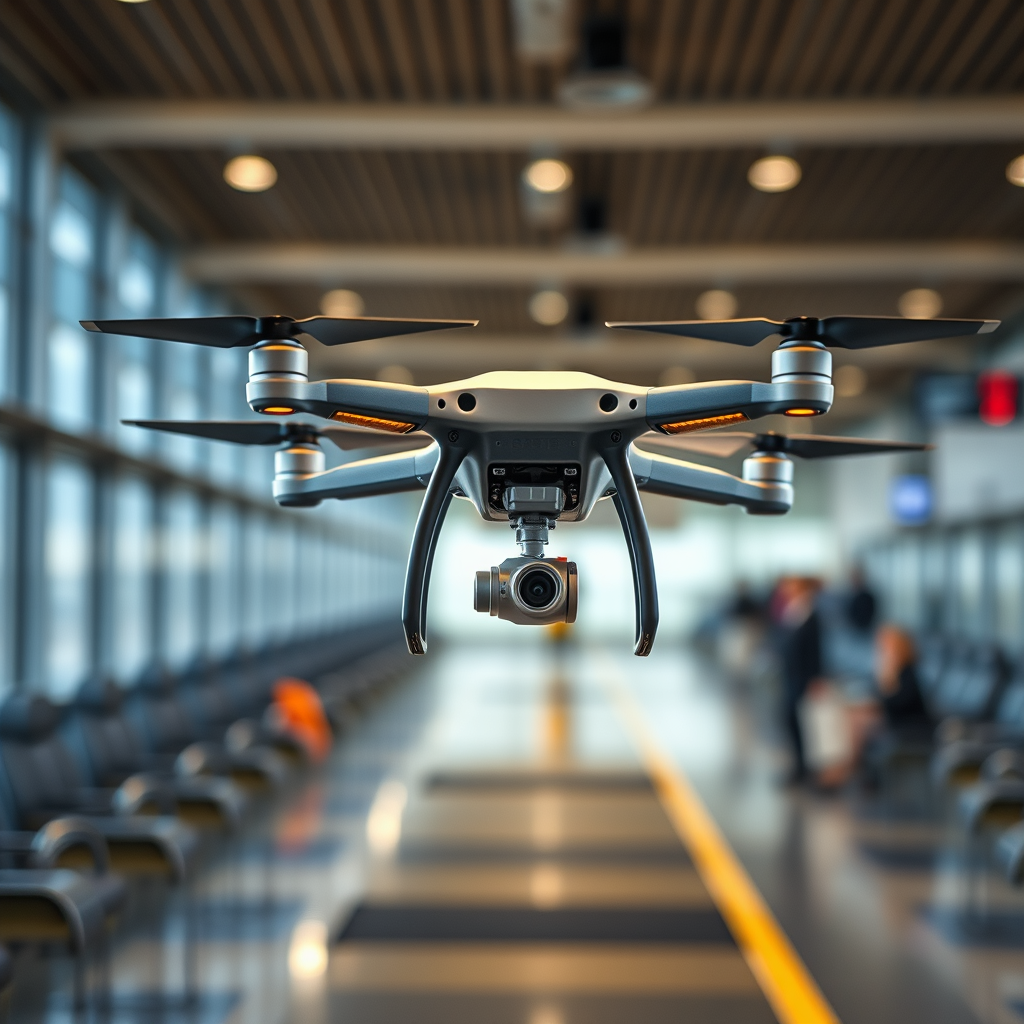
When planning to fly with your DJI drone, it is crucial to understand that each airline has its own specific policies regarding the transportation of drones. Before traveling, always check your airline’s website or contact customer service for the most current information. Generally, most airlines permit drones in carry-on luggage, but there may be restrictions on the size and capacity of the batteries. For example, many airlines adhere to the International Air Transport Association (IATA) guidelines, which typically limit lithium-ion batteries to a maximum capacity of 100 watt-hours in carry-on luggage. Exceeding this limit could result in your drone being denied boarding. Additionally, certain airlines may have specific requirements for how drones must be packed, so it is prudent to familiarize yourself with their policies to avoid last-minute surprises.
TSA Guidelines for Drones
In the United States, the Transportation Security Administration (TSA) has established clear guidelines for traveling with drones. According to TSA regulations, drones must be screened at airport security checkpoints, which means you will need to remove the drone from its case and place it in a bin for X-ray screening, similar to how you would handle a laptop. Moreover, it is essential to ensure that all batteries are transported in a manner that prevents short-circuiting. The TSA recommends that spare batteries be packed in their original packaging or in a protective case. If you are carrying multiple batteries, use insulating materials like electrical tape over the terminals to mitigate any risks. Being familiar with TSA guidelines not only helps you pass through security smoothly but also ensures the safety of your drone and other passengers.
Packing Your Drone for Travel
Proper packing of your DJI drone can significantly reduce the risk of damage during transit. It is advisable to invest in a high-quality, protective case specifically designed for your drone model. These cases often feature custom foam inserts that keep the drone secure and cushioned against impacts. Additionally, be sure to remove any accessories such as propellers, which can be fragile and are sometimes subject to additional scrutiny. When packing your batteries, remember to check the airline’s limits on battery size and ensure that they are stored securely to comply with regulations. If your drone has multiple batteries, consider carrying only the necessary amount to avoid exceeding the limits. Overall, thoughtful packing not only protects your equipment but also streamlines your travel experience.
International Travel Considerations
Traveling internationally with a drone adds another layer of complexity that requires diligent preparation. Before you book your flight, research the drone regulations in your destination country, as laws can vary significantly. Some nations may require drone registration or special permits to operate a drone within their airspace. For instance, in countries like Canada and Australia, drone operators must adhere to strict guidelines that often include obtaining specific licenses. Additionally, certain locations may impose restrictions on where drones can be flown, particularly in urban areas or near airports. Understanding these regulations not only ensures compliance but also helps prevent potential fines or confiscation of your drone upon arrival.
Insurance and Liability
When traveling with your drone, it may be wise to consider obtaining drone insurance. This type of insurance can cover damages to your drone during transit, as well as liability for any accidents that may occur while operating the drone. Some travel insurance policies may offer coverage for drone-related incidents, but it is crucial to read the fine print to understand the extent of the coverage. If you plan to use your drone for commercial purposes while traveling, specialized insurance may be necessary to ensure you are adequately protected. In addition to protecting your investment, having drone insurance can provide peace of mind, allowing you to focus on capturing breathtaking aerial footage rather than worrying about potential mishaps.
Best Practices for Smooth Travel
To ensure a hassle-free travel experience with your DJI drone, consider adopting several best practices. Firstly, arrive at the airport earlier than you typically would to allow ample time for additional security screenings. This is particularly important if you are traveling during peak hours or if the airport is known for its stringent security measures. Secondly, inform airline staff about your drone when checking in or at the gate. This proactive approach can help you receive assistance and clarify any uncertainties regarding policies or requirements. Lastly, familiarize yourself with the airport layout to locate security checkpoints and boarding gates, which can help you navigate the airport more efficiently.
In conclusion, taking your DJI drone on a plane is feasible with the right knowledge and preparation. It’s essential to understand both airline and TSA regulations and to be aware of the drone laws in your destination country. By packing your drone carefully, considering insurance options, and adhering to best practices, you can enhance your travel experience and avoid complications. Happy travels and safe flying!
Frequently Asked Questions
Can I take my DJI drone on a plane as carry-on luggage?
Yes, you can take your DJI drone on a plane as carry-on luggage, but there are specific regulations you must follow. Most airlines allow drones in carry-on bags, provided the drone’s lithium batteries are within the allowed watt-hour limits. It’s essential to check your airline’s policies and the destination country’s regulations regarding drone transport to ensure compliance.
What are the rules for bringing a DJI drone on an international flight?
When bringing a DJI drone on an international flight, you should familiarize yourself with both the airline’s policies and the regulations of the country you are visiting. Many countries have specific rules regarding drone usage, registration, and even customs declarations. Always pack your drone securely, keep batteries in their original packaging or protective cases, and ensure you have the necessary permits if required by your destination.
How should I pack my DJI drone for air travel?
To pack your DJI drone for air travel, start by removing the propellers and any detachable components to prevent damage during transit. Use a sturdy, padded case designed for drones to offer optimal protection, and consider placing the drone in your carry-on luggage rather than checked baggage. Additionally, ensure lithium batteries are stored safely according to airline guidelines, typically in a carry-on and with terminals protected.
Why do airlines have restrictions on flying with drones?
Airlines impose restrictions on flying with drones primarily for safety and security reasons. Drones contain lithium batteries that can pose a fire hazard if not handled properly, and their electronic components may interfere with aircraft systems. By enforcing regulations on drone transport, airlines aim to minimize risks and ensure safe travel for all passengers.
Which DJI drones are most suitable for travel on planes?
The DJI Mini series, particularly the DJI Mini 2 and Mini 3, are among the most travel-friendly options due to their compact size and lightweight design. These drones are small enough to fit into carry-on luggage easily and typically weigh under the 250-gram threshold, which often exempts them from registration in many countries. When traveling, consider choosing a drone that balances portability with performance to enhance your flying experience.
References
- https://www.faa.gov/uas/travel
- https://www.dji.com/uk/newsroom/news/dji-drone-travel-guide
- https://www.cnn.com/travel/article/dji-drone-travel-tips/index.html
- https://www.tsa.gov/travel/security-screening/drone
- https://www.wired.com/story/flying-with-drones-airline-rules/
- https://www.abc.net.au/news/2021-09-01/flying-with-drones-what-to-know/100443926
- https://www.reuters.com/business/aerospace-defense/flying-with-drones-what-you-need-know-before-you-go-2021-07-22/
