
Yes, you can take your drone on a plane, but there are important regulations and guidelines you need to follow. Understanding airline policies, safety regulations, and local laws is crucial to ensure a smooth travel experience with your drone. As drones become increasingly popular among hobbyists and professionals alike, knowing how to travel with them can significantly enhance your ability to capture stunning aerial photography or video, regardless of your destination. This comprehensive guide will help you navigate the complexities of traveling with your drone.
Airline Policies on Drones
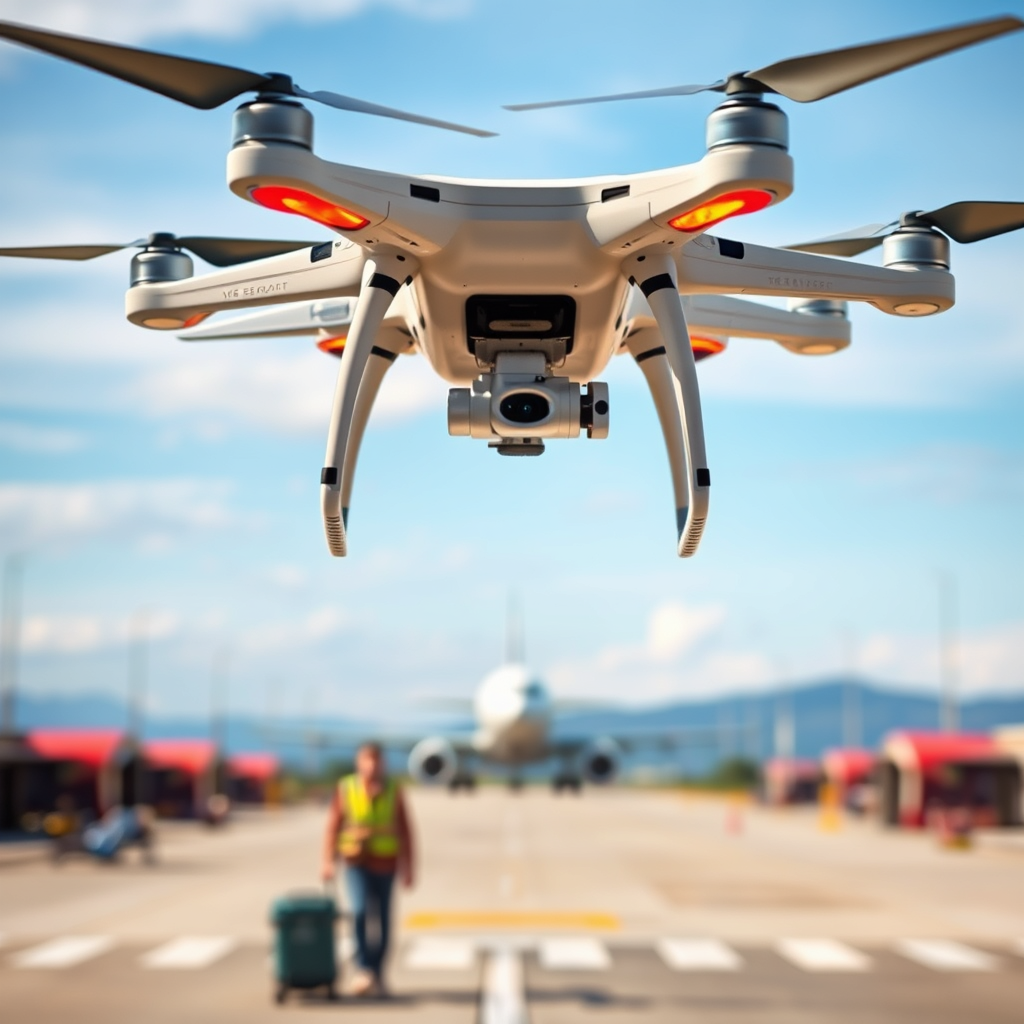
When planning to travel with your drone, it is essential to familiarize yourself with the specific policies of the airline you will be flying with. Each airline has unique rules regarding the transport of drones, and these can vary significantly. For example, while some airlines permit drones in carry-on luggage, others may have restrictions on the size and weight of drones allowed. It is advisable to check the airline’s official website or contact their customer service before your flight to confirm their policies.
In general, most airlines require drones to be packed in carry-on luggage rather than checked baggage. This is primarily due to the potential hazards posed by lithium batteries, which are commonly used in drones. Carrying your drone in the cabin allows for better control over its safety and security. Furthermore, keeping your drone in your carry-on can prevent damage that might occur during the handling of checked luggage.
TSA Regulations for Drones
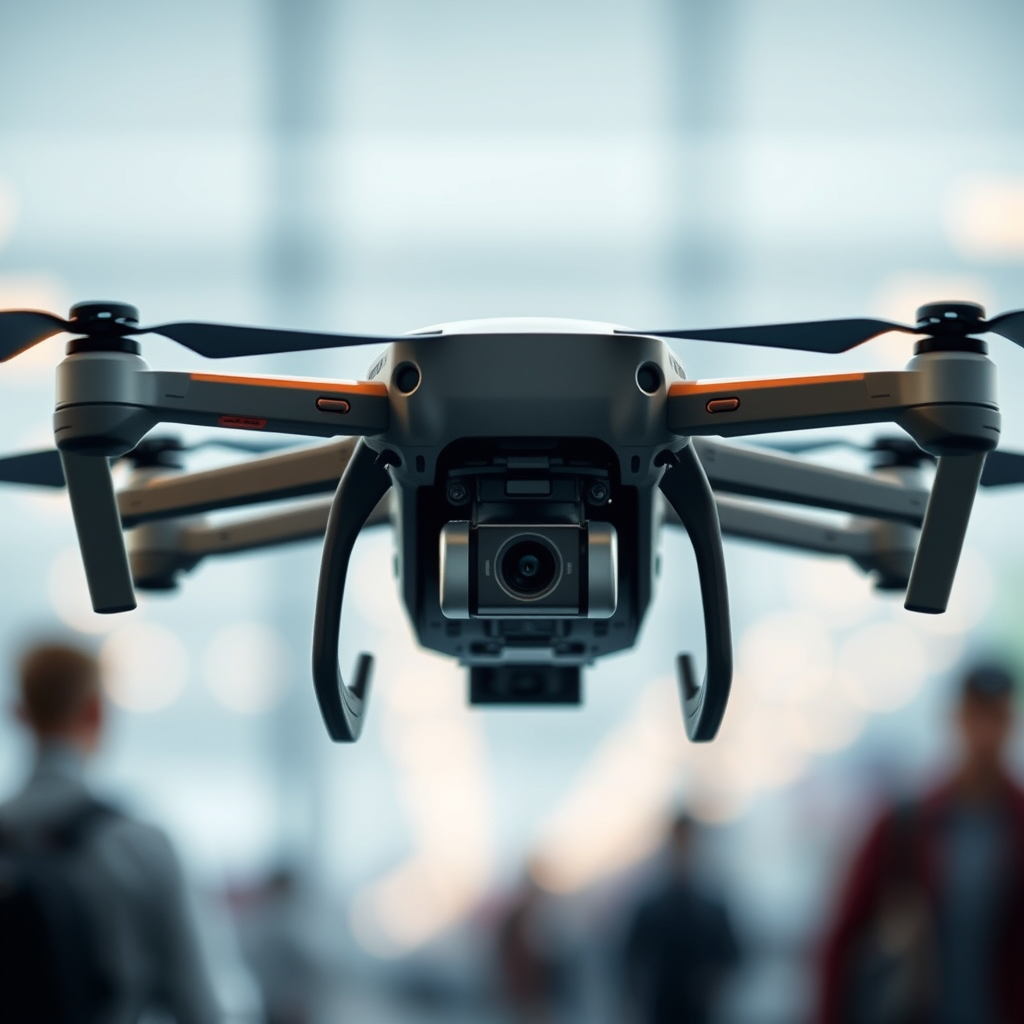
The Transportation Security Administration (TSA) has established specific regulations governing the transport of drones on commercial flights. According to TSA guidelines, drones are permissible in carry-on bags, provided they are easily accessible for screening during the security process. This means you may need to remove your drone from its case and place it in a bin for separate screening, similar to how you would handle a laptop or other large electronic devices.
An important aspect to consider is the management of lithium batteries. The TSA limits the size and quantity of lithium batteries you can carry, typically capping them at 100 watt-hours per battery. If your drone’s battery exceeds this limit, you may be required to leave it behind. Additionally, you are allowed to carry spare batteries, but they must be in their original packaging or protected to prevent short circuits. Always keep abreast of the latest TSA regulations, as they can change frequently.
International Travel Considerations
Traveling internationally with your drone introduces an additional layer of complexity due to differing regulations in various countries. Each nation has its own set of rules governing drone usage, which may include registration requirements, flight permits, or even outright bans in certain areas. For instance, some countries, like Canada and Australia, require drone operators to register their devices and obtain a license before flying.
Before embarking on your trip, research the local laws of your destination regarding drone usage. Websites like the International Civil Aviation Organization (ICAO) and the respective aviation authority of your destination can provide valuable insights. Some countries may also require specific permits for flying drones in certain locations, such as national parks or urban areas. Failing to understand and adhere to these regulations can result in fines and confiscation of your equipment.
Local Laws and Regulations
It is not enough to simply understand the regulations of the airline and TSA; you must also be aware of the local laws governing drone use in the area you are visiting. Many cities and municipalities have established no-fly zones, particularly near airports, government buildings, and places with high population density. For example, flying a drone in New York City is heavily restricted, with many areas designated as no-fly zones.
To ensure compliance, do thorough research on the local drone laws before you arrive. Additionally, consider contacting local aviation authorities or drone clubs for updated information. They may provide insights into the best practices for flying safely and legally in your destination. Knowledge of local regulations not only enhances your travel experience but also helps you respect the privacy and safety of others.
Preparing Your Drone for Travel
Proper preparation of your drone before travel can prevent damage and ensure a hassle-free experience. Start by removing any loose parts, such as propellers or cameras, and secure them to avoid any potential damage during transport. Drones are delicate pieces of technology that can be easily harmed if not handled appropriately.
Investing in a high-quality padded case designed specifically for your drone is a wise choice. These cases provide protection against impacts and rough handling, ensuring that your drone arrives at your destination in perfect condition. Additionally, familiarize yourself with the disassembly and reassembly process of your drone to make setup easier upon arrival.
Flying Your Drone Upon Arrival
Once you arrive at your destination, it is essential to familiarize yourself with the local drone laws and regulations before taking to the skies. This includes understanding any required permits or certifications needed for flying. Some areas may have specific times or zones where drone flying is permitted, while others may restrict it altogether.
Respecting privacy and safety guidelines is paramount, especially in populated areas. Always avoid flying near crowds, private property, or sensitive locations. Engaging with local drone communities can also provide valuable insights into the best spots for flying and photography. Prioritize safety and compliance to ensure that your drone experience is enjoyable and trouble-free.
In conclusion, while you can take your drone on a plane, it’s essential to be well-informed about airline policies, TSA regulations, and local laws to avoid any issues. Always do your research and plan ahead for a hassle-free travel experience. By understanding the necessary regulations and preparing your drone adequately, you can ensure that your travel experience is as smooth and enjoyable as possible, allowing you to capture breathtaking aerial footage wherever your adventures take you.
Frequently Asked Questions
Can I take my drone on a plane as carry-on luggage?
Yes, you can take your drone on a plane as carry-on luggage, but there are specific guidelines you must follow. Most airlines allow drones in the cabin, provided the batteries are under the required watt-hour limit (usually 100Wh for LiPo batteries). Make sure to check with your airline regarding their specific policies, as regulations can vary, and ensure your drone is easily accessible for security checks.
What are the regulations for traveling with a drone internationally?
Traveling with a drone internationally involves understanding the regulations of both your departure and destination countries. Some countries have strict laws regarding drone use, including registration requirements or outright bans. Before you travel, research the local regulations, including any permits you may need, and check if your drone complies with those laws to avoid potential fines or confiscation.
How should I pack my drone for air travel?
When packing your drone for air travel, it’s essential to use a sturdy carrying case that protects it from damage. Remove the propellers and store them separately to prevent breakage, and ensure your batteries are securely packed, as they must be carried in your hand luggage. Additionally, consider using foam inserts or bubble wrap for extra protection during transit, and always label your luggage clearly.
Why do airlines have restrictions on drone batteries?
Airlines have restrictions on drone batteries primarily due to safety concerns related to lithium-ion batteries, which can pose a fire hazard if they are damaged or short-circuited. These batteries are often highly flammable, so airlines enforce strict guidelines regarding their watt-hour limits and how they should be transported. Understanding these rules is crucial for a hassle-free travel experience with your drone.
What should I do if my drone gets damaged during air travel?
If your drone gets damaged during air travel, the first step is to document the damage with photos and keep all relevant receipts and boarding passes. Report the issue to the airline immediately, as most airlines have specific procedures for handling damaged items. Depending on the airline’s policies, you may be eligible for compensation or assistance in filing a claim, so be sure to act promptly.
References
- https://www.faa.gov/uas/travel
- https://www.washingtonpost.com/transportation/2022/05/06/drone-air-travel/
- https://www.cnet.com/how-to/taking-your-drone-on-a-plane-what-you-need-to-know/
- https://www.bbc.com/news/world-us-canada-57738618
- https://www.usc.edu/administration/transportation/drones-on-planes
- https://www.nytimes.com/2023/07/14/travel/drone-air-travel.html
- https://www.govinfo.gov/content/pkg/FR-2016-12-30/pdf/2016-31360.pdf
- https://www.wired.com/story/travel-with-drone/
