

Yes, you can take your drone on an airplane, but there are specific regulations and guidelines you must follow. Understanding these rules will help ensure a smooth travel experience with your drone. As drone technology continues to evolve, more travelers are looking to capture stunning aerial footage during their journeys. However, navigating the regulations surrounding drone transport can be complex. This article will provide you with essential information about airline regulations, TSA guidelines, battery restrictions, international travel considerations, packing tips, and resources for drone travelers.
Understanding Airline Regulations
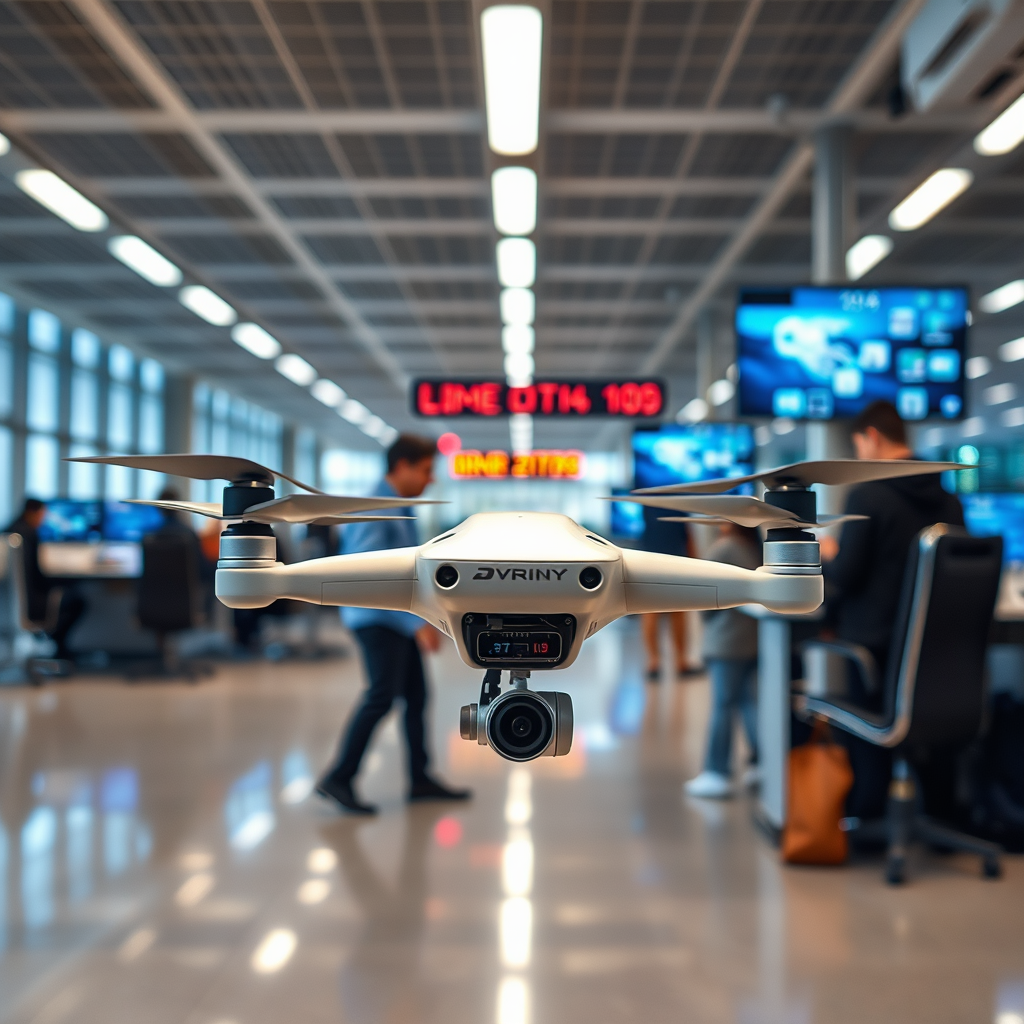
When it comes to flying with a drone, it is crucial to understand that each airline has its own policies regarding the transport of drones. Before you arrive at the airport, you should check your airline’s website or contact their customer service for the latest information. Many airlines generally allow drones in carry-on luggage, but they often impose specific restrictions on battery sizes, particularly for lithium-ion batteries, which are the most common type used in drones. For instance, airlines may limit the watt-hour rating of batteries to 100 watt-hours or less for carry-on items, while batteries above this limit might require special permission or may not be allowed at all.
Additionally, some airlines may have restrictions on the number of batteries you can carry, so it’s a good idea to familiarize yourself with these rules ahead of time. Not only will this help you avoid any surprises at the airport, but it will also facilitate a smoother check-in and security experience.
TSA Guidelines for Drones
The Transportation Security Administration (TSA) permits drones in both carry-on and checked baggage, but there are specific guidelines you must adhere to. When traveling with a drone, ensure that all batteries are safely stored according to TSA rules. Carry-on luggage is typically preferred, as it allows for easier access and better protection against potential damage.
During the security screening process, be prepared to remove your drone from its case so it can be screened separately. The TSA may impose additional scrutiny on the drone and its components, so cooperation during this process is essential. Make sure that any removable batteries are stored in a manner that prevents short circuits, such as using battery cases or plastic bags specifically designed for battery transport. Familiarizing yourself with TSA regulations will not only make your experience more enjoyable but also instill confidence as you navigate airport security.
Battery Restrictions and Safety
One of the primary concerns when traveling with a drone is the lithium battery restrictions imposed by airlines and regulatory bodies. Lithium batteries are subject to strict regulations due to their potential hazards, particularly in the event of a fire. Generally, batteries must be under 100 watt-hours to be carried on board, though some airlines may allow batteries between 100 and 160 watt-hours with special permission.
To ensure compliance with safety regulations, consider using battery cases or protective covers to prevent short circuits during travel. Additionally, it is wise to keep the batteries charged to no more than 30% for safety reasons, as this minimizes the risk of ignition. Always check with your airline for specific battery guidelines and recommendations before your trip to ensure a hassle-free experience.
International Travel Considerations
If you plan to travel internationally with your drone, it’s essential to research the drone laws of your destination country. Different countries have varying regulations regarding drone use, with some imposing strict rules or outright bans on drone flying. For example, countries like Canada and Australia have specific licensing requirements for drone operators, while certain regions may restrict drone usage in urban areas or near airports.
Moreover, customs regulations may require you to declare your drone upon arrival. Failing to comply with local laws could result in confiscation of your equipment or even legal penalties. Therefore, prior to travel, ensure you are well-informed about the drone regulations in the country you are visiting, including any permits or registrations you may need to obtain.
Packing Your Drone for Travel
Properly packing your drone for travel is essential to prevent damage and ensure compliance with airline regulations. It is advisable to use a protective case specifically designed for drones, which provides cushioning and prevents impact during transit. High-quality cases often come with compartments for batteries, remote controls, and additional accessories, making organization easier.
If possible, disassemble parts of your drone, such as the propellers, to save space and enhance safety during transport. Additionally, secure all components within the case to minimize movement while traveling. Label your case clearly, especially if you have multiple bags, to ensure easy identification during airport security checks and baggage claim.
Tips for Traveling with a Drone
Traveling with a drone can be a rewarding experience, but preparation is key to ensuring a smooth journey. Here are some actionable tips to help you navigate the travel process:
1. Arrive Early: Give yourself plenty of time at the airport to accommodate potential delays during security checks. Arriving early allows you to manage stress and handle any unexpected issues more effectively.
2. Documentation: Carry necessary documents, such as registration certificates and proof of ownership. In case of inquiries by airport personnel or customs officials, having these documents readily available can expedite the process.
3. Know Your Rights: Familiarize yourself with your rights as a traveler. If you encounter issues with security or airline staff, knowing the rules can help you advocate for yourself more effectively.
4. Join Online Communities: Engage with online forums or groups specifically for travelers who fly with drones. These communities can offer valuable tips, insights, and support for navigating the complexities of drone travel.
Resources for Drone Travelers
To stay informed about the constantly changing regulations surrounding drone travel, utilize reputable resources. Websites such as the FAA (Federal Aviation Administration) and TSA offer updated information on rules and guidelines for transporting drones. Subscribing to their newsletters or following their social media channels can also provide timely updates.
Furthermore, consider joining online forums or social media groups dedicated to drone enthusiasts. These platforms can be excellent sources of information, providing firsthand accounts and advice from seasoned travelers who have successfully navigated the complexities of flying with drones.
In conclusion, traveling with a drone on an airplane is feasible if you adhere to airline policies and government regulations. By understanding airline regulations, TSA guidelines, battery restrictions, international travel considerations, and packing tips, you can ensure a seamless travel experience. Always conduct thorough research and prepare in advance to guarantee a hassle-free journey with your drone, allowing you to capture breathtaking aerial views during your travels.
Frequently Asked Questions
Can I take my drone on an airplane as carry-on luggage?
Yes, you can take your drone on an airplane as carry-on luggage, but it’s essential to check the airline’s specific regulations regarding drone transport. Most airlines allow small drones in carry-on bags, provided the lithium batteries are under the required watt-hour limits. Ensure to pack your drone securely to avoid damage during transit.
What are the regulations for flying a drone in another country when traveling by airplane?
When traveling by airplane with a drone, you must familiarize yourself with the drone regulations of the destination country. Many countries have strict rules regarding drone use, including registration requirements, restricted areas, and necessary permits. Always research local laws to avoid fines or confiscation upon arrival.
How do I prepare my drone for air travel?
To prepare your drone for air travel, start by removing the propellers and packing them separately to prevent damage. Place your drone in a padded case, and ensure that all batteries are charged and stored according to airline regulations—typically in carry-on luggage. Also, consider bringing your drone’s user manual and any necessary documentation to facilitate security checks.
Why can’t I take my drone in checked baggage?
Taking your drone in checked baggage is generally discouraged due to the risks associated with lithium batteries, which can pose a fire hazard if damaged. Many airlines require that lithium batteries be carried in the cabin, making it safer and easier for staff to manage. Moreover, checked baggage is more prone to rough handling, increasing the likelihood of damage to your drone.
Which airlines have the best policies for traveling with drones?
Airlines like Delta, American Airlines, and Southwest have relatively accommodating policies for traveling with drones, allowing them as carry-on items. However, policies can vary significantly, so it’s crucial to check the specific guidelines of your airline before you travel. Additionally, some airlines may have restrictions based on the drone’s size or battery capacity, so always verify beforehand to avoid any inconvenience.
References
- https://www.faa.gov/uas/travel
- https://www.tsa.gov/travel/security-screening/whatcanibring/items/drone
- https://www.wired.com/story/flying-with-drone-airplane/
- https://www.nytimes.com/2020/01/14/travel/drone-airplane-carry-on.html
- https://www.reuters.com/article/us-usa-transportation-drones-idUSKCN1R20FZ
- https://www.dji.com/newsroom/news/dji-drone-air-travel-guide
- https://www.theguardian.com/travel/2021/jul/29/can-i-take-my-drone-on-holiday-what-to-know
- https://www.ama-association.org/about-ama/our-commitment/information-on-drones-and-air-travel/
