

Yes, you can take your drone to Vietnam, but there are specific regulations and guidelines you must follow. Understanding these rules is crucial to ensure a smooth travel experience and avoid potential legal issues. As Vietnam becomes an increasingly popular destination for travelers and photographers alike, it is essential to navigate the complexities of drone usage in the country to fully enjoy its breathtaking landscapes while remaining compliant with local laws.
Understanding Vietnam’s Drone Laws
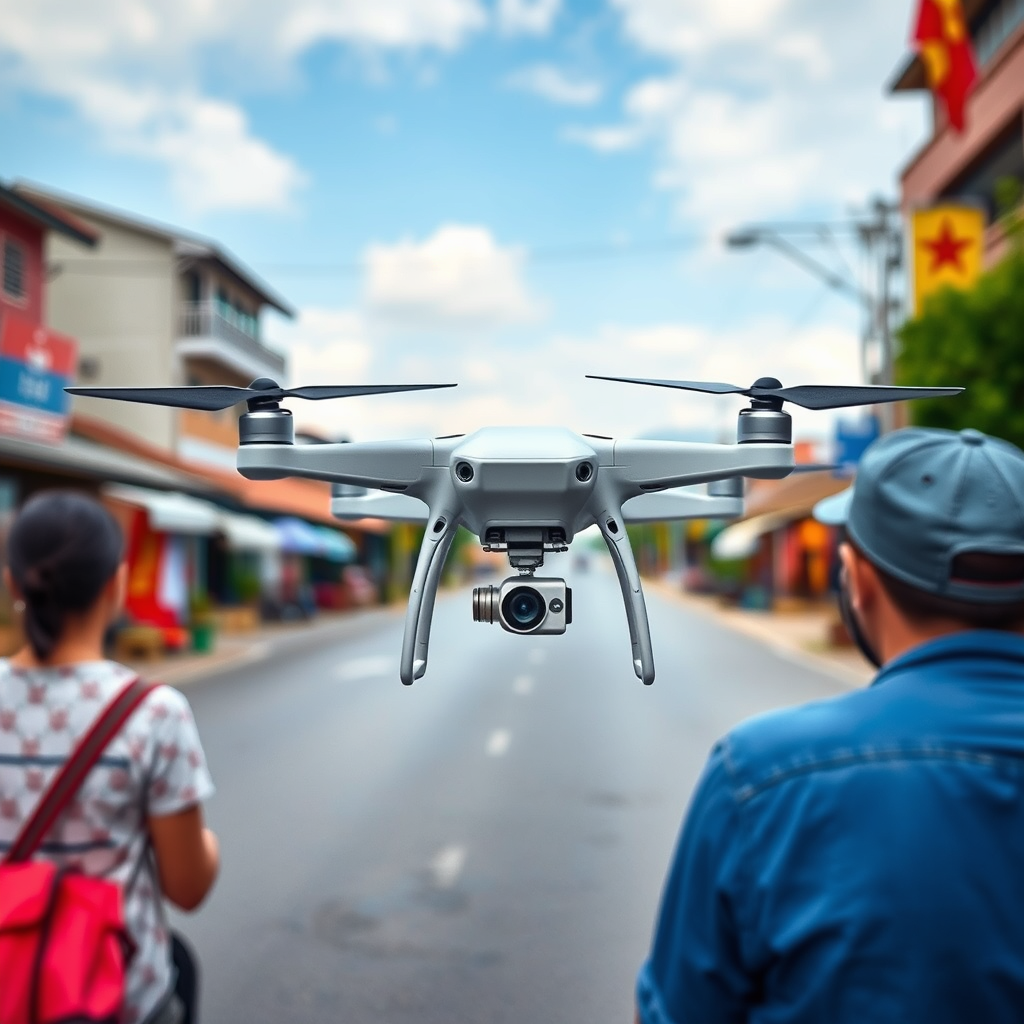
Vietnam has established a comprehensive framework governing the use of drones to ensure safety and security within its airspace. Drones weighing more than 0.25 kg (approximately 0.55 lbs) require registration with the Ministry of Transport. This process involves submitting an application that includes details about the drone, such as its weight, make, and model. It is essential to begin this registration process well in advance of your trip, as it may take time for the authorities to process your application.
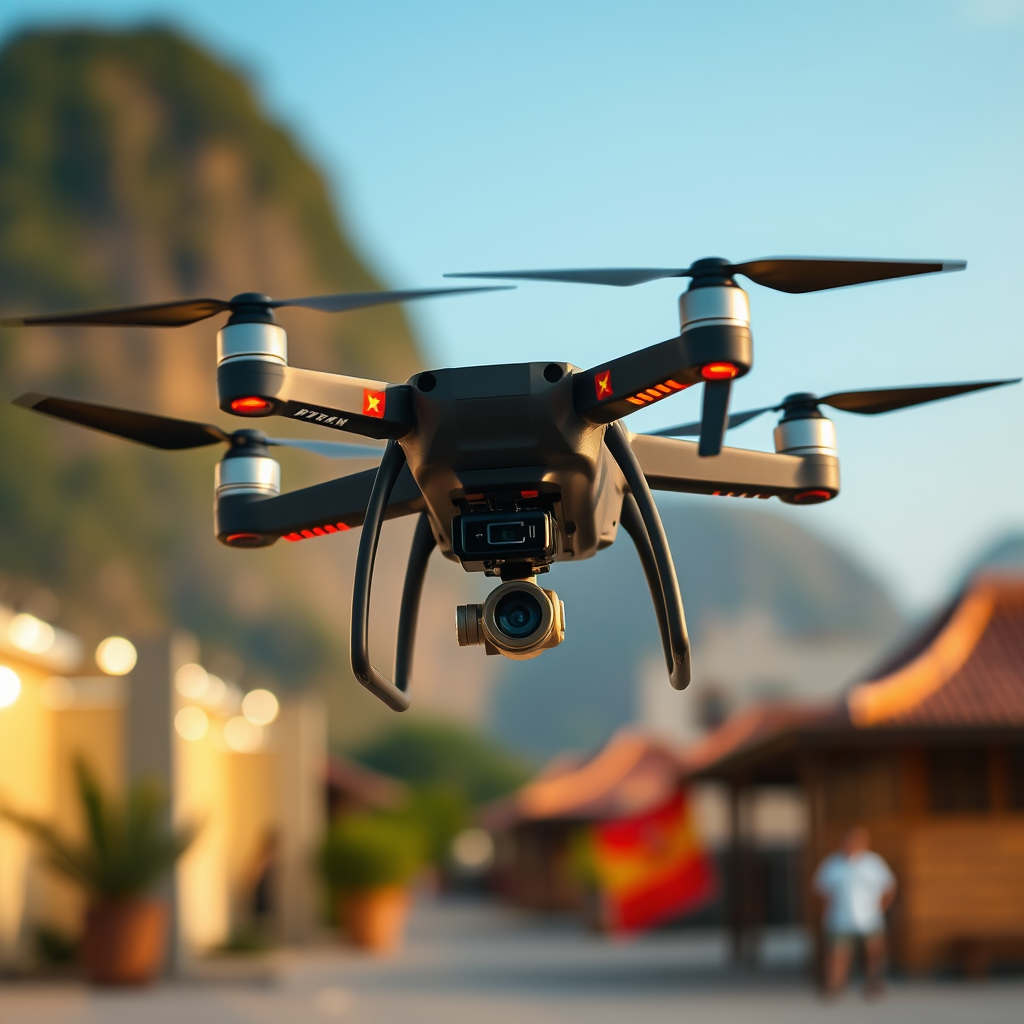
For those intending to use drones for commercial purposes—such as photography services, videography, or aerial surveys—there are additional regulations in place. Commercial drone usage is heavily regulated and requires obtaining specific permits from the Vietnamese government. This often involves demonstrating the intended use of the drone and may require adherence to stricter operational guidelines. Failing to comply with these regulations can lead to significant fines or legal consequences.
Required Documentation
When traveling to Vietnam with your drone, ensuring that you have the appropriate documentation is paramount. Always carry a copy of your drone registration, which serves as proof of compliance with local regulations. It is advisable to have both physical and digital copies accessible in case of inspections by authorities.
For those engaged in commercial drone activities, a letter of approval from the relevant Vietnamese governmental agencies is mandatory. This letter should outline the scope of your drone operations and confirm that you have obtained the necessary permissions. Without this documentation, you risk being prohibited from flying your drone or facing severe penalties, including confiscation of equipment.
Drone Restrictions in Certain Areas
Vietnam is home to numerous sites of cultural, historical, and ecological significance, many of which have restrictions on drone operations. Major cities like Hanoi and Ho Chi Minh City have designated no-fly zones to ensure public safety and privacy. Additionally, military zones and sensitive locations such as government buildings are strictly off-limits for drone flights.
National parks and wildlife reserves also impose flight restrictions to protect the natural environment and the species that inhabit these areas. It is crucial to conduct thorough research on specific locations where you plan to fly your drone. Resources such as local government websites or drone community forums can provide up-to-date information on no-fly zones and any temporary restrictions that may be in place.
Insurance and Liability Considerations
Having liability insurance for your drone is highly advisable, especially when traveling abroad. This insurance can protect you against financial loss resulting from accidents or damages caused by your drone. In Vietnam, the potential penalties for causing harm to individuals, property, or the environment can be steep, and having insurance can mitigate these risks.
Before traveling, it is important to understand the laws regarding drone liability in Vietnam. Familiarize yourself with the potential penalties associated with drone-related incidents, which can include fines, confiscation of the drone, or even legal action. Consulting with an insurance provider experienced in international travel can help you navigate these complexities and ensure you are adequately covered.
Best Practices for Drone Usage in Vietnam
To promote responsible drone usage in Vietnam, adhering to best practices is essential. First and foremost, respect local privacy laws and cultural sensitivities. Engaging with locals and seeking permission before capturing images in residential areas or during cultural events can foster goodwill and prevent misunderstandings.
Moreover, avoid flying near crowded areas, such as markets, festivals, or public gatherings, to reduce the risk of accidents. It is also wise to avoid flying over private properties without explicit permission from the owners. Being respectful and mindful of your surroundings not only enhances your experience but also upholds the integrity of drone operators in the country.
Tips for Traveling with Your Drone
When preparing to travel with your drone, proper packing is vital to prevent damage during transit. Use a sturdy, padded case specifically designed for your drone model to ensure protection against impacts. Additionally, consider removing the battery from the drone during travel, as this can help avoid accidental activation and comply with airline regulations regarding lithium batteries.
Before arrival, familiarize yourself with both local laws and customs to avoid any unintentional violations. Engage with online communities or forums where other drone enthusiasts share their experiences in Vietnam. This can provide insights into the latest regulations, popular flying locations, and tips for navigating local challenges.
In conclusion, while you can bring your drone to Vietnam, adhering to the regulations and guidelines is essential for a hassle-free experience. Properly registering your drone, securing the necessary documentation, and respecting local laws will enable you to capture stunning aerial views of this beautiful country without encountering legal issues. By preparing adequately and staying informed about the rules governing drone usage, you can enjoy a rewarding flying experience while contributing to a positive image of drone operators in Vietnam.
Frequently Asked Questions
Can I take my drone to Vietnam for personal use?
Yes, you can take your drone to Vietnam for personal use, but you must comply with local regulations. Before traveling, ensure that you have the necessary documentation, including proof of ownership and any required permits. Additionally, it’s essential to familiarize yourself with Vietnam’s drone laws, as certain areas, especially near airports and government buildings, may have restrictions on drone flights.
What are the regulations for flying a drone in Vietnam?
In Vietnam, drone regulations stipulate that you must register your drone with the Civil Aviation Authority of Vietnam (CAAV) if it weighs over 0.25 kg. You also need to obtain a permit for commercial use and follow strict guidelines regarding where you can fly your drone. It’s crucial to avoid flying in crowded areas or near sensitive locations to ensure compliance and safety.
How do I register my drone before visiting Vietnam?
To register your drone in Vietnam, you must submit an application to the Civil Aviation Authority of Vietnam. This includes providing details about your drone, such as its specifications and purpose of use. It’s advisable to start this process well in advance of your trip, as it may take time to process your registration and obtain the necessary permits.
Why is it important to check local laws before flying my drone in Vietnam?
Checking local laws before flying your drone in Vietnam is crucial to avoid legal issues and potential fines. Vietnam has specific regulations that can vary by region, and ignorance of these rules could lead to confiscation of your drone or legal penalties. Ensuring compliance not only protects your investment but also contributes to safe and responsible drone usage in the country.
What are the best practices for flying a drone in Vietnam?
The best practices for flying a drone in Vietnam include always flying below 120 meters, maintaining a visual line of sight, and avoiding crowded areas or restricted zones. It’s also recommended to check local weather conditions and obtain permission from property owners if you intend to fly over private land. Respecting local customs and being aware of cultural sensitivities can enhance your experience while ensuring safe drone operation.
References
- https://www.gov.uk/foreign-travel-advice/vietnam
- https://travel.state.gov/content/travel/en/international-travel/International-Travel-Country-Information-Pages/Vietnam.html
- https://www.faa.gov/uas/travel_vietnam/
- https://www.wired.com/story/what-you-need-to-know-about-drones-in-vietnam/
- https://www.reuters.com/article/us-vietnam-drone-idUSKCN1RZ1CD
