
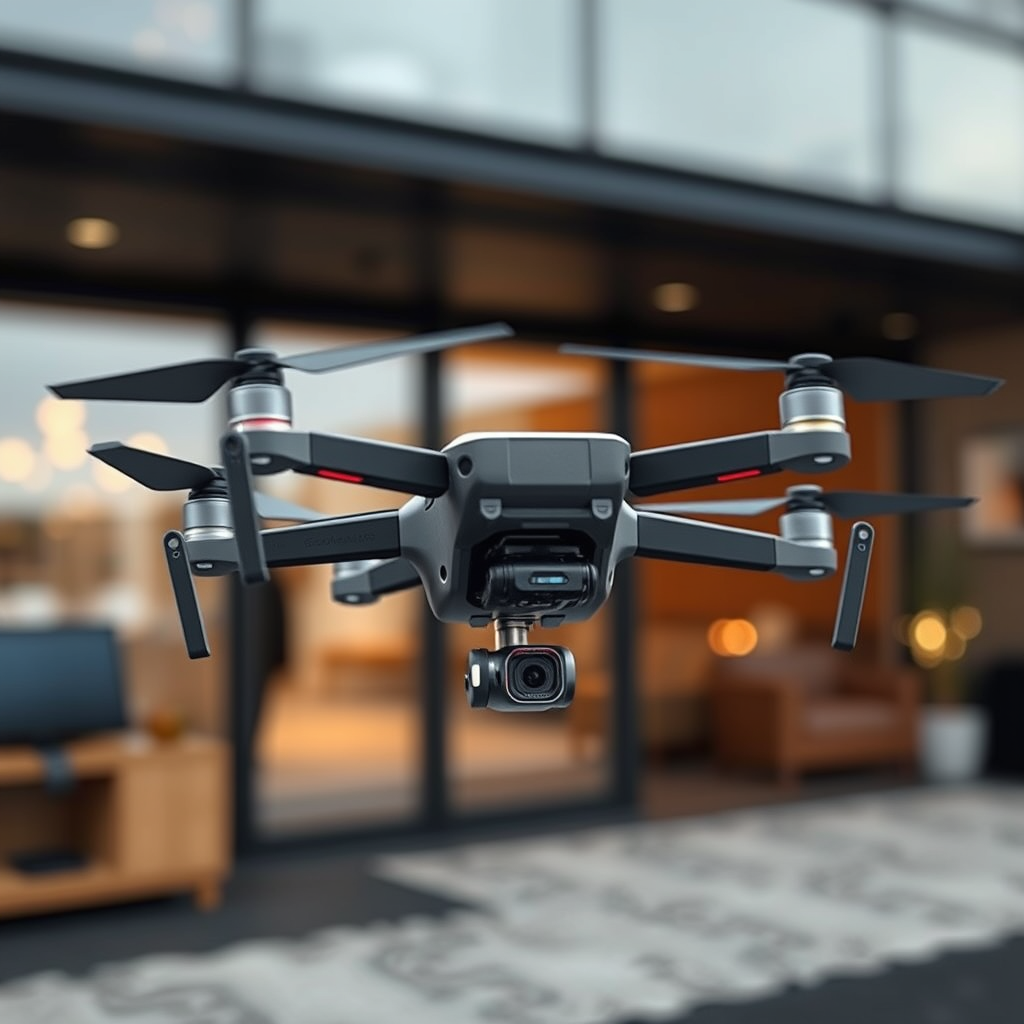
Yes, you can use a drone in Iceland, but there are specific regulations and guidelines you must follow to ensure safety and compliance. The breathtaking landscapes and unique geological features of Iceland present perfect opportunities for stunning aerial photography, but it’s crucial to navigate the legal framework governing drone usage. This article will explore the rules, restrictions, and best practices for flying drones in this stunning country.
Overview of Drone Regulations in Iceland
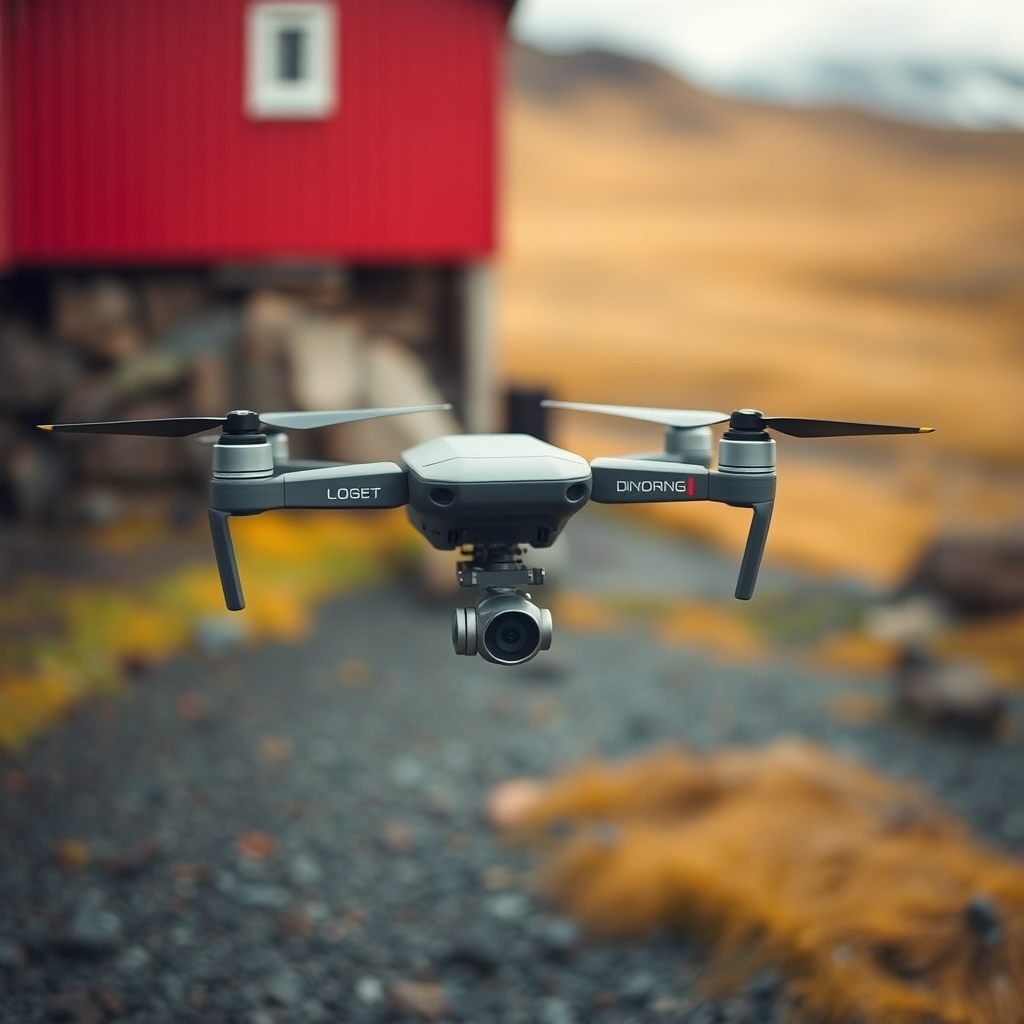
In Iceland, the use of drones is regulated by specific laws that ensure both public safety and the protection of the environment. Drones weighing over 250 grams must be registered with the Icelandic Transport Authority, enabling authorities to track and manage drone activity more effectively. This registration process is straightforward and requires the operator to provide personal information and details about the drone.
Pilots must also maintain visual line-of-sight with their drone at all times, which means you should always be able to see your drone without the aid of binoculars or other optical devices. This regulation is in place to prevent collisions with other aircraft and to ensure the safety of people on the ground. Furthermore, drone operators should be aware of altitude restrictions, which typically limit flights to a maximum of 120 meters (approximately 394 feet) above ground level.
No-Fly Zones and Restricted Areas
Understanding where you can and cannot fly your drone is crucial for compliance with Icelandic laws. Certain areas are designated as no-fly zones, including national parks, nature reserves, and regions near airports. For instance, areas like Þingvellir National Park and Vatnajökull National Park have strict regulations to protect wildlife and preserve the natural landscape. It’s essential to check local regulations and signage before flying in any area, as restrictions may change based on environmental considerations or specific events.
Additionally, drones should not be flown within a certain radius of airports, which includes both international and regional airports. The proximity to these airports is a significant concern for air traffic safety, and the Icelandic Transport Authority provides detailed maps outlining these restricted areas.
Required Permits and Licenses
For commercial drone operators, obtaining a special permit from the Icelandic Transport Authority is mandatory. This process involves a thorough review of the proposed drone operations and may include submitting an operational plan detailing the intended use of the drone, safety measures, and flight paths. Commercial operators are also required to have liability insurance to cover any potential damages or accidents that may occur during their operations.
On the other hand, hobbyists generally do not need a specific license to fly a drone; however, it is highly advisable for them to familiarize themselves with the rules and guidelines set forth by the authorities. Responsible flying not only ensures compliance but also enhances the safety of both the operator and the public.
Best Practices for Flying Drones in Iceland
When flying drones in Iceland, it’s essential to adhere to best practices that promote safety and respect for the environment. One of the most important considerations is to respect wildlife, particularly when flying near nesting areas or habitats of endangered species. The disturbance of wildlife can have detrimental effects on populations and ecosystems, so it is critical to maintain a respectful distance and avoid flying over sensitive areas.
Weather conditions in Iceland can change rapidly, and drone pilots should be well-prepared for unexpected shifts. Strong winds, rain, and fog can affect drone stability and visibility, making it imperative to check weather forecasts and be ready to adjust or abort flights as necessary. Additionally, flying during daylight hours is recommended to enhance visibility and ensure a safer flying experience.
Popular Drone Photography Locations
Iceland is home to some of the most breathtaking landscapes in the world, making it a paradise for drone enthusiasts. Iconic sites such as Gullfoss and Skogafoss waterfalls offer stunning backdrops for aerial photography, showcasing the sheer power and beauty of nature. The dramatic cliffs and serene waters create a perfect canvas for capturing the essence of Icelandic scenery.
The Reykjanes Peninsula, known for its geothermal activity and unique lava formations, also presents fantastic opportunities for drone photography. The colorful landscapes and rugged coastlines can be captured from a bird’s-eye view, revealing the intricate details often missed from the ground. Similarly, Vatnajökull National Park, with its massive glaciers and dramatic ice formations, is an extraordinary place to capture the stark contrasts that define Iceland’s natural beauty.
Drone Insurance and Liability
As a responsible drone operator, it is prudent to consider obtaining drone insurance to protect against potential damages or accidents that may occur while flying. This insurance can cover various liabilities, including property damage and personal injury, providing peace of mind during your aerial adventures. Understanding your liability as a drone operator is crucial; in the event of an accident, you may be held responsible for damages caused by your drone.
It’s important to read the policy details carefully to ensure adequate coverage for your needs. Many insurance companies offer tailored plans for drone operators, taking into account the specific risks associated with flying in diverse environments like those found in Iceland.
In summary, while using a drone in Iceland is permissible, adhering to regulations and respecting nature are crucial. Always prepare thoroughly, familiarize yourself with local laws, and stay informed about the changing conditions in the dynamic Icelandic landscape. By following these guidelines, you can enjoy capturing the breathtaking beauty of Iceland from above while ensuring a safe and responsible flying experience.
Frequently Asked Questions
What are the regulations for flying a drone in Iceland?
In Iceland, drone regulations are governed by the Icelandic Transport Authority (ICETRA). Drone operators must adhere to specific rules, including flying below 120 meters (approximately 394 feet), maintaining visual line of sight, and avoiding populated areas and private property without permission. Additionally, it’s essential to check for temporary flight restrictions and respect nature conservation areas, as many popular tourist sites have specific regulations for drone use.
How can I obtain permission to fly a drone in Iceland’s national parks?
To fly a drone in Iceland’s national parks, you typically need to seek permission from the relevant authorities managing that specific park. For example, Þingvellir National Park and Vatnajökull National Park have strict regulations regarding drone use. You can usually find the necessary contact information on the park’s official website or the Icelandic Environment Agency, where you may need to submit a request detailing your intended use and flight location.
Why is it important to follow drone regulations in Iceland?
Following drone regulations in Iceland is crucial for several reasons. Firstly, it ensures the safety of both the operator and the public, minimizing the risk of accidents and injuries. Secondly, respecting wildlife and the pristine natural environment helps preserve Iceland’s unique landscapes and ecosystems, which are often fragile. Lastly, adhering to regulations avoids potential fines and legal issues, allowing you to enjoy your drone flying experience without complications.
What are the best locations to fly a drone in Iceland?
Some of the best locations to fly a drone in Iceland include the stunning landscapes of the South Coast, such as the waterfalls Seljalandsfoss and Skógafoss, as well as the dramatic black sand beaches of Reynisfjara. The rugged terrain of the Snæfellsnes Peninsula and the geothermal areas around Geysir also provide breathtaking aerial views. However, always check local regulations and obtain necessary permissions before flying in these areas to ensure compliance with the law.
Which drones are recommended for flying in Iceland’s weather conditions?
When flying a drone in Iceland, it’s advisable to choose models known for their durability and wind resistance, as the weather can be unpredictable. Drones like the DJI Mavic Air 2 and the DJI Phantom 4 Pro are popular choices due to their robust build and excellent stabilization features. Additionally, ensure that your drone has a reliable battery life to accommodate the longer flights needed to capture Iceland’s expansive landscapes, while also keeping in mind the potential for sudden weather changes.
References
- https://www.icelandtravel.is/blog/drone-regulations-in-iceland/
- https://www.visitsouthiceland.com/travel-tips/drone-use-in-iceland
- https://www.researchgate.net/publication/331879097_Drones_in_Iceland_Opportunities_and_Challenges
- https://www.aviation.govt.nz/rules/regulatory-requirements/
- https://www.tourism.is/plan/drone-regulations-in-iceland
- https://www.wildlife.is/drone-guidelines/
- https://www.nationalparks.gov/park-management/drone-regulations
- https://www.kulturarv.is/en/news/using-drones-in-iceland
