
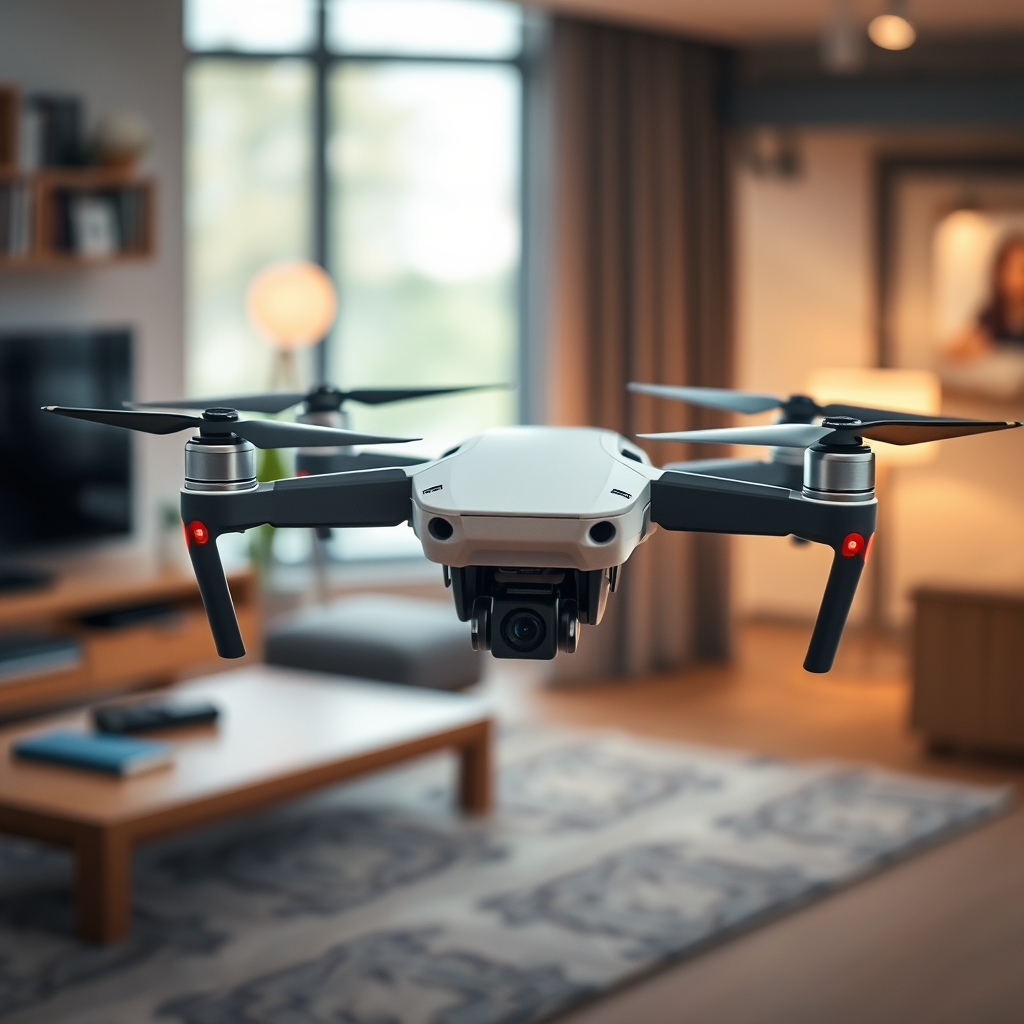
Yes, you can use a drone in your area, but there are specific regulations and guidelines you must follow to ensure safe and legal operation. Understanding local laws, airspace restrictions, and safety concerns is crucial for responsible drone usage. This blog post will provide a comprehensive overview of the key considerations you need to keep in mind before taking to the skies with your drone.
Understanding Local Drone Regulations
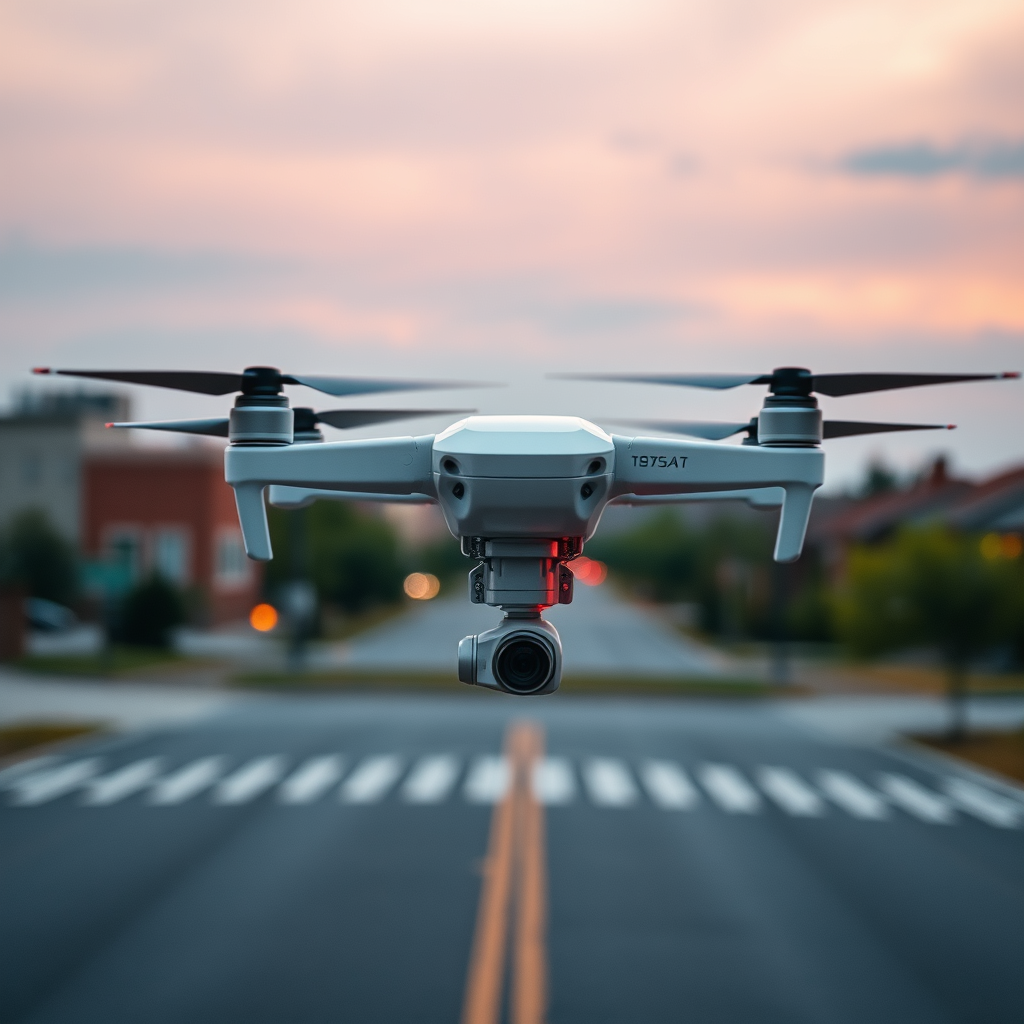
Before flying your drone, it’s essential to check the local laws governing drone usage, as these can vary significantly by region. Many municipalities have specific ordinances that dictate where and when drones can be flown. For instance, some cities may prohibit drone flights in public parks or crowded urban areas. In the United States, the Federal Aviation Administration (FAA) establishes overarching rules that all drone operators must adhere to, including registration requirements based on the weight of the drone. It is advisable to visit the FAA’s official website or consult local government resources to stay informed about the latest regulations. Additionally, if you are operating commercially, you will need to obtain a Remote Pilot Certificate issued by the FAA.
Airspace Classifications
Understanding airspace classifications is crucial for safe drone operation. In the U.S., airspace is categorized as controlled or uncontrolled, with various subcategories such as Class A, B, C, D, and E. Controlled airspace typically surrounds airports and requires special permissions for drone flights, while uncontrolled airspace does not have such stringent regulations. For example, flying a drone near a busy airport in Class B airspace may necessitate prior authorization from air traffic control. Conversely, in rural areas where the airspace is classified as uncontrolled, pilots may have more flexibility, but they should still remain cautious and adhere to any local restrictions. Understanding these classifications can help you identify where you can and cannot fly your drone safely and legally.
No-Fly Zones
Researching no-fly zones is a critical step in planning your drone flight. These areas are designated by federal and local authorities to protect sensitive locations, such as airports, military bases, and national parks. For instance, flying a drone near an airport can pose serious safety risks and may result in severe penalties, including fines and the confiscation of equipment. National parks often have strict regulations against drone usage to protect wildlife and preserve the natural environment. To assist drone pilots, various drone apps, like DJI’s Fly Safe or AirMap, provide up-to-date maps and information about restricted areas. Utilizing these resources ensures that you remain compliant with regulations and helps you avoid unintentional violations.
Safety Guidelines for Drone Operation
Safety should always be a top priority when operating a drone. A fundamental guideline is to maintain a visual line of sight with the drone at all times during flight. This practice helps you monitor your drone’s position and avoid obstacles, ensuring both your safety and that of others nearby. Additionally, you should be mindful of privacy laws, which can vary by location. For instance, flying a drone over private property without the owner’s consent may lead to legal disputes or complaints. It’s advisable to seek permission before flying over someone’s property, particularly if you plan to capture images or videos. Other safety considerations include avoiding flying in adverse weather conditions, adhering to altitude limits (typically no higher than 400 feet), and staying away from crowds to minimize risks of accidents.
Insurance and Liability Considerations
As a responsible drone operator, it’s important to consider obtaining liability insurance to protect yourself against potential damages or accidents that may occur while flying your drone. While not legally required, liability insurance can safeguard you from costly claims resulting from property damage or personal injury. Some insurance providers offer specialized drone insurance, which can cover a range of incidents, including theft, crash damage, and third-party liability. Furthermore, check if your drone manufacturer provides any coverage for accidents or damages that may occur during normal operation. Having comprehensive insurance can provide peace of mind, allowing you to focus on your flying experience without excessive worry about unforeseen liabilities.
Community Resources and Support
Joining local drone clubs or online forums can significantly enhance your drone flying experience. These communities often provide valuable insights, tips, and support for both novice and experienced pilots. By engaging with other drone enthusiasts, you can share experiences and learn best practices that can help you improve your skills and knowledge. Additionally, many communities host workshops, meet-ups, and events that provide opportunities for hands-on learning and networking. Participating in these gatherings can help you stay updated on industry trends and regulations while also fostering relationships with fellow drone pilots who share your passion.
In conclusion, while you can use a drone in your area, it is essential to be well-informed about local regulations and safety practices. Understanding the various classifications of airspace, identifying no-fly zones, and adhering to safety guidelines are critical components of responsible drone usage. Additionally, considering insurance options and engaging with community resources can enhance your overall experience and ensure that you operate within the legal framework. By conducting thorough research and staying updated on any changes to drone laws, you can enjoy a safe and fulfilling flying experience.
Frequently Asked Questions
What are the legal requirements for using a drone in my area?
The legal requirements for using a drone vary by location, but generally, you must adhere to regulations set by national aviation authorities, such as the FAA in the United States. This includes registering your drone if it weighs over 0.55 pounds, following specific altitude limits, and maintaining a line of sight while flying. Additionally, some areas may have restrictions regarding flying near airports, public events, or sensitive locations, so it’s crucial to check local laws and regulations before operating your drone.
How can I find out if there are no-fly zones in my area for drones?
To determine if there are no-fly zones for drones in your area, you can use various online resources such as the FAA’s B4UFLY app, which provides real-time information about airspace restrictions. Additionally, local government websites or drone mapping services often list specific no-fly zones, including parks, military bases, and urban areas. Always ensure to stay updated, as regulations may change based on temporary flight restrictions (TFRs) or new local laws.
Why is it important to check drone regulations before flying?
Checking drone regulations before flying is crucial to ensure compliance with local laws and to avoid legal repercussions, such as fines or confiscation of your equipment. Non-compliance can lead to safety risks, including drone collisions or disturbances in controlled airspace, which could endanger people and property. Moreover, understanding these regulations promotes responsible drone use, enhancing the overall safety and enjoyment of the hobby for all users.
What are the best practices for flying a drone in urban areas?
The best practices for flying a drone in urban areas include thoroughly checking local regulations, maintaining a safe distance from people and buildings, and avoiding congested areas. It’s also advisable to fly during times of lower air traffic and to use a drone equipped with technology that helps avoid obstacles. Ensuring you have the proper permissions from local authorities or property owners can also prevent conflicts and enhance the flying experience in crowded environments.
Which resources can help me understand drone laws specific to my location?
Several resources can assist you in understanding drone laws specific to your location, including government aviation websites like the FAA for U.S. residents and equivalent authorities in other countries. Additionally, online communities, forums, and local drone clubs can provide insights and updates on regulations affecting your area. Furthermore, legal assistance from professionals who specialize in aviation law can offer personalized guidance tailored to your specific situation.
References
- https://www.faa.gov/uas/getting_started/using_drone
- https://www.nasa.gov/feature/what-you-need-to-know-about-drones
- https://en.wikipedia.org/wiki/Drone
- https://www.nrcan.gc.ca/science-data/science-research/earth-sciences/geomatics/drone-usage/19962
- https://www.faa.gov/uas/
- https://www.aclu.org/news/privacy-technology/2021/06/what-you-need-to-know-about-drone-privacy-rights
- https://www.droneadvocacy.org/resources/
- https://www.ucsusa.org/resources/drones-and-privacy-issues
