
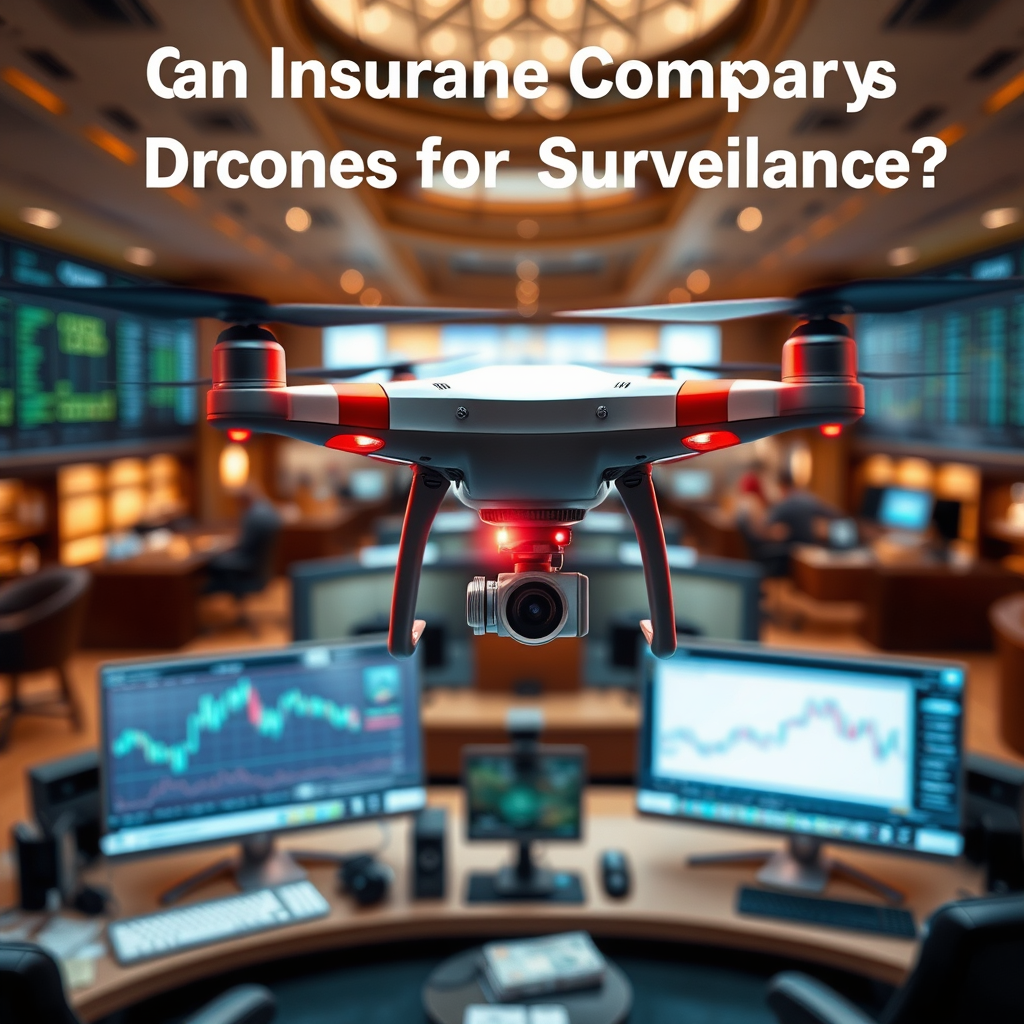
Yes, insurance companies can use drones for surveillance, provided they comply with legal regulations and privacy concerns. Drones offer a cost-effective way to assess claims and monitor risk, but their use raises important ethical and legal questions. As the technology continues to evolve, insurers are increasingly leveraging drones to enhance operational efficiency, improve data accuracy, and expedite claims processing. However, this integration of aerial technology into the insurance landscape necessitates a thorough understanding of applicable regulations and the ethical implications tied to privacy.
Understanding Drone Surveillance in Insurance
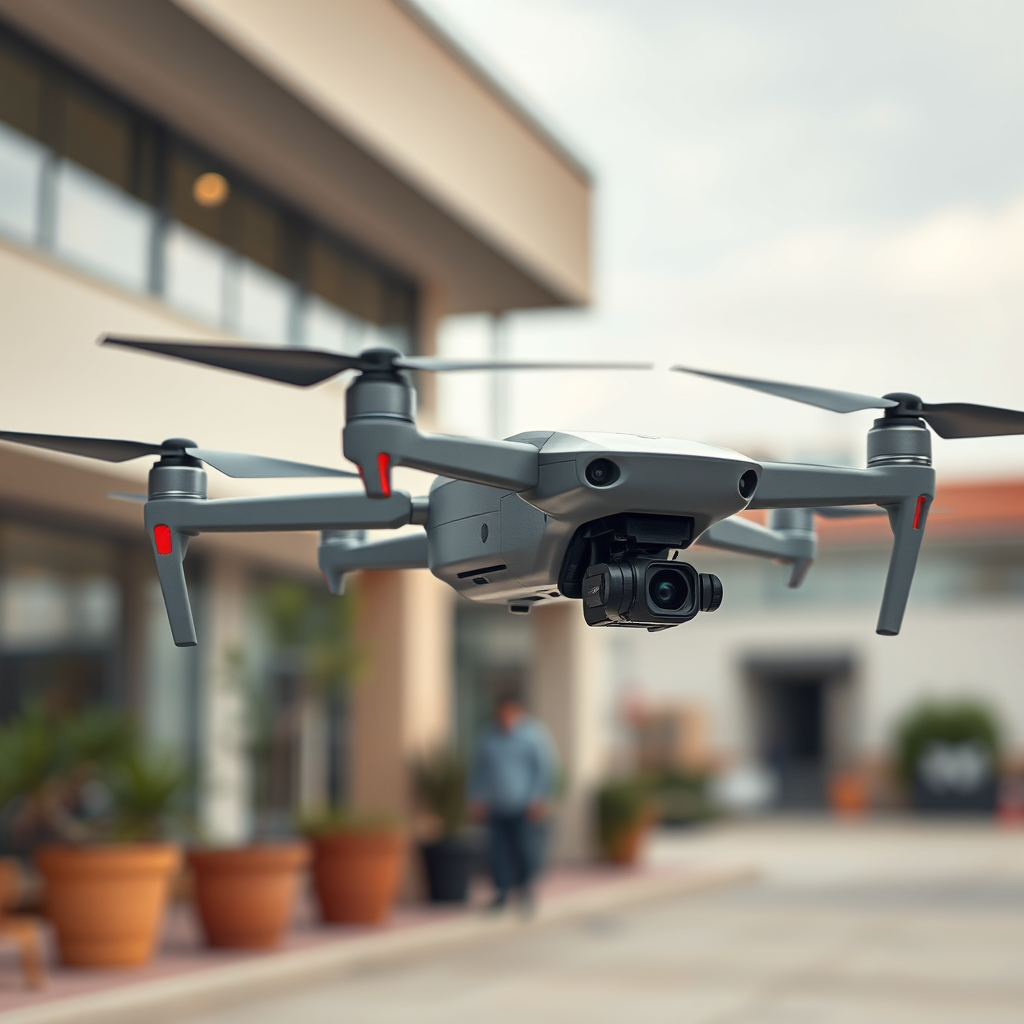
Drones have emerged as a transformative tool in various industries, including agriculture, construction, and insurance. In the insurance sector, they are primarily used for surveillance, risk assessment, and claims evaluation. By capturing high-resolution aerial images and videos, drones allow insurers to perform detailed inspections of properties, assess damage after natural disasters, and evaluate risks associated with specific locations without the need for extensive manpower or expensive equipment.
The technology behind drone surveillance includes advanced imaging capabilities, GPS navigation, and automated flight patterns, which enhance data collection efforts. Drones can cover large areas quickly and provide real-time data that is invaluable for decision-making processes in claims management. For example, after a severe storm, an insurance company can deploy drones to evaluate damage in affected neighborhoods, greatly reducing the time required for claims assessments and improving customer satisfaction.
Legal Regulations Governing Drone Use
The Federal Aviation Administration (FAA) plays a crucial role in regulating drone use in the United States, particularly for commercial applications, including those in the insurance industry. According to FAA guidelines, insurance companies must obtain specific licenses to operate drones commercially. This includes adhering to regulations regarding flight altitudes, airspace restrictions, and the use of visual observers to ensure safety during operations.
In addition to federal regulations, state-specific laws may also impact how insurance companies can deploy drones. Certain states have enacted privacy laws that restrict the use of drones for surveillance purposes, particularly in residential areas. For instance, some jurisdictions require insurance companies to obtain consent from property owners before conducting aerial inspections. Insurers must stay informed about these regulations to mitigate legal risks and ensure compliance with both federal and state laws.
Privacy Concerns and Ethical Implications
The deployment of drones for surveillance raises significant privacy concerns among the public. Many individuals view drone surveillance as an invasion of privacy, particularly when it involves residential properties. The perception of being constantly monitored can lead to public backlash against insurance companies that utilize drone technology, potentially harming their reputation and customer trust.
Balancing risk assessment with ethical responsibility is vital for insurers using drones. Insurance companies must establish clear policies and guidelines that address privacy concerns, ensuring that drone footage is used solely for legitimate purposes, such as assessing claims or evaluating risk. Transparency is key; insurers should communicate their drone usage policies to customers and seek consent when necessary. Engaging with the community and addressing concerns can help build trust and foster a positive public perception of drone surveillance.
Benefits of Using Drones in Insurance Claims
Utilizing drones in insurance claims offers numerous benefits, particularly in terms of efficiency and accuracy. One of the most significant advantages is the ability to conduct faster assessments of property damage. Drones can quickly capture aerial imagery of affected areas, allowing adjusters to evaluate damage without the delays associated with traditional inspection methods. This rapid assessment can be especially crucial in the aftermath of natural disasters, where timely claims processing can significantly alleviate policyholders’ financial burdens.
Moreover, the accuracy of data collected via drones enhances the integrity of the claims process. Drones are equipped with advanced imaging technology that can capture detailed visual data, minimizing the potential for human error during inspections. This increased accuracy not only leads to fairer claims processing but also helps insurers identify fraudulent claims more effectively. By leveraging high-quality aerial data, insurers can ensure that payouts are commensurate with the actual damage incurred, ultimately benefiting both the insurer and the insured.
Challenges and Limitations of Drone Surveillance
Despite the advantages, there are challenges and limitations associated with drone surveillance in the insurance sector. Technical limitations, such as battery life and weather conditions, can affect the effectiveness of drone operations. For instance, adverse weather conditions like heavy rain or strong winds can impede drone flights, delaying assessments and potentially hindering the claims process.
Additionally, there is the potential for misuse or misinterpretation of drone-collected data. If drone footage is not analyzed correctly or if it is used inappropriately, it can lead to inaccurate risk assessments or unfair claims denials. Insurers must invest in training and resources to ensure that their personnel are equipped to handle and interpret drone data accurately, safeguarding against these pitfalls.
Future Trends in Drone Use for Insurance
The future of drone use in the insurance industry is poised for growth and innovation. Emerging technologies, such as artificial intelligence (AI) and machine learning, are expected to enhance the functionalities of drones, allowing for more advanced data analysis and predictive modeling. For instance, AI algorithms can analyze aerial imagery to assess property conditions or identify potential hazards, providing insurers with deeper insights into risk management.
Moreover, as drone technology continues to evolve, insurers may adopt more sophisticated drones equipped with thermal imaging capabilities, enabling them to detect issues such as heat loss or structural weaknesses that are not visible to the naked eye. Predictions suggest that drone surveillance will become increasingly integrated into the claims process, with insurers leveraging their capabilities to streamline operations and improve customer experiences further.
In conclusion, while the use of drones for surveillance by insurance companies can enhance efficiency and accuracy, it is crucial to navigate the legal, ethical, and privacy-related challenges that come with this technology. As the industry continues to embrace drone technology, stakeholders must engage in ongoing discussions to establish best practices and ensure responsible usage. By doing so, insurers can maximize the benefits of drone surveillance while maintaining public trust and compliance with regulatory frameworks.
Frequently Asked Questions
Can insurance companies legally use drones for surveillance?
Yes, insurance companies can legally use drones for surveillance, but they must comply with federal, state, and local regulations. The Federal Aviation Administration (FAA) governs drone usage in the United States, requiring operators to have appropriate licenses and permissions. Additionally, insurance companies need to respect privacy laws and obtain proper consent if they are capturing images on private property.
What are the benefits of using drones for insurance claims assessments?
Drones offer several benefits for insurance claims assessments, including enhanced accuracy and efficiency. They can quickly capture high-resolution images and data from hard-to-reach areas, such as rooftops or large properties, which improves the assessment process. Furthermore, drones can significantly reduce the time and labor costs associated with traditional inspection methods, leading to faster claim resolutions for policyholders.
How do drones improve the efficiency of property inspections for insurance claims?
Drones improve the efficiency of property inspections by allowing adjusters to collect detailed aerial imagery without the need for ladders or scaffolding. This technology enables a comprehensive view of the property and can quickly identify damage or hazards that may not be visible from the ground. As a result, insurance companies can expedite the claims process, ensuring timely service for their clients.
Why might an insurance company choose to use drones instead of traditional inspection methods?
An insurance company might choose to use drones over traditional inspection methods due to the cost-effectiveness, safety, and speed they offer. Drones minimize the risks associated with manual inspections, such as climbing heights or navigating hazardous environments. They also provide a more comprehensive view of the property, allowing adjusters to make informed decisions quickly, which ultimately enhances customer satisfaction.
Which types of insurance claims benefit most from drone surveillance?
Drone surveillance is particularly beneficial for property and casualty insurance claims, including those related to natural disasters, roof damage, and large commercial properties. Claims involving auto accidents and agricultural losses can also leverage drone technology for accurate assessments. By utilizing drones, insurance companies can gather precise data that aids in fair and prompt settlements.
References
- https://www.nytimes.com/2021/08/30/business/drones-insurance.html
- https://www.bbc.com/news/business-57726386
- https://www.faa.gov/uas/
- https://www.insurancejournal.com/news/national/2021/06/14/632098.htm
- https://www.nasdaq.com/articles/drones-in-insurance-why-the-future-is-bright-2021-06-30
- https://www.lexology.com/library/detail.aspx?g=7d491c5c-20b3-4e83-8f4b-8d3c806bc3b4
- https://www.ncbi.nlm.nih.gov/pmc/articles/PMC8030767/
- https://www.theverge.com/2021/5/4/22417945/drones-insurance-surveillance-privacy-issues
- https://www.organicconsumers.org/news/drones-and-privacy-issues-are-they-next-big-thing-insurance-industry
- https://www.usatoday.com/story/money/2021/06/23/drones-insurance-industry/5352847001/
