

Yes, military drones can be detected by radar, but their ability to evade detection varies based on factors such as their size, design, and operational altitude. As military technology evolves, understanding these elements becomes crucial for both military strategists and defense analysts to enhance detection capabilities and counter-drone measures.
Understanding Radar Technology
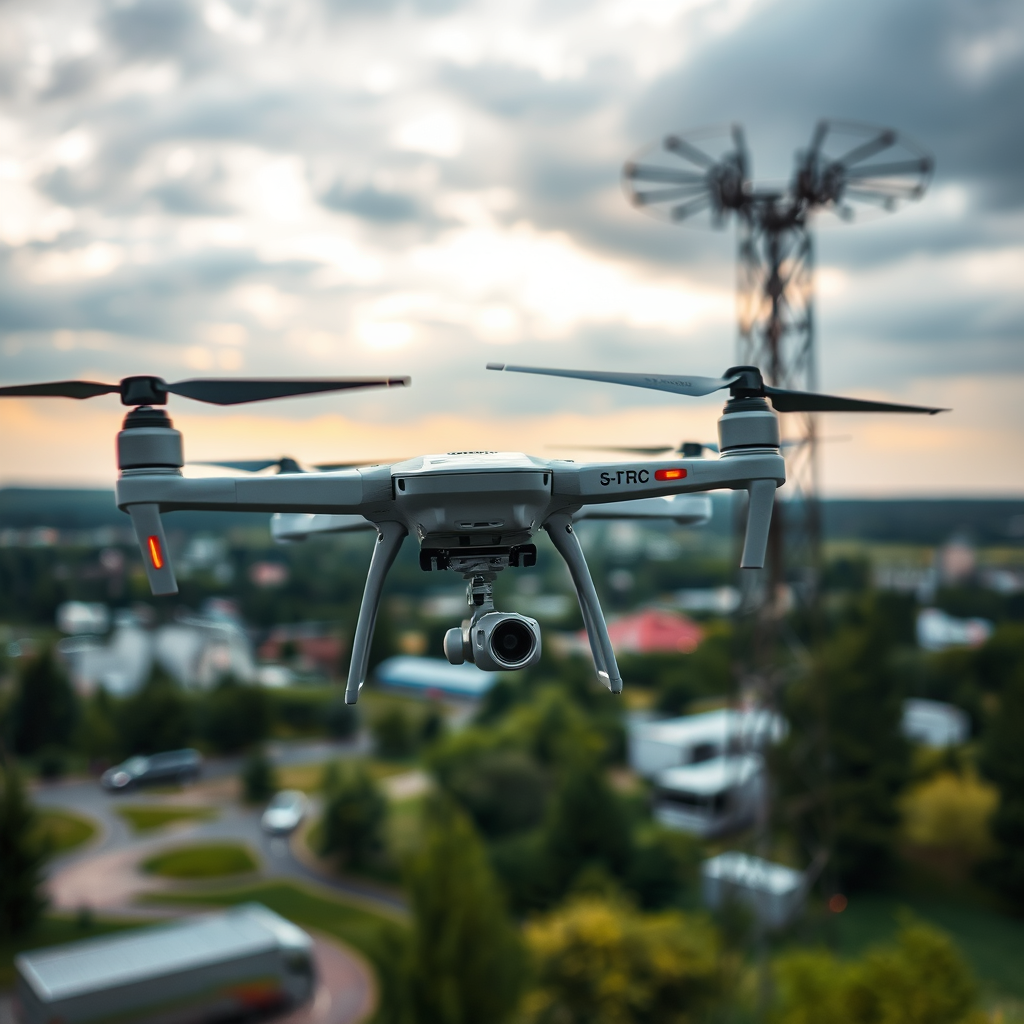
Radar technology is a cornerstone of modern detection systems, employing radio waves to identify objects and determine their distance from the radar source. By emitting pulses of radio waves and analyzing the reflected signals, radar systems can discern the size, shape, and speed of an object, allowing operators to track everything from aircraft to ground vehicles. Different types of radar systems serve various functions in military operations, including search radar, which scans broad areas for potential threats, and tracking radar, which narrows in on specific targets once identified. These systems can operate in various frequency bands, each with its advantages and limitations regarding range and resolution.
For military applications, radar systems have been widely integrated with advanced technologies such as doppler processing and phased array systems, enabling them to detect fast-moving objects like drones more effectively. Understanding the nuances of radar technology is essential for grasping how military drones can be detected, as well as the limitations encountered in challenging environments.
Types of Military Drones
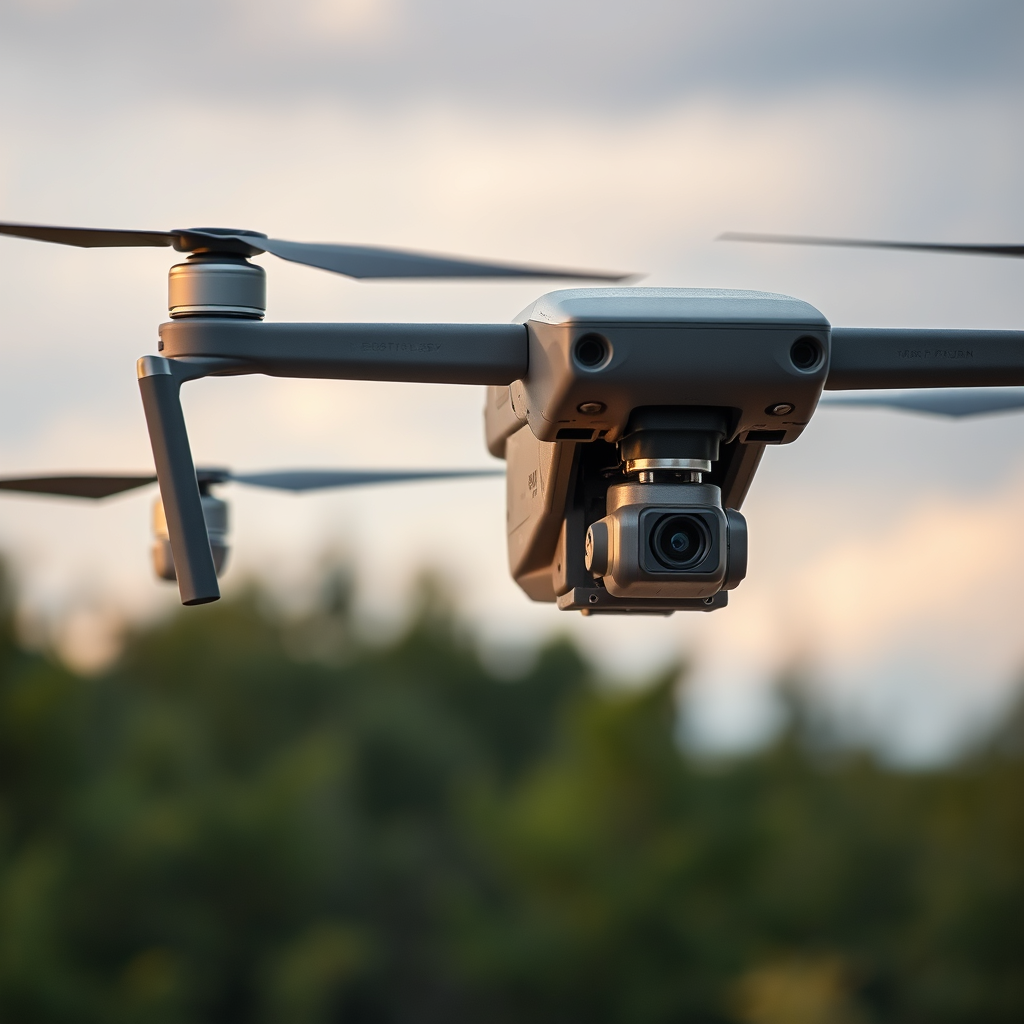
Military drones, or unmanned aerial vehicles (UAVs), come in various sizes and functions, significantly influencing their radar signatures. Larger, more traditional drones, such as the MQ-9 Reaper, are generally easier to detect due to their size and the larger surface area they present to radar systems. In contrast, smaller drones like the RQ-11 Raven, designed for intelligence, surveillance, and reconnaissance (ISR) missions, typically have a reduced radar cross-section, making them more challenging targets for detection.
Furthermore, the operational roles of these drones also dictate their design and stealth capabilities. For instance, combat drones are often equipped with enhanced stealth features to avoid enemy radar, while surveillance drones may prioritize endurance and payload capacity over low observability. This diversity in design underscores the complexity of drone detection, as each type may require different strategies to effectively identify and track.
Stealth Technology in Drones
Stealth technology plays a crucial role in enhancing the evasion capabilities of military drones. Many modern UAVs are engineered with features that minimize their radar visibility. These include special radar-absorbent materials (RAM) that can absorb radar waves rather than reflecting them back, as well as angular designs that scatter incoming waves away from the radar source.
For example, the Northrop Grumman RQ-180, a stealth drone, employs a combination of these techniques, resulting in a significantly reduced radar cross-section compared to conventional drones. Additionally, some drones are designed to operate at specific frequencies that are less likely to be monitored by traditional radar systems, further complicating detection efforts. The integration of these stealth features highlights the ongoing arms race between drone manufacturers and detection technology developers.
Factors Influencing Detection
Several factors influence the detection of military drones, with altitude being one of the most significant. Drones operating at lower altitudes may be more challenging for radar systems to detect due to the curvature of the Earth and the presence of obstructions such as buildings and trees. For instance, flying under the radar, both literally and figuratively, is a common tactic employed by insurgent groups using small drones to evade detection during reconnaissance missions.
Moreover, environmental conditions, including weather, terrain, and atmospheric conditions, greatly affect radar performance. Heavy rain, fog, or snow can attenuate radar signals, reducing their effectiveness in detecting aerial targets. Similarly, mountainous or densely built-up urban environments can create radar shadows, where drones may evade detection by flying in areas that are obstructed from radar view. Understanding these factors is essential for military planners to develop effective counter-drone strategies and to improve existing radar systems.
Detection Techniques Beyond Radar
While radar is a primary tool for detecting military drones, it is not the only method available. Complementary technologies include infrared sensors, which can detect the heat signatures of drones, and acoustic sensors that pick up the sound of drone propellers. Each method has its strengths and weaknesses, and when used in combination, they enhance the overall detection capabilities.
Multi-sensor fusion is an advanced approach that integrates data from multiple detection systems to create a comprehensive picture of the airspace. For example, a military installation may employ radar, infrared, and acoustic sensors together to track drone movements more accurately and to distinguish between friendly and hostile UAVs. This layered approach not only improves detection rates but also enhances situational awareness, enabling timely response measures when threats are identified.
Countermeasures Against Detection
Military drones can employ various tactics to avoid detection by radar systems. One common strategy is to fly at low altitudes, using terrain features as cover to minimize radar exposure. Additionally, drones can utilize electronic countermeasures, such as jamming or spoofing, to disrupt radar signals. For instance, some drones are equipped with technologies that emit signals mimicking their own location, misleading radar systems and allowing the UAV to evade identification.
Understanding these countermeasures is critical for military organizations aiming to enhance their detection capabilities. As drone technology continues to evolve, so too must the strategies to detect and neutralize them. Continuous training and development of new tactics will be essential for staying ahead of potential threats.
Future of Drone Detection Technology
The future of drone detection technology is poised for significant advancements. Ongoing research is focused on improving radar and sensor technologies to enhance detection accuracy and response times. Innovations such as artificial intelligence (AI) and machine learning are being integrated into detection systems, enabling real-time data analysis and quicker identification of threats.
For instance, AI algorithms can analyze vast amounts of data from multiple sensors to identify patterns and predict drone behavior, enhancing the ability to track UAVs in complex environments. Furthermore, advancements in sensor miniaturization and integration will likely lead to the development of more sophisticated detection networks capable of monitoring large areas with greater efficiency. As these technologies mature, they will play a vital role in the future of military operations, providing enhanced security and situational awareness.
In conclusion, while military drones are detectable by radar, their design and operational tactics significantly influence their visibility. Factors such as size, stealth technology, altitude, and environmental conditions all contribute to the complexities of drone detection. As technology progresses, so too will the methods used to detect these advanced aerial vehicles, necessitating continual adaptation and innovation in defense strategies. Staying informed about developments in drone technology and detection systems is essential for maintaining a strategic edge in modern warfare.
Frequently Asked Questions
Can military drones be detected by radar?
Yes, military drones can be detected by radar, but their level of detectability varies based on several factors, including the drone’s size, design, and operating altitude. Some military drones are designed with stealth technology to minimize their radar cross-section, making them harder to detect. However, conventional radar systems can still pick up larger drones, especially when they operate at lower altitudes or in non-stealth configurations.
What radar technologies are most effective for detecting military drones?
The most effective radar technologies for detecting military drones include phased array radar and synthetic aperture radar (SAR). Phased array radar provides high-resolution tracking capabilities, allowing for the detection of small, low-flying objects. SAR technology can also identify drones by using advanced imaging techniques, making it useful for surveillance and reconnaissance purposes in various weather conditions.
How do military drones evade radar detection?
Military drones evade radar detection using several techniques, including low-altitude flight, stealth coatings, and electronic warfare measures. By flying at lower altitudes, drones can stay beneath the radar horizon of conventional systems. Additionally, stealth coatings can help reduce radar reflections, while electronic countermeasures can jam or spoof radar signals, further enhancing their ability to avoid detection.
Why is it important for military drones to avoid radar detection?
Avoiding radar detection is crucial for military drones to enhance their operational effectiveness and ensure mission success. Stealthy operations allow drones to gather intelligence, conduct surveillance, or engage in combat without being targeted by enemy defenses. Reducing detectability also minimizes the risk of interception, which can lead to significant operational and strategic advantages on the battlefield.
Which military drones are known for their stealth capabilities against radar detection?
Some military drones renowned for their stealth capabilities include the Northrop Grumman RQ-180 and the Lockheed Martin RQ-170 Sentinel. These drones feature advanced design elements and materials that reduce their radar signatures, making them difficult to detect by conventional radar systems. Their stealth capabilities allow them to perform high-value missions in contested airspaces without being easily spotted or engaged by enemy air defenses.
References
- https://en.wikipedia.org/wiki/Military_drone
- https://www.reuters.com/article/us-usa-drones-insight-idUSKBN2A10QK
- https://www.bbc.com/news/world-us-canada-42187903
- https://www.armed-services.senate.gov/imo/media/doc/2019-07-11%20-%20Hearing%20on%20Drones%20and%20Counter-Drone%20Technologies.pdf
- https://www.ncbi.nlm.nih.gov/pmc/articles/PMC7155554/
- https://www.rand.org/pubs/research_reports/RR3092.html
- https://www.sciencedirect.com/science/article/abs/pii/S0957417419307103
- https://www.nap.edu/catalog/25341/drones-and-the-future-of-air-security
- https://www.military.com/equipment/military-drones.html
