
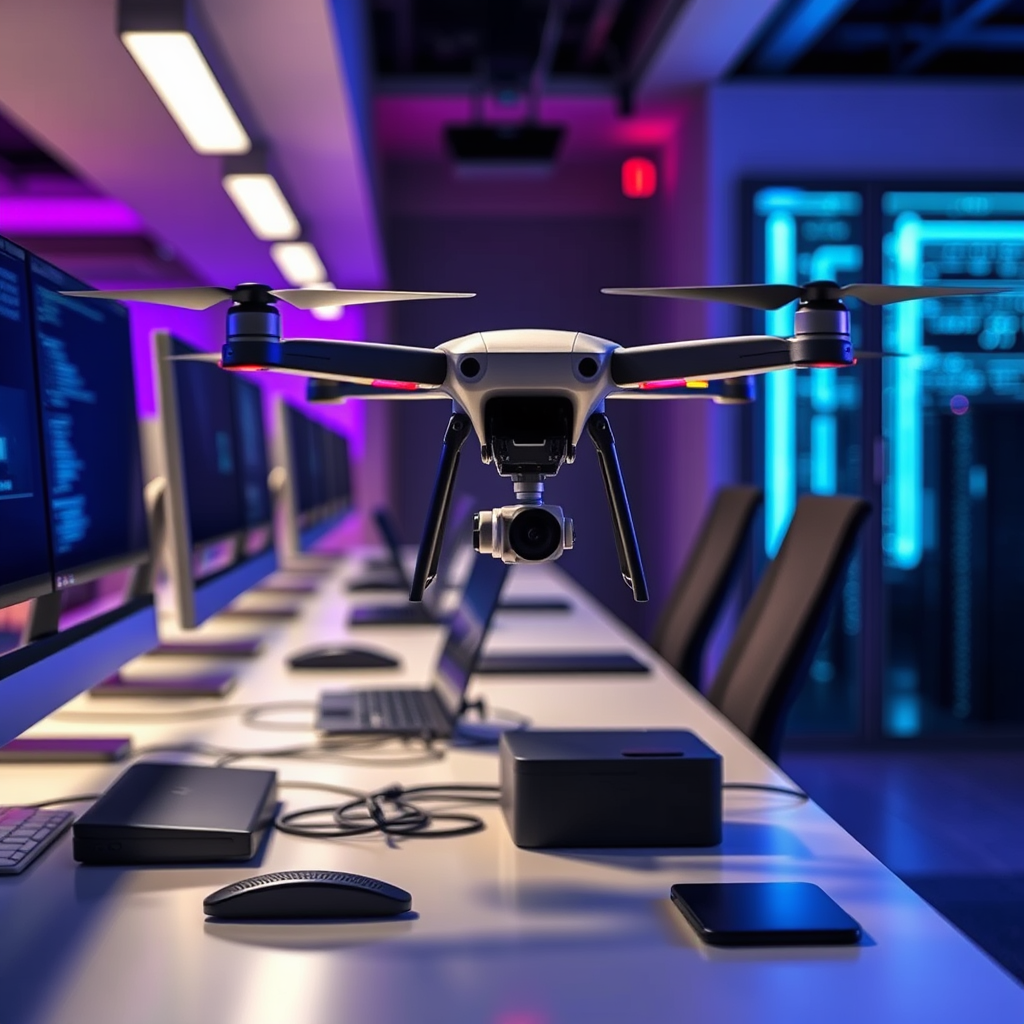
Yes, military drones can be jammed using various electronic warfare techniques. This capability raises significant concerns about their operational effectiveness and highlights the ongoing arms race in drone technology. As drones become an integral part of modern military operations, understanding the methods of jamming, the implications for military operations, and the evolving countermeasures becomes crucial for both military strategists and policymakers alike.
The Basics of Drone Operation
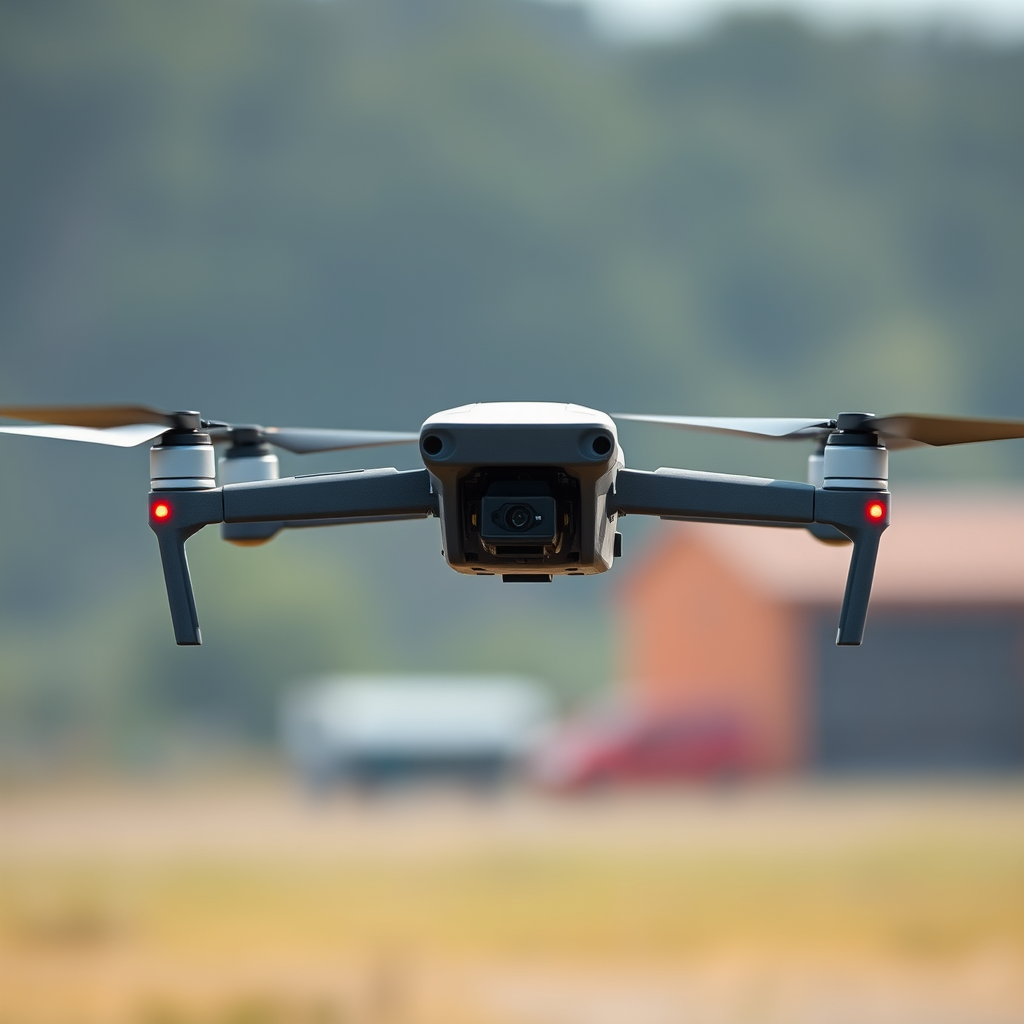
Military drones, often referred to as unmanned aerial vehicles (UAVs), rely heavily on Global Positioning System (GPS) signals and communication links for navigation and control. These systems work in tandem to ensure that drones can execute their missions effectively and return safely. The GPS provides critical location data that informs the drone of its positioning in relation to ground targets and other aircraft, while communication signals facilitate real-time data exchange between the drone and its operators. Disrupting these signals can lead to loss of control, resulting in inaccurate positioning or complete system failure, which can jeopardize mission objectives and troop safety.
The reliance on these technologies underscores a significant vulnerability; adversaries can employ electronic warfare tactics to disrupt the operational capabilities of drones. Understanding the mechanics of these systems is essential for assessing the risks associated with their jamming.
Types of Jamming Techniques
The effectiveness of jamming military drones can be categorized into two primary types: GPS jamming and communication jamming.
– GPS Jamming: This technique disrupts the satellite signals essential for navigation. By emitting radio frequency signals on the same frequency as the GPS satellites, jammers can create interference that prevents drones from accurately determining their location. For instance, during the Syrian Civil War, reports emerged of GPS jamming being utilized against U.S. military drones, showcasing the real-world implications of this tactic.
– Communication Jamming: This method targets the data links between the drone and its operators. Drones typically rely on radio frequencies for command and control (C2) communications. By disrupting these signals, adversaries can sever the connection, rendering the drone unable to receive instructions or transmit data back to operators. For example, during military operations, electronic warfare units can employ sophisticated jamming devices to create a communication blackout, significantly hampering reconnaissance and targeting operations.
Both types of jamming present unique challenges and require specific countermeasures to mitigate their effects.
Potential Consequences of Jamming Drones
The consequences of jamming military drones can be severe and multifaceted. First and foremost, the loss of situational awareness for operators can have dire implications on the battlefield. When communication links are severed, operators may lose the ability to monitor the drone’s position and status, leading to confusion and potential mission failure.
Additionally, the risk of friendly fire incidents increases when drones are jammed. In the chaos of warfare, a drone misidentified as a threat due to loss of communication could be engaged by friendly forces, leading to catastrophic consequences. Moreover, the loss of valuable assets, such as advanced reconnaissance drones, can result in a significant intelligence gap for military operations, allowing adversaries to gain the upper hand.
The repercussions extend beyond immediate operational concerns; they can shape strategic decisions and influence the overall outcome of military engagements.
Countermeasures Against Jamming
To combat the threats posed by jamming, military forces are investing in a range of countermeasures.
– Use of Advanced Encryption Techniques: Protecting communication signals through encryption can help safeguard against unauthorized interception and jamming. By employing robust encryption protocols, militaries can ensure that even if jamming occurs, the data being transmitted remains secure and can be restored once normal operations resume.
– Implementation of GPS-Denied Navigation Systems: Developing alternative navigation systems that do not rely solely on GPS is critical for maintaining operational capabilities in contested environments. Technologies such as inertial navigation systems (INS) or visual odometry can provide drones with the necessary data to navigate effectively without GPS signals. These systems can utilize a combination of sensors and algorithms to track movement and position accurately, ensuring mission continuity even under jamming conditions.
By integrating these countermeasures, militaries can enhance the resilience of drone operations in the face of electronic warfare threats.
Legal and Ethical Considerations
The use of jamming technology in military operations raises important legal and ethical questions. The legality of jamming within conflict zones and civilian areas is a complex issue governed by international laws and treaties. For instance, the use of GPS jamming could inadvertently affect civilian aircraft or infrastructure, leading to unintended consequences that challenge the principles of proportionality and distinction in armed conflict.
Moreover, the ethical implications of employing jamming technology against adversaries must be carefully considered. While it may provide a tactical advantage, the potential for collateral damage and harm to non-combatants raises moral dilemmas that military leaders must grapple with. Ensuring that jamming techniques are used responsibly and in compliance with international law is essential to maintaining legitimacy and support for military operations.
The Future of Drone Warfare
As drone technology continues to advance rapidly, the arms race between drone capabilities and jamming techniques is set to intensify. Ongoing advancements in artificial intelligence, machine learning, and autonomous systems will enable drones to operate with greater autonomy and resilience against jamming. Additionally, the development of counter-jamming technologies—such as systems designed to detect and neutralize jamming signals—will become increasingly important.
Militaries worldwide must remain vigilant and adaptable to these evolving threats. This necessitates not only investing in new technologies but also fostering a culture of innovation that encourages the exploration of unconventional strategies to counter electronic warfare tactics. Collaboration between defense contractors, government agencies, and academic institutions will be crucial in driving the research and development needed to stay ahead in this dynamic landscape.
In conclusion, while military drones can indeed be jammed, the implications of such actions are complex and multifaceted. The ongoing arms race in drone technology and electronic warfare underscores the necessity for militaries to adapt to evolving threats and countermeasures. Understanding the risks associated with jamming, along with the legal and ethical considerations, is crucial for ensuring effective and responsible military operations in the future. As technology evolves, so too must the strategies to protect and counter jamming efforts, making it imperative for stakeholders to stay informed about the latest developments in drone technology and electronic warfare.
Frequently Asked Questions
Can military drones be jammed and how effective is this method?
Yes, military drones can be jammed using electronic warfare techniques designed to disrupt their communication and control signals. The effectiveness of jamming depends on several factors, including the type of drone, the jamming technology used, and the operational environment. More advanced military drones often have built-in resilience to jamming, utilizing frequency-hopping spread spectrum technology to minimize the risk of signal interference.
What are the common methods used to jam military drones?
Common methods to jam military drones include radio frequency jamming, GPS jamming, and spoofing techniques. Radio frequency jamming disrupts the drone’s control signals, while GPS jamming interferes with the drone’s navigation system, potentially causing it to lose its way. Spoofing, on the other hand, sends false signals to the drone, tricking it into following incorrect commands. Each method has its own advantages and challenges in operational contexts.
Why is jamming military drones a critical concern for security?
Jamming military drones poses a significant concern for security because it can neutralize their surveillance capabilities and disrupt military operations. As drones become increasingly integral to modern warfare and reconnaissance, the ability to jam these systems can give adversaries a tactical advantage. This concern drives the development of counter-jamming technologies and strategies to ensure operational integrity and mission success.
How can military forces protect their drones from being jammed?
Military forces can protect their drones from being jammed by employing advanced communication systems, using frequency-hopping techniques, and incorporating redundancy in their navigation systems. Additionally, utilizing secure communication channels and real-time signal analysis can help detect and mitigate jamming attempts. Continuous research and development in electronic warfare countermeasures are essential to stay ahead of potential jamming threats.
Which military drones are most susceptible to jamming?
Generally, smaller and less sophisticated military drones are more susceptible to jamming compared to larger, advanced systems. Drones that rely heavily on GPS for navigation or those with limited signal resilience are particularly vulnerable. However, as technology evolves, many military drones are being equipped with anti-jamming capabilities, making them increasingly resistant to disruption. Understanding the vulnerabilities of specific drone models is crucial for both adversaries and military strategists.
References
- https://en.wikipedia.org/wiki/Military_drone
- https://www.reuters.com/technology/us-military-drone-jamming-2021-03-24/
- https://www.bbc.com/news/world-us-canada-53315978
- https://www.defense.gov/Explore/News/Article/Article/2442959/us-military-experiments-with-drone-jamming-technology/
- https://www.rand.org/pubs/research_reports/RR2845.html
- https://www.sciencedirect.com/science/article/abs/pii/S0160791X19303742
- https://www.nato.int/cps/en/natolive/topics_84180.htm
- https://www.csis.org/analysis/future-drone-jamming-capabilities
