
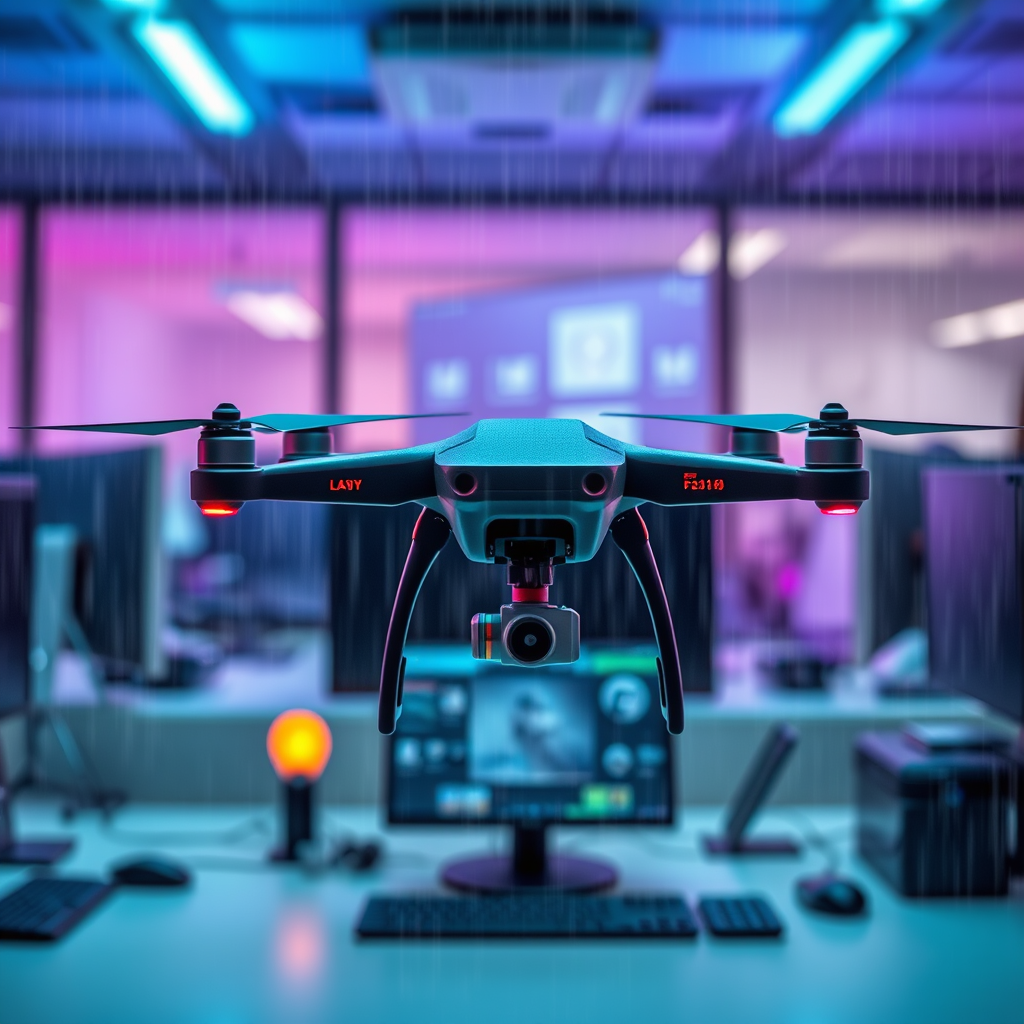
Military drones can fly in light rain, but performance may be affected in heavy rain or adverse weather conditions. The ability of these unmanned aerial vehicles (UAVs) to operate effectively in wet environments hinges on several factors, including design, technology, and operational protocols. As military forces increasingly rely on drones for reconnaissance, surveillance, and combat missions, understanding their limitations in different weather conditions is essential for maximizing their effectiveness.
Understanding Military Drone Design
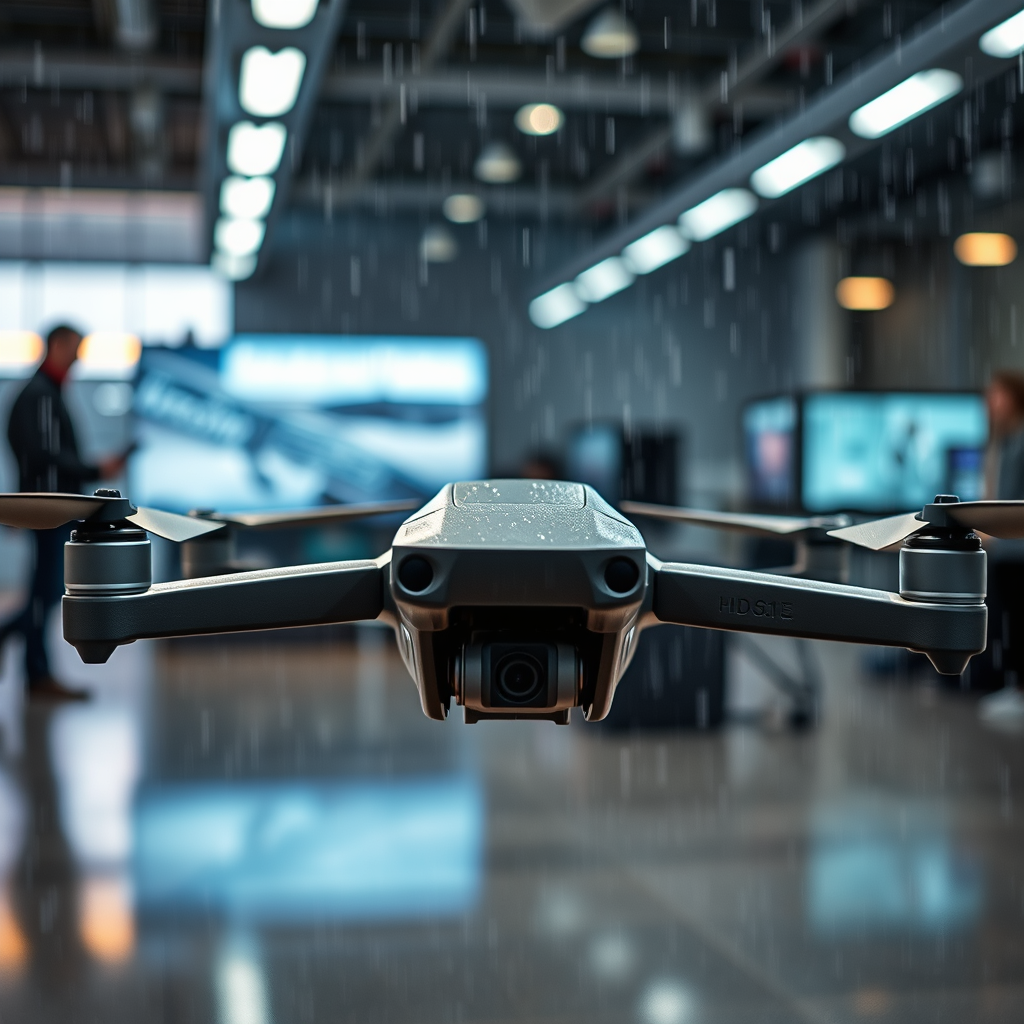
Military drones are engineered with varying levels of weather resistance, which is crucial for their operational reliability in diverse environments. The design of these drones often incorporates materials and structures that can withstand certain environmental factors, including wind, moisture, and extreme temperatures. Key components, such as sensors, cameras, and electronics, are typically protected against moisture to prevent damage and ensure continued functionality.
For instance, many military drones are equipped with waterproof casings and gaskets that seal critical electronics from water ingress. This design consideration allows them to operate in light rain without significant risk of malfunction. However, while some high-end military drones, like the MQ-9 Reaper, exhibit advanced weather resistance, others may be more vulnerable to the elements. The variability in design underscores the importance of selecting the right drone for specific missions and weather conditions.
Effects of Rain on Drone Performance
The effects of rain on drone performance can vary significantly based on the intensity and duration of the precipitation. Light rain typically has minimal impact on flight capabilities, allowing drones to continue their missions with minor alterations to their operational parameters. For example, pilots may need to account for slightly reduced visibility or minor adjustments in sensor accuracy, but the overall flight remains stable.
Conversely, heavy rain can introduce several challenges that compromise drone performance. Increased moisture can lead to impaired visibility, making it difficult for drones to capture clear images or video. Additionally, sensors that rely on optical clarity may struggle to function properly, which can hinder reconnaissance missions. Heavy rain can also affect the aerodynamic stability of drones, leading to potential difficulties in maintaining altitude and control. As such, military operators must be acutely aware of weather forecasts and adjust their flight plans accordingly.
Types of Military Drones and Their Capabilities
Different military drones boast unique specifications regarding their operational thresholds in adverse weather conditions. For instance, some drones, such as the Northrop Grumman Global Hawk, are designed with advanced weather-resilient features, enabling them to operate in various climates, including rain and snow. These drones often have enhanced sensor capabilities that allow them to gather intelligence despite challenging weather.
On the other hand, smaller or older models may not have the same level of protection against the elements. Drones like the General Atomics MQ-1 Predator, which was used extensively in the early 2000s, lack significant weatherproofing and are often grounded during inclement weather. Therefore, military planners must carefully consider the types of drones deployed for missions, especially in regions where unpredictable weather patterns are common.
Operational Protocols in Adverse Weather
Military protocols are essential for ensuring the safe and effective use of drones in inclement weather. These protocols often dictate specific guidelines for when to ground drones based on prevailing weather conditions. Commanders and pilots are trained to evaluate weather forecasts and assess on-site conditions before deployment, ensuring that drones are only flown when conditions are deemed safe.
Additionally, military training emphasizes the importance of situational awareness regarding weather patterns. Pilots learn to interpret weather data and make informed decisions about whether to proceed with missions or delay them until conditions improve. Such protocols are vital not only for the safety of the drones but also for the success of the missions, as poor weather can significantly hinder operational objectives.
Case Studies: Drones Used in Rainy Conditions
Several military operations have successfully utilized drones in rainy conditions, demonstrating their adaptability and effectiveness. For example, during operations in Afghanistan, the U.S. Air Force deployed MQ-9 Reaper drones during rainy seasons to support ground troops. These missions highlighted the drones’ ability to gather intelligence and provide real-time support despite adverse weather.
Conversely, there are also instances where weather played a critical role in drone performance. In certain operations in Southeast Asia, heavy monsoon rains impeded drone missions, leading to mission cancellations or significant alterations in flight plans. These case studies illustrate the delicate balance between leveraging drone technology and recognizing its limitations, particularly in unpredictable weather environments.
Future Developments in Drone Technology
The future of military drone technology holds promise for improved weather resilience. Research and development efforts are focused on enhancing the materials and designs used in drone construction, with a particular emphasis on waterproofing and sensor advancements. Innovations such as self-heating components and improved aerodynamics are being explored to enhance drone performance in challenging weather conditions.
Moreover, the integration of advanced artificial intelligence (AI) could play a pivotal role in future drone capabilities. AI systems can process weather data in real-time, allowing drones to adapt their flight paths and operational strategies on-the-fly. This adaptability could minimize the impact of adverse weather and enhance mission success rates.
In conclusion, while military drones can operate in light rain, their performance is significantly compromised in heavy rain. Understanding the limitations imposed by weather conditions, along with advancements in drone technology, is crucial for informing better operational strategies. As military forces continue to evolve and adapt, ensuring that drones can function effectively in various weather scenarios will remain a priority, ultimately enhancing their capabilities on the battlefield.
Frequently Asked Questions
Can military drones operate in rainy weather conditions?
Yes, military drones are designed to operate in various weather conditions, including light to moderate rain. However, the extent to which they can fly in the rain depends on the drone’s specifications and capabilities. Most advanced military drones are equipped with weather-resistant features, but heavy rain can impact their performance, affecting visibility and sensor functionality.
How does rain affect the performance of military drones during missions?
Rain can significantly affect the performance of military drones by impacting their sensors and communication systems. Moisture can obstruct camera lenses, reduce GPS accuracy, and interfere with data transmission. Additionally, strong winds and heavy rain can compromise the stability and control of the drone, making it challenging to carry out precise operations.
Why are some military drones not recommended for use in heavy rainfall?
Some military drones are not recommended for use in heavy rainfall due to their sensitivity to moisture and potential damage to electronic components. Heavy rain can lead to water ingress, which can cause malfunctions or complete failure of the drone. Furthermore, the increased risk of losing the drone in inclement weather outweighs the potential benefits of flying in such conditions.
What are the best practices for flying military drones in rainy conditions?
The best practices for flying military drones in rainy conditions include checking the weather forecast before a mission and ensuring the drone is specifically rated for wet operations. Operators should avoid flying in heavy rain and monitor the drone’s performance closely during flight. Additionally, maintaining regular maintenance and ensuring that all seals and protective features are intact can help mitigate the risks associated with flying in wet weather.
Which military drones are specifically designed to handle adverse weather, including rain?
Some military drones, such as the MQ-9 Reaper and the RQ-4 Global Hawk, are specifically designed to withstand adverse weather conditions, including light rain. These drones feature advanced weather-resistant designs and robust sensors that allow them to operate effectively in challenging environments. It’s crucial for military operators to choose drones with weatherproofing capabilities when planning missions in potentially rainy conditions.
References
- https://en.wikipedia.org/wiki/Military_drone
- https://www.reuters.com/article/us-usa-drones-idUSKBN2A52JS
- https://www.bbc.com/news/technology-56892435
- https://www.sciencedirect.com/science/article/pii/S1877050921001638
- https://www.army.mil/article/257876/what_you_need_to_know_about_drones_in_rain_and_snow
- https://www.af.mil/News/Article/Article/2412920/drones-in-the-rain
- https://www.nytimes.com/2021/01/01/us/politics/drone-technology-military.html
- https://www.techrepublic.com/article/drones-and-weather-how-the-elements-affect-drones/
