
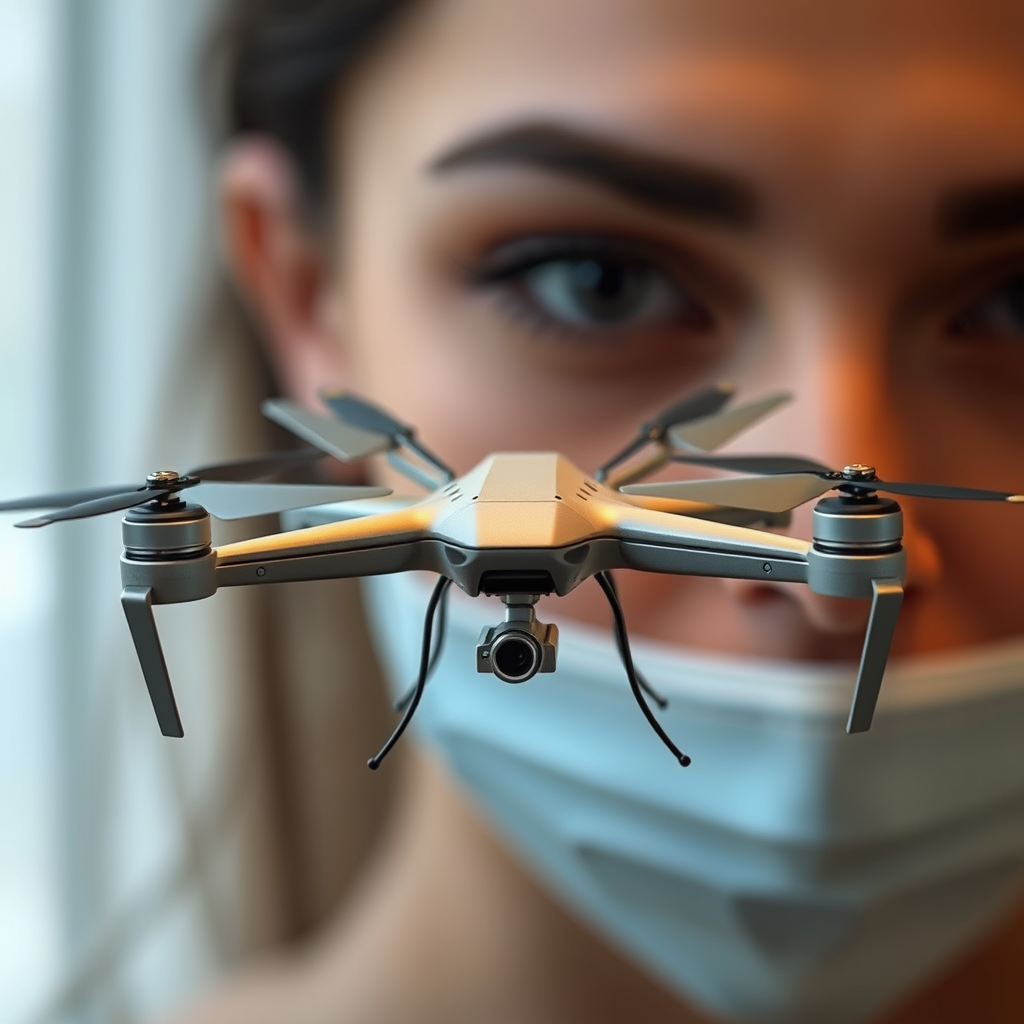
Yes, mosquitoes can potentially interact with drones, but the extent of their impact is minimal. While mosquitoes may be attracted to drones’ movements or sounds, they do not have the capacity to “pick up” drones in any meaningful way. This article delves into the dynamics between mosquitoes and drones, exploring interactions, implications, and research.
Understanding Mosquito Behavior
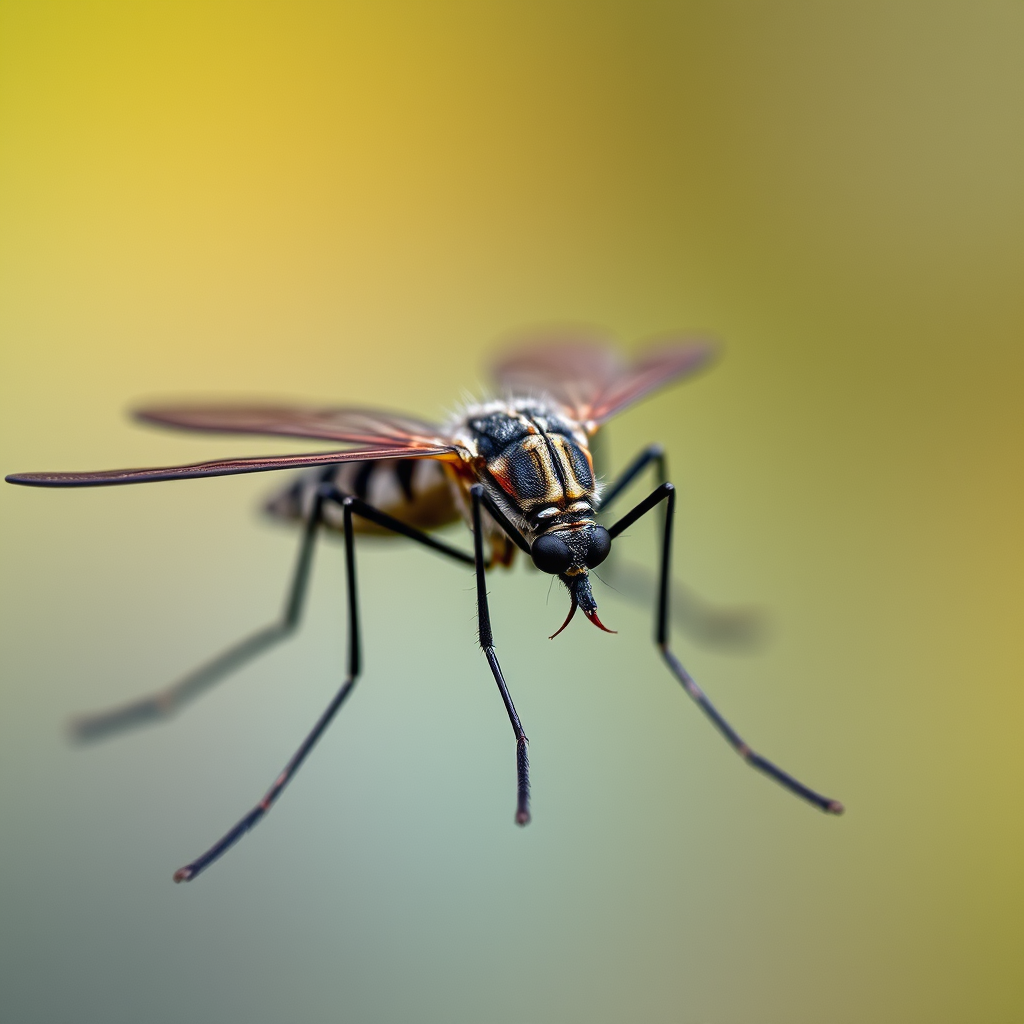
Mosquitoes are notoriously attracted to movement, heat, and carbon dioxide, all of which signal the presence of potential hosts. These small, flying insects utilize sophisticated sensory mechanisms to detect these stimuli from distances that can span several meters. The heat emitted from a drone’s motors, combined with the carbon dioxide released from any nearby humans or animals, can create an inviting environment for mosquitoes. Furthermore, mosquitoes are known to swarm around any object that moves, which includes drones. The sounds and vibrations created by drone propellers can mimic the disturbances caused by larger creatures, further enticing mosquitoes to investigate.
Understanding the sensory cues that attract mosquitoes is vital for drone operators, especially those using drones in outdoor environments. By recognizing the factors that draw mosquitoes in, operators can take precautionary measures to minimize unwanted interactions, ensuring both the safety of their equipment and the comfort of those in the vicinity.
The Mechanics of Drone Operation
Drones are typically lightweight and designed for stability and precision during flight. Their aerodynamic design allows them to navigate various environments effectively, from agricultural fields to urban landscapes. The physical capabilities of mosquitoes, however, limit their ability to affect drone flight. A mosquito’s body weight is merely a fraction of a gram, which is minuscule compared to the weight of a typical drone, often several hundred grams. Even if a mosquito were to land on a drone, the impact on its operation would be negligible.
Drones operate on principles of lift and thrust provided by their rotors, which are engineered to withstand various environmental factors. This means that while mosquitoes may swarm around drones, their interactions are unlikely to disrupt flight stability or functionality. The design and operational mechanics of drones render them impervious to any significant influence from mosquitoes.
Potential Interactions Between Mosquitoes and Drones
Mosquitoes may swarm around drones, causing distractions for both the operator and the drone itself. This phenomenon is particularly notable in areas with high mosquito populations, such as wetlands or dense vegetation. While a swarm may not physically impede a drone’s operation, it can create visual distractions for the operator, making it challenging to maintain focus on the flight path or the drone’s camera feed.
Additionally, there are instances where mosquitoes can land on drones. While they do not disrupt performance, their presence can be an annoyance, especially for operators conducting long-term missions. This is especially relevant in agriculture or ecological monitoring, where drones may be flown for extended periods in mosquito-prone areas. Understanding these potential interactions can help drone operators prepare for potential distractions and ensure their equipment remains effective.
Research on Insect-Drones Interactions
Research into how insects respond to aerial devices has gained traction as drone technology continues to evolve. Several studies have been conducted to observe insect behavior in the presence of drones, revealing interesting insights. Findings indicate that while insects—including mosquitoes—may exhibit curiosity towards aerial devices, they do not pose a significant threat to drone operations. For instance, a study published in the journal Insect Science found that insects tend to approach drones out of curiosity rather than aggression or predation.
Moreover, researchers are examining the potential for drones to be used as tools for monitoring insect populations and behaviors. By understanding how insects interact with drones, scientists can gather valuable data that may contribute to ecological research or pest management strategies. This burgeoning field of study not only highlights the curiosity of insects but also emphasizes the need for ongoing research to enhance drone functionality in various environments.
Implications for Drone Usage in Outdoor Environments
Drones used for agriculture or monitoring may encounter swarms of mosquitoes, which can affect the overall efficiency of operations. For instance, during agricultural assessments, drones can be used to monitor crop health and irrigation needs; however, the presence of mosquitoes may distract the operator or interfere with sensor readings. Understanding insect behavior can help improve drone design and functionality, leading to better outcomes in outdoor operations.
For drone operators, being aware of the environmental conditions and potential insect interactions is essential. Operators can modify flight paths or adjust times of deployment to mitigate the impact of mosquito swarms. Additionally, employing drones equipped with insect repellent technology could offer a practical solution in high-risk areas.
Future Technologies and Innovations
As the field of drone technology evolves, researchers are exploring innovative ways to mitigate unwanted insect interactions. One promising avenue involves the development of sound or visual deterrents designed to minimize distractions from insects like mosquitoes. For example, some companies are investigating ultrasonic sound waves that may repel mosquitoes without affecting other wildlife, providing a dual benefit of reducing insect interference while maintaining ecological balance.
Moreover, advancements in drone design might include features that minimize heat emissions, reducing attraction to mosquitoes. The integration of these technologies could enhance drone performance in outdoor settings, allowing operators to focus on their tasks without the nuisance of swarming insects.
In conclusion, while mosquitoes can interact with drones, their ability to pick them up is nonexistent. Awareness of these interactions is important for drone operators, particularly in outdoor settings where mosquitoes are prevalent. Understanding mosquito behavior, the mechanics of drone operation, and potential interactions can inform better practices and innovations in drone technology. For further inquiries or detailed studies, consider exploring the latest research in drone technology and entomology, as the intersection of these fields continues to unfold.
Frequently Asked Questions
Can mosquitoes pick up drones or interfere with their operation?
No, mosquitoes cannot physically pick up drones or interfere with their operation. Drones are designed to be lightweight and operate in controlled environments, while mosquitoes are small insects with limited strength. However, mosquitoes can pose a risk to drone operation in terms of distraction or potential damage if they swarm, especially in areas with high mosquito populations.
How do drones help in controlling mosquito populations?
Drones are increasingly being used in mosquito control efforts by spraying insecticides over large areas or by mapping mosquito breeding sites. Equipped with specialized technology, drones can access hard-to-reach areas and deliver targeted treatments, reducing the need for ground-based applications. This method enhances efficiency, minimizes pesticide use, and helps to monitor mosquito populations effectively.
Why are drones considered effective for mosquito surveillance?
Drones are effective for mosquito surveillance because they can cover large areas quickly and provide real-time data on mosquito populations. Using high-resolution cameras and sensors, drones can capture detailed images of potential breeding sites, allowing researchers to identify and target areas for mosquito control. This data-driven approach enhances overall mosquito management strategies and helps prevent disease transmission.
What are the best practices for using drones in mosquito control?
The best practices for using drones in mosquito control include conducting thorough pre-flight checks, ensuring compliance with local regulations, and using appropriate drones equipped with the right technology for spraying or mapping. Operators should also consider the timing of applications to maximize efficacy and minimize non-target impacts, as well as employ integrated pest management strategies for sustainable results.
Which types of drones are best suited for mosquito control and monitoring?
The best types of drones for mosquito control and monitoring are those with high payload capacities and advanced imaging capabilities, such as multirotor drones equipped with thermal or multispectral cameras. Drones like the DJI Matrice series or specialized agricultural drones offer features that facilitate effective spraying and data collection. Choosing a drone with a reliable flight time and durability is crucial for successful mosquito management operations.
References
- https://en.wikipedia.org/wiki/Drone
- https://www.bbc.com/news/technology-49337481
- https://www.sciencedirect.com/science/article/abs/pii/S0094576519301641
- https://www.theguardian.com/us-news/2021/jul/08/us-military-drone-technology
- https://www.nytimes.com/2020/01/22/technology/drone-technology.html
- https://www.nasa.gov/press-release/nasa-names-new-drone-research-projects
- https://www.techrepublic.com/article/what-is-a-drone-and-how-do-they-work/
- https://www.wired.com/story/what-is-a-drone/
- https://www.faa.gov/uas/getting_started/what_is_a_drone/
