
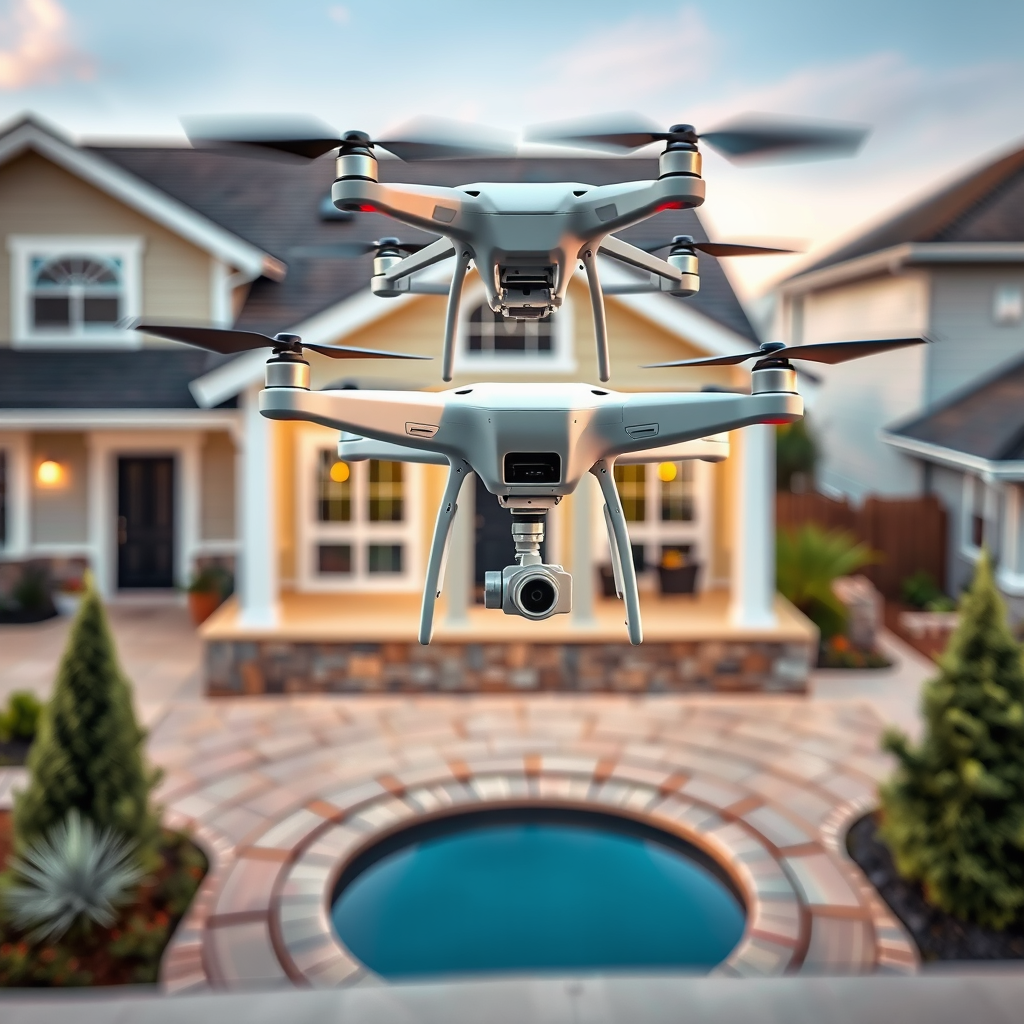
Yes, your neighbor can fly a drone over your property, but there are legal restrictions and regulations that govern drone usage. Understanding these laws is crucial for ensuring your rights and privacy are respected. As drones become increasingly prevalent in both commercial and recreational settings, it’s essential to be aware of the legal framework surrounding their operation, particularly in relation to property rights and privacy concerns.
Understanding Drone Laws
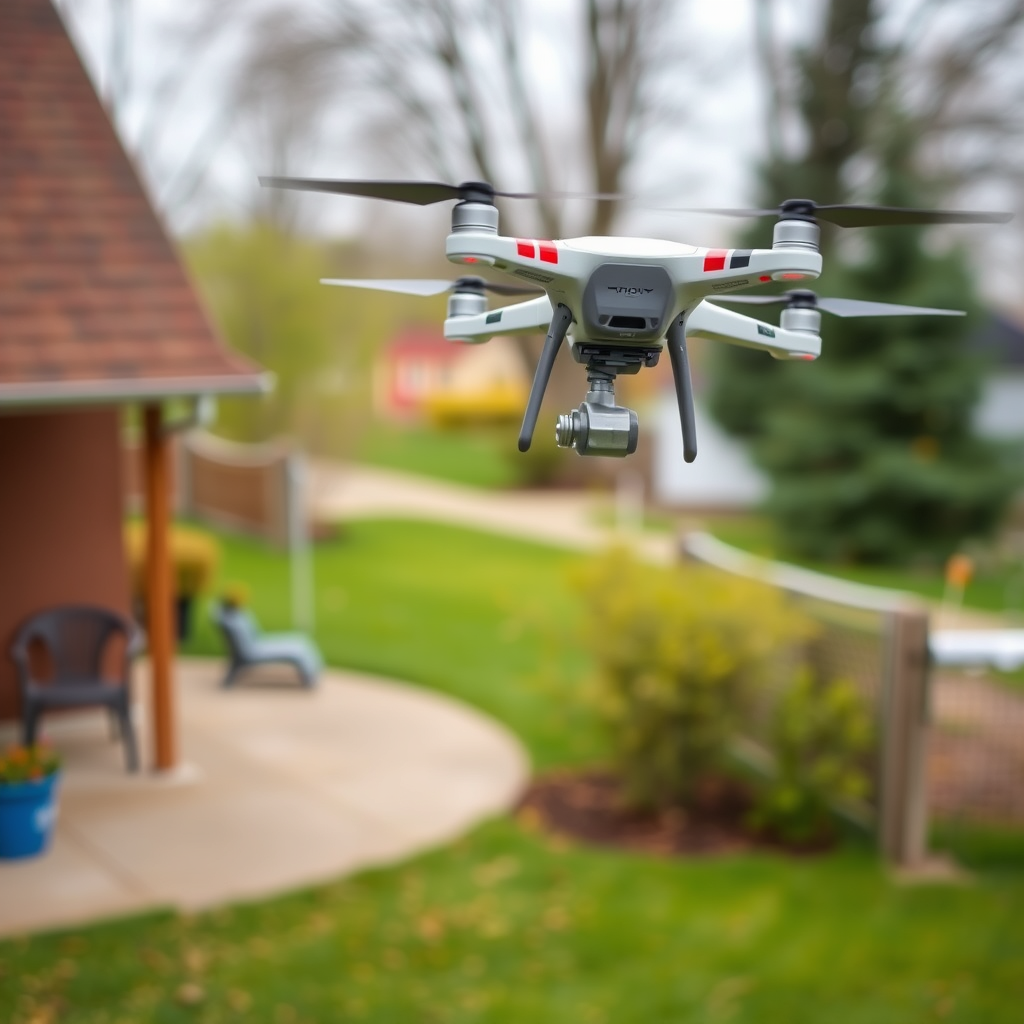
Drones, or unmanned aerial vehicles (UAVs), are subject to a myriad of regulations at both federal and state levels. The Federal Aviation Administration (FAA) governs the use of airspace in the United States, and this includes drone flights. Under FAA regulations, drones must be registered and operated in compliance with specific guidelines designed to ensure safety and accountability. For instance, pilots must keep their drones within visual line-of-sight, fly below 400 feet, and avoid flying over people or private property without permission.
State laws may further restrict drone use, addressing issues such as privacy, noise, and trespass. Some states have enacted specific legislation that prohibits drone surveillance over private property without consent, while others impose restrictions based on local ordinances or zoning laws. Familiarizing yourself with both federal and state regulations is essential for understanding the legal landscape concerning drones in your area.
Property Rights and Airspace
Property owners have a recognized right to the airspace directly above their land, but this right is not absolute and is generally limited to a certain altitude. The legal principle, often referred to as “navigable airspace,” allows property owners to control the immediate airspace above their property, commonly understood to extend from the ground to about 200 feet. Above this threshold, the FAA has jurisdiction over air traffic, which includes drone flights.
Navigating the legal limits of airspace can be complex and varies by jurisdiction. For instance, if a drone is flying at a height that is considered navigable airspace, the property owner’s rights may not extend to that altitude. However, if a drone is flying at a lower altitude and causing disturbances or infringing on privacy, property owners may have grounds for legal recourse. Understanding these nuances is critical for property owners concerned about neighborly drone activity.
Privacy Concerns
The use of drones often raises significant privacy issues, especially if they capture images or videos of individuals on private property. The concern is not unfounded, as drones equipped with high-resolution cameras can easily infringe on personal privacy, leading to unwanted surveillance. Many states have established laws addressing the use of drones for surveillance purposes, which can provide protections for individuals concerned about their privacy being compromised.
For example, some states may require drone operators to obtain consent before capturing images or video of individuals or private property. Violations of these privacy laws can lead to legal repercussions for the drone operator. If you suspect that a neighbor’s drone is infringing on your privacy, it is advisable to research your state’s specific laws regarding drone surveillance to understand your rights and potential remedies.
Neighborly Communication
If you’re concerned about drone activity, initiating a conversation with your neighbor can often resolve misunderstandings before they escalate. Open communication fosters an environment of mutual respect and understanding. You might find that your neighbor is unaware of the impact their drone usage has on your privacy or property.
During this conversation, it may be beneficial to express your concerns calmly and clearly, outlining specific instances where you felt your privacy was compromised. This approach not only addresses the issue but also creates an opportunity for your neighbor to consider modifying their drone usage habits. In some cases, neighbors may agree to establish informal boundaries regarding drone flights, resulting in a more harmonious living environment.
Reporting Issues
If after communication, you feel your neighbor is violating drone regulations or infringing on your rights, you have the option to report the issue to local authorities or the FAA. It is important to document any incidents meticulously, noting dates, times, and specifics of the drone activity. This documentation can serve as critical evidence if you need to escalate the matter to authorities.
Local law enforcement agencies may have procedures in place for handling complaints related to drone usage, while the FAA provides mechanisms for reporting unsafe or unlawful drone operations. Understanding the appropriate channels for reporting issues can empower you to take action and protect your rights effectively.
Seeking Legal Advice
In cases where drone activity significantly affects your rights or quality of life, consulting a legal professional can provide clarity on your situation. An attorney specializing in property law or privacy rights can offer insights into the specific laws applicable in your area and help you understand your options.
Legal experts can assist in interpreting both state and federal regulations and advise you on potential next steps, whether that involves negotiating with your neighbor, filing a complaint, or pursuing legal action. Having a knowledgeable advocate can make a significant difference in navigating complex legal waters regarding drone usage.
In conclusion, while your neighbor can legally fly a drone over your property, there are regulations in place to protect your rights and privacy. Understanding these laws, communicating effectively with your neighbor, and knowing how to report issues can help mitigate potential conflicts. If problems persist, do not hesitate to seek legal advice to gain clarity and support in protecting your interests. Being informed and proactive is key to managing drone-related concerns in your neighborhood.
Frequently Asked Questions
Can my neighbor legally fly a drone over my property?
Yes, in many cases, your neighbor can legally fly a drone over your property as long as they adhere to Federal Aviation Administration (FAA) regulations. The FAA allows drones to be flown in navigable airspace, which typically includes areas above private property. However, the drone operator must maintain a safe distance and avoid flying directly over people or private property without permission to respect privacy concerns.
What are my rights if a neighbor’s drone is bothering me?
If a neighbor’s drone is causing a disturbance, such as invading your privacy or creating excessive noise, you have the right to address the issue. Start by discussing your concerns with your neighbor, as they may not be aware of the problem. If the issue persists, you may consider contacting local law enforcement or your homeowners’ association, as they can provide guidance on local laws and potential solutions regarding drone usage.
How can I protect my privacy from a neighbor’s drone?
To protect your privacy from a neighbor’s drone, you can take several steps. First, familiarize yourself with local drone laws and regulations, as many jurisdictions have specific rules regarding privacy and drone usage. Additionally, you can install privacy screens or dense landscaping in your yard to obstruct the view from above. If you feel your privacy is being violated, document any instances and consult legal advice if necessary.
Why do some people complain about drones flying over their property?
Complaints about drones flying over property often stem from privacy concerns and noise disturbances. Many individuals feel uncomfortable knowing that drones equipped with cameras could potentially capture footage of their private lives. Additionally, the noise generated by drones can be disruptive, particularly in quiet neighborhoods, leading to frustration and calls for regulation.
What should I do if I believe my neighbor is flying a drone illegally?
If you suspect that your neighbor is operating a drone illegally, such as flying it too close to your home or without proper FAA registration, you should first gather evidence, such as photos or videos of the drone activity. Next, try discussing your concerns with your neighbor, as they may not know they are violating any laws. If the situation does not improve, report the issue to local authorities or the FAA, who can investigate any potential violations.
References
- https://www.faa.gov/uas/getting_started/remote_id
- https://www.faa.gov/uas/
- https://www.nolo.com/legal-encyclopedia/drone-law-your-rights-and-responsibilities-29502.html
- https://www.privacyrights.org/resources/drones-and-privacy
- https://www.ama-assn.org/delivering-care/public-health/drones-are-they-legal
- https://www.nytimes.com/2021/03/01/us/drone-privacy-laws.html
- https://www.wired.com/story/what-you-need-to-know-drone-privacy/
- https://www.abc.net.au/news/2020-11-11/what-you-need-to-know-about-drones-and-the-law/12866958
