
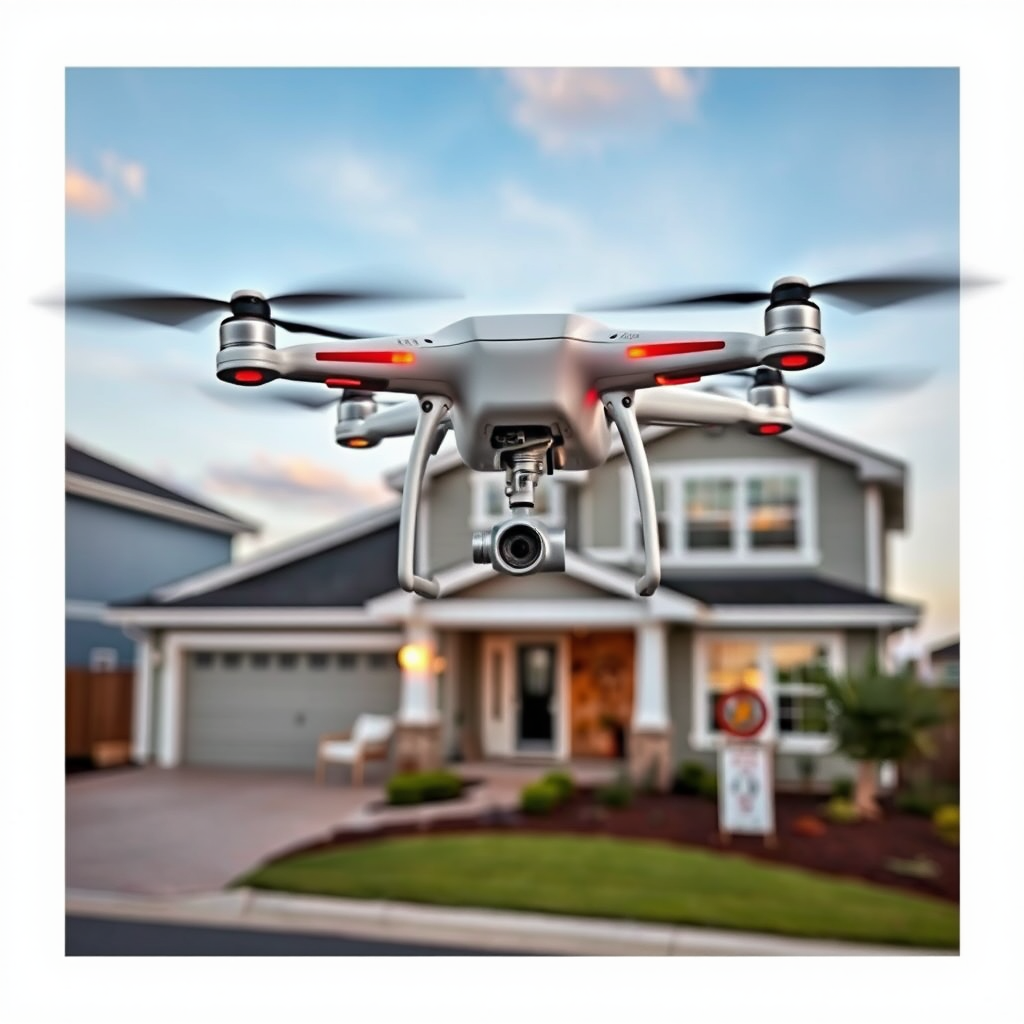
Yes, people can fly drones over your property, but there are specific regulations and considerations that govern this activity. Understanding these laws and your rights can help you navigate any concerns about privacy or property rights. As drone technology continues to advance, the frequency of these aerial vehicles encroaching upon private property has increased, raising questions about the legality and implications of such actions. This article will delve into the intricacies of drone regulations, property and airspace rights, privacy concerns, and actionable steps you can take to safeguard your interests.
Understanding Drone Regulations
The Federal Aviation Administration (FAA) oversees drone regulations in the U.S., establishing a framework that governs how drones can be flown, particularly in relation to manned aircraft. In 2016, the FAA introduced the Part 107 rules, which set forth guidelines for commercial drone operations, including pilot certification, operational limits, and requirements for drone registration. These regulations classify drones as aircraft, which means that drone pilots must adhere to specific operational guidelines, such as maintaining a visual line of sight, flying below 400 feet, and avoiding restricted airspace.
Moreover, drone operators are required to comply with local laws and regulations, which can vary significantly from one jurisdiction to another. Consequently, while FAA regulations provide a baseline, local ordinances may impose additional restrictions on drone activities, especially in urban or densely populated areas. Understanding this regulatory landscape is crucial for both drone operators and property owners, as it helps clarify the legal boundaries regarding drone usage.
Property Rights vs. Airspace Rights
Property owners have rights to the land and a certain amount of the airspace above their property, but these rights are not absolute. According to common law, landowners own the airspace up to a certain height, often considered to be around 500 feet, but the FAA generally allows drone flights at altitudes above 400 feet. This means that drone operators can legally operate their devices over your property, provided they do not violate any other regulations.
The ‘navigable airspace’ doctrine plays a crucial role in understanding airspace rights. The FAA defines navigable airspace as the airspace above the minimum safe altitudes of flight, which typically starts at 500 feet above ground level. Therefore, while you may have rights to the airspace directly above your property, those rights diminish as the altitude increases, particularly beyond 400 feet. This distinction is vital for property owners concerned about drones flying overhead, as it delineates the legal parameters within which these activities occur.
Privacy Concerns with Drones
Drones flying over private property can raise significant privacy issues, particularly when equipped with cameras or surveillance technology. The legality of such activities often depends on state laws, as privacy regulations can vary widely across the country. For instance, some states have enacted specific laws that prohibit drone operators from capturing images or videos of individuals on private property without their consent. In contrast, other states may rely on broader privacy laws, which could also encompass drone usage.
For example, California’s Civil Code Section 1708.8 prohibits the use of drones to capture images of individuals in situations where they have a reasonable expectation of privacy. On the other hand, states like Texas have more lenient regulations regarding drone photography, complicating the legal landscape. As such, property owners who feel their privacy is being invaded by drone surveillance may have legal recourse, but the effectiveness of such actions varies based on local laws.
Reporting Unruly Drone Activity
If you find that a drone is flying recklessly or violating privacy laws, it is essential to know how to report it. You can report incidents to the FAA or local law enforcement agencies, especially if you believe the drone operation poses a safety risk or infringes on your privacy rights. The FAA has a dedicated hotline for reporting drone incidents, and local authorities may have specific protocols in place for dealing with drone-related complaints.
When reporting drone activity, documentation can be invaluable. Taking photos or videos of the drone in flight, noting the time and location, and keeping a record of any interactions with the drone operator can strengthen your case in any formal complaints or legal actions. Your documentation can provide essential evidence that substantiates your claims regarding the drone’s behavior, particularly if it was flying at unsafe altitudes or capturing images without consent.
Steps to Protect Your Property
To mitigate the potential for unwanted drone incursions, property owners can take several proactive measures. Installing privacy fences or landscaping, such as tall trees or shrubs, can create natural barriers that deter drone operators from flying over your property. While these methods may not block all drone activity, they can reduce the likelihood of unwanted surveillance and enhance your privacy.
Additionally, consider engaging in discussions with neighbors or local drone enthusiasts to foster a community understanding of respectful drone usage. Hosting informational sessions about drone regulations or establishing local guidelines can promote a culture of responsibility among drone operators. Such initiatives can help minimize conflicts and ensure that drone usage remains within acceptable boundaries.
Future of Drone Regulations
As drone technology evolves, so too do the regulations governing their use. The increasing prevalence of drones in various sectors, from agriculture to delivery services, is prompting lawmakers and regulatory bodies to re-evaluate existing frameworks. Consequently, it is crucial for both drone operators and property owners to stay informed about potential changes in drone laws, which could impact how drones are flown over private property.
Moreover, advocacy for stronger privacy protections is gaining traction as the public becomes more aware of the implications of drone surveillance. As public sentiment shifts towards greater privacy rights, local and federal lawmakers may introduce new legislation that further delineates the rights of property owners in relation to drone operations. Staying updated on these developments can empower property owners to better understand their rights and take appropriate action when necessary.
In conclusion, while people can legally fly drones over your property under certain conditions, it is crucial to understand the regulations and your rights. Awareness of FAA guidelines, local laws, and privacy issues can help property owners navigate the complexities of drone activity. By taking proactive measures to protect your property and engaging with the drone-using community, you can foster a more respectful coexistence. Staying informed about evolving regulations will also equip you to advocate for your rights effectively.
Frequently Asked Questions
Can I stop someone from flying a drone over my property?
Yes, property owners have certain rights when it comes to drones flying over their land. However, the legality can vary depending on local laws and regulations. In general, while you cannot prohibit drone flights at high altitudes, you can report any invasive or inappropriate behavior to authorities, especially if the drone is violating privacy laws or causing disturbances.
What are the laws regarding drone flights over private property?
Drone laws vary by country and region, but in many places, the Federal Aviation Administration (FAA) in the United States allows drone pilots to fly over private property, provided they maintain a safe distance and adhere to altitude restrictions. It’s essential to check local regulations and ordinances, as some areas may have specific rules about drone use that protect property rights and privacy.
How can I report a drone flying over my house?
If you feel that a drone is flying over your property in a manner that is invasive or illegal, you can report it to local law enforcement or the Federal Aviation Administration (FAA). Gather as much information as possible, including the time, location, and any identifying features of the drone. Documenting the incident can be crucial for authorities to take appropriate action.
Why do people fly drones over private property?
Drones are often flown over private property for various reasons, including photography, surveying land, or recreational purposes. While many drone operators fly responsibly, some may inadvertently violate privacy or property rights, leading to concerns among property owners. Understanding the intended use of the drone can help alleviate some concerns, but it’s vital to know your rights as a property owner.
What should I do if a drone is invading my privacy?
If you believe a drone is invading your privacy, the first step is to document the instances of intrusion, including dates and times. You can then discuss your concerns with the drone operator if possible, as they may not be aware that they are violating your privacy. If the behavior continues, consider contacting local law enforcement or reviewing state laws on privacy and drone use for further action.
References
- https://en.wikipedia.org/wiki/Drone#Regulation
- https://www.faa.gov/uas/getting_started/
- https://www.nolo.com/legal-encyclopedia/drone-law-your-rights-29734.html
- https://www.privacyrights.org/resources/drone-privacy
- https://www.southernlawjournal.com/2021/03/01/the-legal-implications-of-drones-on-private-property/
- https://www.ncbi.nlm.nih.gov/pmc/articles/PMC6972170/
- https://www.theguardian.com/us-news/2021/jul/21/drone-regulations-privacy-property-rights
