
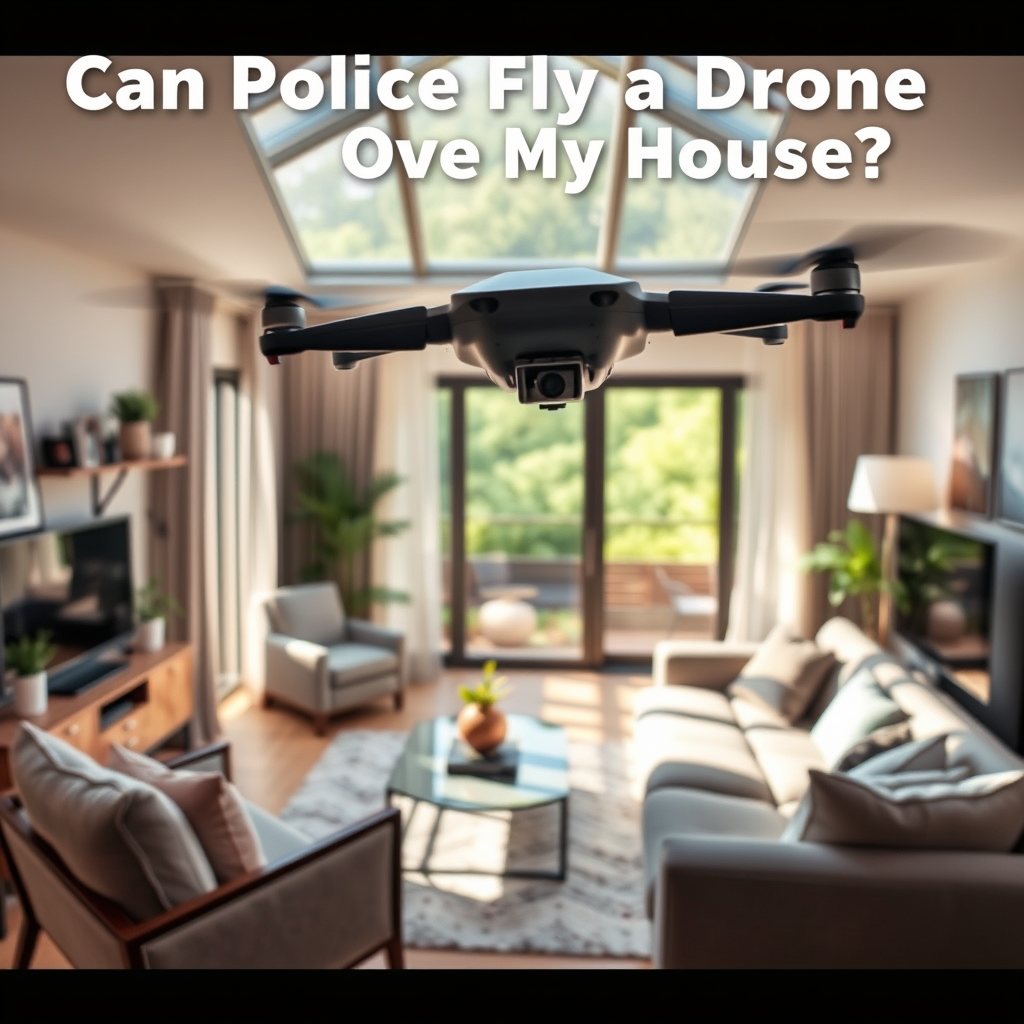
Yes, police can fly a drone over your house under certain circumstances, primarily related to public safety and law enforcement. However, their usage is regulated by legal guidelines that aim to balance public safety with individual privacy rights. This article will explore the rules surrounding police drone usage, privacy concerns, and what actions you can take if you feel your rights are being violated.
Understanding Drone Usage by Law Enforcement
Drones are increasingly becoming a valuable tool for law enforcement agencies. They are employed for various purposes, including surveillance, search and rescue operations, traffic monitoring, and crowd management during large public events. The ability to access aerial views allows police to gather critical information quickly, especially in situations where human presence may be risky or impractical.
When utilizing drones, police departments are required to justify their use, typically citing reasons related to public safety, ongoing criminal investigations, or emergency situations. For instance, during a hostage situation, a drone may provide crucial overhead imagery that aids in tactical decisions. However, such deployments are often subject to strict guidelines and operational protocols to ensure that they are used responsibly and ethically.
Legal Framework Governing Drone Surveillance
The legal landscape governing drone surveillance is complex and continuously evolving. The Fourth Amendment of the United States Constitution protects citizens from unreasonable searches and seizures, which applies to the use of drones for surveillance. Courts have ruled on various cases involving drone surveillance, establishing precedents that inform law enforcement practices.
For example, in Florida v. Riley (1989), the U.S. Supreme Court ruled that police could use helicopters to observe private property without a warrant, as the observation occurred in public airspace. However, this ruling does not provide blanket permission for drones to invade privacy; it emphasizes the importance of context and the reasonable expectation of privacy. Courts have generally determined that individuals have a higher expectation of privacy in enclosed spaces, such as backyards, than in open areas. Thus, drone usage must be carefully considered to avoid infringing on citizens’ rights.
When Can Police Use Drones Over Private Property?
The deployment of drones over private property by police is permissible under certain conditions. Situations that warrant drone use include active investigations, emergency responses, and specific law enforcement operations. For example, if there is a report of a missing person in a wooded area, police may deploy drones to search for the individual effectively.
However, the use of drones for routine patrols over residential areas is generally restricted. Many jurisdictions have implemented laws or policies that limit drone surveillance to instances where immediate public safety concerns exist. This restriction aims to prevent overreach and the normalization of surveillance in private spaces without just cause.
Moreover, some states require law enforcement agencies to obtain warrants before deploying drones for surveillance purposes, while others impose reporting requirements to promote transparency and accountability. This legal framework helps ensure that drone usage is aligned with constitutional protections and public trust.
Privacy Concerns Associated with Police Drones
The rise of drones in law enforcement has sparked significant public concern regarding privacy. Citizens often express fears that drone surveillance may infringe upon their right to privacy, leading to a sense of being constantly monitored. This concern is particularly pronounced in communities where drone usage has increased without adequate oversight.
Public discourse surrounding this issue emphasizes the need for a balance between safety and individual rights. Advocates for privacy rights argue that the potential for abuse exists when law enforcement agencies have access to surveillance technology without stringent checks. Moreover, the potential for drones to capture unintended footage of private life raises ethical questions about consent and the extent of surveillance.
In response to these concerns, some communities have enacted legislation that restricts or regulates police drone use. For instance, some cities have established ordinances that require police to disclose how drones will be used, the data collected, and the duration of storage. Such regulations are crucial for fostering trust between law enforcement and the communities they serve.
What to Do If You Feel Your Rights Are Being Violated
If you feel that your rights are being violated due to police drone surveillance, there are several steps you can take. First, familiarize yourself with local laws and regulations regarding drone use and privacy rights. Many jurisdictions have specific statutes outlining the permissible use of drones by law enforcement, which can serve as a foundation for understanding your rights.
If you believe that police drones are infringing upon your privacy, consider documenting the instances of surveillance, including dates, times, and any relevant details. This documentation may be crucial if you decide to file a complaint. Many police departments have internal affairs divisions or community liaison officers that handle such grievances.
Additionally, seeking legal advice can provide clarity on your rights and potential recourse. An attorney experienced in civil liberties or drone law can help you navigate the complexities of your situation and advise on any actions you may take, including filing a lawsuit if necessary.
Future of Drones in Law Enforcement
As technology continues to evolve, so too does the application of drones in law enforcement. The future of drones in policing promises to bring about advancements in efficiency and effectiveness, but it also raises ongoing discussions about privacy and ethical considerations.
Emerging technologies, such as artificial intelligence and enhanced facial recognition capabilities, could expand the ways in which drones are utilized in policing. However, these advancements also necessitate a careful examination of regulatory frameworks to ensure that they do not infringe on individual rights.
Public engagement will play a vital role in shaping the future of drone usage in law enforcement. Community input, coupled with transparent policies and accountability measures, can help foster trust and ensure that the benefits of drone technology are realized without compromising civil liberties.
In conclusion, while police can fly drones over your house in specific situations, there are legal guidelines designed to protect your privacy rights. Understanding the rules surrounding police drone usage, being aware of your rights, and advocating for responsible usage can empower you to navigate this evolving landscape effectively. As technology and regulations continue to develop, ongoing vigilance and community engagement will be essential in ensuring that public safety does not come at the expense of individual freedoms.
Frequently Asked Questions
Can police fly a drone over my house without a warrant?
Generally, police can fly a drone over your house without a warrant if they are operating within public airspace and the drone is at a legal altitude. However, the specifics can vary by jurisdiction, and some states have laws that require law enforcement to obtain a warrant for surveillance purposes, especially if it involves capturing images or videos. Understanding the local regulations and any potential privacy implications is crucial.
Why would police use a drone to survey my property?
Police may use drones to survey a property for various reasons, including crowd monitoring during events, searching for missing persons, or assessing crime scenes. Drones can provide a bird’s-eye view that helps law enforcement gather intelligence quickly and efficiently. However, the use of drones must align with legal guidelines to respect individuals’ privacy rights.
What are my rights if police fly a drone over my home?
If police fly a drone over your home, your rights primarily depend on the circumstances and the laws of your state. Generally, you have a reasonable expectation of privacy within your home, which may limit what law enforcement can observe without a warrant. If you believe your rights are being violated, you may consider consulting a legal expert to explore your options.
How can I find out if the police are using drones in my area?
To find out if police are using drones in your area, you can start by checking your local law enforcement agency’s website for any announcements or policies regarding drone use. Additionally, attending town hall meetings or community forums can provide insights into police practices, as officers often discuss their equipment and strategies. Local news outlets may also cover stories related to drone surveillance.
Which laws regulate police drone surveillance in the United States?
Police drone surveillance in the United States is regulated by a combination of federal and state laws. The Federal Aviation Administration (FAA) oversees airspace regulations, while individual states may have their own laws addressing privacy concerns and police use of drones. It’s essential to stay informed about both federal guidelines and state-specific laws to understand how they affect police drone activities in your area.
References
- https://www.aclu.org/news/privacy-technology/police-drones-privacy-rights
- https://www.eff.org/deeplinks/2015/11/police-drones-privacy
- https://www.nytimes.com/2020/01/03/us/police-drones.html
- https://www.nap.edu/catalog/21820/legal-and-regulatory-issues-affecting-the-use-of-drones
- https://www.rand.org/pubs/research_reports/RR1744.html
- https://www.ojp.gov/ncjrs/virtual-library/abstracts/policing-drones-and-privacy
- https://www.lawfareblog.com/policing-drones-and-privacy-rights
- https://www.bbc.com/news/technology-37685066
