
Yes, radar can detect small drones, though the effectiveness of detection is influenced by the radar system’s specifications and the characteristics of the drones themselves. As drones become smaller and more sophisticated, understanding the interaction between radar technology and these flying machines becomes increasingly important. In this article, we will explore how radar technology interacts with small drones, its limitations, and advancements in detection capabilities, thereby providing a comprehensive overview for security professionals and enthusiasts alike.
Understanding Radar Technology
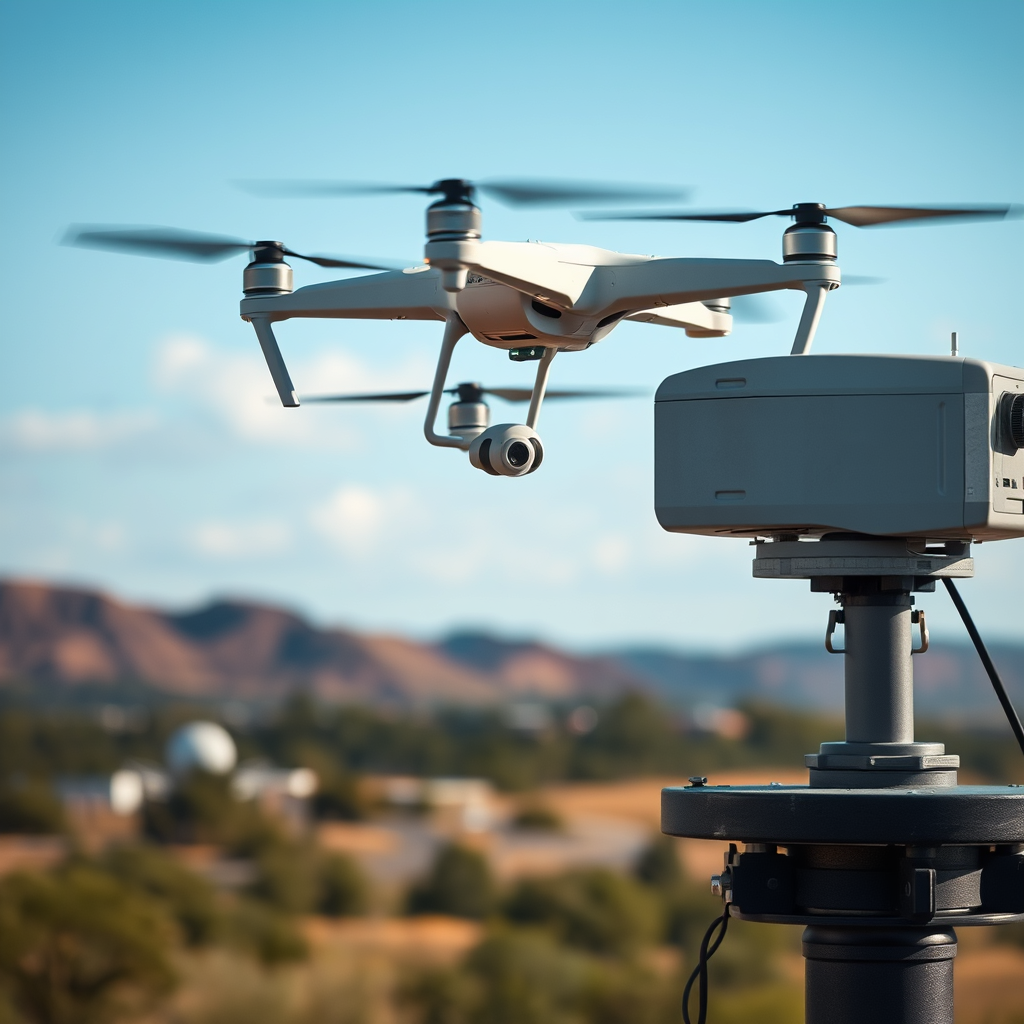
Radar, an acronym for Radio Detection and Ranging, is a technology that utilizes radio waves to detect objects in various environments. By emitting radio waves and analyzing the signals reflected back from objects, radar systems can determine the distance, speed, and direction of those objects. The basic principle involves sending out a pulse of radio energy and measuring how long it takes for the echo to return, which helps in identifying the presence and location of objects in the radar’s path.
Different types of radar systems exist, each optimized for specific applications, such as air traffic control, weather monitoring, and military surveillance. For instance, conventional radar systems may operate effectively for larger aircraft but may struggle with the detection of small drones, particularly those that are designed to be stealthy. The capability of radar to detect small objects hinges not only on the frequency of the radar waves but also on the design and sensitivity of the radar equipment itself.
Factors Affecting Detection of Small Drones
The detection of small drones is influenced primarily by their size and shape, which directly impact their radar visibility. Generally, smaller drones possess a lower radar cross-section (RCS), making them more difficult to detect. For instance, a compact drone made of lightweight materials like carbon fiber or plastic can absorb or deflect radar waves, further diminishing its visibility on radar screens.
The shape of the drone also plays a pivotal role; drones with angular designs tend to scatter radar waves more effectively than those with rounded shapes. As such, manufacturers often design drones with stealth features specifically to evade radar detection. Additionally, the operational altitude and flight speed of the drone can impact detectability; drones flying at lower altitudes, especially in cluttered environments, are often challenging to track.
Types of Radar Systems for Drone Detection
Radar systems can be categorized based on their intended range and detection capabilities, which affects their effectiveness in tracking small drones. Long-range radar systems, commonly used in air traffic control, excel at detecting larger aircraft but may encounter difficulties when it comes to identifying smaller drones. These systems are typically optimized for altitude and range, making them less suitable for low-flying objects.
In contrast, advanced short-range radar systems have been developed specifically to address the need for detecting small, low-flying objects, including drones. These systems often operate at higher frequencies, which enhances their ability to detect smaller targets. For example, micro-Doppler radar techniques can provide detailed information about the movement of a drone, enabling better tracking and classification. Moreover, some radar systems employ adaptive algorithms to filter out background noise and enhance the detection of small drones.
Limitations of Radar in Drone Detection
Despite its capabilities, radar technology faces several limitations when it comes to the detection of small drones. One significant challenge is clutter, which refers to the interference from environmental factors such as ground terrain, vegetation, and atmospheric phenomena. Clutter can obscure radar signals, making it difficult to distinguish between legitimate targets and background noise.
Additionally, the high-speed flight and low-altitude operation of small drones exacerbate detection challenges. Radar systems may struggle to track fast-moving drones that fly just above the ground or amidst obstacles, as the radar’s ability to refresh its data may not keep pace with the drone’s movement. Furthermore, adverse weather conditions, such as rain or fog, can attenuate radar signals, further complicating detection efforts.
Recent Advancements in Detection Technology
Recent advancements in detection technology have focused on overcoming the limitations of traditional radar systems. One promising development is the implementation of multi-sensor approaches that combine radar data with optical and thermal imaging systems. By integrating these technologies, security operators can achieve a more comprehensive understanding of the airspace and improve the accuracy of drone detection.
In addition, innovations in machine learning algorithms have significantly enhanced object classification capabilities. These algorithms can analyze vast amounts of data from various sensors, allowing them to differentiate between drones and other objects more effectively. For instance, systems employing artificial intelligence can learn from historical data, improving their ability to recognize drone flight patterns and behaviors over time.
Case Studies and Real-World Applications
The application of radar technology for drone detection has been demonstrated across various sectors, including military, security, and civil aviation. For example, military installations often employ sophisticated radar systems to monitor airspace for unauthorized drone incursions. These systems can quickly identify potential threats and initiate appropriate countermeasures.
In civilian contexts, airports have begun integrating radar detection systems to enhance safety and security. For instance, the implementation of drone detection technology at major airports has helped mitigate risks associated with drone flights near runways. Public events, such as concerts or sporting events, are also utilizing radar-based systems to prevent unauthorized drone activity, ensuring the safety of attendees.
Future Trends in Drone Detection
The future of drone detection technology is poised for exciting developments, driven by both technological advancements and regulatory changes. Emerging technologies in radar systems aim to enhance detection capabilities further, with some companies researching the use of millimeter-wave radar, which offers improved resolution and better detection of small objects.
Moreover, regulatory changes are likely to impact the development and deployment of drone detection technologies. As the number of drones in the airspace increases, regulatory bodies are considering stricter guidelines and requirements for drone operators. This may lead to the adoption of mandatory drone identification systems that can complement radar detection efforts, providing a more comprehensive approach to managing drone traffic in various environments.
As the landscape of drone technology continues to evolve, the integration of advanced radar systems with other sensor technologies will be essential for maintaining security and safety in both public and private airspace.
In conclusion, while radar can detect small drones, its effectiveness is influenced by several factors, including the type of radar used and the characteristics of the drones themselves. As technology evolves, we can expect improvements in detection capabilities, which will be crucial for security and safety in various environments. The continued development of multi-sensor systems and machine learning algorithms will play a pivotal role in addressing current limitations, paving the way for a future where drone detection is more reliable and efficient than ever before.
Frequently Asked Questions
Can radar systems effectively detect small drones?
Yes, radar systems can detect small drones, but their effectiveness depends on several factors including the radar technology used and the size of the drone. Traditional radar systems often struggle with small, low-flying drones due to their size and low radar cross-section. However, modern advancements in radar technology, such as phased-array and multi-sensor systems, have improved the ability to identify and track small UAVs, enhancing security in areas where drone activity is a concern.
What types of radar are best for detecting small drones?
The best types of radar for detecting small drones typically include pulse Doppler radar and phased-array radar systems. These radars are designed to track fast-moving and small objects with high precision. Additionally, some systems combine radar with optical and infrared sensors to improve detection capabilities, especially in cluttered environments where small drones can easily go unnoticed.
How does radar technology differentiate between drones and other flying objects?
Radar technology differentiates between drones and other flying objects by analyzing various characteristics such as size, speed, and flight patterns. Most radar systems utilize algorithms that assess the radar cross-section and movement signatures of detected objects. By cross-referencing these parameters with known profiles of drones versus birds or aircraft, radar can effectively classify the object and determine if it poses a potential threat.
Why is it challenging to detect small drones with radar?
Detecting small drones with radar is challenging primarily due to their small size and low radar cross-section, which makes it difficult for traditional radar systems to pick them up. Additionally, many consumer drones operate at low altitudes and can blend into the background noise of the environment, further complicating detection. To combat these challenges, radar systems must be specifically designed or calibrated to enhance sensitivity to the unique signatures of small drones.
What are the limitations of radar in drone detection?
While radar is a valuable tool for drone detection, it does have limitations. Radar can be affected by environmental factors such as weather conditions, terrain, and clutter from buildings or trees, which can lead to false positives or missed detections. Moreover, radar may not provide detailed information about the drone’s identity or intentions, necessitating the use of complementary technologies such as cameras or acoustic sensors to improve situational awareness and response strategies.
References
- https://en.wikipedia.org/wiki/Radar
- https://www.bbc.com/news/technology-45336968
- https://www.ncbi.nlm.nih.gov/pmc/articles/PMC6301417/
- https://www.nist.gov/news-events/news/2018/02/nist-research-aims-detect-small-drones-radar
- https://www.rand.org/pubs/research_reports/RR3060.html
- https://www.darpa.mil/news-events/2019-04-09
- https://www.sciencedirect.com/science/article/pii/S2213138817301385
- https://www.usdot.gov/sites/dot.gov/files/docs/mission/administrations/office-policy/transportation-policy/193766/2016-07-06_drones.pdf
