
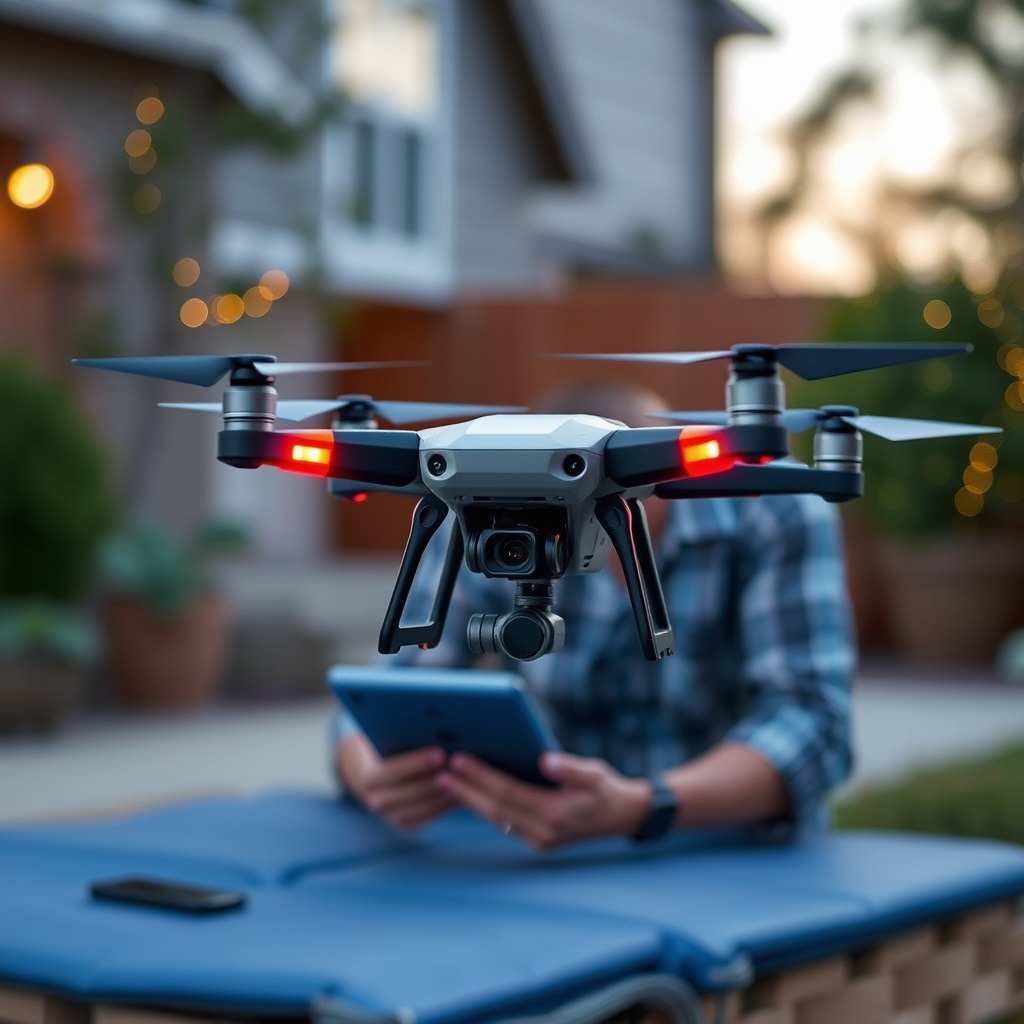
Yes, someone can fly a drone in your yard, but there are several legal and safety considerations to keep in mind. Understanding drone regulations, privacy issues, and local laws can help you navigate this situation effectively. With the increasing popularity of drone technology, it’s essential to be informed about the implications of drone activity in residential areas, both for your own peace of mind and to maintain harmonious relationships with neighbors.
Understanding Drone Regulations
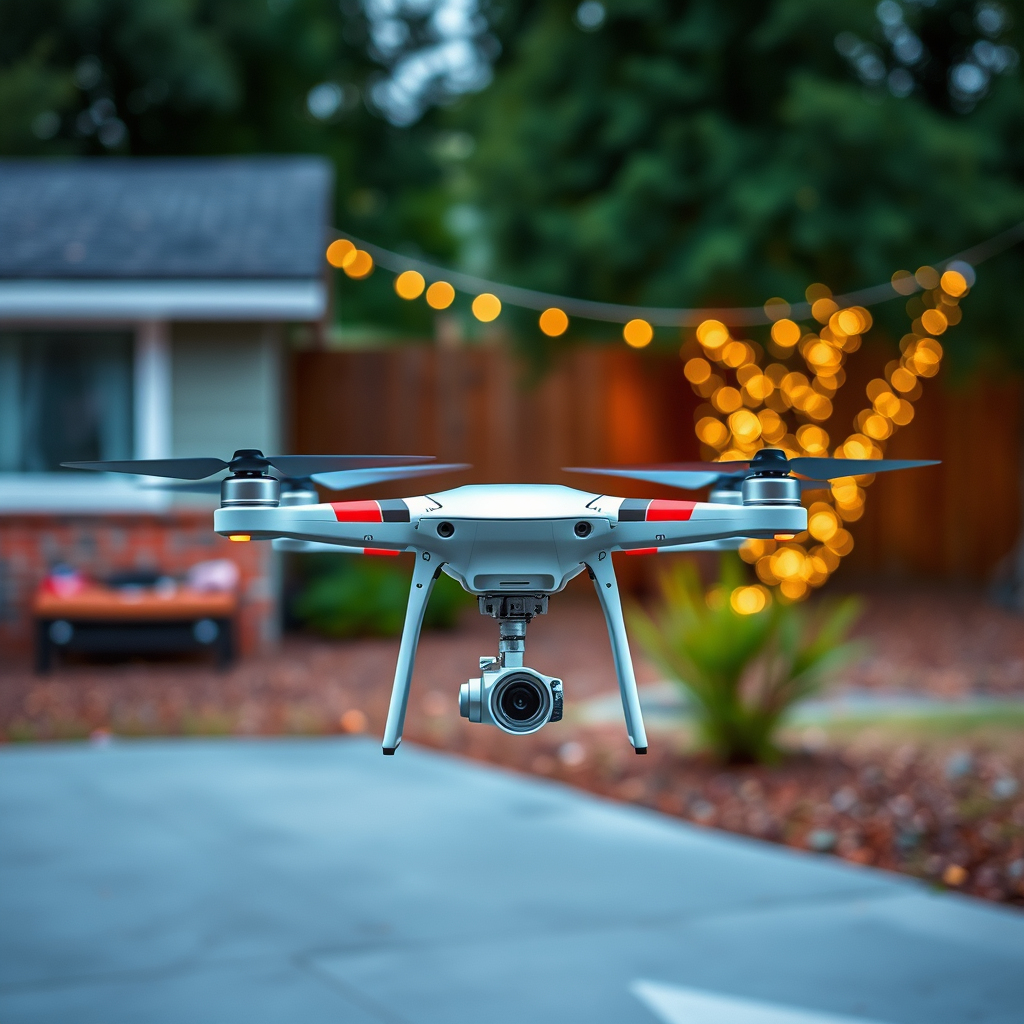
Drones are subject to Federal Aviation Administration (FAA) regulations in the U.S., which govern their operation to ensure safety and minimize conflicts with manned aircraft. For recreational drone pilots, the FAA has set forth specific guidelines that must be followed. These include flying at or below 400 feet, maintaining a line of sight with the drone, and avoiding no-fly zones such as near airports, military bases, and certain public events.
Commercial drone operators are subject to more stringent regulations, including the requirement for a Remote Pilot Certificate. This certification process ensures that drone pilots are knowledgeable about airspace rules, weather conditions, and safe flying practices. Therefore, if someone is operating a drone in your yard, it’s prudent to confirm whether they are following FAA guidelines and if they hold the necessary certifications.
Local Laws and Ordinances
In addition to federal regulations, many cities have enacted their own laws regarding drone usage that can restrict flying in residential areas. These local ordinances may include restrictions on flying over private property without consent, designated no-fly zones, or specific times when drone operation is prohibited, such as during late-night hours.
Before operating a drone, it is essential for both operators and property owners to check with local authorities to understand applicable laws and regulations. For instance, cities like Los Angeles have specific regulations that address drone usage in urban environments, while others may rely on general federal guidelines. Knowing your local laws can empower you to take appropriate action if a drone is being operated in your vicinity without adherence to these rules.
Privacy Concerns
Flying a drone over someone else’s property can raise significant privacy issues. Drones equipped with cameras can inadvertently or deliberately capture images or video of private spaces, leading to potential disputes between neighbors. This situation is particularly sensitive when it involves residential homes, backyards, or other areas where individuals expect a certain level of privacy.
To mitigate potential conflicts, consider discussing drone activity with your neighbors in a friendly manner. Open communication can help establish boundaries and expectations, ensuring everyone feels respected. Additionally, it may be beneficial to have a clear understanding of privacy laws in your area, as some jurisdictions have specific statutes protecting individuals from aerial surveillance.
Safety Considerations
Drones can pose safety risks, including potential accidents or injuries. Mechanical failures, operator error, or unexpected environmental factors can lead to drones crashing, which could cause harm to people, pets, or property below.
Operators should have a comprehensive understanding of their surroundings and should avoid flying in crowded or hazardous environments. For instance, flying a drone over a gathering, such as a neighborhood party or a sports event, can create dangerous situations and is generally discouraged. Ensuring that drone operators are aware of safety protocols is essential for both the drone users and those in the vicinity.
What to Do if a Drone is in Your Yard
If you find a drone in your yard and feel uncomfortable or threatened, it is crucial to document the situation. Take notes on the time, date, and any identifiable features of the drone, including its color, make, and model, if possible. Capturing photographs can also serve as evidence if you decide to escalate the issue.
If the drone poses a threat to your safety or privacy, contacting local law enforcement may be appropriate. Officers can help assess the situation and determine whether any laws have been violated. It may also be helpful to report the incident to local authorities or the FAA if you believe the drone operator is acting irresponsibly or infringing on your rights.
How to Protect Your Yard from Drones
To safeguard your yard from unwanted drone activity, familiarize yourself with local laws to know your rights regarding drone usage. Understanding the legal landscape can empower you to take action if necessary.
Additionally, consider implementing physical barriers or privacy screens as potential deterrents to unwanted drone activity. Tall hedges, privacy fences, or other landscaping features can create visual obstructions that may discourage drone operators from flying over your property. Moreover, installing outdoor cameras can not only document drone activity but also act as a deterrent if operators know they are being recorded.
In conclusion, while it is generally permissible for someone to fly a drone in your yard, it is important to be aware of regulations, privacy concerns, and local ordinances. Understanding the rights and responsibilities of both drone operators and property owners can lead to a more harmonious living environment. If you find yourself facing this situation, open communication and knowledge of applicable laws can help resolve any issues amicably, ensuring that drone technology can coexist with personal privacy and safety.
Frequently Asked Questions
Can someone legally fly a drone over my yard without permission?
Yes, in many cases, individuals can legally fly drones over private property without permission, as long as they remain within the FAA’s regulations. Drones must be flown at a certain altitude and away from sensitive areas, but unless you have specific local laws prohibiting it, a drone operator can generally fly over your yard. However, it’s important to check your local laws, as some municipalities may have stricter regulations regarding drone flights.
What can I do if someone is flying a drone over my property?
If someone is flying a drone over your property and it bothers you, start by speaking to the operator if it’s safe to do so. You can ask them to land the drone or refrain from flying over your yard. If the behavior persists and you feel your privacy is being violated, document the incidents and contact local authorities or the FAA for further assistance, especially if the drone is being flown recklessly or invading your privacy.
How can I protect my privacy from drones flying over my yard?
To protect your privacy from drones, consider installing privacy fences, using tall landscaping, or even setting up motion-activated lights that may deter drone operators. Additionally, being aware of local drone laws can help; if you believe someone is violating your privacy rights, you can report them to local law enforcement. Awareness of your surroundings and understanding your rights is key to maintaining your privacy.
Why are drones attracted to certain residential areas?
Drones are often attracted to residential areas for various reasons, including aerial photography, surveying land, or monitoring events. These areas may offer unique landscapes, gatherings, or points of interest that draw drone operators. Additionally, hobbyists may fly drones in neighborhoods because they are typically less restricted than in rural or remote areas, making it easier for them to fly and capture interesting footage.
What are the best practices for flying a drone near residential properties?
The best practices for flying a drone near residential properties include respecting privacy by maintaining a safe distance from homes and avoiding hovering over private yards. Operators should also adhere to FAA regulations, such as keeping the drone within visual line of sight and flying below 400 feet. Being courteous by notifying neighbors of planned flights can foster goodwill, as well as ensuring safety and privacy for everyone in the area.
References
- https://en.wikipedia.org/wiki/Drone_regulations_in_the_United_States
- https://www.faa.gov/uas/
- https://www.nolo.com/legal-encyclopedia/drone-laws-your-property-rights-29734.html
- https://www.theguardian.com/us-news/2021/jun/22/drones-private-property-ownership
- https://www.bbc.com/news/technology-57614470
- https://www.privacyinternational.org/explainer/4203/drones-and-privacy
- https://www.ncsl.org/research/transportation/drone-laws.aspx
- https://www.epa.gov/pesticides/regulation-drones-pesticide-applications
