

Yes, someone can fly a drone over your house, but there are specific regulations and restrictions that govern where and how drones can operate. Understanding these laws will help you navigate any concerns you may have about privacy and safety while also recognizing the rights of drone operators. As drone technology continues to advance and become more accessible, it is essential to be aware of the legal landscape surrounding drone usage, especially in residential areas.
Understanding Drone Regulations
The Federal Aviation Administration (FAA) is the primary regulatory body overseeing drone operations in the United States. Their rules dictate that drones must be flown within the operator’s visual line of sight and typically under an altitude of 400 feet. These regulations are designed to ensure safety in the airspace, preventing potential collisions with manned aircraft and ensuring that drone operators maintain control over their devices.
Additionally, commercial drone use is subject to stricter requirements, including obtaining a Remote Pilot Certificate and adhering to specific operational guidelines. For instance, commercial operators must also follow regulations concerning airspace classifications, which dictate where drones can safely operate. For residential areas, this means that drone operators must remain vigilant about where they are flying and comply with local laws that may supersede FAA guidelines.
Privacy Concerns
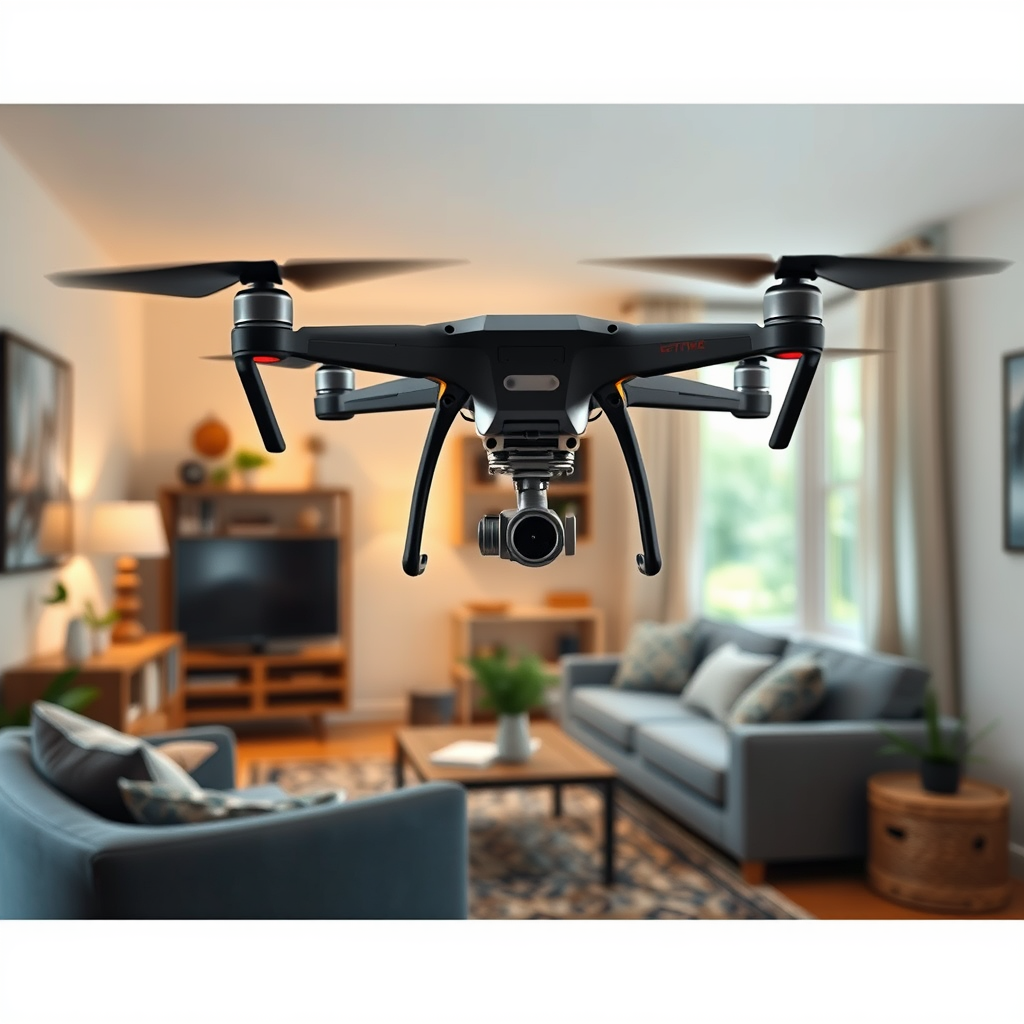
The advent of drones equipped with high-definition cameras has raised significant privacy concerns among homeowners. These devices can easily capture images and videos from above, leading to potential invasions of privacy. For example, if a drone hovers over your property, it might inadvertently capture footage of your home, family, or private activities, which can be unsettling for many people.
To address these concerns, many states have enacted laws to protect individuals from unauthorized surveillance. For instance, some states categorize drone-based filming as a form of invasion of privacy, particularly if the operator is intentionally trying to capture images of individuals without their consent. As a homeowner, it is crucial to be aware of these laws and to understand your rights when it comes to privacy and drone usage in your area.
Local Ordinances and Restrictions
In addition to federal regulations, many cities and municipalities have instituted their own rules governing drone usage. These local ordinances can vary widely, impacting where drones can be flown and under what circumstances. For example, some urban areas may have stricter regulations that prohibit drone flights over densely populated neighborhoods or sensitive locations such as schools or hospitals.
Homeowners should familiarize themselves with local laws regarding drone operations, especially if they have concerns about drones flying over their property. Checking with local government websites or agencies can provide valuable insights into specific restrictions that may be in place. This knowledge can help homeowners advocate for their rights and ensure that drone operators comply with local regulations.
Reporting Unauthorized Drone Activity
If you suspect that someone is flying a drone over your property inappropriately, it is essential to document these incidents meticulously. Take note of the time, date, and any identifying features of the drone, such as its size, color, and any visible markings or lights. This information can be crucial if you need to escalate the situation.
After collecting evidence, consider contacting local authorities or law enforcement, especially if you believe your privacy is being violated. Many jurisdictions have specific protocols for reporting drone-related incidents, and law enforcement can assist in determining whether the drone operation is lawful or if it violates any local ordinances.
Furthermore, engaging in community discussions about drone usage can help raise awareness of these issues. Neighborhood meetings or local forums can provide a platform for residents to voice their concerns and advocate for more comprehensive regulations if necessary.
Drones and Airspace Rights
While property owners generally hold rights to the airspace above their land, there is an ongoing debate regarding the extent of these rights, particularly in relation to drone operations. Under common law, property owners may assert control over a certain vertical extent of airspace, but this can be complicated by federal regulations that govern air traffic.
The FAA maintains that it has jurisdiction over navigable airspace, which includes airspace utilized by drones. This means that while you may have rights to the airspace directly above your property, those rights do not necessarily prevent drone operators from flying their devices over your home, as long as they comply with FAA regulations. Understanding this balance between property rights and airspace regulations is critical for homeowners who wish to protect their privacy while also recognizing the rights of drone operators.
Mitigating Drone Disturbances
If you feel that drone activity in your area is intrusive, there are several proactive measures you can take to mitigate disturbances. One practical solution is to use privacy screens or landscaping to obscure visibility from drones. Tall hedges, trees, or fences can create barriers that limit aerial views of your property, providing some degree of privacy.
Additionally, consider engaging with local community groups or neighborhood associations to discuss drone usage and express any concerns. These discussions can lead to collective action, such as advocating for stronger local regulations or organizing community awareness campaigns about responsible drone usage.
Promoting education and awareness among drone operators can also help mitigate disturbances. Encouraging operators to respect privacy and adhere to local regulations can foster a more harmonious coexistence between drone enthusiasts and homeowners.
In conclusion, while it is generally legal for someone to fly a drone over your house, there are important regulations and privacy laws to consider. Understanding the FAA’s guidelines, local ordinances, and your rights as a homeowner will empower you to address any concerns regarding drone activity in your area. By staying informed and proactive, you can navigate the complexities of drone usage and protect your privacy effectively.
Frequently Asked Questions
Can someone legally fly a drone over my house without permission?
Yes, in many jurisdictions, it is legal for someone to fly a drone over private property, including your house, as long as they follow federal regulations set by the Federal Aviation Administration (FAA) and do not engage in invasive activities. However, local laws may vary, and some areas have specific restrictions regarding drone flights, especially in residential neighborhoods. It’s essential to be aware of your local regulations to understand your rights and any potential actions you can take.
What can I do if a drone is flying over my house and making me uncomfortable?
If you feel uncomfortable with a drone flying over your property, start by documenting the drone’s activity, including times, dates, and any identifiable features. You can then reach out to local law enforcement or your neighborhood association to inquire about the drone’s legality and express your concerns. Additionally, understanding your local laws regarding drone use can help you take appropriate action, whether through formal complaints or discussions with the drone operator if you identify them.
Why are drones flying over my house, and what are they typically used for?
Drones can fly over residential areas for various reasons, including aerial photography, surveying land, monitoring wildlife, or even recreational activities. Commercial drone operators often conduct inspections or mapping services, while hobbyists may be capturing scenic views or racing drones. Understanding the purpose behind these flights can help alleviate concerns, as many drone operators are required to follow regulations that ensure safety and privacy.
What are the best practices for flying a drone near residential areas?
The best practices for flying a drone near residential areas include adhering to the FAA’s guidelines, which require maintaining a line of sight, flying below 400 feet, and avoiding crowds. Drone operators should also respect people’s privacy by not capturing images or video of individuals without consent. It’s advisable for operators to inform neighbors about their activities, which can foster goodwill and reduce tensions related to drone flights.
Which laws regulate drone flights over private property in the United States?
In the United States, drone flights are primarily regulated by the FAA, which outlines rules for recreational and commercial drone use. While federal law allows drones to fly over private property, state and local laws may impose additional restrictions, such as no-fly zones or privacy concerns. Familiarizing yourself with both federal and local regulations will help you understand your rights and the limitations applicable to drone operators in your area.
References
- https://en.wikipedia.org/wiki/Drone_regulation
- https://www.faa.gov/uas/getting_started/
- https://www.nolo.com/legal-encyclopedia/drone-laws-your-rights-29780.html
- https://www.theguardian.com/technology/2021/jun/14/drone-regulation-uk-uk-government
- https://www.ncsl.org/research/transportation/drone-laws.aspx
- https://www.aclu.org/news/privacy-technology/what-you-need-to-know-about-drones-and-your-privacy
- https://www.privacyinternational.org/explainer/4558/drones-and-privacy
- https://www.nytimes.com/2020/10/21/us/drone-privacy.html
