

Yes, someone can fly a drone over your property, but there are specific regulations and considerations that govern this practice. Understanding these rules can help you navigate concerns related to privacy, property rights, and safety. The rise of drone technology has led to increased interest and questions about the legality of drone flights over private land, prompting a need for clarity on the subject.
Legal Regulations on Drone Usage
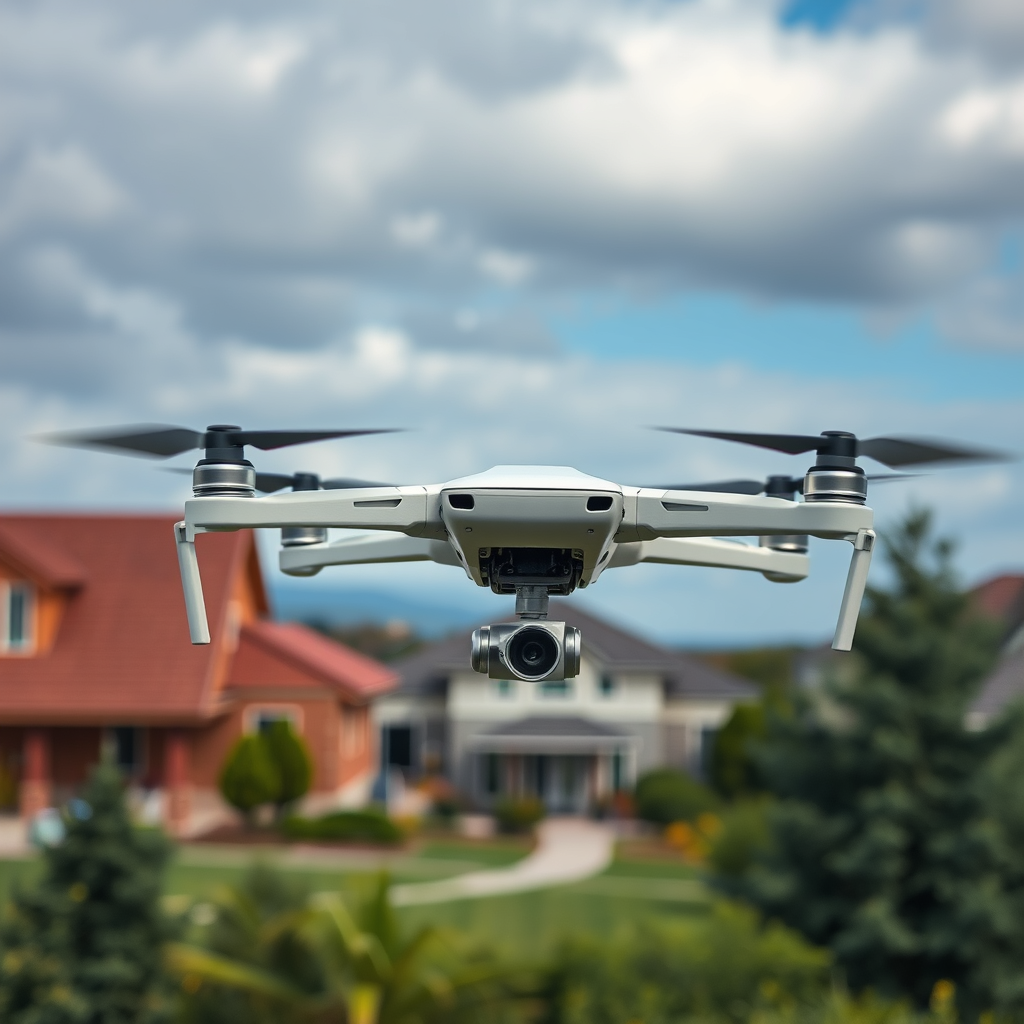
The Federal Aviation Administration (FAA) is the primary regulatory body overseeing drone operations in the United States. According to FAA regulations, drones are generally required to be flown below 400 feet and must avoid populated areas unless the operator has obtained special permissions. This regulation is primarily aimed at ensuring the safety of air traffic and minimizing the risk of accidents.
In addition, drone operators must adhere to specific operational guidelines, which include maintaining visual line-of-sight with the drone and not flying at night unless they have received a waiver. These rules apply to both commercial and recreational drone users. For example, a drone operator capturing aerial photography for a real estate listing must comply with these regulations to ensure they are operating legally. Failure to follow FAA rules can result in significant penalties, including fines and the suspension of flying privileges.
Property Rights and Airspace
When it comes to property rights, owners generally have control over the airspace directly above their land to a certain height, often referred to as the “right to airspace.” Historically, this right has been interpreted to mean that property owners have some degree of ownership over the airspace, but this concept becomes complex when considering FAA jurisdiction.
The FAA asserts its authority over navigable airspace, which includes the airspace needed for safe flight operations. This means that while you may own the space above your property, the FAA regulates how drones can operate within that airspace. Legal disputes have arisen over this duality; for instance, in the case of United States v. Causby, the court ruled that while property owners have rights to the airspace, the government has the right to regulate its use for aviation purposes. This ruling illustrates the tension between private property rights and federal regulations, making it essential for property owners to understand their legal standing in relation to drone activity.
Privacy Concerns
Privacy is another significant consideration when it comes to drone usage. Drones equipped with high-resolution cameras can easily capture images and videos of private property, potentially infringing on individuals’ right to privacy. This concern is particularly acute in residential areas, where a drone flying overhead could inadvertently document private activities or intimate moments.
Many states have enacted laws to address drone surveillance and protect citizens from unwanted intrusion. For example, California’s drone privacy laws prohibit drones from being used to capture images of individuals or their property without consent. Such regulations are designed to safeguard personal privacy and mitigate the potential for harassment or invasion of personal space. If you believe your privacy is being compromised by a drone, it’s crucial to familiarize yourself with your state’s specific legislation regarding drone surveillance, as this knowledge can empower you in addressing any violations.
How to Address Drone Activity Over Your Property
If you find yourself troubled by drone activity over your property, the first step is to document the occurrences. Keep a record of dates, times, and any identifiable features of the drone or its operator. This information can be invaluable if you need to escalate your concerns.
Once you have sufficient documentation, consider reaching out to the drone operator directly. It may be that the operator is unaware of the disturbance they are causing and could be willing to adjust their flight path. Open communication can often resolve misunderstandings amicably. However, if the situation does not improve or if you feel uncomfortable approaching the operator, it is advisable to report the activity to local authorities. Depending on the nature of the concerns, you may contact local law enforcement, your neighborhood association, or even the FAA itself to seek guidance on the next steps.
Reporting Violations
To effectively address any drone violations, becoming familiar with local drone regulations is essential. Each state and municipality may have specific laws governing drone use, which can vary widely. For example, some cities have implemented no-fly zones over public parks or residential neighborhoods to minimize disturbances.
If you believe a drone operator is violating these regulations, you should utilize official channels to report the issue. The FAA provides an online reporting system for drone incidents, which can help ensure that your concerns are documented and investigated. Additionally, local law enforcement may also have procedures in place for handling drone-related complaints. Knowing how to navigate these systems can aid in addressing potential violations effectively.
Taking Preventative Measures
If you are concerned about drone activity disrupting your privacy or peace of mind, there are several preventative measures you can take. Installing privacy screens or using landscaping features, such as tall trees or hedges, can help obscure views from above and create a more private atmosphere in your yard.
Moreover, open communication with your neighbors can foster a sense of community and mutual understanding regarding drone usage. Establishing informal agreements about when and how drones may be flown can alleviate tensions and prevent conflicts from arising. By taking proactive steps, you can enhance your property’s privacy while still respecting the rights of drone operators.
In summary, while drones can legally fly over your property under certain conditions, a complex interplay of laws and regulations governs this practice. Understanding FAA rules, property rights, and privacy concerns is crucial for anyone affected by drone activity. By being informed and proactive, you can effectively navigate any issues that may arise and ensure that your rights and privacy are respected.
Frequently Asked Questions
Can someone legally fly a drone over my property without my permission?
Yes, under current regulations in many countries, including the United States, drone operators can legally fly drones over private property as long as they are within the legal altitude limits and comply with Federal Aviation Administration (FAA) guidelines. However, this does not mean that their activities are without restrictions; privacy laws may still apply, and operators cannot use drones to invade someone’s privacy or engage in harassment.
What are my rights if a drone is flying over my property?
Your rights regarding drones flying over your property vary by jurisdiction but generally include the right to privacy. If a drone is capturing images or video of you without consent, you may have grounds for a complaint under privacy laws. It’s advisable to document any incidents and consult local laws or an attorney to explore your options if you believe your rights are being violated.
How can I report a drone flying over my property?
To report a drone flying over your property, contact local law enforcement or the FAA if the drone is being operated in a manner that violates regulations, such as flying too low or near airports. You can also file a complaint through the FAA’s drone reporting system if you suspect the drone operator is acting irresponsibly or infringing on your privacy. Always gather as much information as possible, including the time, location, and any identifying details of the drone.
Why do people fly drones over private properties?
People fly drones over private properties for various reasons, including aerial photography, surveying land, or recreational purposes. Some may also be conducting inspections or monitoring agricultural areas. While many operators have legitimate reasons, it is important for them to respect others’ privacy and to be aware of laws regulating drone use to avoid conflicts with property owners.
What should I do if a drone is bothering me in my backyard?
If a drone is bothering you in your backyard, the first step is to try to identify the operator and speak to them calmly about your concerns. If this is not possible or the drone continues to intrude on your privacy, document the incidents, including the date, time, and behavior of the drone. You can then contact local authorities or law enforcement for assistance, especially if the drone is violating any laws or regulations.
References
- https://en.wikipedia.org/wiki/Drone#Legal_issues
- https://www.faa.gov/uas/
- https://www.nolo.com/legal-encyclopedia/drone-law-what-you-need-know-29747.html
- https://www.ama-association.org/about-ama/press-releases/2021/10/06/what-you-need-to-know-about-drone-regulations/
- https://www.washingtonpost.com/technology/2020/07/01/drones-property-rights/
- https://www.aclu.org/news/privacy-technology/what-are-your-rights-when-it-comes-to-drones
- https://www.nytimes.com/2019/06/06/us/drone-privacy-laws.html
- https://www.nist.gov/news-events/news/2021/10/drone-privacy-and-safety-what-you-need-know
