
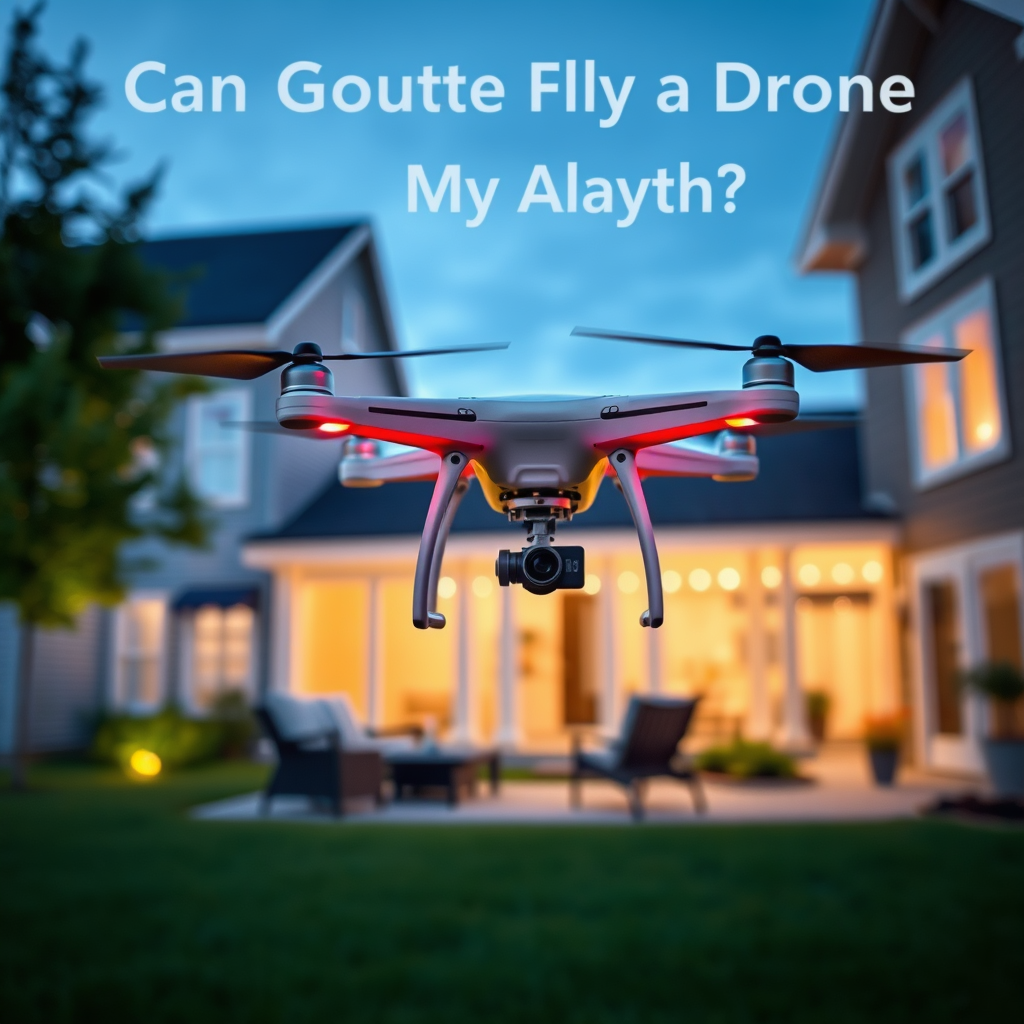
Yes, someone can legally fly a drone over your yard, but there are specific regulations and privacy concerns to consider. The Federal Aviation Administration (FAA) has established guidelines that govern drone operations, which include altitude restrictions and regulations regarding where drones can be flown. Understanding these rules is essential for protecting your privacy and ensuring that drone enthusiasts can responsibly enjoy their hobby.
Understanding Drone Regulations

The Federal Aviation Administration (FAA) governs drone operations in the U.S., providing a framework to ensure safety in the airspace. Drones must be flown below 400 feet to avoid interfering with manned aircraft, and operators must maintain visual line-of-sight with their drones. Furthermore, flying over people without their consent is prohibited unless the operator obtains a special waiver. These regulations are designed to balance the interests of drone operators with public safety and privacy concerns.
The FAA also categorizes drone operations into two main categories: recreational and commercial. Recreational pilots must adhere to the FAA’s “Recreational Model Aircraft Rules,” which include guidelines for flying in controlled airspace and restrictions on commercial use. Commercial operators, on the other hand, must obtain a Part 107 certification, which requires more extensive knowledge of airspace regulations and safety protocols. Understanding these distinctions is crucial for anyone concerned about drone activity over their property.
Privacy Considerations
Flying a drone over your property may raise significant privacy issues. Drones are often equipped with high-resolution cameras that can capture images and videos from considerable distances. This capability can lead to intrusive surveillance, depending on the intent of the operator. While the FAA has jurisdiction over airspace usage, privacy concerns often fall under state law, which can vary significantly from one jurisdiction to another.
For instance, some states have enacted laws specifically addressing drone surveillance, making it illegal to record individuals on private property without consent. California, for example, has laws that prohibit using drones to invade someone’s privacy, which can include filming or taking photographs of individuals in their backyards. It’s essential for homeowners to familiarize themselves with local laws regarding drone surveillance to understand their rights fully.
Local Laws and Restrictions
In addition to federal regulations, local ordinances regarding drone use can vary widely across different communities. Some municipalities have enacted specific rules that restrict drone operations in residential areas or near sensitive locations such as schools, parks, or hospitals. For example, a city may implement “no-fly zones” where drone flight is prohibited altogether, or require drone operators to obtain permits for flying in residential neighborhoods.
To ensure that you are informed about local laws, consider visiting your city or county’s official website or contacting local authorities. Being proactive about understanding these regulations can empower homeowners to take appropriate action if they believe their privacy is being compromised by drone activity.
Reporting Unlawful Drone Activity
If you suspect that a drone is invading your privacy or operating unlawfully, it is crucial to know your rights and the steps to take. Individuals have the right to report drone activity that they believe is violating privacy laws or local ordinances. You can report unlawful drone activity to local law enforcement or the FAA, providing details such as the drone’s appearance, the operator’s location, and any license plate numbers if applicable.
The FAA has a dedicated webpage for reporting unsafe or unlawful drone operations, which allows the public to submit complaints directly. It’s important to document your experience and gather evidence, such as photographs or videos, to support your claims. Understanding how to navigate this reporting process can be a valuable tool for homeowners concerned about drone usage in their vicinity.
Taking Action for Your Privacy
If you are uncomfortable with the idea of drones flying over your property, there are several steps you can take to protect your privacy. One effective option is to install privacy fences or use outdoor screens to obscure the view of your yard from above. Landscaping features, such as tall trees or shrubs, can also serve as natural barriers that deter drones from hovering over your property.
Another proactive approach is to engage in open dialogue with your neighbors or local drone operators. By discussing your concerns, you may find that many drone enthusiasts are respectful of privacy and willing to avoid flying over your yard. Establishing community guidelines or norms regarding drone usage can foster a cooperative atmosphere and minimize potential conflicts.
Drone Technology and Safety
Drones are equipped with advanced technology, including high-definition cameras, GPS systems, and obstacle avoidance sensors. While these features enhance the flying experience, they also raise significant privacy concerns. For instance, a drone equipped with a camera can capture detailed images of private property, potentially leading to unauthorized surveillance.
Safe flying practices are essential to prevent accidents and invasions of privacy. Operators should be trained in the proper use of their equipment and adhere to all applicable regulations. Drones should not be flown near airports or populated areas unless proper permissions are obtained. Collective responsibility among drone operators and the community can go a long way in ensuring that drone technology is used safely and respectfully.
In conclusion, while someone can legally fly a drone over your yard, it is essential to be aware of the regulations and privacy implications involved. Understanding FAA guidelines, local laws, and taking proactive measures can help you protect your privacy. If you feel uncomfortable with drone activity near your property, explore your options for addressing these concerns. Staying informed and proactive is key to enjoying the benefits of drone technology while safeguarding your personal space.
Frequently Asked Questions
Can someone legally fly a drone over my yard without permission?
Yes, in many cases, someone can legally fly a drone over your yard without your permission, as long as they comply with local, state, and federal regulations. The Federal Aviation Administration (FAA) allows drones to fly in unrestricted airspace, which typically includes residential areas. However, privacy laws can vary by state, so it’s important to check local laws regarding drone use and privacy rights.
What should I do if I see a drone flying over my property?
If you see a drone flying over your property and feel uncomfortable, the first step is to determine whether it’s operating within legal parameters. You can check the FAA guidelines and local regulations to see if the drone is allowed to be there. If you believe the drone is being used for invasive purposes, such as spying, you may want to contact local law enforcement to report the situation.
How can I prevent drones from flying over my yard?
While you cannot completely prevent drones from flying over your yard due to airspace regulations, there are steps you can take to discourage their presence. Installing privacy screens, planting tall trees, or using noise deterrents can potentially make your yard less appealing to drone operators. Additionally, talking to your neighbors and educating them about drone privacy issues may foster a more considerate community environment.
What are the privacy laws concerning drones flying over private property?
Privacy laws regarding drones vary significantly by location. Generally, if a drone is flying at a legal altitude and not using invasive surveillance techniques, the operator may not violate privacy laws. However, states like California and Florida have enacted specific laws that protect individuals from being recorded without consent. It’s essential to familiarize yourself with your state’s specific drone laws to understand your rights better.
Which drones are commonly used for surveillance over private property?
Many drones are capable of surveillance, including popular models like the DJI Phantom series, DJI Mavic, and Parrot Anafi. These drones come equipped with high-resolution cameras and have flight capabilities that allow them to capture detailed images and videos. If you’re concerned about privacy, knowing the features of these common surveillance drones can help you understand the potential risks associated with their use near your property.
References
- https://en.wikipedia.org/wiki/Drone_regulation
- https://www.faa.gov/uas/getting_started/
- https://www.nolo.com/legal-encyclopedia/drone-law-what-you-need-know-29739.html
- https://www.aclu.org/news/free-speech/drone-surveillance-and-the-need-for-privacy-protections
- https://www.loc.gov/law/help/drone-law/index.php
- https://www.nytimes.com/2021/04/15/us/drone-laws.html
- https://www.techlawjournal.com/topical/drone-privacy/
