
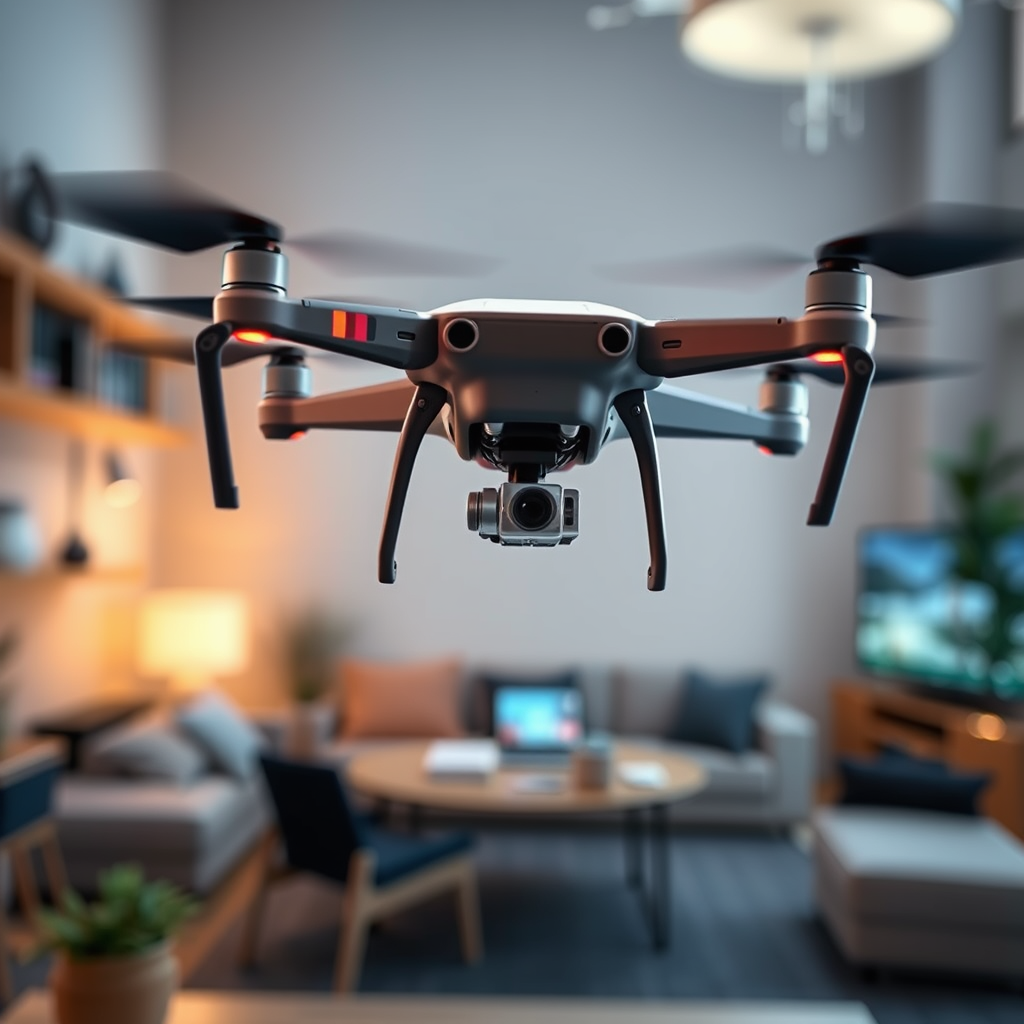
Yes, the FAA can track your drone, especially if it is equipped with certain technology. As drone usage becomes more widespread, the FAA has implemented various regulations, including tracking mechanisms to ensure safety and compliance. This article will delve into how the FAA tracks drones, the technologies involved, and what drone operators need to know.
The FAA’s Role in Drone Regulation
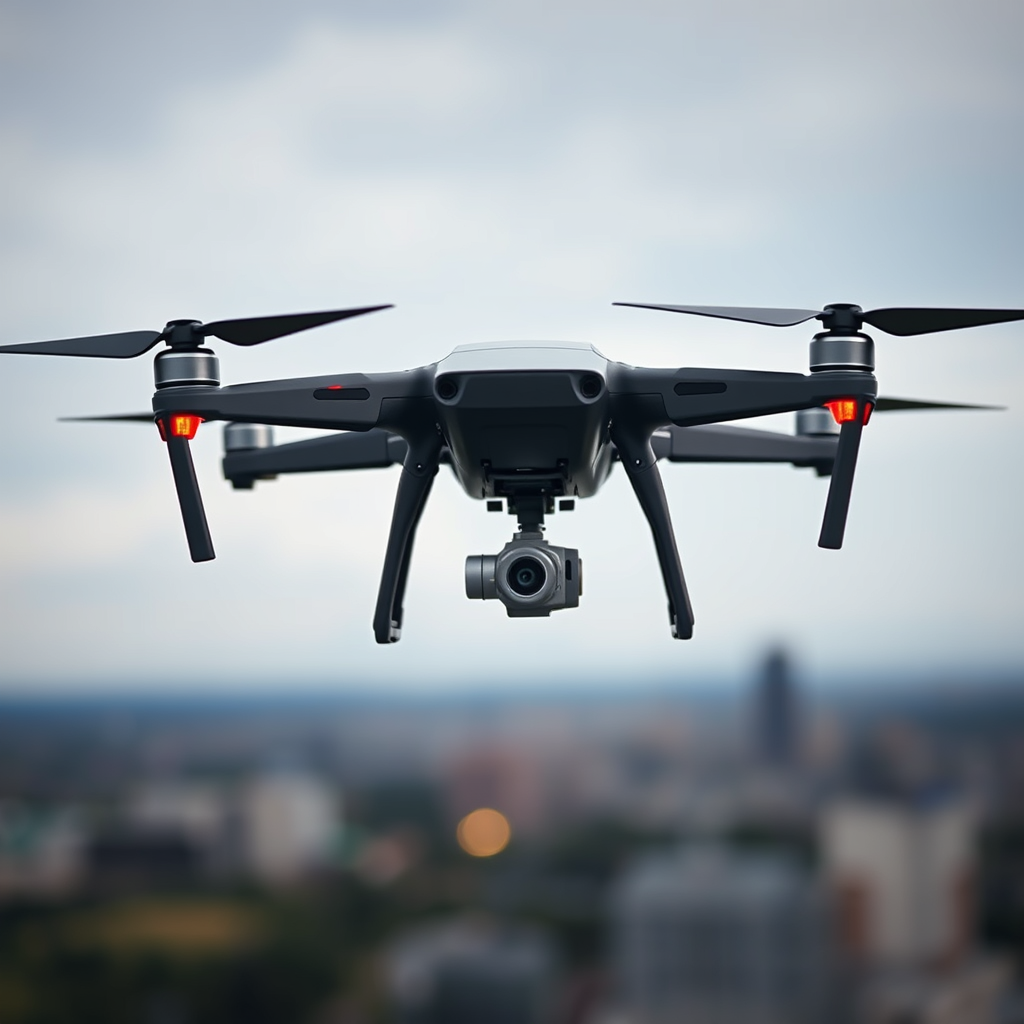
The Federal Aviation Administration (FAA) oversees all air traffic in the United States, which includes the growing sector of drone operations. As drones have become more prevalent in various industries—ranging from agriculture to photography—the FAA has established rules and guidelines to ensure these devices can safely coexist with manned aircraft in national airspace. The FAA’s primary role is to facilitate the safe and efficient use of airspace while minimizing risks to people and property both in the air and on the ground.
The FAA’s regulations have evolved in response to the increasing capabilities and use cases of drones. For instance, the introduction of the Part 107 rules has set a framework for commercial drone use, which includes stipulations on pilot certification, operational limits, and maintenance requirements. The integration of drones into the National Airspace System (NAS) is ongoing, and the FAA continues to refine these regulations to address safety concerns while fostering innovation in this burgeoning industry.
Drone Identification Requirements
One of the key aspects of FAA regulations regarding drone operations is the identification requirements. Drones that weigh over 0.55 pounds (250 grams) must be registered with the FAA before they can be flown in U.S. airspace. This registration process not only assists in tracking but also helps ensure accountability among drone operators. The FAA provides a straightforward online registration system, making it accessible for both recreational and commercial users.
Moreover, the FAA has introduced Remote Identification (Remote ID) technology, which allows for real-time identification of drones in flight. Remote ID serves a purpose similar to a license plate for vehicles. It transmits information about the drone’s location, altitude, and the identity of the operator to nearby authorities and other drones. Starting from September 2023, compliance with Remote ID requirements became mandatory for many drone operators, marking a significant change in how the FAA tracks drone activities and enhances safety.
Technologies Used for Tracking Drones
Tracking drones effectively involves various technologies, with GPS (Global Positioning System) being the most commonly employed. GPS technology provides precise location data, enabling operators to monitor their drones during flight. It is also essential for the FAA to track drone movements, especially when considering the proximity to restricted airspaces or other aircraft.
In addition to GPS, Remote ID technology plays a crucial role in tracking drones. This system enables the transmission of specific data, including the drone’s unique identifier, its location, and the operator’s information. Remote ID can be broadcasted directly from the drone or sent through a network connection. This capability allows law enforcement and other regulatory bodies to identify and monitor drones in real-time, enhancing situational awareness and response capabilities.
Recent advancements in drone technology, such as the integration of artificial intelligence and machine learning, are also influencing tracking methods. These innovations promise to improve tracking accuracy and facilitate better management of drone traffic in increasingly crowded airspaces.
Privacy Considerations
While the FAA’s tracking mechanisms are primarily designed to enhance safety, they also raise important privacy considerations. The implementation of Remote ID means that data about drone flights, including location and operator identity, is accessible to third parties. This raises questions about how this information will be used and protected.
Drone operators must understand their responsibilities concerning data protection and privacy rights. The FAA emphasizes that while tracking technology is vital for regulation and safety, it should not infringe upon the privacy of individuals. Operators should be aware of local laws regarding privacy and ensure that their drone operations do not violate the rights of others. This includes adhering to guidelines for flying over private property and respecting no-fly zones.
Balancing safety and privacy will continue to be a critical focus for the FAA as drone technology evolves. As a drone operator, being informed about these considerations can help you navigate the complexities of compliance while maintaining respect for privacy in your operations.
Implications for Drone Operators
For drone operators, compliance with FAA regulations is essential to avoid fines or penalties, which can be significant. Understanding the tracking technologies and identification requirements is crucial for responsible drone operation. Failure to comply with these regulations can lead not only to financial repercussions but also to restrictions on future flying activities.
Additionally, being knowledgeable about tracking technologies can empower drone operators to make informed decisions regarding their equipment and operational practices. For instance, investing in drones equipped with Remote ID capabilities can streamline compliance and enhance safety. Moreover, staying updated on regulatory changes and best practices can help operators mitigate risks associated with drone flights, ensuring a smooth operational experience.
Engaging with community resources or professional organizations also provides valuable insights and support for navigating the regulatory landscape. Networking with other drone operators can lead to shared experiences and strategies for compliance and safety.
Future of Drone Tracking
The future of drone tracking is poised for significant advancements as the FAA continues to develop regulations in response to technological innovations. With the anticipated increase in drone usage across various sectors, including delivery services, public safety, and infrastructure inspections, the FAA is expected to refine its tracking and identification requirements continually.
Increased integration of drones into commercial airspace is on the horizon. This will likely necessitate more advanced tracking systems capable of managing higher volumes of drone traffic while ensuring safety. The FAA is exploring concepts such as UTM (Unmanned Aircraft System Traffic Management) to facilitate this integration, which will rely heavily on effective tracking mechanisms.
As drone technology becomes more sophisticated, we can expect to see enhanced tracking capabilities that not only support regulatory compliance but also contribute to the overall safety and efficiency of airspace management. Operators must stay vigilant and adaptable to these changes, ensuring that they maintain compliance and leverage new technologies to enhance their operational practices.
In conclusion, the FAA does have the capability to track your drone, primarily through registration and Remote ID technologies. As a drone operator, it’s crucial to stay informed about these regulations to ensure safe and compliant operations. Understanding the nuances of tracking mechanisms and compliance requirements will not only help prevent legal issues but also contribute to the responsible integration of drones into the national airspace. For more information on staying compliant, consider reviewing the latest FAA guidelines and engaging with professional drone communities.
Frequently Asked Questions
Can the FAA track my drone in real-time?
Yes, the FAA can track your drone in real-time if it is equipped with Remote ID capabilities. Remote ID is a system that requires most drones weighing over 0.55 pounds to broadcast identifying information, including the drone’s location, altitude, and the pilot’s location. This system enables the FAA and other authorities to monitor drone operations, enhancing safety and accountability in the national airspace.
How does the FAA track drones?
The FAA tracks drones primarily through the Remote ID system, which was mandated for most commercial and recreational drones. When a drone transmits its identification and location data via a secure signal, the FAA and law enforcement can receive this information using compatible receivers. This tracking mechanism helps improve airspace safety and facilitates compliance with federal regulations.
Why does the FAA want to track drones?
The FAA aims to track drones to ensure safety in the national airspace, protect manned aircraft, and mitigate risks associated with unauthorized drone operations. By monitoring drone activity, the FAA can better manage airspace congestion and enforce regulations, thereby preventing accidents and enhancing public safety. The tracking system also helps in identifying irresponsible or illegal drone use.
What are the best practices for drone pilots to comply with FAA tracking requirements?
To comply with FAA tracking requirements, drone pilots should ensure their drones are equipped with Remote ID capabilities if required. Additionally, pilots must register their drones with the FAA, fly within designated airspace and altitude limits, and adhere to local regulations. Staying informed about updates to FAA regulations and participating in safety education can also help pilots operate responsibly and legally.
Which drones are exempt from FAA tracking requirements?
Drones that weigh less than 0.55 pounds (250 grams) are generally exempt from the FAA’s Remote ID requirements. However, it’s important to note that all drone operators must still adhere to other FAA regulations, such as flying below 400 feet, avoiding restricted airspace, and maintaining visual line of sight with their drones. Always verify the latest regulations, as exemptions may change over time.
References
- https://www.faa.gov/uas/getting_started/remote_id
- https://www.faa.gov/uas/
- https://www.faa.gov/uas/resources/policy_library/
- https://www.wired.com/story/faa-drone-tracking-remote-id/
- https://www.nytimes.com/2021/12/28/technology/faa-drone-remote-id.html
- https://www.reuters.com/article/us-usa-drone-id-idUSKBN2H10ZO
