

Yes, the government can monitor your DJI drone flights to a certain extent. Through a combination of regulations, technology, and collaborative efforts with local authorities, agencies such as the Federal Aviation Administration (FAA) can track drone activities to ensure compliance with safety standards. Understanding the nuances of these regulations, the technologies involved, and their implications for drone enthusiasts is essential for responsible flying.
Understanding Drone Regulations
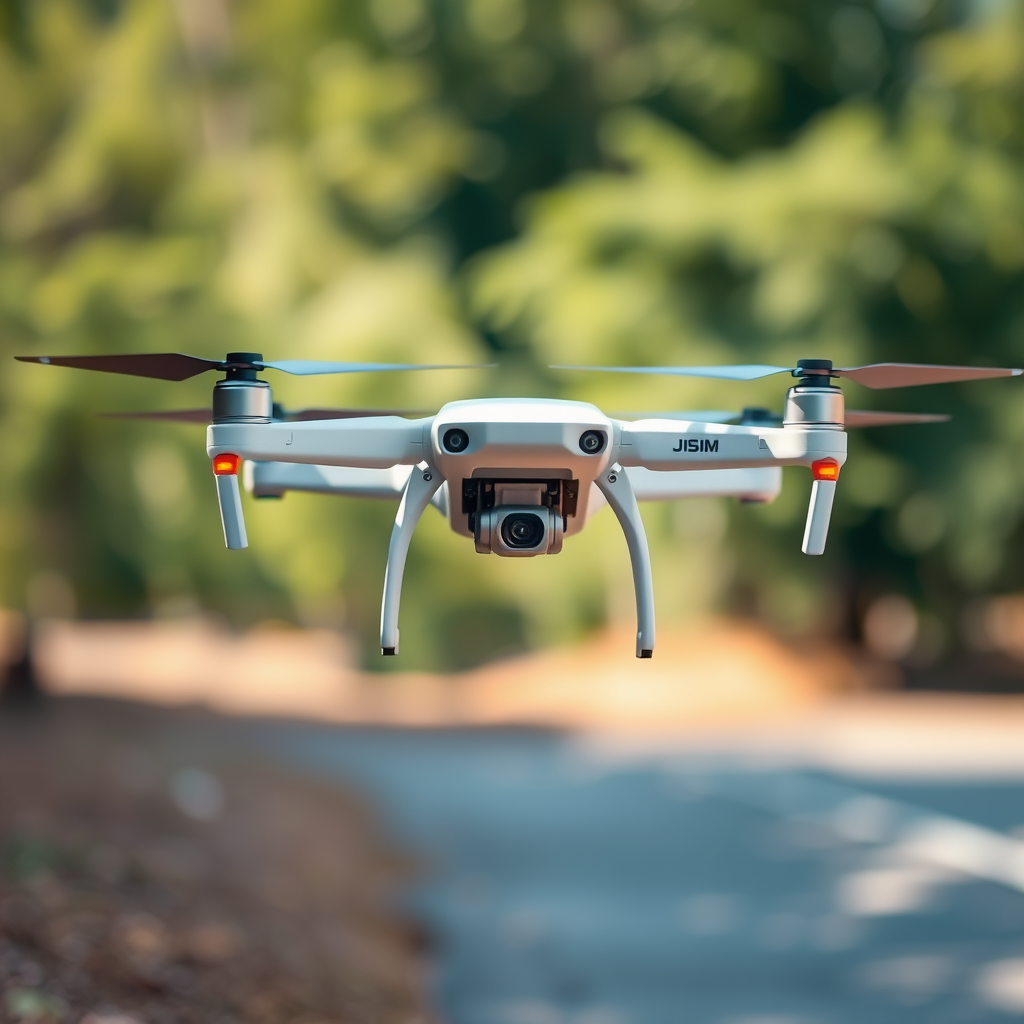
Drone regulations are primarily enforced by the FAA in the United States, which has established rules to ensure the safety of both drone operators and the general public. The FAA requires that all drones weighing over 0.55 pounds be registered, which creates a database of drone owners and their aircraft. This registration includes providing personal information, such as the operator’s name and address. Additionally, drone operators must adhere to specific operational guidelines, such as maintaining visual line-of-sight with the drone, flying below 400 feet, and avoiding restricted airspace, which may include areas near airports, military bases, and other sensitive locations.
In many cases, additional permits may be required for commercial drone operations, such as obtaining a Part 107 certification. This certification ensures that the operator is knowledgeable about the regulations governing commercial drone use, including airspace classifications and weather conditions. By adhering to these regulations, drone operators not only contribute to aviation safety but also reduce the risk of government scrutiny.
How Government Agencies Track Drone Flights
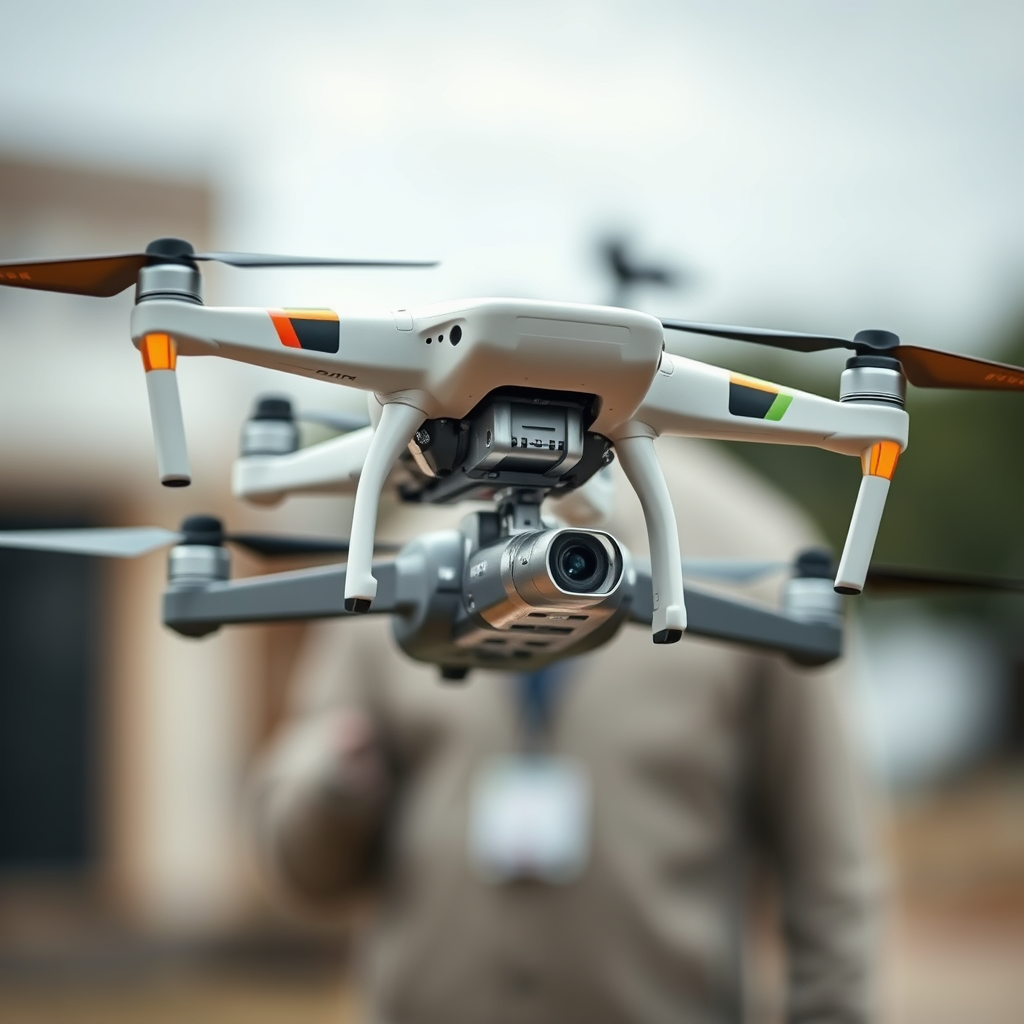
Government agencies utilize a variety of technologies to monitor drone flights. One of the primary methods is through radar and satellite systems, which track all airborne objects in designated airspace. While traditional radar is effective for larger aircraft, newer technologies are being developed to detect smaller drones, which can operate at lower altitudes and often go unnoticed by conventional radar systems.
Moreover, local law enforcement agencies and aviation authorities often collaborate with the FAA to monitor drone activities. This cooperation can involve information sharing and the deployment of specialized equipment designed to identify and track drones. For instance, some police departments have begun using drone detection technology that can identify the radio frequencies emitted by drones, allowing them to ascertain the location and potentially the operator of the drone. This means that while flying your DJI drone, you may be subject to monitoring without your knowledge.
The Role of Remote ID
Remote ID is a groundbreaking technology that was introduced by the FAA to address the challenges of tracking drones in airspace. It functions similarly to a vehicle’s license plate, providing a unique identification number for each drone. This technology requires drone manufacturers to incorporate Remote ID capabilities into their devices, allowing for real-time tracking of drone flights by government agencies and the public.
Under the Remote ID requirements, drones must broadcast their location, altitude, and identification information via Wi-Fi or Bluetooth. This means that even if a drone operator is flying in a remote area, their activities can still be tracked by authorities. As of September 2023, compliance with Remote ID regulations is mandatory, and failure to adhere can result in penalties. The implementation of Remote ID is a significant step toward enhancing safety and accountability in the drone industry, although it raises questions about privacy for operators.
Privacy Concerns for Drone Operators
As government tracking of drone flights becomes more prevalent, privacy concerns for drone operators have emerged. The balance between ensuring public safety and preserving individual privacy is a complex issue. While the intent behind monitoring drone activities is to prevent accidents and illegal activities, operators may worry about how their data is collected and used.
The data collected through Remote ID includes flight paths, operator information, and potential associations with specific locations. This information can be accessed by government authorities, but it also raises concerns about surveillance and the potential for misuse. For example, if a drone operator frequently flies over certain areas, this data could be used to infer personal habits or interests, undermining the operator’s right to privacy.
Drone enthusiasts should be aware of these concerns and consider how they can protect their personal information while still complying with regulations. Engaging in responsible flying practices and understanding how data is collected and used can help alleviate some of these worries.
What You Can Do to Stay Compliant
Ensuring compliance with local drone regulations involves several proactive steps. First and foremost, registering your drone with the FAA is essential, as this will keep your information up to date in case of any changes in ownership or contact details. Additionally, staying informed about the latest regulations, including Remote ID requirements, is crucial. The FAA’s website is an excellent resource for updates and guidance on drone operations.
Another important aspect of compliance is understanding the airspace in which you are flying. Utilize apps and tools that provide real-time information about restricted areas, temporary flight restrictions (TFRs), and other pertinent data that can influence your flight decisions. Before taking off, always conduct a thorough pre-flight checklist that includes assessing weather conditions and ensuring you are operating in a safe environment.
Lastly, consider joining local drone clubs or online communities where you can share insights, ask questions, and stay informed about any changes in regulations or best practices in drone flying.
Future Trends in Drone Surveillance
As drone technology continues to evolve, the methods of government monitoring are likely to advance as well. Future trends may include the integration of artificial intelligence (AI) and machine learning to analyze drone flight patterns and behaviors, allowing for more efficient tracking and enhanced safety measures. These technologies could enable government agencies to predict potential safety hazards or illegal activities more accurately.
Additionally, there may be further developments in Remote ID technology, potentially expanding its capabilities to include more detailed telemetry data and improved real-time tracking features. However, these advancements could also exacerbate privacy concerns, as the amount of data collected about drone operators increases.
The future may also see a greater push for international drone regulations, as drone usage continues to rise globally. Collaborative efforts among countries could lead to standardized tracking systems, enhancing safety across borders while also addressing privacy issues more comprehensively.
Understanding the implications of these trends is essential for drone operators, as it will shape the future of drone flying and regulation.
The ability of the government to track your DJI drone flights is a growing concern for many operators. Understanding the regulations that govern drone use, the technologies that enable monitoring, and the implications for privacy can enhance your flying experience. By staying informed and compliant, you can enjoy the thrill of drone flying while minimizing the risks associated with government surveillance, helping to foster a safe and responsible drone community.
Frequently Asked Questions
Can the government track my DJI drone flights?
Yes, the government can track your DJI drone flights through various means. DJI drones are often equipped with GPS technology, which logs flight data including location, altitude, and flight path. This data can be accessed by authorities, especially if you are flying in restricted airspace or violating local regulations. Additionally, the FAA (Federal Aviation Administration) requires drone operators to register their drones, which could be linked back to an individual’s flight history.
What information does the government collect about drone flights?
The government collects various types of information related to drone flights, including flight logs, registration details, and compliance with airspace regulations. When you register your DJI drone with the FAA, you provide personal information such as your name, address, and drone specifications. Moreover, flight data can be monitored through ADS-B (Automatic Dependent Surveillance–Broadcast) technology, which displays real-time information about aircraft in the vicinity, including drones.
How can I ensure my DJI drone flights remain private?
To keep your DJI drone flights as private as possible, consider flying in areas where there is no mandatory registration or where airspace restrictions are minimal. Additionally, be aware of local regulations that may require you to report your flights. You can also disable GPS tracking features on your drone, but this may limit functionality and is not recommended for safety reasons. Always adhere to legal requirements to avoid potential penalties.
Why does the government monitor drone usage?
The government monitors drone usage primarily for safety and security reasons. Drones can pose risks to manned aircraft, public safety, and privacy, which is why regulatory bodies like the FAA impose rules governing their operation. Monitoring drone flights helps authorities enforce compliance with these regulations, prevent airspace violations, and mitigate risks associated with drone usage, such as accidents or misuse for unlawful purposes.
Which laws affect the privacy of DJI drone users?
The privacy of DJI drone users is influenced by various federal and state laws. At the federal level, the FAA regulates drone operations, while privacy concerns are also addressed through laws such as the Fourth Amendment, which protects against unreasonable searches. States may have their own specific laws regarding drone privacy, including restrictions on capturing images or videos in private spaces without consent. It’s crucial for drone operators to be aware of both federal and local laws to ensure compliance and protect their privacy rights.
References
- https://www.faa.gov/uas/getting_started/registration
- https://www.nytimes.com/2021/04/27/us/drone-regulations.html
- https://www.wired.com/story/what-the-faa-knows-about-drone-operators/
- https://www.bbc.com/news/world-us-canada-50894496
- https://www.droneflyers.com/2020/06/22/can-the-government-track-your-drone/
- Policy Document Library | Federal Aviation Administration
- Find and contact elected officials | USAGov
- https://www.aau.edu/policy-and-advocacy/aviation-policy-and-regulations
