

Yes, tourists can fly drones in Mexico, but there are specific regulations and guidelines to follow to ensure compliance with local laws. Understanding these rules is essential for a hassle-free flying experience. With its breathtaking landscapes, vibrant cities, and rich cultural heritage, Mexico is a prime destination for drone enthusiasts. However, failing to adhere to local laws can lead to hefty fines or even confiscation of equipment. This guide aims to clarify the legal landscape surrounding drone use in Mexico, providing tourists with the necessary knowledge to enjoy their aerial adventures responsibly.
Overview of Drone Regulations in Mexico
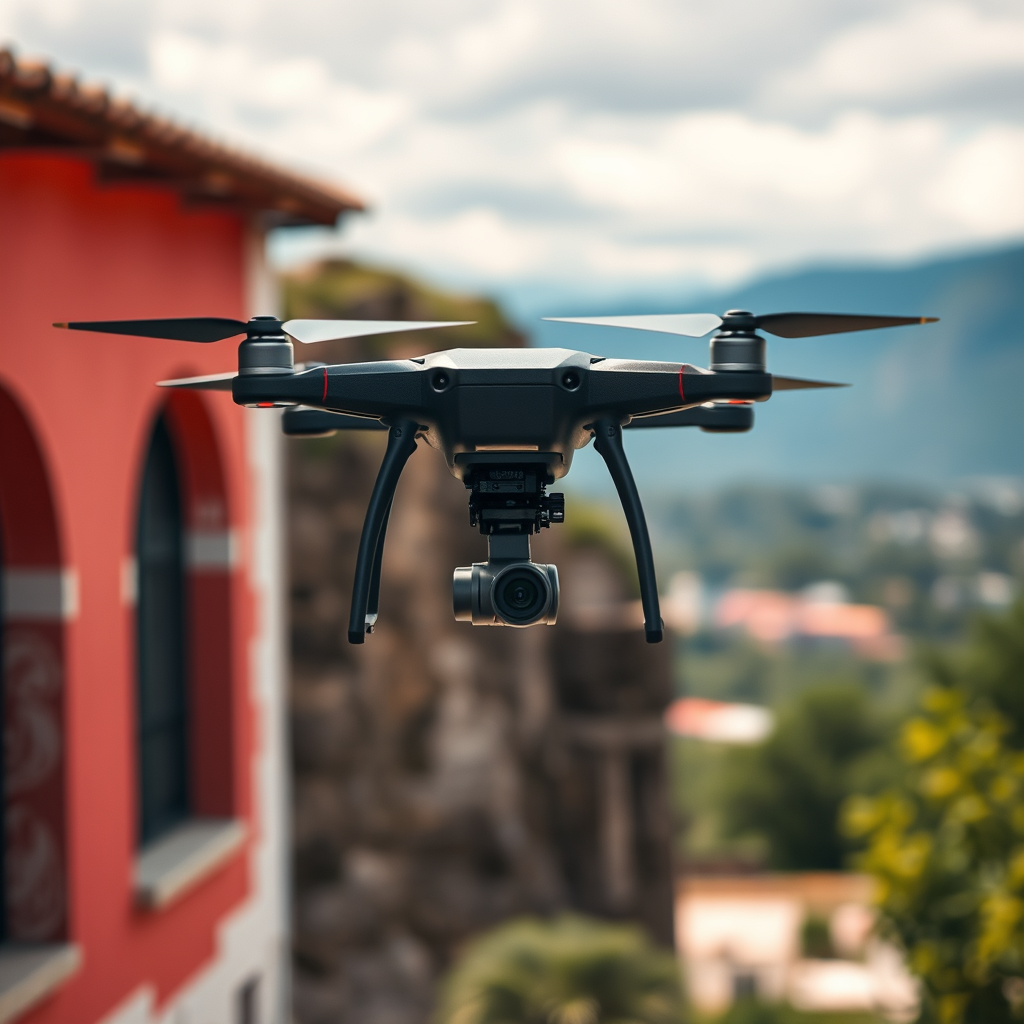
The Mexican government regulates drone usage through the Federal Civil Aviation Agency (AFAC). This body oversees all aspects of aviation, including the operation of unmanned aerial vehicles (UAVs). As of 2023, drones weighing more than 2 kg (approximately 4.4 lbs) require a permit to operate, whether for commercial or recreational purposes. This regulation aims to ensure safety in Mexican airspace and to protect sensitive areas from potential hazards associated with drone flights.
To operate a drone legally, tourists must familiarize themselves with the specific requirements set by AFAC. Registration involves providing details about the drone, including its weight, purpose, and the operator’s information. Tourists should also be aware that while recreational flying is permitted, any commercial use—such as filming or photography for profit—requires more stringent compliance with regulations and additional permits.
Key Restrictions for Tourists
Tourists should be mindful of key restrictions when flying drones in Mexico. Drones are prohibited in several high-security areas, including airports, military zones, and some urban centers. Major cities like Mexico City have strict no-fly zones to safeguard public safety and national security. Additionally, flying drones near crowds, such as beaches or major tourist attractions, is often restricted to prevent accidents and ensure the safety of individuals in those areas.
For instance, popular tourist destinations like Cancún and Tulum have specific regulations that may limit where drones can be flown. In these areas, beaches and resorts may have their own policies governing drone use, which can vary significantly. Therefore, it is wise for tourists to research the local regulations specific to their intended flying locations before taking off.
Registration and Permits
For tourists planning to fly drones in Mexico, understanding the registration and permit requirements is crucial. If the drone exceeds the weight limit of 2 kg or is intended for commercial use, tourists must register their drones with AFAC. This registration process typically involves filling out an online application and providing necessary documentation, such as proof of ownership and identification.
Moreover, a special permit is required for flying drones in national parks or protected areas. These permits are designed to minimize environmental impact and preserve natural habitats. For example, the Sian Ka’an Biosphere Reserve in Quintana Roo has specific guidelines for drone usage to protect its unique ecosystems. Travelers should consider applying for such permits well in advance of their trip to ensure they have the necessary approvals in place.
Local Guidelines and Best Practices
When flying drones in Mexico, it is essential to adhere to local guidelines and best practices. Always check local regulations before flying in specific regions or states, as rules can vary significantly across the country. Additionally, tourists should be respectful of privacy laws and avoid filming private properties without consent. This not only protects the rights of individuals but also fosters goodwill among local communities.
Moreover, understanding the cultural context is vital. In some areas, locals may have differing views on drone usage, and it is essential to engage respectfully and be aware of surrounding sentiments. For example, in indigenous communities, drone flights may be seen as intrusive. Taking the time to ask for permission or seek guidance from locals can enhance the overall experience and help prevent potential conflicts.
Safety and Insurance Considerations
When operating drones, safety should always be a top priority. It is advisable for tourists to have drone insurance to cover potential damages or liabilities that may arise during flight. Insurance can provide peace of mind, allowing drone operators to fly responsibly without the fear of incurring significant financial losses in case of an accident.
Additionally, always fly within visual line of sight and adhere to maximum altitude restrictions, which is generally set at 120 meters (approximately 394 feet). This ensures that the drone remains within the operator’s control and minimizes the risk of collisions with other aircraft. It’s also crucial to avoid flying in inclement weather conditions, which can pose safety hazards and affect the drone’s performance.
Resources for Tourists
To ensure compliance with regulations and stay updated on any changes, tourists should utilize online resources or local drone clubs. Websites dedicated to drone enthusiasts often provide valuable information on the latest laws, flying locations, and community events. Engaging with local drone clubs can also offer insights into best practices and shared experiences from fellow drone operators.
Moreover, considering hiring a local guide familiar with drone laws can greatly enhance the experience. A knowledgeable guide can navigate the complexities of local regulations, highlight the best flying spots, and ensure that tourists have a safe and enjoyable time capturing the beauty of Mexico from above.
In conclusion, while tourists can fly drones in Mexico, they must adhere to specific regulations and guidelines to ensure compliance and safety. By understanding the drone laws, obtaining necessary permits, and respecting local customs and privacy, visitors can enjoy stunning aerial views of Mexico’s diverse landscapes. Always research local laws before your trip and fly responsibly to fully appreciate the breathtaking beauty that Mexico has to offer.
Frequently Asked Questions
Can tourists legally fly drones in Mexico in 2023?
Yes, tourists can legally fly drones in Mexico in 2023, but they must adhere to specific regulations set by the Mexican government. It is essential for drone operators to register their drones with the Federal Civil Aviation Agency (AFAC), especially if the drone weighs more than 2 kilograms. Additionally, pilots must comply with local laws and restrictions, such as not flying in restricted airspace or near airports.
What are the main regulations for flying drones in Mexico as a tourist?
Tourists flying drones in Mexico must follow several key regulations. Drones must be registered if they exceed 2 kilograms, and operators must have liability insurance. Moreover, flying is prohibited in crowded areas, national parks, and near military installations. It’s also crucial to maintain visual line of sight with the drone and avoid flying above 120 meters (394 feet) to ensure safety and compliance with Mexican aviation rules.
How can tourists obtain the necessary permits to fly drones in Mexico?
To obtain the necessary permits for flying drones in Mexico, tourists should first register their drone with AFAC through their official website. This process involves providing information about the drone’s specifications and the pilot’s identification. Depending on the flight location and intended use, additional permits may be required, especially for commercial activities. It’s advisable to check local regulations in the specific area where you plan to fly.
Why are there restrictions on flying drones in certain areas of Mexico?
Restrictions on flying drones in specific areas of Mexico are primarily due to safety, privacy, and security concerns. Certain locations, such as urban centers, tourist attractions, and national parks, have heightened regulations to protect both the public and the environment. Areas near military bases or critical infrastructure also have strict no-fly zones to prevent potential threats. Understanding these regulations ensures responsible drone use and helps avoid legal issues.
What are the best practices for tourists flying drones in Mexico in 2023?
The best practices for tourists flying drones in Mexico include thorough research on local laws and regulations before your trip. Always keep your drone within visual line of sight and avoid flying over populated areas. Additionally, respect privacy by not capturing images of individuals without their consent. Lastly, stay updated on weather conditions and fly responsibly to ensure a safe and enjoyable experience while capturing the stunning landscapes of Mexico.
References
- https://www.faa.gov/uas/commercial_operators/foreign_operators/mexico
- https://www.gov.mx/en/news/2021-06-01-foreigners-and-the-use-of-drones-in-mexico
- https://www.accessnow.org/cms/assets/uploads/2023/01/Drone-Regulations-Mexico.pdf
- https://www.bbc.com/news/world-latin-america-60921534
- https://www.faa.gov/uas/getting_started/part_107/
- https://www.aviation.gov.mx/
- https://www.dronelife.com/2023/04/12/drone-regulations-in-mexico-a-guide-for-tourists/
- https://www.geospatialworld.net/blogs/drone-use-in-mexico-what-tourists-need-to-know/
