
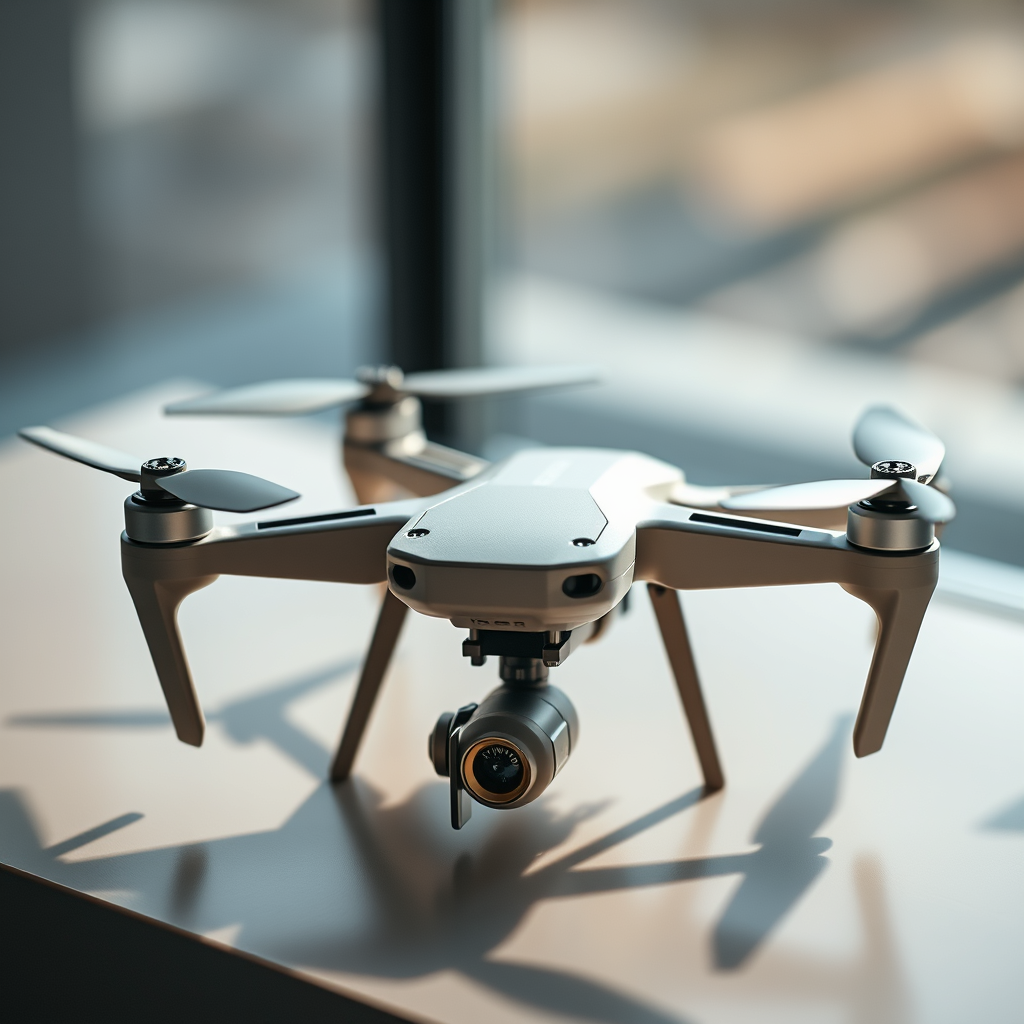
Yes, you can 3D print a drone! With advancements in 3D printing technology and materials, creating a fully functional drone is increasingly feasible. This innovative process allows enthusiasts and professionals alike to design, customize, and build drones tailored to specific needs and preferences. In this article, we will explore the process of 3D printing a drone, from understanding the technology to assembling, testing, and navigating legal considerations.
Understanding 3D Printing Technology
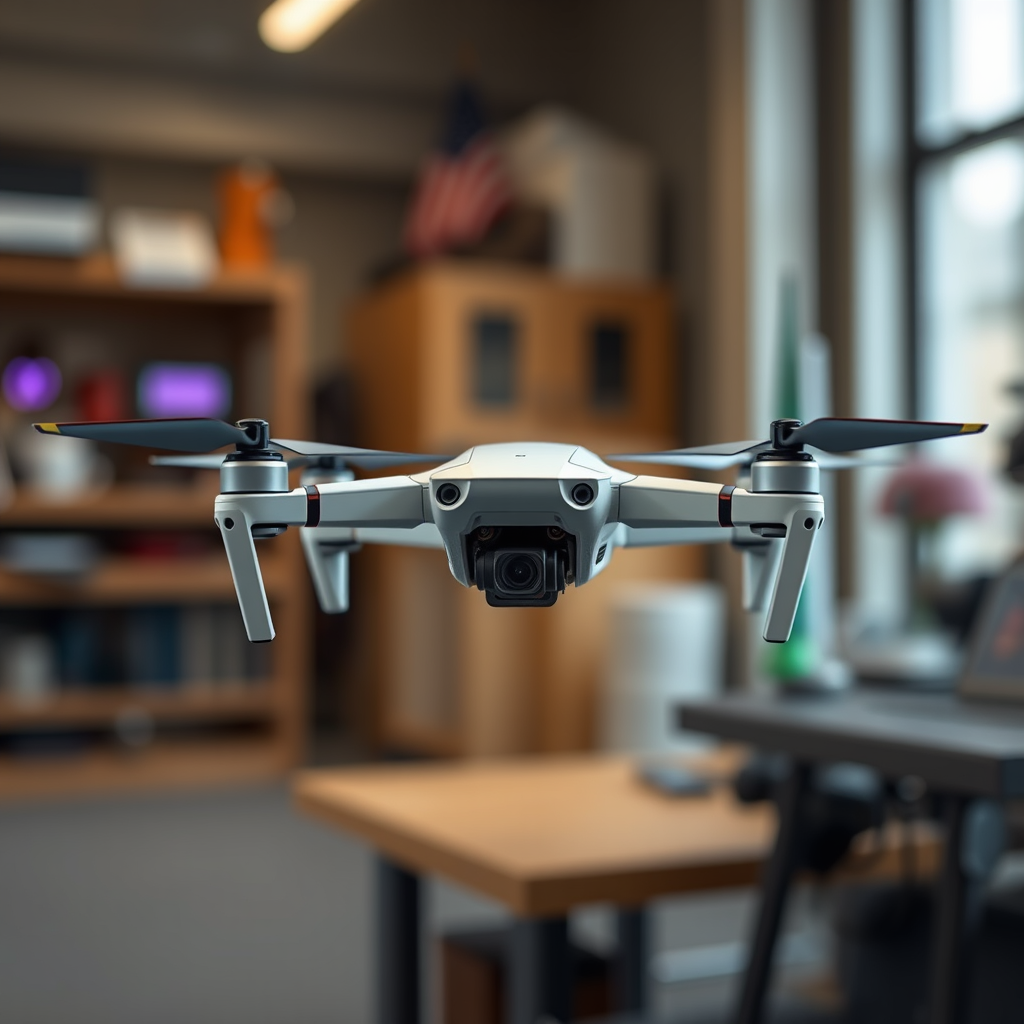
3D printing encompasses various methods that cater to different applications and material requirements. The three most common techniques include Fused Deposition Modeling (FDM), Stereolithography (SLA), and Selective Laser Sintering (SLS).
– FDM is the most widely used method for 3D printing, where thermoplastic filaments are heated and extruded layer by layer. It is particularly suitable for creating large, lightweight drone components.
– SLA employs a UV light source to cure liquid resin into solid structures, offering high precision and a smooth finish. This method is beneficial for producing intricate parts that require fine detail.
– SLS uses a laser to fuse powdered materials, such as nylon, into solid forms. This technique allows for the creation of complex geometries and is often used for durable drone frames.
Selecting the right printing method is crucial, as it directly impacts the drone’s performance and aesthetics. Material selection also plays a vital role, as different materials offer varying properties such as weight, durability, and cost-effectiveness.
Designing Your Drone
When it comes to designing a drone for 3D printing, several software options are available that cater to different skill levels. Tools like Autodesk Fusion 360, TinkerCAD, and SolidWorks are popular among engineers and hobbyists alike. These programs provide user-friendly interfaces and advanced features for modeling complex drone designs.
Key design considerations include:
– Weight: A lighter drone will be more agile and have better flight performance. Optimize the design to minimize weight while ensuring structural integrity.
– Aerodynamics: The shape of the drone should minimize air resistance and enhance stability. Consider designing with streamlined profiles and incorporating features such as winglets.
– Functionality: Determine the intended use of the drone—whether for recreational flying, photography, or cargo delivery—and design accordingly, ensuring that it includes necessary mounts and compartments for payloads.
Incorporating these design principles will not only enhance the functionality of your 3D printed drone but also contribute to its overall aesthetic appeal.
Choosing the Right Materials
Material selection is a pivotal aspect of 3D printing a drone, as it influences the drone’s performance, durability, and cost. The most common materials include:
– PLA (Polylactic Acid): A biodegradable plastic that is easy to print and suitable for beginners. However, it lacks durability and is not ideal for outdoor use.
– ABS (Acrylonitrile Butadiene Styrene): Known for its strength and heat resistance, ABS is a popular choice for drone frames. However, it requires a heated bed for printing and can emit fumes during the process.
– Carbon Fiber Composites: Offering exceptional strength-to-weight ratios, carbon fiber is an excellent choice for high-performance drones. It can be more expensive and requires specialized printing equipment but yields outstanding results.
When selecting materials, consider the specific requirements of your drone, such as weight restrictions, expected flight conditions, and budget constraints. Each material has its pros and cons, and understanding these will help you make informed decisions.
Assembling Your 3D Printed Drone
Once the drone components are printed, it’s time for assembly. Essential components required include:
– Motors: Brushless motors are commonly used for drones due to their efficiency and power output.
– Electronic Speed Controllers (ESC): These regulate the speed of the motors and are critical for flight control.
– Batteries: Lithium Polymer (LiPo) batteries are favored for their high energy density, but they require careful handling and charging practices.
– Flight Controllers: These are the brains of the drone, processing signals from the pilot and stabilizing the flight.
Step-by-step assembly tips:
1. Start with the frame: Ensure all parts fit together snugly and make any necessary adjustments.
2. Install the motors: Secure the motors to the frame with screws, ensuring they are properly aligned.
3. Connect the ESCs: Solder or connect the ESCs to the motors and the flight controller, following the manufacturer’s guidelines.
4. Mount the battery and flight controller: Secure these components in place, ensuring they are easily accessible for maintenance.
5. Calibrate the drone: Use software to calibrate the flight controller, ensuring all sensors and controls are functioning correctly.
Following these assembly steps will help ensure your drone is built correctly and ready for flight.
Testing and Optimizing Performance
Before taking your 3D printed drone into the sky, conducting thorough pre-flight checks is essential. This includes:
– Checking connections: Ensure all electrical connections are secure and components are functioning.
– Balancing the drone: Proper weight distribution is critical for stable flight. Adjust the placement of components as needed.
– Flight tests: Start with short test flights to assess performance. Monitor how the drone responds to controls and make necessary adjustments.
To improve flight performance, consider the following tips:
– Optimize propeller size and pitch: Experiment with different propeller configurations to find the best match for your drone’s weight and motor capabilities.
– Adjust flight controller settings: Fine-tune parameters such as PID (Proportional, Integral, Derivative) values for better stability.
– Reduce weight: Identify areas where you can decrease weight without compromising structural integrity.
These steps will help ensure that your drone operates efficiently and safely, maximizing its potential for various applications.
Legal Considerations and Safety
Before flying your 3D printed drone, it’s crucial to be aware of the legal regulations governing drone operations. In the United States, the Federal Aviation Administration (FAA) has established guidelines that all drone operators must follow:
– Registration: All drones weighing more than 0.55 pounds (250 grams) must be registered with the FAA.
– Flight restrictions: Drones should not be flown above 400 feet, near airports, or in controlled airspace without specific permissions.
– Pilot certification: For commercial use, operators may need to obtain a Remote Pilot Certificate.
In addition to regulatory compliance, safety is paramount. Here are some safety tips for operating your 3D printed drone:
– Conduct pre-flight checks: Always inspect your drone before flight to ensure all components are functioning correctly.
– Maintain line of sight: Keep your drone within visual range during operation to maintain control.
– Respect privacy: Avoid flying over private property without permission to ensure compliance with privacy laws.
Adhering to these regulations and safety measures will help ensure a positive drone flying experience.
Resources and Community Support
Engaging with the drone community can provide valuable insights and support. Numerous online forums and communities cater specifically to drone enthusiasts, such as:
– RC Groups: A comprehensive forum for discussing all aspects of radio-controlled drones.
– DIY Drones: A community focused on building and flying drones, offering resources for both beginners and experienced builders.
Additionally, numerous tutorials and instructional videos are available on platforms like YouTube, where you can find step-by-step guides for designing, printing, and assembling drones. These resources can significantly enhance your learning experience and help troubleshoot any challenges you may encounter.
In conclusion, 3D printing a drone is an exciting project that combines creativity with technology. By understanding the design, materials, and assembly processes, you can successfully create and fly your own 3D printed drone. With the right knowledge and resources, the possibilities are limitless, so get started today and explore the fascinating world of drone technology.
Frequently Asked Questions
Can you 3D print a drone from scratch?
Yes, you can 3D print a drone from scratch, but it requires careful planning and design. You’ll need to create or download a 3D model of the drone frame and components, then use a compatible 3D printer with suitable materials, such as PLA or ABS plastic. Additionally, you’ll need to source electronic components like motors, flight controllers, and batteries separately, as these cannot be 3D printed.
What materials are best for 3D printing a drone?
The best materials for 3D printing a drone include PLA, ABS, and PETG. PLA is user-friendly and offers good print quality, making it ideal for beginners; however, it may not withstand high temperatures. ABS is more durable and heat resistant, but it requires a heated bed for printing. PETG combines the best of both worlds, offering strength and flexibility, making it a great choice for drone frames.
How do you assemble a 3D printed drone?
Assembling a 3D printed drone involves several steps: first, print all the necessary parts, including the frame, landing gear, and brackets. Next, carefully clean and prepare each piece for assembly, ensuring that they fit correctly. Then, attach the electronic components, such as motors and the flight controller, and connect the wiring. Finally, calibrate the drone using software and perform test flights to ensure stability and performance.
Why should I consider 3D printing my own drone instead of buying one?
3D printing your own drone allows for greater customization and flexibility, enabling you to design a drone that meets your specific needs or preferences. It can also be more cost-effective than purchasing a pre-built drone, especially if you already own a 3D printer. Additionally, 3D printing can be a rewarding hobby that enhances your understanding of drone technology and engineering.
Which software is best for designing a 3D printed drone?
Popular software options for designing a 3D printed drone include Autodesk Fusion 360, Blender, and Tinkercad. Fusion 360 is ideal for more complex designs and offers advanced simulation features, while Blender is excellent for artistic and organic shapes. Tinkercad is user-friendly and great for beginners, allowing quick prototyping of simple drone parts. Each software has unique strengths, so the best choice depends on your design requirements and skill level.
References
- https://en.wikipedia.org/wiki/3D_printing
- https://www.nasa.gov/feature/3d-printing-in-space
- https://www.sciencedirect.com/science/article/abs/pii/S2351978917300530
- https://www.asme.org/topics-resources/content/3d-printing-for-drones
- https://www.theguardian.com/technology/2020/aug/03/3d-printing-drones-future
- https://www.aaas.org/news/3d-printing-drones
- https://www.udel.edu/udaily/2021/september/3d-printing-drones/
