
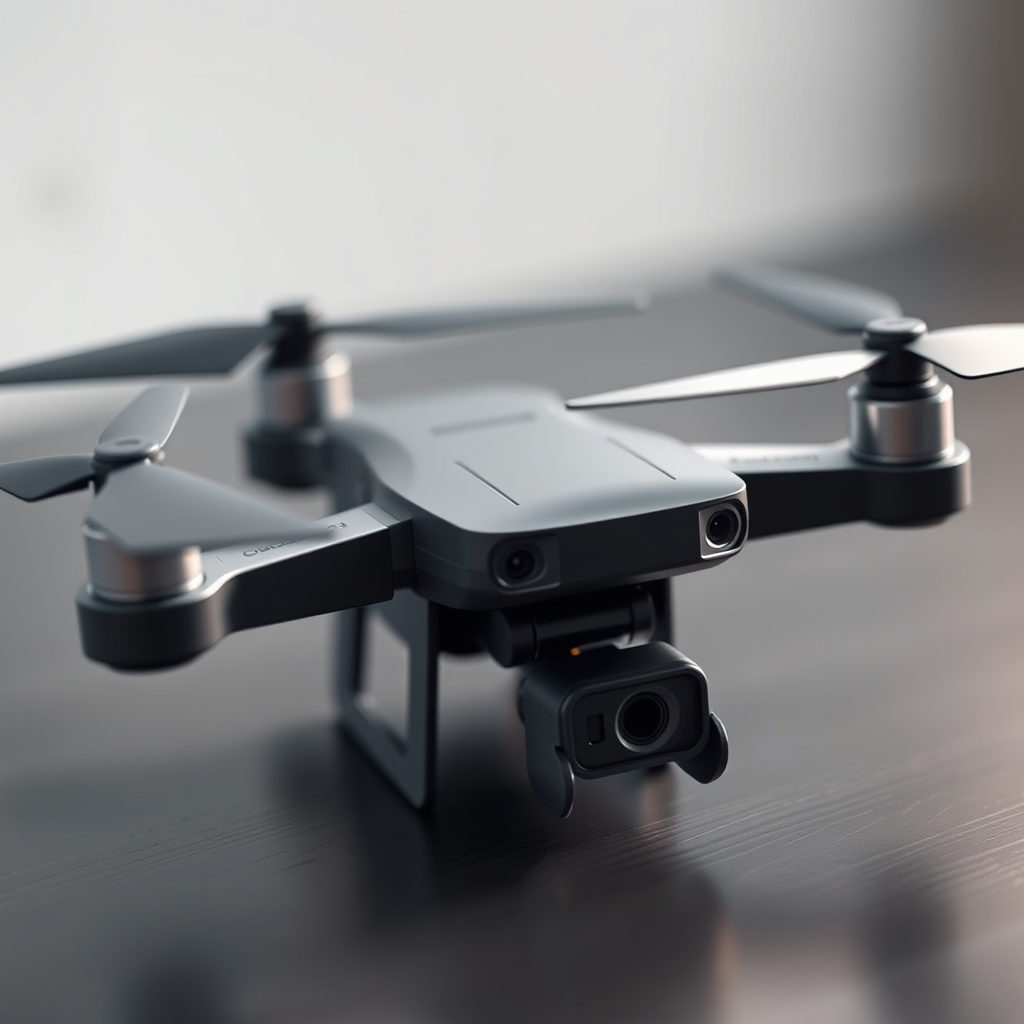
Yes, you can 3D print drone propellers using various materials and techniques. This innovative approach allows for customization and rapid prototyping, enabling enthusiasts and manufacturers alike to create unique designs tailored to their specific needs. However, while the benefits are significant, there are challenges that must be navigated, including ensuring the strength, balance, and overall design integrity of the propellers.
Understanding 3D Printing Technology
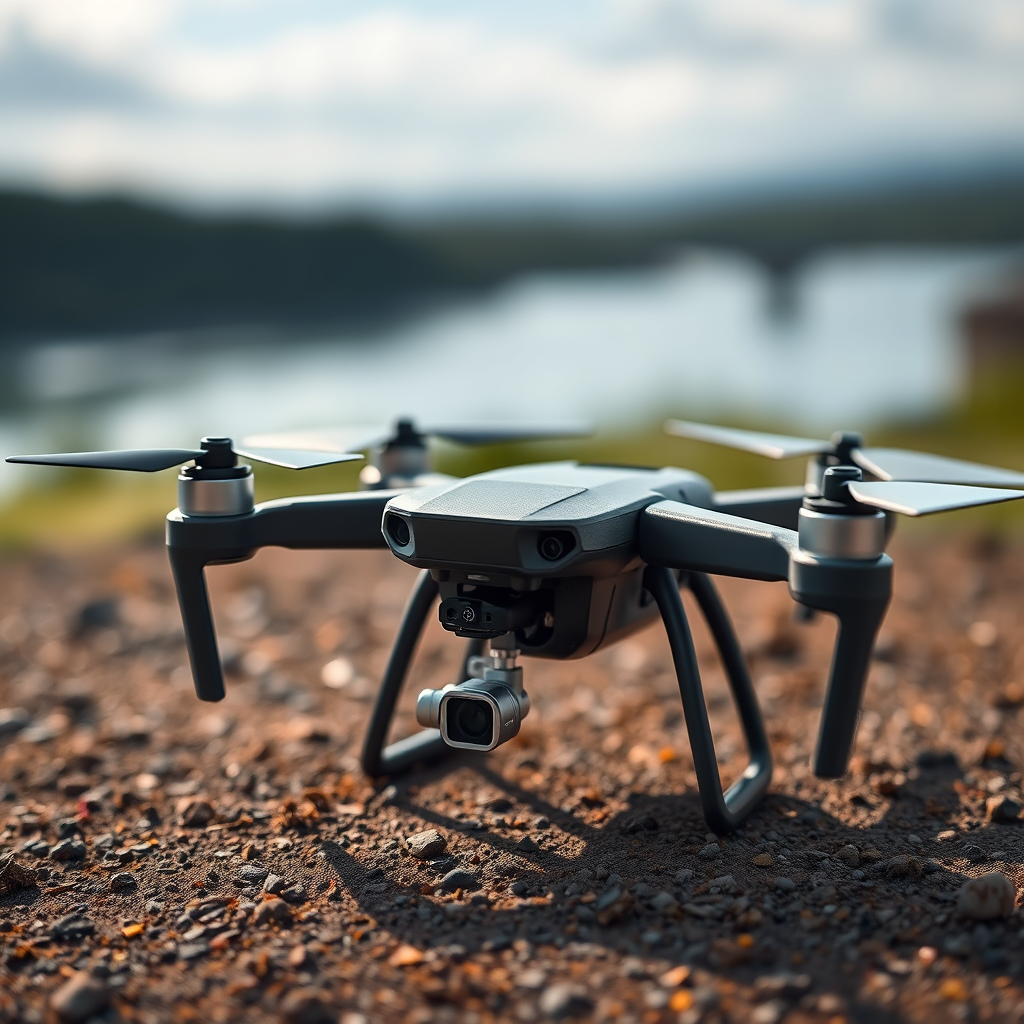
3D printing technology encompasses several methods, with the most common being Fused Deposition Modeling (FDM), Stereolithography (SLA), and Selective Laser Sintering (SLS). FDM is widely popular due to its accessibility and cost-effectiveness, making it ideal for hobbyists. It works by extruding molten plastic filament layer-by-layer to build the desired object. SLA, on the other hand, utilizes a laser to cure liquid resin into solid layers, offering high-resolution prints but at a higher cost. SLS employs a laser to fuse powdered materials, allowing for complex geometries and stronger parts, making it suitable for professional applications.
The benefits of 3D printing for drone parts extend beyond mere cost savings; it also significantly reduces production time. Traditional manufacturing methods can take weeks or months to produce components, whereas 3D printing can produce parts within hours. This rapid prototyping capability allows for iterative design changes and testing, fostering innovation in drone technology.
Materials Suitable for 3D Printed Propellers
When it comes to 3D printing drone propellers, selecting the right material is crucial for achieving desired performance and durability. Common materials include Polylactic Acid (PLA), Acrylonitrile Butadiene Styrene (ABS), and Nylon. PLA is biodegradable and easy to print, making it a popular choice for beginners. However, it may not withstand high-stress applications like racing drones. ABS offers better strength and heat resistance but can be challenging to print due to warping issues. Nylon, known for its toughness and flexibility, is an excellent option for high-performance propellers, although its cost and printing difficulty may deter some users.
Material selection should also consider factors such as weight, strength-to-weight ratio, and environmental resilience. For instance, using carbon fiber-infused filaments can significantly enhance the strength of printed propellers while keeping them lightweight, making them ideal for competitive drone racing.
Designing Effective Drone Propellers
Aerodynamics plays a vital role in the design of drone propellers. The shape, angle, and pitch of the blades must be carefully considered to optimize thrust and efficiency. A well-designed propeller can significantly improve flight performance, including lift generation and energy consumption. When designing propellers, an understanding of fluid dynamics is essential.
Numerous software tools are available for designing custom propellers. Programs like Autodesk Fusion 360 and SolidWorks provide powerful modeling capabilities that allow users to simulate airflow and analyze performance metrics. Additionally, open-source software such as OpenSCAD can be used for more straightforward design tasks, making it accessible for hobbyists. The key is to iteratively refine designs based on simulations and real-world testing, ensuring the best possible outcomes.
Testing and Optimizing 3D Printed Propellers
Once a propeller is designed and printed, rigorous testing is essential to assess its performance and strength. Methods for testing include static thrust tests, dynamic flight tests, and stress tests. Static thrust tests measure the amount of force generated by the propeller when stationary, while dynamic tests evaluate performance during actual flight conditions. Using a thrust stand can help quantify these measurements.
Based on test results, adjustments may be necessary to optimize the propeller design. Common adjustments include modifying blade pitch, altering the blade shape, or changing the material used. Utilizing tools such as computational fluid dynamics (CFD) simulations can provide insights into how design changes will affect performance before physically printing and testing new iterations.
Legal Considerations and Safety
The integration of 3D printed parts into drones raises important legal and safety considerations. Regulatory bodies such as the Federal Aviation Administration (FAA) in the United States have strict guidelines regarding drone modifications. Operators must ensure that any 3D printed components comply with safety standards and regulations, particularly concerning weight and structural integrity.
Additionally, safety considerations must be paramount when using homemade drone components. Testing propellers thoroughly before flight is critical to avoiding accidents that could result from failure during operation. Users should also consider liability and insurance coverage when modifying drones, as using non-certified components can complicate insurance claims.
Troubleshooting Common Issues
Despite the advantages of 3D printing, common challenges can arise when creating drone propellers. Issues such as warping, imbalance, and inadequate strength are prevalent among hobbyists. Warping often occurs due to improper bed adhesion or temperature fluctuations during printing. Solutions include using heated beds, adjusting print settings, and ensuring the first layer adheres properly.
Imbalance can result from uneven material distribution or design flaws. To address this, users should ensure that propellers are printed with uniform wall thickness and consider using a balancing tool after printing. Inadequate strength can often be remedied by refining the design or selecting a more suitable material. Regularly monitoring print settings and making adjustments based on observations will enhance overall print quality.
Future of 3D Printing in Drone Technology
The future of 3D printing in drone technology looks promising, with emerging trends indicating a shift toward even more advanced manufacturing techniques. Innovations such as multi-material printing and bio-inspired designs could revolutionize propeller production, allowing for more efficient and adaptable designs. Additionally, advancements in AI-driven design tools can streamline the prototyping process, enabling quicker iterations and more sophisticated designs.
Moreover, as materials science progresses, we may see the development of new composites that offer superior performance characteristics. This could lead to lighter, stronger, and more efficient propellers, further enhancing drone capabilities in various applications, from recreational flying to commercial delivery services.
In conclusion, 3D printing drone propellers is a feasible and exciting option for enthusiasts and manufacturers alike. By understanding the technology, materials, and design principles, you can create custom propellers that enhance drone performance. The ability to rapidly prototype and iterate designs opens up a world of creativity and innovation in drone technology. Explore the possibilities, embrace the challenges, and start experimenting with your designs to elevate your drone experience.
Frequently Asked Questions
Can you 3D print drone propellers using standard filaments?
Yes, you can 3D print drone propellers using standard filaments such as PLA, PETG, or ABS. However, while these materials are readily available and easy to work with, they may not provide the best performance or durability for drone applications. For optimal results, consider using specialized materials like nylon or carbon fiber composites, which offer improved strength and flexibility, essential for handling the stresses during flight.
What are the advantages of 3D printing drone propellers?
The advantages of 3D printing drone propellers include customization, rapid prototyping, and cost-effectiveness. By using 3D printing, you can create propellers tailored to specific flight characteristics or design preferences. Additionally, the ability to print complex geometries can lead to innovative designs that enhance performance, while reducing material waste compared to traditional manufacturing methods.
How do you design 3D printed drone propellers?
To design 3D printed drone propellers, you can use CAD software like SolidWorks, Fusion 360, or TinkerCAD. Start by understanding the specifications required for your drone, such as size, pitch, and material properties. Utilize existing propeller designs as a reference, and ensure your design accounts for factors like aerodynamics and weight distribution to achieve optimal flight efficiency and performance.
Why should I consider 3D printing my own drone propellers instead of buying them?
3D printing your own drone propellers allows for greater customization, which can lead to improved performance tailored to your specific needs. Additionally, it can be more cost-effective, especially if you frequently modify or replace propellers. Furthermore, 3D printing opens up possibilities for experimenting with unique designs that may not be available commercially, giving you a competitive edge in drone operation.
Which 3D printers are best for printing drone propellers?
The best 3D printers for printing drone propellers typically feature a heated bed and an all-metal hotend to handle high-temperature materials like nylon or carbon fiber filaments. Popular choices include the Prusa i3 MK3S+, Creality CR-10, and Anycubic Vyper, all of which offer a good balance of precision and build volume. It’s essential to select a printer that supports the required filament types for optimal propeller strength and performance.
References
- https://en.wikipedia.org/wiki/3D_printing
- https://www.sciencedirect.com/science/article/pii/S2214860421000984
- https://www.nasa.gov/feature/nasa-3d-prints-rocket-engine-part
- https://www.3dnatives.com/en/3d-printed-drone-propellers-120320204/
- https://www.pratt.edu/news/3d-printing-drone-propellers/
- https://www.twi-global.com/technical-knowledge/articles/3d-printing-drone-propellers-0720
- https://www.ntu.edu.sg/home/yangjc/Publications/3D%20Printing%20of%20Drone%20Propellers.pdf
- https://www.aerospace-technology.com/contractors/3d-printing/3d-printing-in-aerospace/
- https://www.researchgate.net/publication/330095272_3D_Printing_of_Drone_Propellers
