
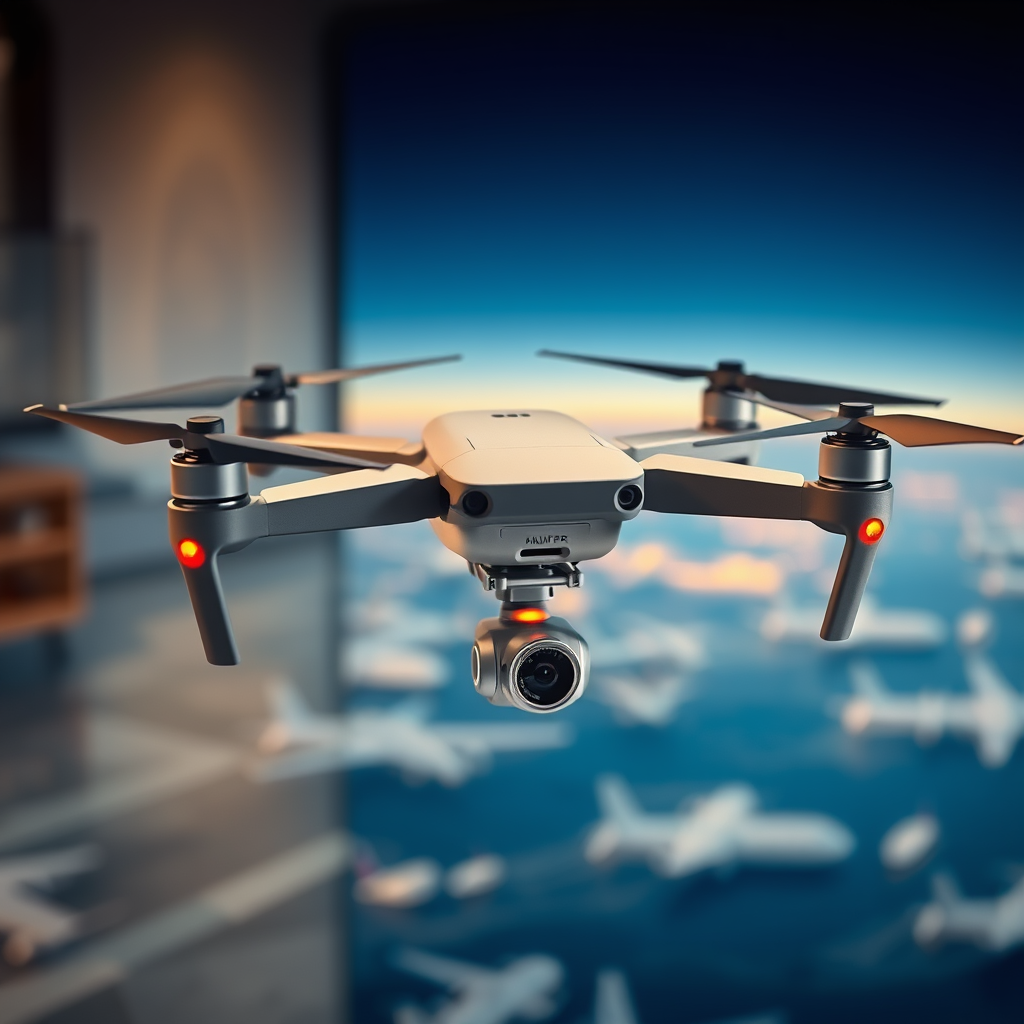
Yes, you can bring a DJI drone on a plane, but there are specific regulations and guidelines you must follow. Understanding airline policies, TSA regulations, and international laws will help ensure a smooth travel experience with your drone. As the popularity of drones increases among travelers and photography enthusiasts, it becomes crucial to navigate the complexities of air travel with such devices. This blog post will provide you with detailed insights into the necessary steps and considerations you must take when flying with your DJI drone.
Airline Policies on Drones
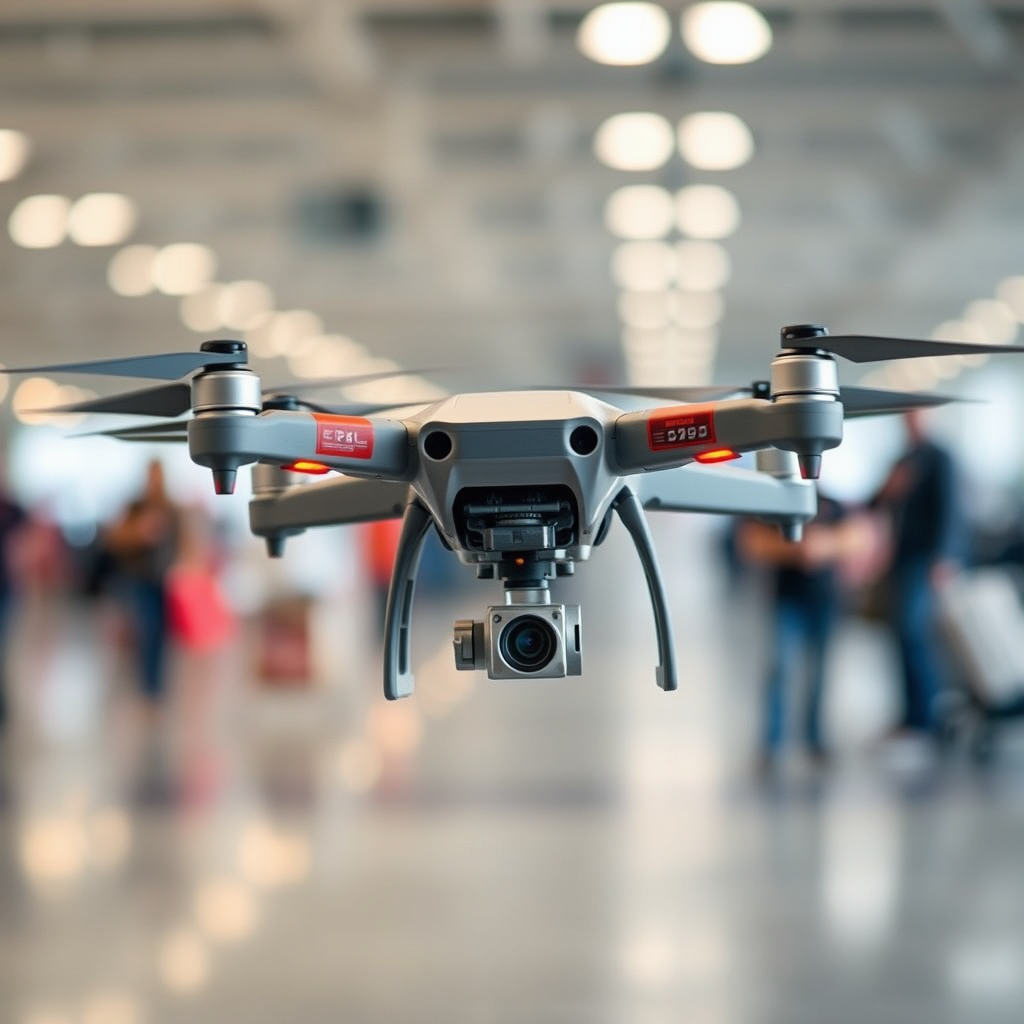
Different airlines have varying rules regarding drone transport, which can significantly impact your travel plans. Some airlines may allow drones in both carry-on and checked luggage, while others may impose restrictions or outright bans. For example, major carriers like Delta, American Airlines, and United generally allow drones in carry-on bags, but they often have specific size and weight limits that you must adhere to.
To avoid any complications, it is imperative to check the airline’s website for specific guidelines before your journey. Look for sections dedicated to “Prohibited Items” or “Sporting Equipment,” as these often outline drone policies. If your airline does not provide clear information online, consider contacting their customer service directly for clarification. This proactive approach can save you time and frustration at the airport.
TSA Regulations for Traveling with Drones
The Transportation Security Administration (TSA) allows drones in carry-on luggage, which is typically the preferred method for transporting them. However, there are specific stipulations to keep in mind regarding battery storage and safety standards.
Drones often come with lithium polymer (LiPo) batteries, which have specific regulations due to their flammable nature. The TSA mandates that these batteries must be stored in their original packaging or in a fire-resistant bag to minimize risks during transit. Furthermore, batteries must be under a certain watt-hour rating—specifically, those exceeding 100 watt-hours are not permitted in carry-on luggage. It is advisable to keep spare batteries readily accessible for security checks, as TSA agents may ask to inspect them separately.
Packing Your DJI Drone for Travel
Proper packing is essential to ensure that your DJI drone and its accessories arrive at your destination in good condition. Using a sturdy case designed specifically for drone transport can protect your equipment from impact and environmental hazards. Look for hard-shell cases with foam inserts that secure the drone, remote controller, and spare batteries in place.
When packing your drone, you should also consider the ease of access during security checks. Place your drone and batteries near the top of your carry-on bag so that they can be easily retrieved for inspection. Having your drone organized and readily accessible not only facilitates the security process but also demonstrates your preparedness as a traveler.
International Travel Considerations
Traveling internationally with a drone introduces additional complexities, particularly concerning the laws and regulations of your destination country. Each nation has its own set of rules governing drone operation, and ignorance of these laws can lead to severe consequences, including fines or confiscation of your equipment.
Before your trip, research the drone laws of the country you are visiting. Websites such as the International Civil Aviation Organization (ICAO) or local aviation authorities provide valuable information on regulations, including flying height restrictions, no-fly zones, and registration requirements. In some countries, you may need to obtain permits or register your drone prior to flying. Therefore, it is crucial to allocate time for this research to ensure compliance and avoid potential legal issues.
Battery Safety and Regulations
Battery safety is a critical aspect of traveling with a drone, particularly lithium batteries, which are commonly used in DJI drones. As mentioned earlier, the TSA has specific regulations regarding battery transport. Batteries with a capacity of up to 100 watt-hours can typically be carried in your carry-on luggage without issues. However, if you have batteries that exceed this limit, you will need to check with your airline for their specific policies, as many will not allow them on a plane at all.
When traveling with spare batteries, ensure they are stored in a manner that prevents short-circuiting. This can be achieved by using battery cases or individual protective bags. It’s also advisable to carry a limited number of spare batteries to comply with airline regulations and to minimize risks. Always keep your batteries in your carry-on luggage rather than checked bags, as checked luggage is subjected to conditions that could compromise battery safety.
Insurance and Liability
Finally, consider obtaining travel insurance that covers drone use. This is particularly important given the potential risks associated with traveling with a drone—both in terms of damage to the drone itself and liability for any accidental damage caused to others. Insurance can offer peace of mind, allowing you to enjoy your travels without the constant worry of what could go wrong.
Be aware of liability issues as well. If your drone is damaged during travel, having appropriate insurance can mitigate financial losses. Additionally, familiarize yourself with local laws regarding liability in case your drone causes damage while operating in a foreign country. Understanding your legal responsibilities can help you navigate any unforeseen circumstances that may arise.
In conclusion, bringing a DJI drone on a plane is possible with the right preparation and knowledge of regulations. By understanding airline policies, TSA regulations, and international laws, you can ensure compliance and facilitate a smooth travel experience. Always check with your airline for specific guidelines, research the laws of your destination country, and pack your drone and batteries safely. With these considerations in mind, you can enjoy your travels with your drone while capturing breathtaking aerial footage along the way.
Frequently Asked Questions
Can you bring a DJI drone on a plane as carry-on luggage?
Yes, you can bring a DJI drone as carry-on luggage on most airlines, but it’s essential to check the specific airline’s regulations before your flight. Generally, drones are allowed in the cabin as long as they comply with size and weight restrictions. Ensure that you also pack the drone’s batteries safely, as lithium batteries must adhere to strict transport guidelines.
What are the regulations for flying a DJI drone in a different country?
When traveling with a DJI drone, it’s crucial to familiarize yourself with the regulations of the country you are visiting. Many countries have specific laws regarding drone registration, permitted flying areas, and altitude limits. Before your trip, visit the local aviation authority’s website or consult resources like the FAA or equivalent organization to avoid fines or confiscation.
How do I pack my DJI drone for air travel?
To pack your DJI drone for air travel, use a sturdy, padded case to protect it from damage during transit. Remove the propellers and ensure the batteries are stored in a fire-resistant bag, as many airlines require lithium batteries to be carried in the cabin. Additionally, check the airline’s guidelines on battery watt-hour limits to ensure compliance.
Why do airlines have restrictions on bringing drones on planes?
Airlines impose restrictions on bringing drones on planes primarily for safety and security reasons. Drones contain lithium batteries, which can pose fire hazards if damaged or improperly stored. Additionally, drones can be considered potential threats in terms of aviation security, leading to stricter regulations to protect passengers and crew.
Which DJI drones are best for travel and can easily be taken on a plane?
The DJI Mini series, including the DJI Mini 2 and Mini SE, are some of the best drones for travel due to their lightweight and compact design, making them easy to carry on a plane. These models weigh under 250 grams, which often exempts them from certain regulations, and they offer impressive camera capabilities, making them perfect for capturing stunning aerial footage while traveling.
References
- https://www.faa.gov/uas/travel
- https://www.tsa.gov/travel/security-screening/whatcanibring/items/drone
- https://www.nytimes.com/2021/07/09/travel/airlines-drones.html
- https://www.govinfo.gov/content/pkg/FR-2016-06-21/pdf/2016-14596.pdf
- https://www.wired.com/story/how-to-fly-with-a-drone/
