

Yes, you can typically bring a drone as a carry-on item when flying, but there are specific regulations and guidelines you need to follow. As drones become increasingly popular among travelers, it is essential to understand the nuances of airline policies, safety regulations, and packing tips to ensure a hassle-free journey. This article will guide you through the essential considerations for traveling with your drone, including airline policies, packing tips, and safety regulations.
Airline Policies on Drones
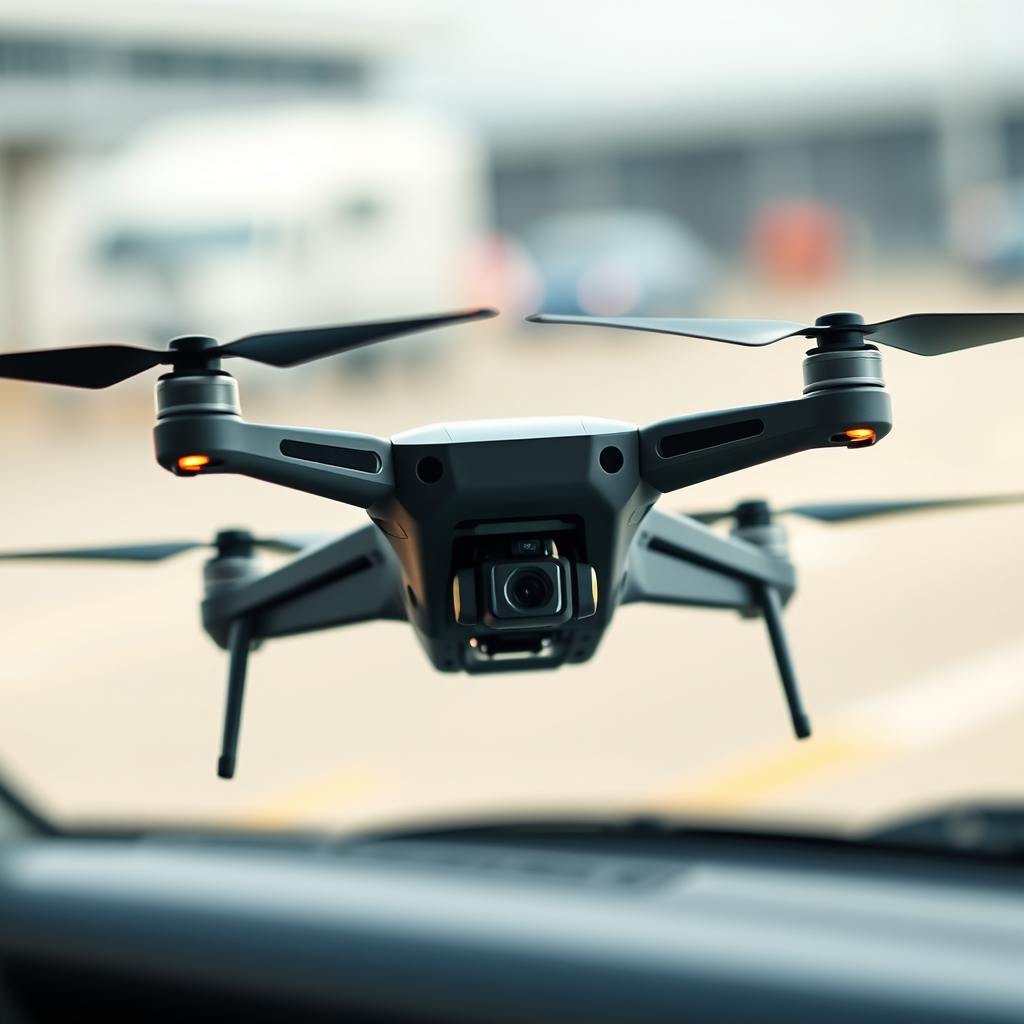
Different airlines have varying regulations regarding drone carriage, which can significantly impact your travel plans. While many airlines permit drones as carry-on items, each may have specific restrictions, such as size limitations or weight allowances. For instance, airlines like American Airlines and Delta allow drones in carry-on luggage, but they may restrict the number of batteries you can bring. It is crucial to check your specific airline’s policy before traveling to avoid surprises and ensure compliance.
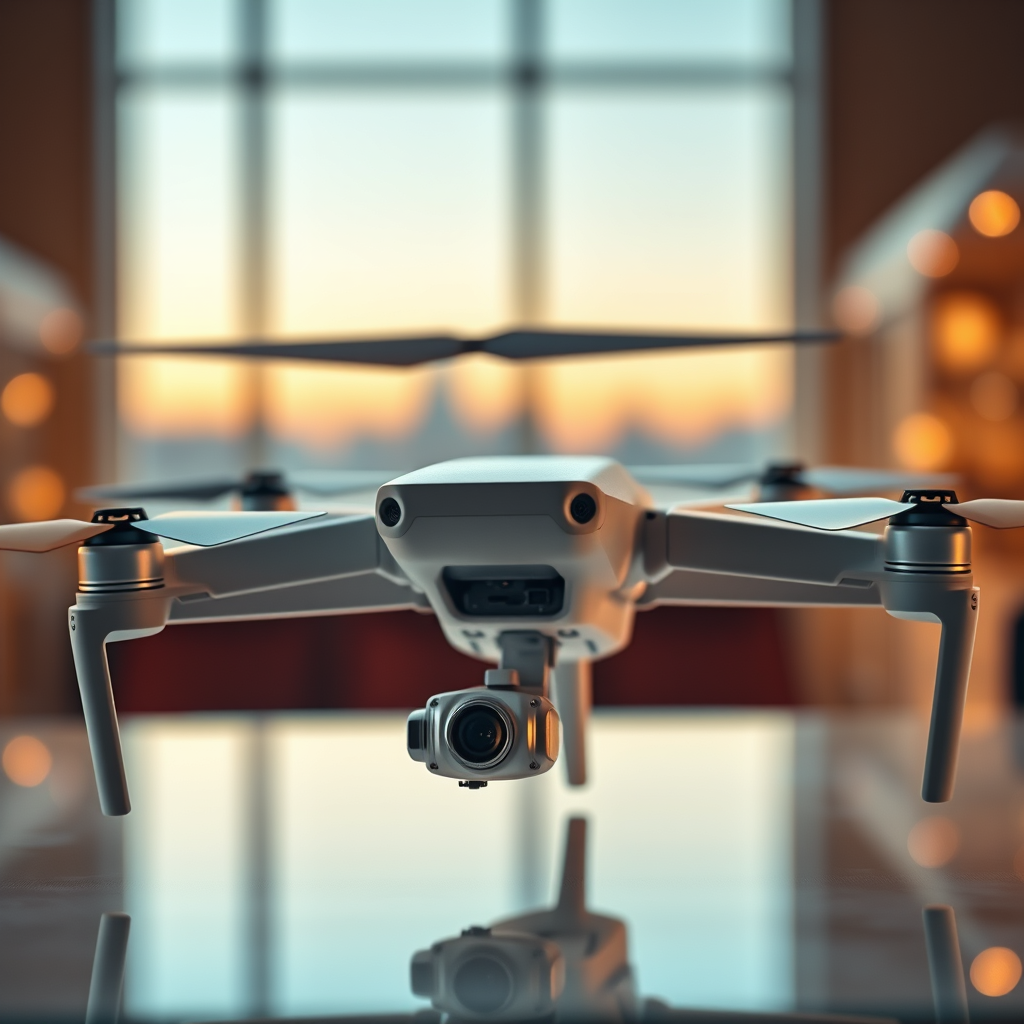
Moreover, some airlines may require you to declare your drone at check-in or might have restrictions based on the destination. For example, if you are flying to certain countries, airlines may impose additional scrutiny on your drone due to local regulations. Therefore, it’s prudent to visit the airline’s website or contact customer service for the most up-to-date information before your trip.
Size and Weight Restrictions
When traveling with a drone, it is essential to ensure that your equipment meets the size and weight requirements for carry-on luggage. Most airlines have a maximum dimension for carry-on bags, typically around 22 x 14 x 9 inches. Depending on the model, some drones may exceed these dimensions, so it’s vital to measure your drone and its case accurately.
In addition to size, be aware of weight limits, as exceeding them may lead to checked baggage fees or necessitate the need to check your drone. For instance, if your drone and its case weigh more than the airline’s stipulated limit (often around 40 pounds for carry-ons), you may need to reconsider your packing strategy or find a lighter alternative. Utilizing lightweight models or compact drones can help you stay within these restrictions, making your travel experience more manageable.
Battery Regulations
Lithium batteries, which are commonly used in drones, are often subject to strict regulations due to their potential fire hazards. Most airlines allow lithium-ion batteries with a capacity of up to 100 watt-hours in carry-on luggage without special permissions. Batteries between 100 and 160 watt-hours may be permitted but usually require airline approval. It is essential to check the watt-hour limit for your drone’s batteries and ensure they comply with airline guidelines.
To enhance safety, keep spare batteries in their original packaging or in protective cases to prevent short-circuiting. Additionally, it is advisable to carry only the required number of batteries you need for your trip, as some airlines may limit the number of spare batteries allowed in the cabin. Following these guidelines can help you avoid complications during your journey and ensure compliance with safety regulations.
Security Screening Procedures
Security screening for drones can vary based on the airport and the current policies enforced by the Transportation Security Administration (TSA) or equivalent authorities in other countries. Be prepared to take your drone out of its bag during security checks, much like you would for laptops or larger electronic devices. This means having your drone easily accessible in your carry-on bag to facilitate a smooth screening process.
Familiarizing yourself with TSA guidelines for electronic devices can also streamline the process. For example, you may be required to remove batteries from the drone or place them in a separate bin during screening. Being aware of these procedures beforehand can save you time and alleviate stress at the airport.
International Travel Considerations
Traveling internationally with a drone involves additional layers of complexity, as each destination country has its own regulations regarding drone usage. Some countries may have stringent laws prohibiting drone flights altogether, while others may require special permits or registrations for drones. For instance, countries like Canada and Australia have established frameworks governing drone operation that include registration and insurance requirements.
Before departing, it is crucial to research the drone regulations in your destination country. This can include understanding no-fly zones, altitude restrictions, and any required documentation. Additionally, obtaining any necessary permits or registrations for flying a drone abroad is advisable to avoid fines or confiscation of your equipment. Websites like the International Civil Aviation Organization (ICAO) or local aviation authorities can provide valuable insights into the legal landscape for drone operation in your destination.
Packing Tips for Travel
Proper packing is essential to ensure that your drone arrives safely at your destination and is ready for use. Using a padded case or backpack designed specifically for drones can provide adequate protection against bumps and drops during transit. These cases often include compartments for batteries, propellers, and other accessories, ensuring that everything is organized and secure.
In addition to using a protective case, take the time to secure all components, including propellers and batteries, to avoid movement during transit. Using foam inserts or dividers can help keep items in place and minimize the risk of damage. Furthermore, consider labeling your drone case with your contact information, as this can assist in recovering your equipment if it gets lost during travel.
Tips for Flying After Arrival
Once you arrive at your destination, checking local laws and regulations before flying your drone is essential. Familiarize yourself with any restrictions imposed by local authorities, including no-fly zones near airports, military installations, or crowded areas. In some cases, you may need to register your drone with local aviation authorities or apply for a permit.
Respecting these regulations not only ensures compliance but also promotes safety and responsible drone usage. Additionally, it is advisable to join local drone communities or forums to gain insights on the best flying spots and etiquette in the area. Engaging with local enthusiasts can enhance your flying experience and help you navigate any unique challenges related to drone operation in a new region.
Traveling with your drone can be a smooth experience if you take the time to understand the rules and regulations involved. By following the guidelines outlined in this article, including airline policies, packing strategies, and safety considerations, you can ensure that your drone travels with you safely and legally. Being informed will help you pack appropriately and enjoy your flying experience wherever you go. Safe travels!
Frequently Asked Questions
Can I bring a drone as a carry-on item on a plane?
Yes, you can bring a drone as a carry-on item on most airlines, but it’s essential to check the specific airline’s regulations before your flight. Generally, drones must be packed in a way that complies with carry-on size restrictions, and you must also ensure that all lithium batteries are within the allowed limits, as most airlines have strict rules regarding battery transport.
What are the regulations for carrying a drone on a flight?
Regulations for carrying a drone on a flight vary by airline and country. In the United States, the Transportation Security Administration (TSA) allows drones in carry-on luggage, but you should remove the drone from its case during screening. Additionally, check with international airports for local drone regulations, as some countries have restrictions or require permits for drone usage.
How do I prepare my drone for air travel?
To prepare your drone for air travel, start by disassembling any removable parts, such as propellers, and packing them securely. Ensure that the drone and all batteries are fully charged, as some airlines require that batteries be transported in carry-on luggage. Lastly, use a hard-shell case or protective bag to safeguard your drone from damage during transit.
Why do airlines have restrictions on drones in carry-on luggage?
Airlines have restrictions on drones in carry-on luggage primarily for safety and security reasons. Drones contain lithium batteries, which can pose fire hazards if damaged or improperly stored. Additionally, the potential for drones to interfere with aircraft systems has led airlines to enforce strict regulations to ensure the safety of all passengers.
What should I do if my drone is too large for carry-on luggage?
If your drone is too large to fit in carry-on luggage, you have a few options. Consider checking it in as oversized baggage, but be sure to pack it securely to prevent damage. Alternatively, you might look into shipping your drone to your destination or renting a drone upon arrival, which can save you the hassle of transporting it through the airport. Always check with your airline for specific guidelines regarding oversized items.
References
- https://www.faa.gov/uas/getting_started/where_to_fly/
- https://www.cnet.com/how-to/the-rules-for-flying-drones-on-airplanes/
- https://www.tsa.gov/travel/security-screening/drones
- https://www.wired.com/story/what-to-know-flying-drones-planes/
- https://www.nytimes.com/2021/06/15/travel/drones-airlines.html
- https://www.npr.org/2021/05/01/991296048/flying-with-drones-what-you-need-to-know
- https://www.faa.gov/uas/recreational_fliers/
- https://www.caa.co.uk/Consumers/Unmanned-aircraft/Bringing-your-drone-into-the-UK/
