

Yes, you can bring a drone in a carry-on bag, but there are specific regulations and guidelines you must follow. Understanding these rules can help ensure a smooth travel experience and prevent any issues at security checkpoints. As drone technology becomes increasingly popular among travelers and hobbyists alike, it is essential to be aware of the varying regulations imposed by airlines and security agencies. This comprehensive guide will outline everything you need to know about traveling with a drone in your carry-on luggage.
Understanding Airline Policies
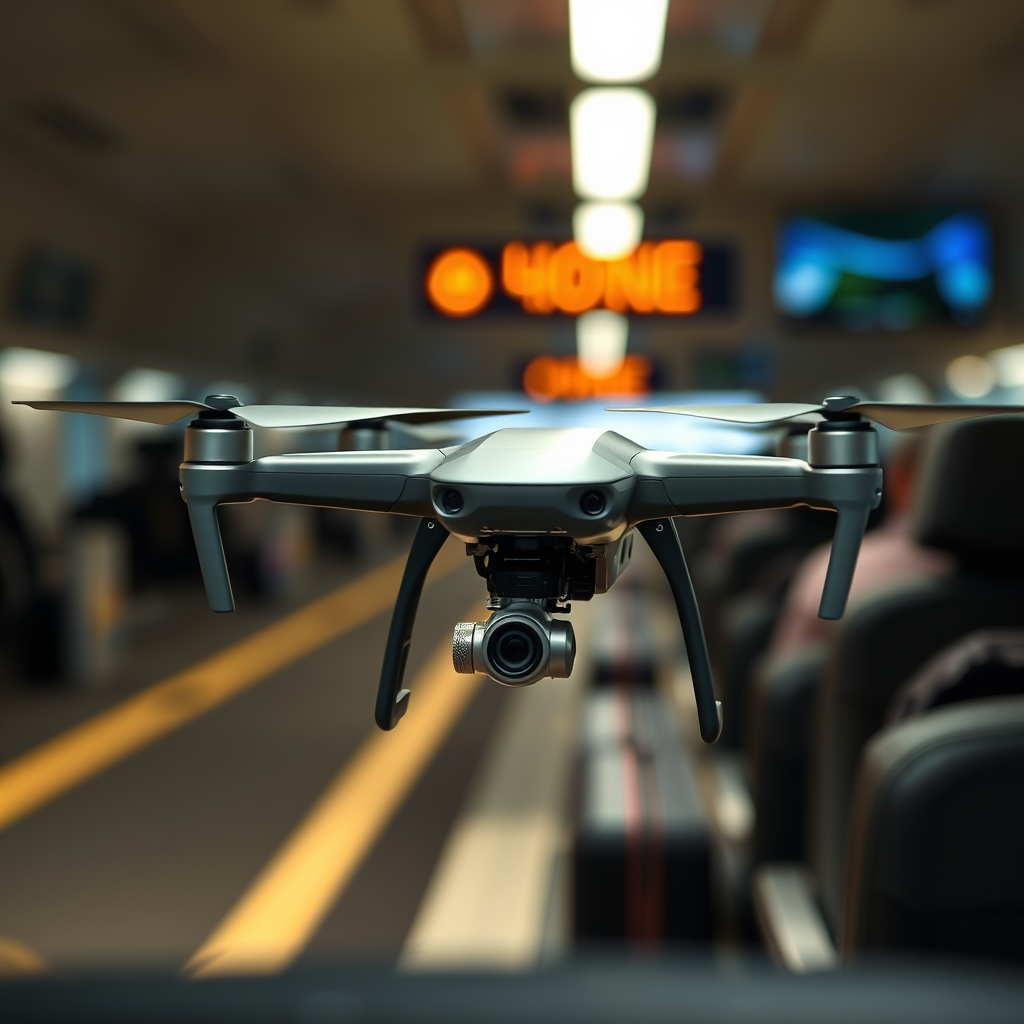
When planning to travel with a drone, it is crucial to familiarize yourself with the specific policies of the airline you will be flying with. Each airline has its own set of rules concerning the transport of drones, which can vary significantly. For instance, some airlines may allow drones in carry-on bags but impose restrictions on battery sizes or require that they be stowed in specific compartments. To avoid any last-minute hassles at the airport, visit the airline’s official website or contact their customer service for detailed information regarding drone transport.
Additionally, some airlines may have restrictions on the total weight and dimensions of your carry-on luggage, which could affect your ability to bring your drone onboard. Being informed about these policies can save you time and stress during your journey.
TSA Regulations for Drones
The Transportation Security Administration (TSA) allows travelers to bring drones in their carry-on luggage, but there are specific regulations that must be adhered to during the screening process. It is common for TSA agents to request that you remove your drone from its case for additional inspection. As a precaution, make sure that your drone is easily accessible so that you can comply with these requests without delays.
Furthermore, the TSA has established guidelines regarding lithium batteries, which are commonly used in drones. Batteries must be under a certain watt-hour limit—generally 100 watt-hours—to be allowed in carry-on luggage. Understanding these regulations is essential to ensuring a smooth passage through security, as any discrepancies could result in your drone being confiscated or delayed.
Preparing Your Drone for Travel
Preparation is key when traveling with a drone. To make your drone more compact and to protect it from damage during transit, it is advisable to disassemble any detachable parts, such as propellers and landing gear. Many manufacturers offer convenient carrying cases designed specifically for travel, which provide adequate protection and organization for all components of your drone.
In addition to protecting the drone itself, consider labeling your drone and its components with your contact information. This practice can be particularly beneficial in the event your bag is lost or misplaced. By taking these proactive measures, you can ensure that your drone remains secure and ready for use upon arrival at your destination.
Battery Regulations
When it comes to traveling with a drone, understanding battery regulations is crucial. Lithium batteries are the most common power source for drones, but they come with strict guidelines due to their flammable nature. Most airlines and the TSA require that lithium batteries remain under 100 watt-hours to be transported in your carry-on luggage.
To determine the watt-hour rating of your batteries, look for a label on the battery itself, which should indicate the capacity. If your battery exceeds this limit, you will need to find alternative shipping arrangements or leave it behind. Always double-check the watt-hour rating before your trip to avoid any complications at the airport.
Security Screening Process
Navigating the security screening process can be daunting, especially when traveling with electronic devices like drones. Be prepared to take your drone out of its protective case at the security checkpoint. TSA officers may want to inspect the drone more closely, so having it readily accessible will facilitate a smoother process.
Additionally, arriving at the airport early is recommended to account for any unexpected delays during security screening. If your drone requires additional inspection, having extra time can alleviate stress and help you maintain your travel schedule. Being patient and cooperative with security personnel can also contribute to a more pleasant experience.
Traveling Internationally with Drones
Traveling internationally with a drone introduces a layer of complexity due to differing regulations across countries. Before embarking on your journey, it is vital to research the drone laws of your destination country. Some countries may have strict regulations regarding drone use, including restrictions on where you can fly and requirements for registration before travel.
For example, countries like Canada and the United Kingdom have established stringent rules governing drone operation, including mandatory registration and certification for certain types of drones. Familiarizing yourself with these regulations can prevent legal issues and ensure that your travel experience is enjoyable and compliant with local laws.
Tips for Smooth Travel
To ensure a seamless travel experience with your drone, consider implementing the following tips:
1. Keep Original Packaging: If possible, transport your drone and batteries in their original packaging, as it can facilitate easier inspection at security checkpoints.
2. Documentation: Carry a printed copy of your airline’s policy regarding drones, which can be helpful in case of any disputes or misunderstandings with security personnel.
3. Plan Your Itinerary: If you plan to use your drone at your destination, research local laws and regulations regarding drone use to ensure compliance.
4. Stay Informed: Monitor any changes to airline and TSA regulations, as these can change frequently and may impact your travel plans.
By following these tips, you can help ensure a hassle-free travel experience with your drone.
In summary, bringing a drone in a carry-on bag is entirely feasible, provided you adhere to the specific regulations set forth by airlines and the TSA. By understanding airline policies, TSA regulations, and battery limits, as well as preparing your drone for travel, you can significantly reduce the chances of encountering issues during your journey. Additionally, being informed about international laws and following practical tips can further enhance your travel experience. With careful planning and preparation, you can enjoy your travels with your drone while capturing stunning aerial footage and memories along the way.
Frequently Asked Questions
Can you bring a drone in a carry-on bag when flying?
Yes, you can bring a drone in your carry-on bag when flying, but it’s essential to check the specific airline’s regulations regarding drones. Generally, most airlines allow drones in carry-on luggage as long as they adhere to size and weight restrictions. However, make sure to remove any batteries and pack them according to the Transportation Security Administration (TSA) guidelines, as lithium batteries have specific handling requirements.
What are the TSA rules for carrying a drone on a plane?
The TSA allows you to carry a drone in your carry-on luggage, but there are specific rules to follow. Lithium batteries must be under 100 watt-hours for carry-on, and you should pack spare batteries in their original packaging or a battery case to prevent short circuits. Additionally, be prepared to remove the drone from your bag for screening at security checkpoints, and always check the latest TSA guidelines prior to your travel.
Why do some airlines have restrictions on flying with drones?
Airlines may have restrictions on flying with drones due to safety and security concerns. Drones are classified as electronic devices, and their batteries pose fire risks, especially if damaged. Additionally, airlines must comply with aviation regulations that aim to ensure safe travel for all passengers. Always check your airline’s specific policies to avoid any last-minute issues at the airport.
How to safely pack a drone in a carry-on for travel?
To safely pack a drone in your carry-on, first remove the batteries and store them separately according to TSA regulations. Use a padded case or backpack designed for drones to protect it from damage during transit. Ensure that the drone and accessories are neatly organized to avoid triggering alarms at security checks, and always keep your drone’s documentation handy in case you need to explain its purpose during screening.
Which drones are allowed on planes as carry-ons?
Most consumer drones, such as DJI and Parrot models, are permitted as carry-ons, provided they meet size and weight restrictions set by the airline. However, commercial and larger drones may face additional scrutiny or restrictions. Always verify the specific dimensions and weight limits with your airline before packing to avoid any potential issues at the airport.
References
- https://www.faa.gov/uas/getting_started/where_to_fly
- https://www.tsa.gov/travel/security-screening/whatcanibring/all-list
- https://www.wikihow.com/Travel-with-a-Drone
- https://www.nytimes.com/2021/12/10/travel/drone-carry-on-luggage.html
- https://www.theguardian.com/travel/2021/jun/25/drone-travel-tips-carry-on-airlines
- https://www.aopa.org/news-and-media/all-news/2021/june/24/take-your-drone-on-a-plane
- https://www.wired.com/story/travel-with-drone-tips/
- https://www.traveldrone.com/carry-drone-airplane/
