

Yes, you can bring a drone in your carry-on luggage, but there are specific regulations and guidelines you must follow. Understanding the airline’s rules, TSA regulations, and local laws at your destination is crucial to ensure a hassle-free travel experience with your drone. As the popularity of drones continues to rise, knowing how to travel with them responsibly can enhance your adventures while avoiding potential complications during your journey.
Understanding TSA Regulations
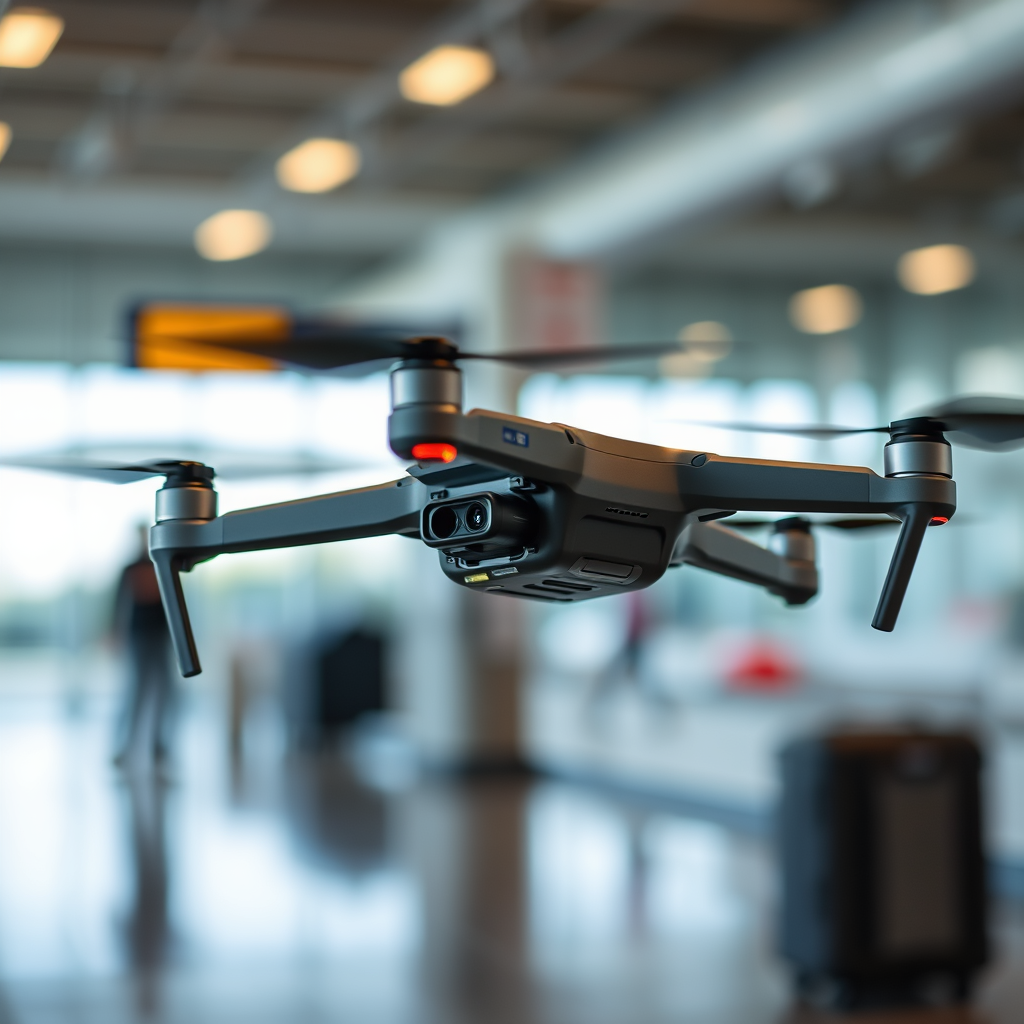
The Transportation Security Administration (TSA) permits drones to be included in carry-on luggage, aligning with the broader approach of allowing personal electronic devices on flights. However, travelers must be prepared to remove their drones from their bags during the security screening process. This is similar to the procedure for laptops and other electronics. It’s advisable to arrive early at the airport to accommodate any delays that may arise during screening. Furthermore, ensure that your drone is easily accessible, as this will facilitate a smoother passage through security.
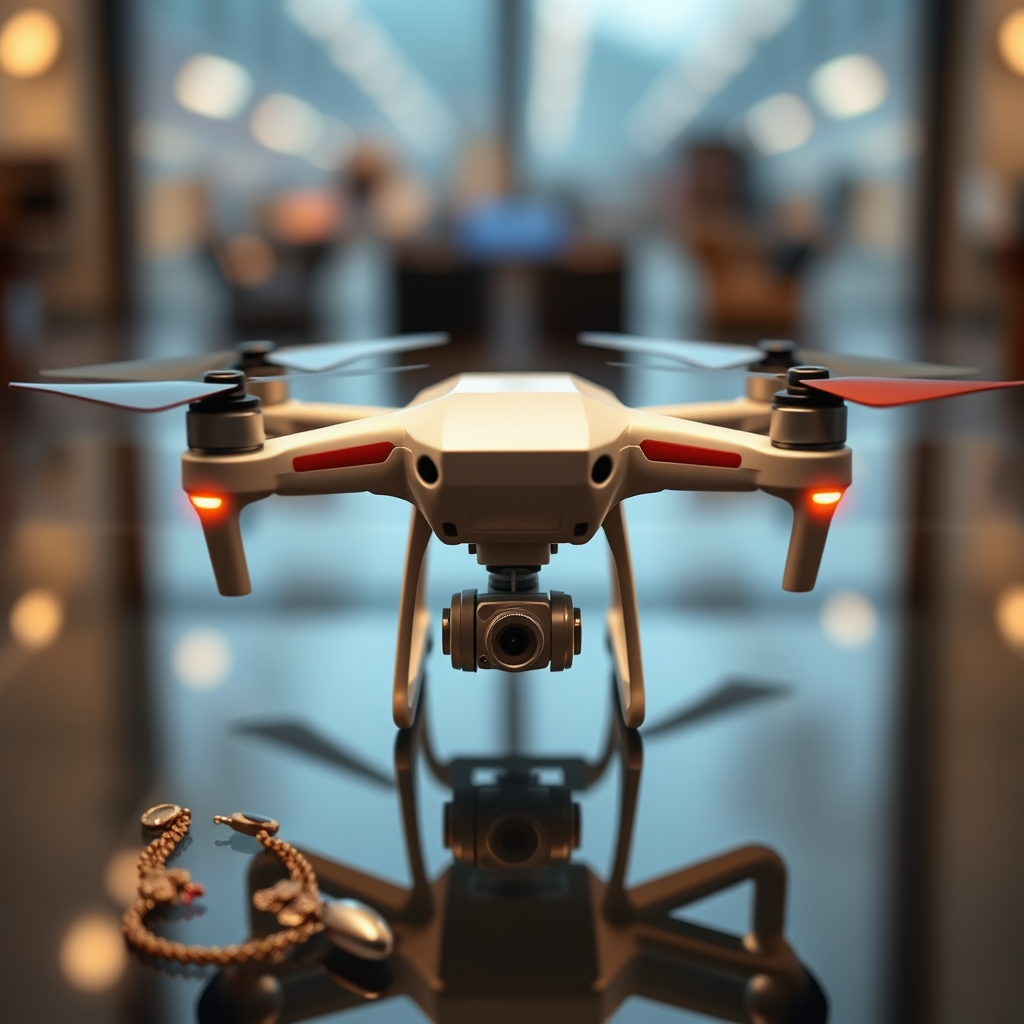
While the TSA allows drones, they also recommend that travelers familiarize themselves with any specific regulations that may apply to their devices. This includes understanding the size and weight restrictions imposed by both the TSA and the airline. Notably, drones that are larger or heavier than typical personal electronic devices may attract additional scrutiny.
Airline Policies on Drones
Airline policies regarding drone transport can differ significantly, and it is imperative to check the specific guidelines of the airline you are flying with prior to travel. Some airlines, for instance, may allow drones in the cabin but require that they be placed in a hard-shell case for protection. Others may have limitations based on the drone’s size or weight, potentially categorizing it as oversized baggage, which would necessitate storing it in checked luggage instead of carry-on.
For example, major airlines like American Airlines and Delta Air Lines typically allow drones in carry-on baggage, provided they meet size requirements. However, budget airlines might have stricter regulations. Therefore, checking the airline’s website or contacting customer service for details on their specific policies regarding drone transport is vital to avoid any last-minute surprises at the airport.
Battery Restrictions for Drones
Drones are often powered by lithium batteries, which are subject to strict regulations due to safety concerns. The TSA and most airlines stipulate that lithium batteries used in drones must generally not exceed 100 watt-hours (Wh) when carried in the cabin. Batteries that exceed this limit may need to be transported in checked luggage, which could complicate your travel plans significantly.
To comply with these regulations, ensure that your drone’s batteries are properly labeled to indicate their watt-hour rating. Additionally, it’s essential to store batteries in a protective case to prevent short circuits, which can pose a fire hazard. When traveling, it’s also wise to carry spare batteries in your carry-on, as this is usually allowed, provided they are within the specified watt-hour limits. Pack them in a manner that prevents movement and damage, such as in a battery bag or a dedicated case.
Local Laws and Regulations
Once you arrive at your destination, it is critical to familiarize yourself with local laws governing drone usage. Different countries, and even regions within countries, can have varying regulations concerning where and when drones can be flown. For instance, in some urban areas, there may be strict no-fly zones, particularly near airports, government buildings, or other sensitive locations.
Some locations may also require drone operators to obtain specific permits or licenses to fly legally. For example, in the United Kingdom, the Civil Aviation Authority (CAA) mandates that drone operators register their drones if they weigh over 250 grams. In contrast, countries like Canada have rules governed by Transport Canada that require drone pilots to follow specific operational guidelines and register their devices based on their weight.
Before you travel, conduct thorough research on the drone regulations in your intended destination. This will not only help you avoid legal issues but also enhance your ability to enjoy flying your drone in scenic locations.
Packing Tips for Traveling with a Drone
Packing your drone carefully can make a significant difference in protecting your equipment during travel. Using a padded case is highly recommended, as it provides cushioning against impacts and environmental factors. Select a case that is specifically designed for your drone model, ensuring it fits snugly and securely.
In addition to using a padded case, consider removing any accessories that could raise concerns during security screening. For example, propellers, which could be perceived as sharp objects, should be detached and stored separately. This will help expedite the security process and reduce the likelihood of your items being flagged. Lastly, always label your case clearly to identify it as containing delicate electronic equipment, which may prompt special handling by airport staff.
Dealing with Customs and International Travel
Traveling internationally with a drone requires additional considerations, especially when it comes to customs regulations. Many countries have laws that mandate declaring your drone upon entry, especially if it is a high-value item or if you plan on using it for commercial purposes. Failure to declare your drone could result in confiscation or fines, which can add stress to your travel experience.
Before you embark on your journey, consult the customs regulations of the country you are visiting. Some nations may also have restrictions on the importation of drones, particularly if they are equipped with cameras or other sensitive technology. Having all necessary documentation readily available, such as invoices or proof of ownership, can simplify the customs process and help you avoid complications upon arrival.
In conclusion, while you can bring a drone in your carry-on, it’s essential to review and comply with TSA and airline regulations, battery restrictions, and local laws. By understanding the specific requirements and preparing accordingly, you can ensure a smooth journey with your drone. Happy flying!
Frequently Asked Questions
Can I bring a drone in my carry-on luggage when flying domestically?
Yes, you can bring a drone in your carry-on luggage when flying domestically within the United States. However, it’s important to check the specific airline’s policies regarding drone transportation, as they may have restrictions on battery size and weight. Additionally, ensure that your drone is easily accessible during security screening, as you may need to remove it from your bag for inspection.
What are the regulations for carrying a drone on an international flight?
When carrying a drone on an international flight, regulations can vary significantly by country. Before traveling, research the drone laws of your destination, as some countries have strict regulations or may require registration of drones. Additionally, check with your airline about their specific rules regarding the transport of drones, especially concerning battery limits and packaging requirements.
How do I pack my drone for a flight in my carry-on?
To pack your drone for a flight in your carry-on, first, remove the propellers and store them separately to prevent damage. Use a padded case or a dedicated drone backpack to protect your drone during transit. Make sure to keep the lithium batteries in their original packaging or a battery case to comply with airline regulations regarding battery transport and safety.
Why do airlines have restrictions on bringing drones in carry-on luggage?
Airlines impose restrictions on bringing drones in carry-on luggage primarily for safety reasons, particularly concerning lithium batteries, which can pose a fire hazard if damaged or improperly handled. Additionally, drones can be considered potential security risks, as they may have components that resemble weapons or other prohibited items. Always check with your airline to understand their specific guidelines.
What is the best way to ensure my drone gets through airport security smoothly?
The best way to ensure your drone gets through airport security smoothly is to arrive early and be prepared. Clearly label your drone and its components, and keep them easily accessible in your carry-on. Familiarize yourself with the TSA guidelines regarding electronics and batteries, and be ready to explain the purpose of your drone to security personnel, which can expedite the screening process.
References
- https://www.faa.gov/uas/getting_started/registration
- https://www.faa.gov/uas/resources/faq
- https://www.tsa.gov/travel/security-screening/whatcanibring/items/drone
- https://www.cnn.com/travel/article/drone-carry-on-luggage/index.html
- https://www.nytimes.com/2022/05/25/travel/carry-on-drone.html
- https://www.nasa.gov/feature/what-to-know-about-flying-drones-in-the-us
- https://www.wired.com/story/flying-with-drones-what-you-need-to-know/
