
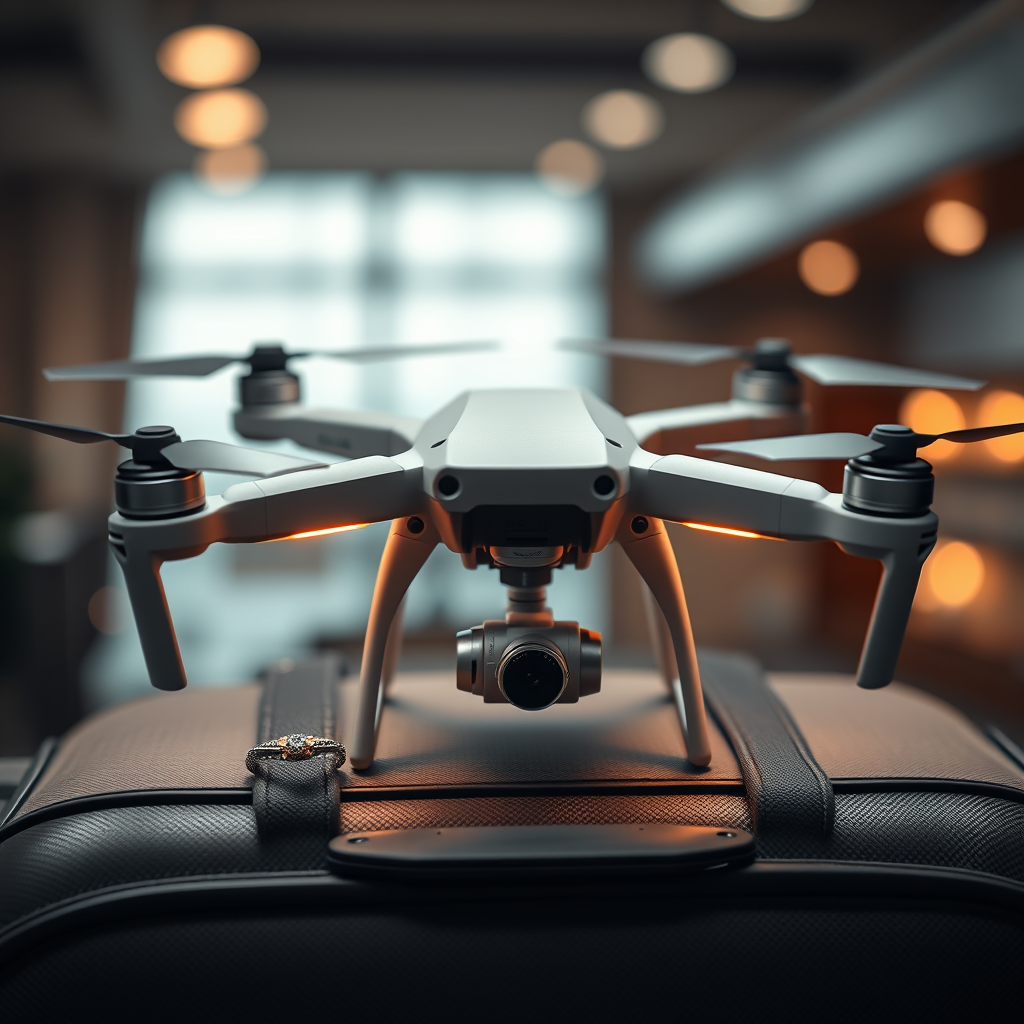
Yes, you can generally bring a drone in your carry-on luggage, but there are specific guidelines and regulations to consider. Understanding these rules is vital for ensuring a hassle-free travel experience. As drones have become increasingly popular among travelers and hobbyists, knowing how to transport them within the confines of air travel regulations can help you avoid potential issues at airports and enhance your overall journey.
Understanding Airline Policies
Each airline has its own regulations regarding drones and carry-on items. While most airlines allow drones in carry-on luggage, they may have specific restrictions related to weight, size, and battery capacity. For instance, some airlines may limit the size of electronic devices in the cabin, or they may require that you store your drone in a certain way. It’s essential to check the airline’s website or contact their customer service before your trip for specific guidelines. Airlines like Delta, American Airlines, and United generally permit drones, but they may ask you to declare the item at check-in or boarding. Understanding these policies ahead of time can save you time and reduce anxiety at the airport.
TSA Regulations for Drones
The Transportation Security Administration (TSA) allows drones in carry-on bags, which is reassuring for those who enjoy capturing aerial footage or simply wish to use their drones at their destination. However, there are specific regulations you must adhere to. One of the most crucial aspects is ensuring that the drone’s battery is within the allowed watt-hour limit. Most lithium-ion batteries under 100 watt-hours can be carried in carry-on luggage, but if your drone’s battery exceeds this limit, you may need to check it as cargo or leave it at home. Additionally, it is advisable to store batteries in protective cases to prevent short-circuiting, which can pose a fire risk. Keep in mind that TSA officers may ask you to remove the drone from your bag for further inspection, so be prepared for this possibility.
Packing Your Drone Safely
To ensure your drone arrives at your destination in excellent condition, packing it securely is paramount. Using a padded case specifically designed for drones can help protect the delicate components during travel. These cases not only provide cushioning but also often include compartments for batteries, propellers, and other accessories. When packing, it’s advisable to remove any propellers and secure loose parts to prevent damage. Additionally, consider labeling your case as “fragile” to alert handlers to take extra care. Make sure your drone is clean and free of dirt or debris, as some security personnel may scrutinize the device more closely if it appears dirty.
International Travel Considerations
If you plan to travel internationally with your drone, it is crucial to be aware that different countries have varying regulations regarding drone usage and importation. For example, countries in the European Union have specific rules concerning drone registration and operation, while some countries may prohibit drones altogether. Research local laws and customs regulations before arriving at your destination to avoid potentially hefty fines or confiscation of your equipment. Additionally, be aware of any permits or licenses that may be required to operate your drone in foreign airspace. Websites like the International Civil Aviation Organization (ICAO) provide useful resources for understanding international drone regulations.
Tips for Smooth Security Checks
Navigating airport security with a drone can be straightforward if you follow a few best practices. One effective tip is to remove the drone from your bag during security screening for easier inspection. This allows security personnel to examine the device quickly, reducing the likelihood of delays. Be prepared to explain the drone’s purpose and operation to security personnel, as they may have questions about its use. Familiarize yourself with your drone’s specifications and features, enabling you to provide clear answers. Additionally, arriving at the airport with ample time to spare can alleviate stress and allow for unexpected delays during the security process.
Alternatives to Carry-On Transport
If you encounter restrictions that prevent you from bringing your drone as carry-on luggage, consider shipping your drone separately via a courier service. Many professional shipping services offer specialized options for sensitive electronic equipment, ensuring safe transport. Compare costs and timing to determine if this is a viable option for your travel plans. Alternatively, evaluate the option of renting a drone at your destination. This can be a practical solution, especially if you’re traveling for a short time or if your drone is too large or cumbersome to carry. Many places, especially tourist destinations, have rental services that provide well-maintained drones for visitors.
In conclusion, while you can bring a drone in your carry-on luggage, it’s essential to be aware of airline policies, TSA regulations, and destination laws to ensure a smooth travel experience. Always do your research ahead of time to avoid any surprises at the airport. By preparing adequately, you can enjoy your travels and capture stunning aerial perspectives with your drone, enhancing your journey and creating lasting memories.
Frequently Asked Questions
Can you bring a drone in your carry-on luggage when flying?
Yes, you can typically bring a drone in your carry-on luggage when flying, but it is essential to check the specific airline’s policies and any regional regulations beforehand. Most airlines allow drones as part of your carry-on items, provided the battery is stored safely, usually in your hand luggage, since lithium batteries have restrictions due to fire hazards.
What are the regulations for bringing a drone on a plane?
Regulations for bringing a drone on a plane vary by country and airline, but generally, you must comply with the airline’s size and weight limits for carry-on items. Additionally, the Federal Aviation Administration (FAA) in the U.S. has guidelines regarding drone usage and registration. Always check your destination’s drone laws to ensure you comply with local regulations upon arrival.
How should I pack my drone for air travel?
When packing your drone for air travel, ensure it is securely cushioned to prevent damage. Use a padded case designed for drones, and remove any detachable parts like propellers. Additionally, ensure that the drone’s batteries are disconnected and packed according to airline regulations, typically in a fireproof bag, to mitigate any risks associated with lithium batteries.
Why do airlines have restrictions on drone batteries?
Airlines have restrictions on drone batteries primarily due to safety concerns associated with lithium batteries, which can pose a fire risk if damaged or improperly stored. The International Air Transport Association (IATA) has guidelines to minimize the risk of battery fires during flights, which is why the batteries must be in carry-on luggage and not in checked baggage.
Which drones are best for travel in terms of size and portability?
The best drones for travel are typically compact and lightweight models that easily fit in a carry-on bag. Drones like the DJI Mavic Mini or the DJI Air 2S are popular choices due to their foldable designs, impressive camera capabilities, and long flight times, making them ideal for travelers who want to capture stunning aerial footage without the hassle of bulky equipment.
References
- https://www.faa.gov/uas/travel
- https://www.tsa.gov/travel/security-screening/whatcanibring/all-articles/drone
- https://www.nhtsa.gov/road-safety/drones
- https://www.wired.com/story/how-to-fly-a-drone-in-a-crowded-city/
- https://www.theguardian.com/us-news/2021/jun/09/faa-drone-carry-on-luggage
- https://www.npr.org/sections/thetwo-way/2015/08/06/429451090/how-to-pack-your-drone-for-air-travel
- https://www.smithsonianmag.com/smart-news/what-you-need-know-about-bringing-drone-airplane-180956488/
- https://www.usatoday.com/story/travel/airline-news/2017/07/03/drones-carry-on-bags/449177001/
