
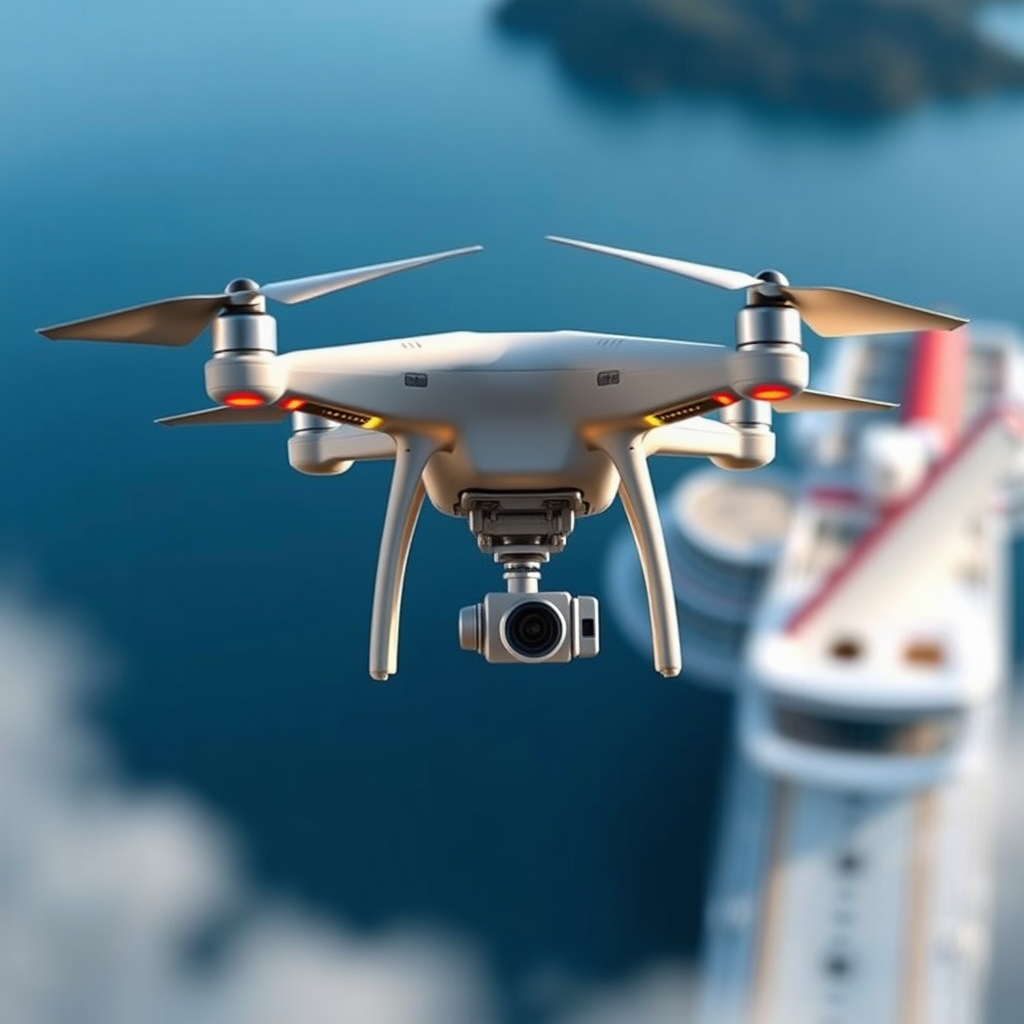
Yes, you can bring a drone on a cruise ship, but there are important restrictions and guidelines to follow. Cruise lines often have their own policies regarding drone usage, and local regulations at ports of call may also apply. Familiarizing yourself with these rules is crucial to avoid any complications while on your cruise. Understanding these aspects will not only enhance your travel experience but also ensure compliance with safety and legal standards.
Cruise Line Policies on Drones
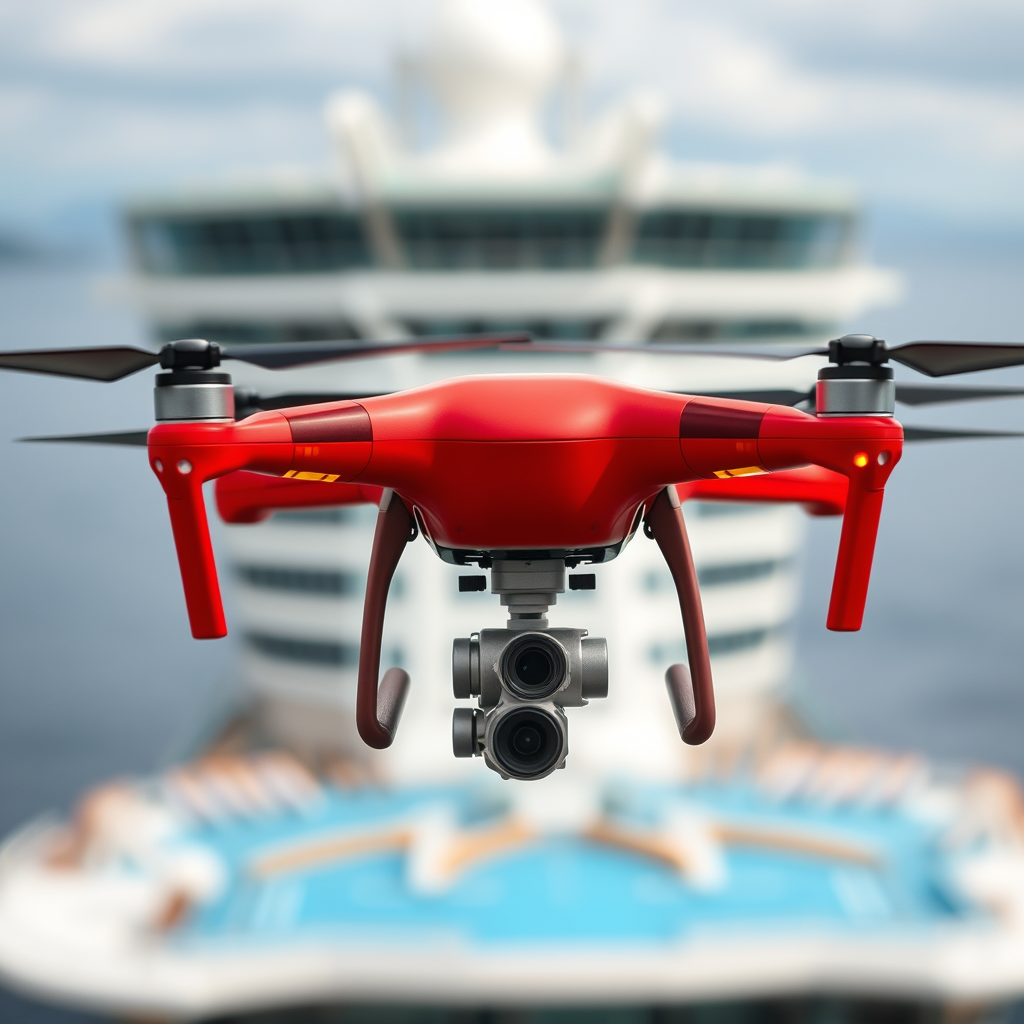
Each cruise line has specific rules regarding drones, and many prohibit their use on board altogether. For instance, major cruise lines like Carnival and Royal Caribbean have clear policies stating that drones are not permitted for use in their onboard facilities or during excursions. However, some cruise lines may allow drones in designated areas or during specific events, so it’s essential to check each cruise line’s policy before your trip.
Additionally, cruise lines have these regulations in place mainly for safety and security reasons. Drones can pose risks not only to passengers but also to the ship itself. Therefore, it’s advisable to contact your cruise line directly or refer to their official website for the most current and specific drone policies.
Local Regulations at Ports of Call
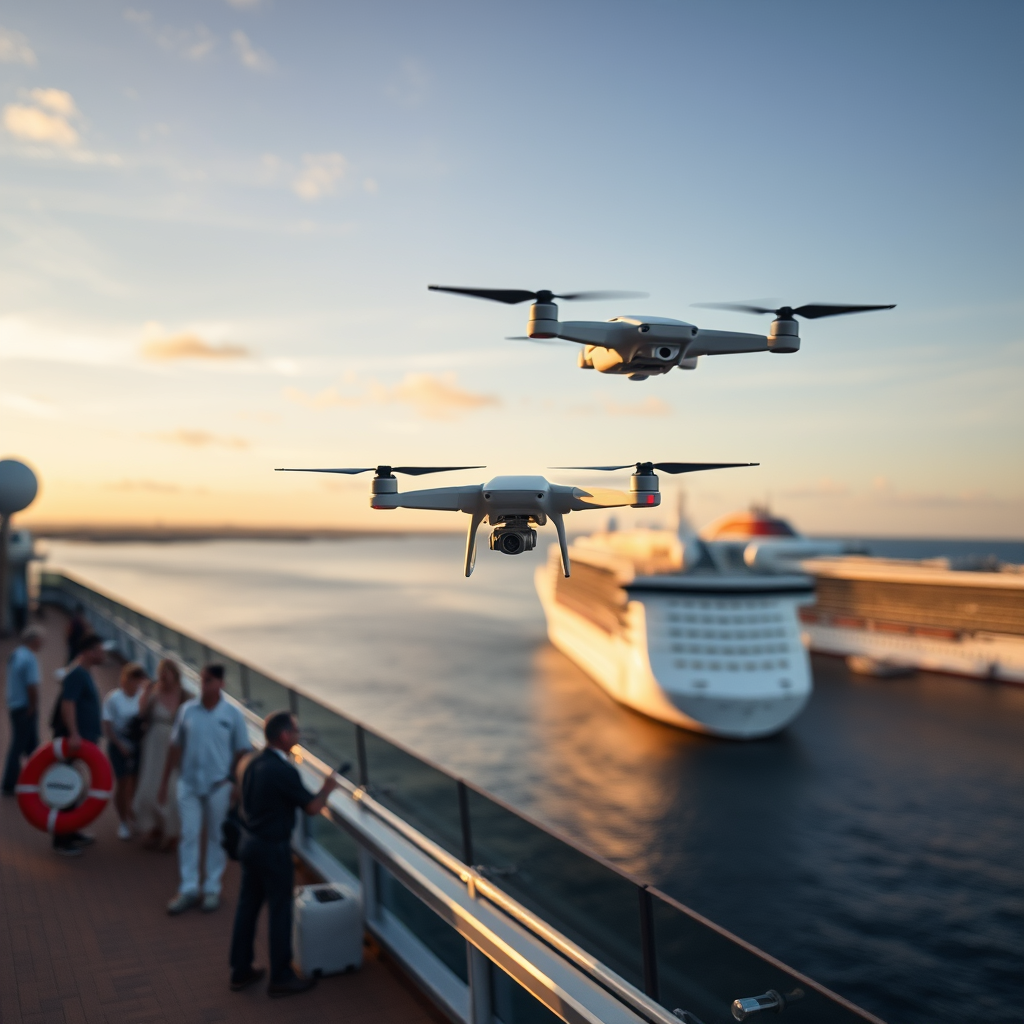
Before flying your drone at port destinations, it is imperative to check local laws regarding drone use. Regulations can vary significantly from one country to another, and some regions may have strict rules or even outright bans on drone operation. For example, countries like Spain and Australia have comprehensive drone regulations, requiring users to register their drones and obtain specific permits before flying.
Furthermore, some popular tourist destinations may restrict drone usage in certain areas, such as near airports or crowded public spaces, due to safety and privacy concerns. To avoid potential fines or legal issues, always conduct thorough research on the drone regulations applicable at each port of call well in advance of your cruise.
Battery and Equipment Restrictions
Airlines and cruise lines have stringent regulations on carrying lithium batteries, which are commonly used in drones. These batteries can pose a fire risk if not handled correctly. Most cruise lines adhere to the International Air Transport Association (IATA) guidelines, which specify that lithium-ion batteries must be carried in carry-on luggage and should not exceed a certain watt-hour rating, typically 100Wh for personal electronic devices.
When preparing for your cruise, ensure that your drone and its batteries comply with both the cruise line’s and the airline’s size and capacity restrictions. It is highly recommended to double-check the dimensions and watt-hour ratings of your batteries to avoid any last-minute issues when boarding the ship.
Safety and Security Considerations
Drones can pose safety risks, leading many cruise lines to enforce strict policies surrounding their use. The potential hazards include accidents on board, interference with ship navigation, and privacy violations among passengers. Be prepared for inspections by security personnel when boarding the ship with your drone, as cruise lines often require passengers to declare any drones in their possession.
To ensure a smooth boarding process, it is advisable to pack your drone in a manner that allows for easy inspection. Additionally, familiarize yourself with the safety protocols of the cruise line to avoid any misunderstandings that could lead to the confiscation of your equipment.
Tips for Responsible Drone Use
When flying your drone, always prioritize safety and respect the privacy of others. This means avoiding crowded areas and ensuring that you do not capture images of individuals without their consent. Consider using your drone for scenic photography only in designated areas where drone use is permitted, and always follow all regulations set forth by the cruise line and local authorities.
Before taking off, check for any restrictions in the area you intend to fly. It may also be helpful to join local drone enthusiast groups or forums relevant to your cruise destinations, as they can provide valuable insights into safe and responsible flying practices.
Alternatives to Drones on Cruises
If bringing a drone proves to be too cumbersome or restricted, consider exploring other options for capturing memories during your cruise. High-quality cameras and smartphone photography can often yield stunning results without the complications associated with drone regulations. Invest in a good camera with optical zoom capabilities or a smartphone with advanced photography features to document your journey effectively.
Additionally, many cruise lines offer professional photography services that capture memorable moments during excursions and onboard events. These services often provide high-quality images that can serve as lasting keepsakes without the challenges of navigating drone regulations.
In conclusion, while bringing a drone on a cruise ship is possible, it comes with various regulations and restrictions. Always check with your cruise line and local laws to ensure compliance, and consider alternative methods for capturing your travel experiences. Being well-informed will help you enjoy your cruise without any undue stress, allowing you to focus on making lasting memories. Happy cruising!
Frequently Asked Questions
Can I bring my drone on a cruise ship?
Bringing a drone on a cruise ship is generally allowed, but it largely depends on the cruise line’s specific policies. Most major cruise lines permit passengers to carry drones in their luggage, but flying them on board is typically prohibited due to safety and privacy concerns. Always check with your cruise line for their specific regulations regarding drone use and storage before your trip.
What are the restrictions for flying a drone at cruise ship ports?
When considering drone use at cruise ship ports, it’s crucial to abide by local laws and regulations. Many ports have strict no-fly zones, especially near crowded areas, airports, and military installations. Additionally, some countries may have specific rules for drone operation, so it’s vital to research each port of call and comply with local laws to avoid fines or confiscation.
Why do cruise lines restrict drone usage on board?
Cruise lines restrict drone usage on board primarily for safety and privacy reasons. Drones can pose a risk to the vessel and passengers if not operated correctly, especially in confined spaces. Moreover, using drones can infringe on the privacy of other guests, leading to unwanted disturbances. For these reasons, cruise lines prioritize a safe and enjoyable environment for all passengers.
What should I do if I want to take aerial photos while on a cruise?
If you want to capture aerial photos during your cruise, consider using a drone-friendly destination or a designated area where drone usage is permitted. Alternatively, you can opt for a drone that has a camera designed for indoor use or use other photography methods, such as high vantage points on the ship or during shore excursions, to capture stunning views without violating cruise policies.
Which cruise lines are more lenient about bringing drones?
While most cruise lines have similar policies about drones, some may be more lenient than others. Lines like Royal Caribbean and Norwegian Cruise Line tend to provide clearer guidelines and may allow drones in specific situations, provided they are stored properly. However, always verify with the cruise line directly for the latest policies and guidelines before traveling to avoid any surprises.
References
- https://www.cruisemapper.com/faq/can-you-take-a-drone-on-a-cruise-ship-1016
- https://www.ncl.com/faq/drone-regulations
- https://www.usatoday.com/story/travel/cruises/2021/05/30/cruise-ship-drone-rules-regulations/7482169002/
- https://www.royalcaribbean.com/faq/drone-policy
- https://www.cdc.gov/coronavirus/2019-ncov/travel/cruise-ship.html
- https://www.faa.gov/uas/getting_started/what_is_ua/
- https://www.wfaa.com/article/news/nation-world/cruise-ship-drone-rules/287-2a4e8d07-0bfa-4d09-8b70-42d2c8e3c5a3
