

Yes, you can bring a drone on a plane, but there are specific regulations and guidelines you need to follow. As drones have become increasingly popular for personal and professional use, understanding the rules for transporting them is essential for any traveler. This article will help you navigate the complexities of airline policies, TSA regulations, and international considerations, ensuring that you can safely and legally bring your drone along for your next adventure.
Understanding Airline Policies
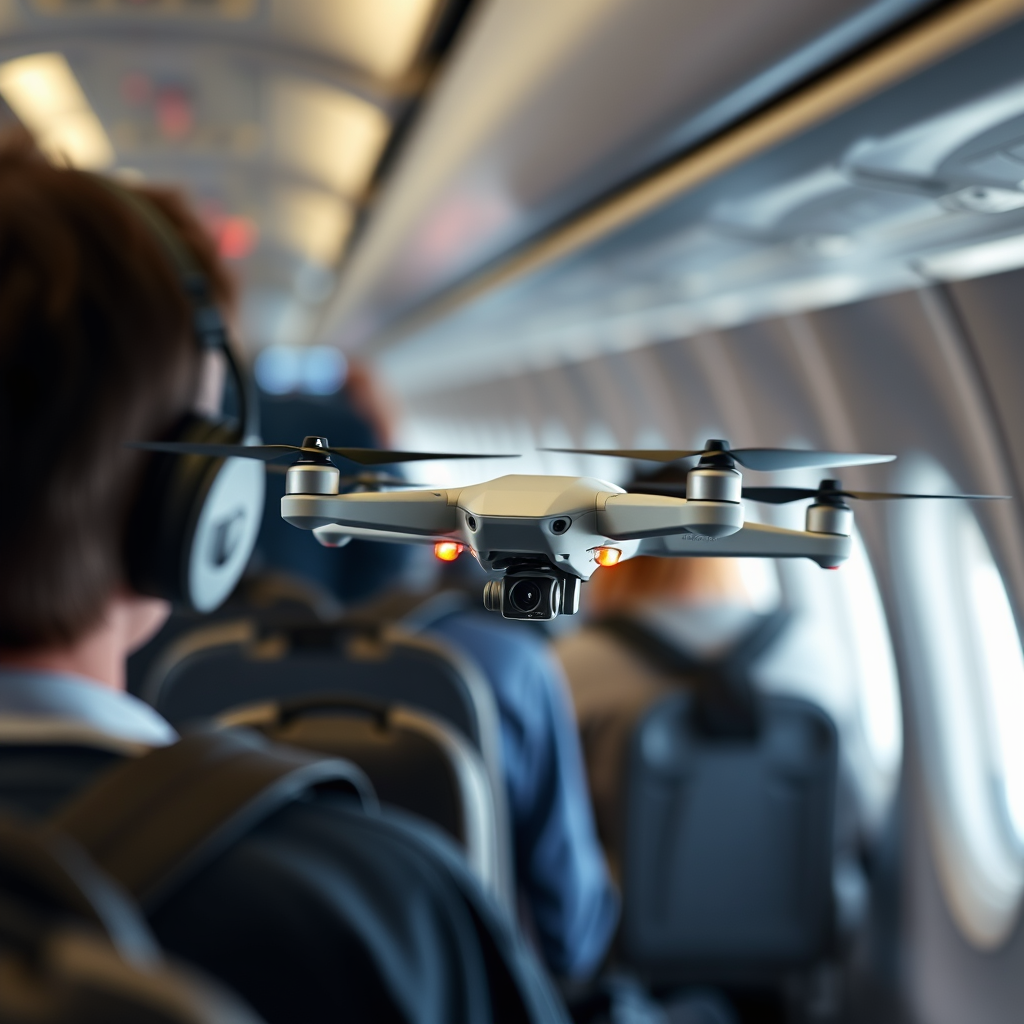
Different airlines have varying policies regarding drones, so it is crucial to check with your carrier before flying. Most major airlines do allow drones, but how they can be transported can differ significantly. For instance, some airlines may permit drones in carry-on luggage, while others might require them to be packed in checked bags. It’s important to note that if your drone is battery-operated, the battery specifications will often influence how you can pack it. Always verify the latest guidelines directly with the airline prior to your trip to avoid any last-minute surprises.
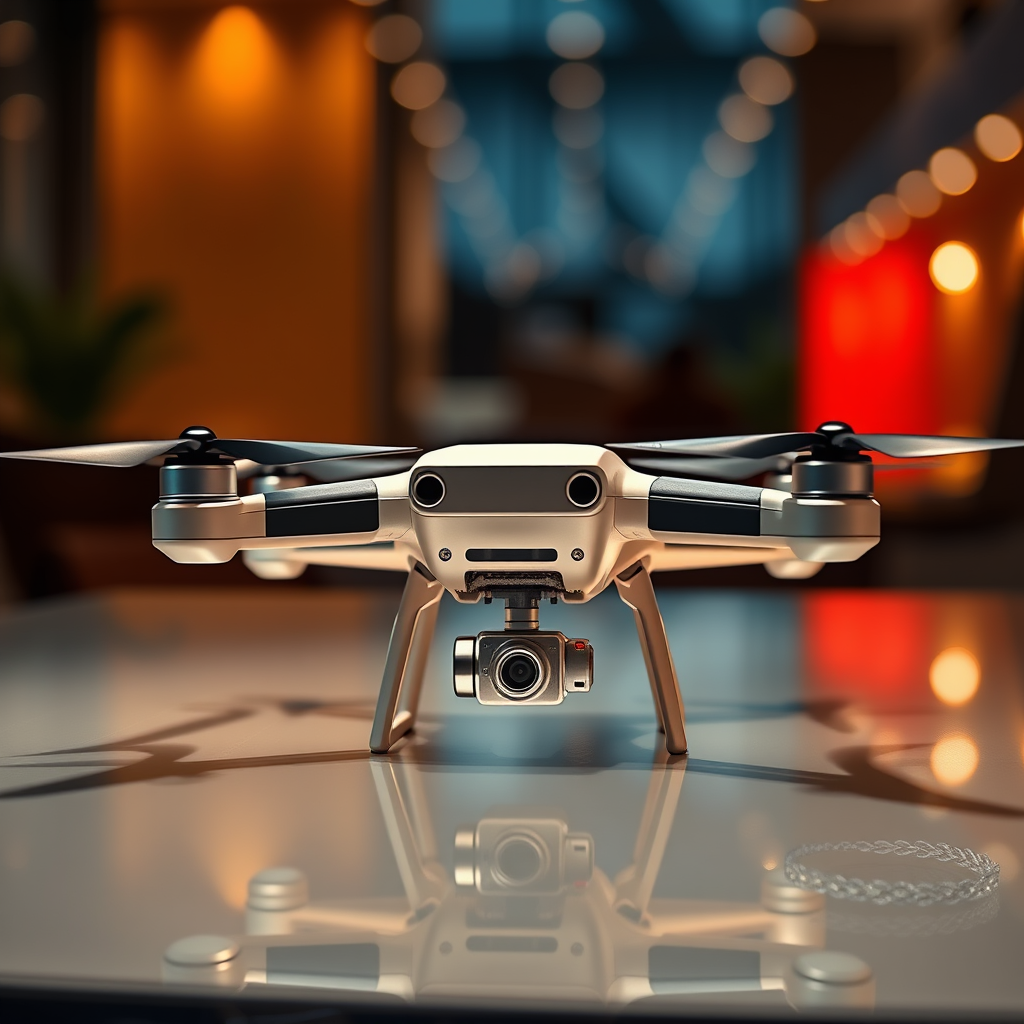
Additionally, some airlines have specific restrictions on the size and weight of the drone, particularly if it is classified as a large UAV (unmanned aerial vehicle). For example, Southwest Airlines allows drones as carry-on items under certain conditions, whereas budget airlines may impose stricter weight limits. Being aware of these distinctions can help ensure compliance and a smoother travel experience.
TSA Regulations for Drones
The Transportation Security Administration (TSA) allows drones in carry-on luggage, but you must declare them at the security checkpoint. When traveling with a drone, it’s recommended to remove it from its case and place it in a separate bin for screening. This helps TSA agents quickly assess the drone and minimizes potential delays. Remember that the TSA’s primary concern is safety, so being transparent about what you are carrying can facilitate a hassle-free experience.
One of the most critical aspects to consider is the battery. Drone batteries must comply with size and watt-hour restrictions; generally, batteries over 100 watt-hours are prohibited on flights. For instance, lithium polymer (LiPo) batteries, which are commonly used in drones, typically fall under these guidelines. If you have multiple batteries, you may need to keep them under the 100-watt-hour limit to avoid complications. Additionally, it’s advisable to check the condition of the batteries before travel, as damaged batteries are often not permitted.
Packing Your Drone for Travel
Packing your drone properly is essential to ensure it remains in good condition during transport. Use a sturdy case designed specifically for drone travel to protect it from impacts and environmental elements. Many manufacturers provide custom-fit cases that secure the drone and its components, minimizing movement and potential damage.
When packing your drone, it’s advisable to remove the batteries and pack them separately according to airline safety guidelines. This is not just a TSA requirement; it also protects the battery from potential damage during handling. Utilize protective battery bags to further ensure safety. Additionally, consider packing extra propellers and any essential accessories you might need at your destination, but keep in mind that some items, like tools, may be restricted in carry-on luggage.
International Travel Considerations
When planning to travel internationally with your drone, it’s imperative to research the drone regulations of your destination country. Some nations have strict rules or outright bans on drones, particularly for recreational use. For example, in countries like Australia and New Zealand, drone operators must adhere to local regulations that require registration and permits, even for personal use.
Furthermore, certain countries may impose restrictions on where you can fly your drone. For instance, many European countries have designated no-fly zones near airports, military installations, and populated areas. Failure to comply with local laws can result in fines or confiscation of your drone. Before you leave home, make sure to familiarize yourself with the drone laws of the country you are visiting and consider reaching out to local drone communities or forums for up-to-date information.
Tips for Flying Drones at Your Destination
Once you arrive at your destination, it’s essential to familiarize yourself with local laws regarding drone usage, including no-fly zones and height restrictions. Many tourist destinations have specific regulations to protect wildlife and maintain public safety, which can vary widely from one location to another.
Always respect privacy and property rights when flying your drone in new areas. For example, flying over private property without permission can lead to legal issues. Additionally, consider the cultural context of where you are flying; in some regions, drone usage may be frowned upon, or there may be community norms regarding photography and videography. Engaging with local drone enthusiasts can provide valuable insights and tips on the best locations to fly and photograph.
Common Misconceptions About Drones on Planes
A prevalent misconception is that drones cannot be taken on planes at all; in reality, proper planning allows for safe transport. Many travelers mistakenly believe that all drones must be checked luggage, but this is not the case. While some airlines prefer this option due to size or battery concerns, many allow drones to be carried on board provided they meet specific criteria.
Another myth is that the TSA prohibits drones entirely. As discussed, the TSA does allow drones in carry-on luggage as long as travelers declare them at security checkpoints. By understanding the facts and regulations, travelers can enjoy the convenience of bringing their drones on their journeys.
In conclusion, bringing a drone on a plane is entirely possible if you follow the necessary regulations and airline policies. Understanding airline requirements, TSA regulations, and international laws will help you avoid complications and ensure a smooth travel experience. By being proactive in your research and preparation, you can focus on capturing stunning aerial views at your destination and making the most of your drone adventures.
Frequently Asked Questions
Can I bring a drone on a plane as carry-on luggage?
Yes, you can generally bring a drone on a plane as carry-on luggage, but it’s essential to check the airline’s specific regulations first. Most airlines allow small drones in carry-on bags, provided the battery meets safety requirements. Ensure that the drone is securely packed and easily accessible, as security personnel may want to inspect it during screening.
What are the battery restrictions for bringing a drone on a plane?
When traveling with a drone, the battery restrictions vary based on the airline and the type of battery used. Lithium-ion batteries with a capacity of up to 100 watt-hours (Wh) are usually permitted in carry-on luggage. However, batteries exceeding 100 Wh may require special permission or may not be allowed at all, so it’s crucial to check with your airline before your flight.
Are there any restrictions on flying drones at my destination?
Yes, many countries and regions have specific regulations and restrictions regarding drone usage. Before you travel, research the local laws in your destination to determine if you need to register your drone or obtain a permit. Some popular tourist areas may have no-fly zones, and not adhering to these regulations can result in fines or confiscation of your drone.
How do I prepare my drone for air travel?
To prepare your drone for air travel, start by disassembling any removable parts, such as propellers, and securely pack them in your carry-on. Ensure that the drone and its batteries are stored in a protective case to prevent damage during transport. Additionally, keep all necessary documents, such as registration papers and manuals, handy for security checks.
Which airlines have the best policies for transporting drones?
Policies regarding transporting drones can vary widely between airlines, so it’s important to research before booking your flight. Airlines like Delta, American Airlines, and Southwest generally have accommodating policies for carrying drones as carry-on luggage. Always check the latest regulations on the airline’s website, as policies can change and may differ based on your specific route or destination.
References
- https://www.faa.gov/uas/travel/
- https://www.tsa.gov/travel/security-screening/whatcanibring/all-list
- https://www.cnn.com/2022/07/01/travel/drone-airline-travel/index.html
- https://www.nytimes.com/2021/10/15/travel/drones-airlines.html
- https://www.wikihow.com/Travel-with-a-Drone
- https://www.aviation.govt.nz/drones/
- https://www.theguardian.com/travel/2023/jun/15/how-to-take-a-drone-on-a-plane
- https://www.npr.org/2021/06/30/1011951877/how-to-fly-your-drone-on-a-plane
- https://www.reuters.com/technology/drone-travel-tips-2021-06-30/
