
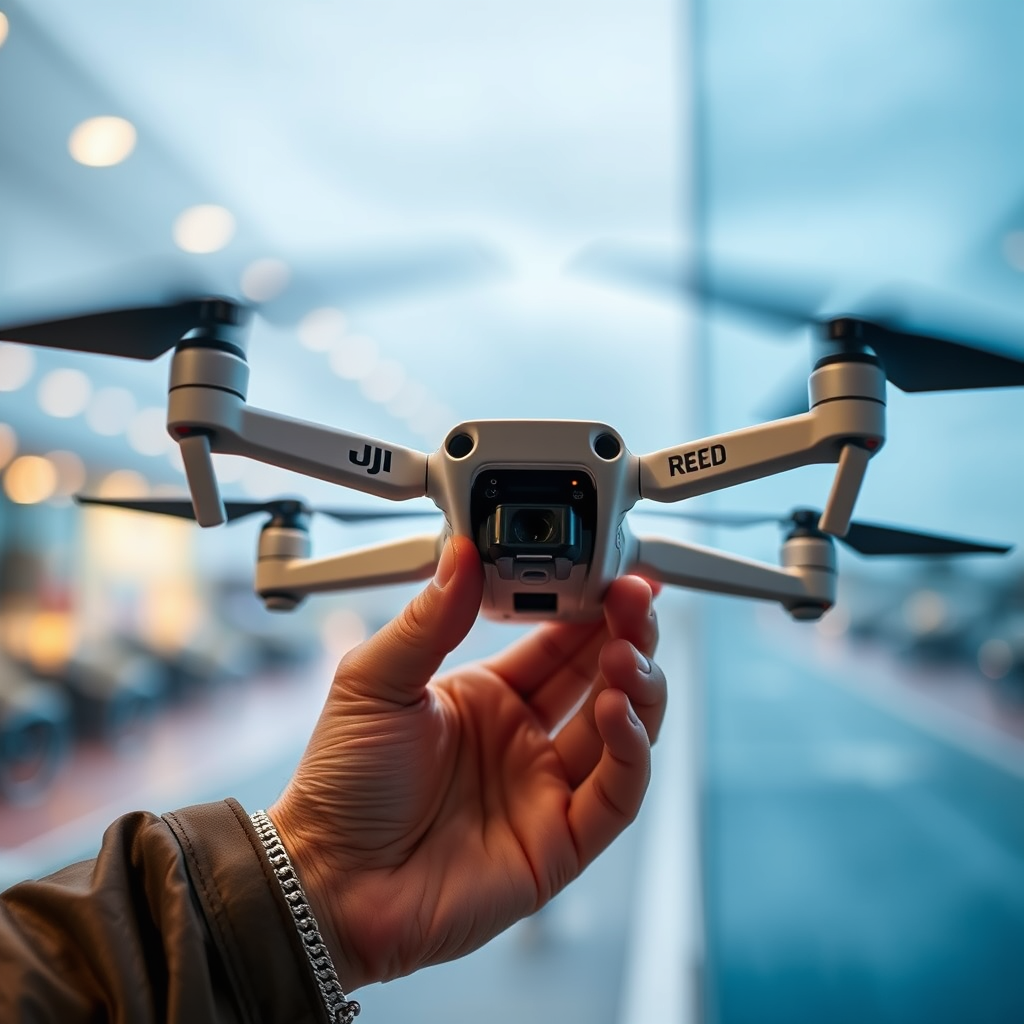
Yes, you can bring DJI drones on a plane, but there are specific regulations and guidelines to follow. Understanding these rules will help ensure your drone travels safely and legally, preventing any potential issues at the airport or during your flight. As drone usage continues to grow for both recreational and professional purposes, it is critical for travelers to be aware of the rules governing drone transport by air. In this article, we’ll explore FAA regulations, airline policies, packing tips, and more to help you navigate your journey with your drone seamlessly.
Understanding FAA Regulations
The Federal Aviation Administration (FAA) governs all aspects of drone transportation within the United States. It is essential to familiarize yourself with these regulations to ensure compliance and avoid any fines or confiscation of your drone. According to the FAA, drones weighing over 0.55 pounds (approximately 250 grams) must be registered before they can be flown in the U.S. This registration process is straightforward and can be completed online for a nominal fee.
Once registered, it’s crucial to keep your registration information updated, especially if you change your address or the specifications of your drone. Moreover, understanding the different classifications of drones—such as those for commercial operations versus recreational use—can help you navigate any additional requirements. For instance, commercial drone operators must adhere to stricter rules, including obtaining a Remote Pilot Certificate.
Additionally, the FAA has established guidelines for drone usage near airports, certain geographical areas, and during specific times, which can affect your ability to transport your drone. Always consult the FAA’s website or contact them directly for any clarifications regarding regulations that pertain to your travel.
Airline-Specific Policies
While the FAA sets overarching regulations for drone transport, individual airlines have their own specific policies that you must adhere to. These policies can vary significantly, so it is critical to check your airline’s website for the most up-to-date information regarding drone transport.
For instance, some airlines may allow drones in checked baggage, while others might require them to be carried on. Delta Airlines, for example, permits drones in carry-on luggage but advises passengers to verify the weight limits of both the drone and its batteries. Conversely, Southwest Airlines has been known to impose restrictions on lithium batteries, which are common in drone technology.
It’s also important to consider the size and weight of your drone, as some airlines may impose additional fees for oversized or overweight luggage. If you plan to travel internationally, be aware that certain airlines may have additional restrictions based on the laws of the destination country. Always contact the airline ahead of your flight to confirm their latest policies on drone transport.
Packing Your Drone for Travel
Proper packing is essential to ensure your DJI drone arrives at your destination safely. Using a sturdy, padded case designed specifically for drones can prevent damage during transit. Many manufacturers offer hard-shell cases that provide ample cushioning and protection from impacts.
When packing your drone, it is advisable to remove the batteries and carry them in your carry-on luggage. This is primarily for safety reasons, as lithium batteries can pose fire hazards if damaged or short-circuited. Additionally, carrying the batteries with you allows for easier monitoring of their condition during your journey.
Always disassemble any detachable parts, such as propellers, to minimize the risk of damage. Ensuring that all components are securely packed will also help you comply with airline regulations and avoid potential issues during security checks.
Carrying Drone Batteries
Transporting drone batteries requires special attention due to the inherent risks associated with lithium-ion batteries. The FAA has established specific guidelines regarding the transportation of these batteries, mainly due to their potential to ignite if damaged.
Most airlines restrict lithium-ion batteries to a maximum watt-hour (Wh) rating of 100Wh in carry-on luggage. For batteries exceeding this limit (up to 300Wh), prior airline approval is usually necessary. It’s crucial to check the specifications of your drone’s batteries to ensure they comply with these guidelines.
Additionally, it is advised to carry the batteries in a protective case or pouch to prevent short-circuiting. Some travelers even choose to use fireproof battery bags as an extra precaution. Familiarizing yourself with the specific requirements of your airline related to battery transport will help you avoid delays and ensure a smoother travel experience.
International Travel Considerations
Traveling internationally with your DJI drone presents additional challenges and considerations. Laws regarding drone importation and usage can vary widely across different countries, and it is your responsibility to understand and comply with these regulations.
For example, some countries may require you to register your drone upon entry, while others may prohibit the use of drones entirely in certain areas, such as near airports or government buildings. Countries like Canada, for instance, have stringent rules governing drone operations, requiring operators to obtain a Special Flight Operations Certificate for certain types of flights.
Before traveling, research the local laws and customs regulations of your destination country. Websites such as the International Civil Aviation Organization (ICAO) or the specific aviation authority of the country you are visiting can provide valuable information. Additionally, consider reaching out to local drone enthusiasts online to gain insights into navigating regulations in that area.
Tips for Smooth Travel with Drones
To ensure a hassle-free travel experience with your drone, consider the following tips. First, arrive at the airport early to allow ample time for security checks and any potential complications. Airport security may require additional screening for your drone and its components, so being proactive can save you from a last-minute rush.
Second, clearly communicate with security personnel about your drone and its components during the screening process. Being upfront can help facilitate a smoother inspection and minimize the potential for misunderstandings.
Lastly, keep all documentation, such as registration papers and airline confirmations, readily accessible. This will be beneficial if any questions arise regarding your drone’s compliance with regulations.
In conclusion, while you can bring DJI drones on a plane, being informed about regulations and airline policies is crucial. Always do your research and prepare accordingly to ensure a hassle-free journey with your drone. By understanding FAA regulations, airline-specific policies, and international travel considerations, you can confidently navigate the complexities of traveling with your drone. Safe travels and happy flying!
Frequently Asked Questions
Can you bring DJI drones on a plane as carry-on luggage?
Yes, you can bring DJI drones on a plane as carry-on luggage, but there are specific guidelines you must follow. Most airlines allow drones in the cabin, provided the batteries are under the limit set by the International Air Transport Association (IATA), which is generally 100 watt-hours for lithium-ion batteries. Always check with your airline for their specific regulations and ensure your drone is packed securely to prevent damage during travel.
What are the restrictions for traveling with DJI drones internationally?
When traveling internationally with DJI drones, restrictions can vary significantly by country. Some countries may have strict regulations regarding drone importation and use, including registration requirements or complete bans. It’s essential to research the local laws of your destination, including whether you need a permit to fly and if there are designated no-fly zones, to avoid legal issues upon arrival.
How do you pack a DJI drone for air travel?
To pack your DJI drone for air travel, first, remove the propellers and batteries to minimize the risk of damage. Use a padded, hard-shell case designed for drone transport to protect it from impact. Ensure all batteries are stored in a fireproof bag and comply with airline regulations regarding lithium battery transportation, which may require you to keep them in your carry-on luggage.
Why do airlines have restrictions on carrying DJI drones?
Airlines impose restrictions on carrying DJI drones primarily due to safety concerns associated with lithium batteries, which can pose a fire hazard if damaged or malfunctioning. Additionally, drones can be classified as hazardous materials because of their electronic components and propellers, thus requiring stricter regulations to ensure passenger safety and compliance with aviation laws.
Which DJI drone models are best for traveling on a plane?
The best DJI drone models for traveling on a plane are typically compact and lightweight options, such as the DJI Mini SE or the DJI Mavic Air 2. These models are designed for portability and convenience, making them easier to pack and carry. Additionally, they feature foldable designs and have battery capacities that are generally within airline limits, ensuring you can travel with them without hassle.
References
- https://www.faa.gov/uas/travel
- https://www.tsa.gov/travel/security-screening/carry-ons/prohibited-items
- https://www.dji.com/newsroom/news/dji-drone-air-travel-guide
- https://www.cnet.com/how-to/airline-travel-with-drones-what-you-need-to-know/
- https://www.flygosh.com/can-i-bring-my-drone-on-a-plane/
- https://www.wired.com/story/traveling-with-drones-tips/
- https://www.nytimes.com/2020/07/15/travel/drone-airline-travel.html
