
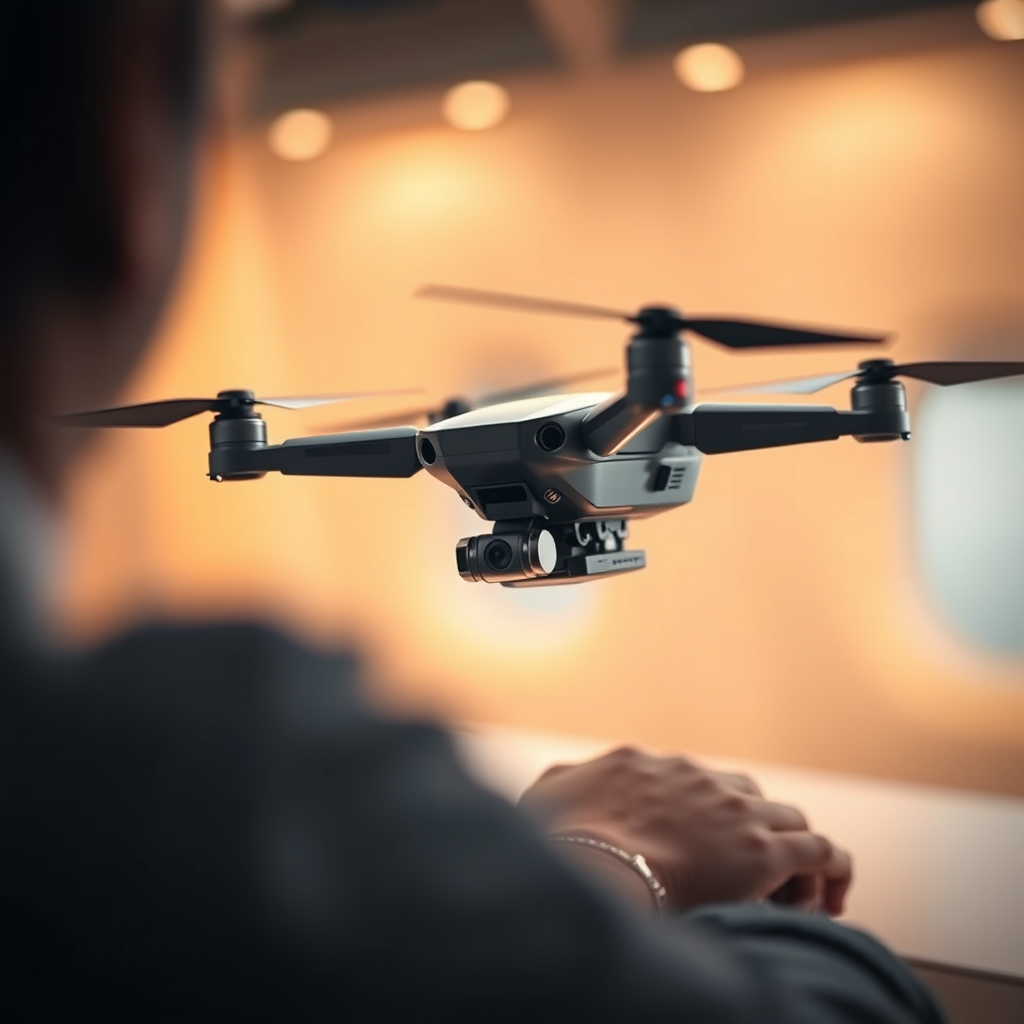
Yes, you can bring drone batteries on a plane, but there are specific regulations you must follow. Airlines and international aviation authorities have established guidelines regarding the transport of lithium batteries to ensure passenger safety. Understanding these regulations is crucial for drone enthusiasts and professionals alike, as failing to comply can result in confiscation of your batteries or even delays in your travel plans. Below, we will explore the important details you need to know before flying with drone batteries.
Understanding Battery Types
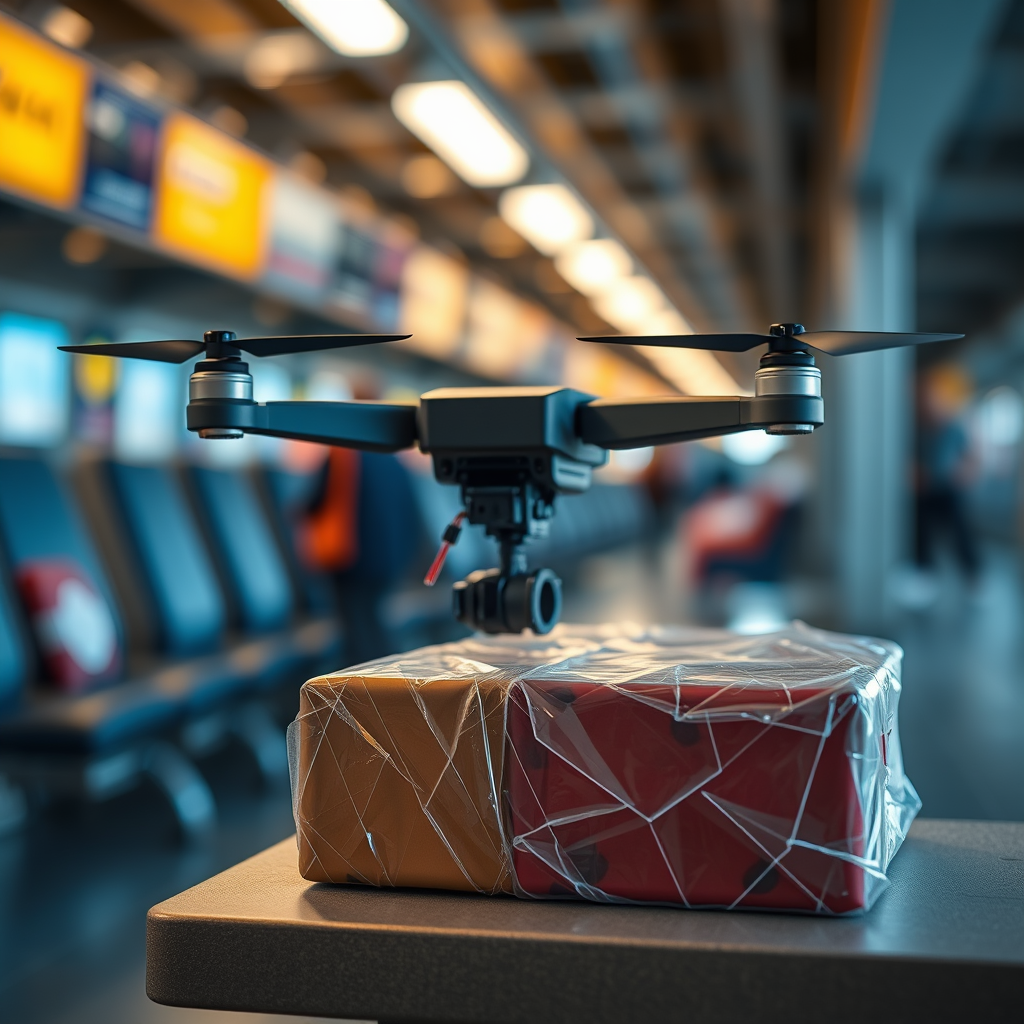
When it comes to drone batteries, the two most common types are lithium-ion and lithium polymer (LiPo) batteries. Lithium-ion batteries are generally more stable and are commonly used in consumer electronics. In contrast, lithium polymer batteries are lighter and can be shaped into various forms, which makes them popular in the drone industry. Regulations may vary based on the type of battery you are carrying, so it’s essential to know which type you have.
Additionally, the capacity ratings of batteries play a significant role in determining whether you can bring them on board. The watt-hour (Wh) rating is the key figure to consider. Batteries with a capacity of up to 100 Wh are generally allowed in carry-on luggage without special permission. Batteries between 101 Wh and 160 Wh may require airline approval, and those over 160 Wh are typically prohibited from being brought on a passenger aircraft. Always check the specifications of your batteries to ensure compliance.
Airline Policies
Airlines may have different rules regarding the transport of drone batteries, so it is essential to familiarize yourself with the specific guidelines of your airline before traveling. Major airlines like Delta, American Airlines, and Southwest all have published policies regarding lithium battery transport, which can usually be found on their websites. These policies outline the maximum watt-hour limits and any special procedures for traveling with batteries.
Most airlines require that batteries be stored in carry-on luggage rather than checked bags. This precaution is in place to minimize the risk of fire or other hazards that could arise if a battery were to malfunction. If you are traveling with multiple batteries, you may also have to take additional precautions, such as using protective cases or ensuring that battery terminals are taped to prevent short-circuiting.
TSA Regulations
Familiarizing yourself with Transportation Security Administration (TSA) rules is crucial when planning to fly with drone batteries. The TSA has specific guidelines regarding the transport of lithium batteries, which generally align with the FAA’s recommendations. For instance, the TSA allows lithium batteries in carry-on luggage, provided they meet the watt-hour limits mentioned earlier.
When packing your batteries, it’s important to ensure that they are properly packaged to avoid any risk of short-circuiting. This can include placing batteries in their original packaging, using plastic battery cases, or taping the terminals with electrical tape. When going through security, be prepared for additional screening, particularly if you are carrying multiple batteries or larger capacity batteries.
International Regulations
Traveling internationally adds another layer of complexity regarding the transport of drone batteries. Different countries have varying regulations governing the import and export of lithium batteries, and what may be permissible in one country could be restricted in another. For instance, some countries might have stricter limits on the watt-hour capacity of batteries that can be brought on board.
Before you travel, research the specific regulations of the country you are flying to or from. This information can often be found on the country’s aviation authority website or through the airline. Additionally, be aware that customs regulations may apply upon arrival, and you may be required to declare your batteries or pay duties if they exceed certain limits.
Safety Precautions
Ensuring the safety of your drone batteries is paramount when preparing for air travel. First, you should check that your batteries are in good condition, free from any damage, swelling, or corrosion. A compromised battery poses a significant risk and may be prohibited from being transported.
Moreover, familiarize yourself with the quantity limits on batteries. Many airlines and regulatory bodies impose restrictions on the number of spare batteries that can be carried. Generally, the TSA allows passengers to carry up to two spare batteries in their carry-on luggage, but you should always verify with your specific airline to avoid complications.
What to Do at the Airport
When you arrive at the airport, it’s crucial to be prepared for security checkpoint procedures. If you are carrying multiple batteries, you may undergo additional screening. To expedite the process, keep your batteries easily accessible and inform security personnel that you have them in your carry-on luggage. This proactive communication can help ensure a smoother passage through security and reduce the likelihood of misunderstandings.
If you encounter any challenges regarding your batteries, don’t hesitate to communicate with airport staff. They are trained to handle such inquiries and can provide guidance on how to proceed without compromising your travel plans.
In conclusion, while it is possible to bring drone batteries on a plane, adhering to airline policies and safety regulations is crucial. Always double-check the specific guidelines of your airline and the TSA to ensure a hassle-free travel experience. By understanding the types of batteries you have, familiarizing yourself with airline and international regulations, and taking the necessary safety precautions, you can travel with your drone batteries confidently and safely. Safe travels!
Frequently Asked Questions
What are the regulations for bringing drone batteries on a plane?
Airlines and aviation authorities, such as the FAA in the U.S. and the IATA globally, have specific regulations regarding drone batteries. Typically, lithium-ion batteries over 100 watt-hours must be carried in carry-on luggage and are often limited to two per passenger. It’s crucial to check with your airline for their specific policies, as they may vary, and to ensure your batteries are properly packaged to prevent short-circuiting.
How should I pack drone batteries for air travel?
When packing drone batteries for air travel, ensure that they are stored in their original packaging or padded with materials to prevent movement and damage. Use battery cases or plastic bags to cover the terminals and protect against short-circuiting. Additionally, it’s advisable to discharge the batteries to around 30% capacity before traveling, as this reduces the risk of fire during transit.
Why are there restrictions on carrying drone batteries on planes?
Restrictions on carrying drone batteries on planes primarily stem from safety concerns. Lithium-ion batteries can pose a fire hazard if damaged or short-circuited, leading to potential in-flight emergencies. Due to the high energy capacity of these batteries, stricter regulations help ensure the safety of all passengers and crew members during air travel.
Which types of drone batteries are allowed on airplanes?
Generally, most small lithium-ion and lithium-polymer batteries used in consumer drones are allowed on airplanes, provided they meet specific capacity limits. Batteries under 100 watt-hours can typically be carried in both carry-on and checked luggage, while batteries between 100 and 160 watt-hours may only be taken in carry-on bags and often require airline approval. Always verify the watt-hour rating on your battery before traveling.
What should I do if my drone battery exceeds the airline’s capacity limit?
If your drone battery exceeds the airline’s capacity limit, you have a few options. You can consider shipping the battery via a freight service that specializes in hazardous materials, or you may need to purchase a new battery that complies with airline regulations for your trip. Always contact your airline in advance to discuss your situation and explore acceptable alternatives for transporting your drone batteries.
References
- https://www.faa.gov/hazmat/packsafe/more_info/batteries
- https://www.tsa.gov/travel/security-screening/whatcanibring/items/batteries
- https://www.cdc.gov/nceh/ehs/ehsnet/docs/air_travel_battery.pdf
- https://www.iata.org/en/pressroom/2022/releases/2022-07-21-01/
- https://www.faa.gov/aircraft/air_cert/international/foreign_air_carriers/batteries/
- https://www.traveldocs.com/drones/
- https://www.wired.com/story/drone-batteries-transport-planes/
