

Yes, you can bring drones on a plane, but there are specific regulations and restrictions you must follow. Understanding the rules for carrying drones in both carry-on and checked luggage will help ensure a smooth travel experience. With the increasing popularity of drones for both recreational and professional use, it is essential for travelers to be aware of the guidelines set by aviation authorities, airlines, and international regulations to avoid any complications during their journey.
Understanding FAA Regulations
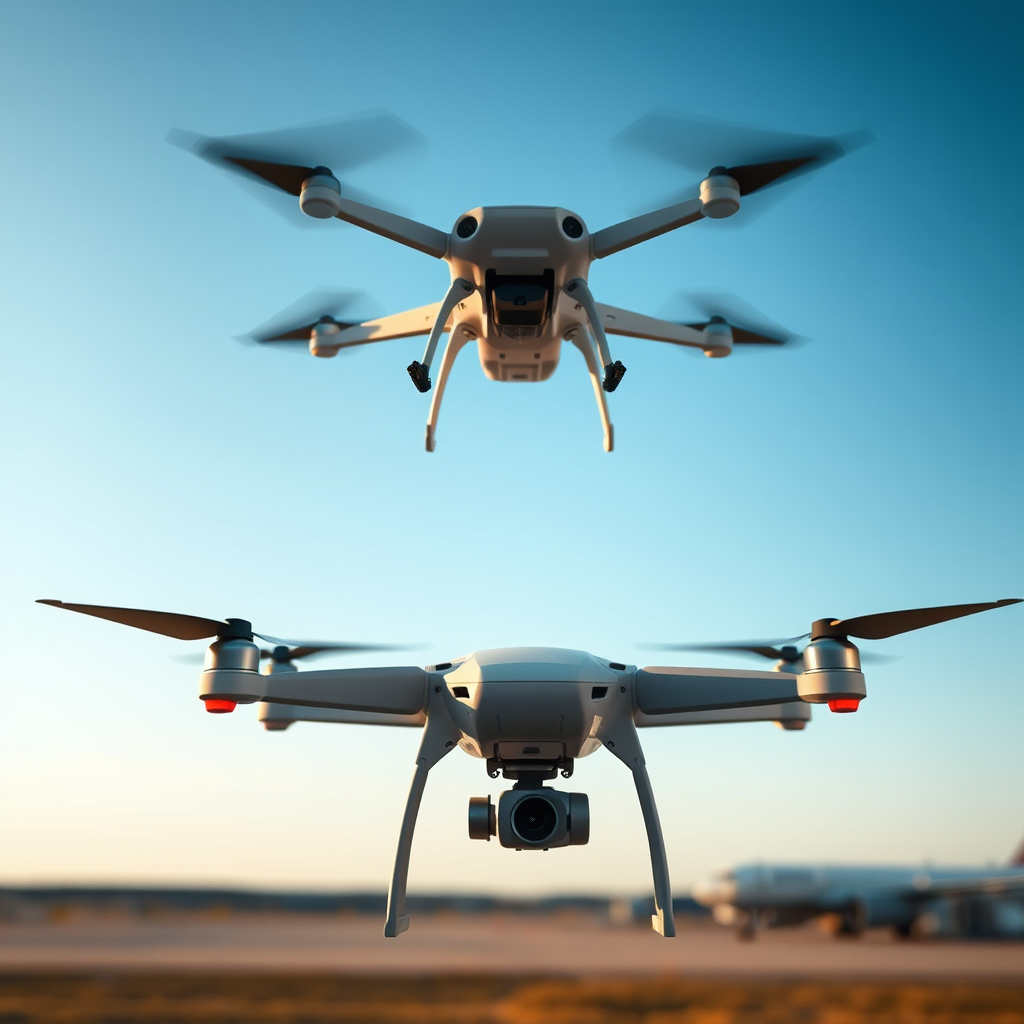
To transport a drone on a plane, it is imperative to comply with Federal Aviation Administration (FAA) regulations, which are designed to ensure safety in the national airspace. The FAA requires that drones weighing over 0.55 pounds (approximately 250 grams) be registered. The registration process is straightforward and can be completed online through the FAA’s official website. Once registered, you will receive a unique identification number that must be affixed to your drone. Failure to register a drone can lead to fines and complications when traveling.
Additionally, it is important to adhere to the FAA’s guidelines on drone operation. For instance, drones should not be flown near airports, over crowds, or beyond the pilot’s line of sight. Travelers should familiarize themselves with any state-specific laws as well, as these can vary significantly. Understanding these regulations not only ensures compliance but also promotes responsible drone usage, which is crucial for maintaining safety and public trust.
Airline Policies on Drones
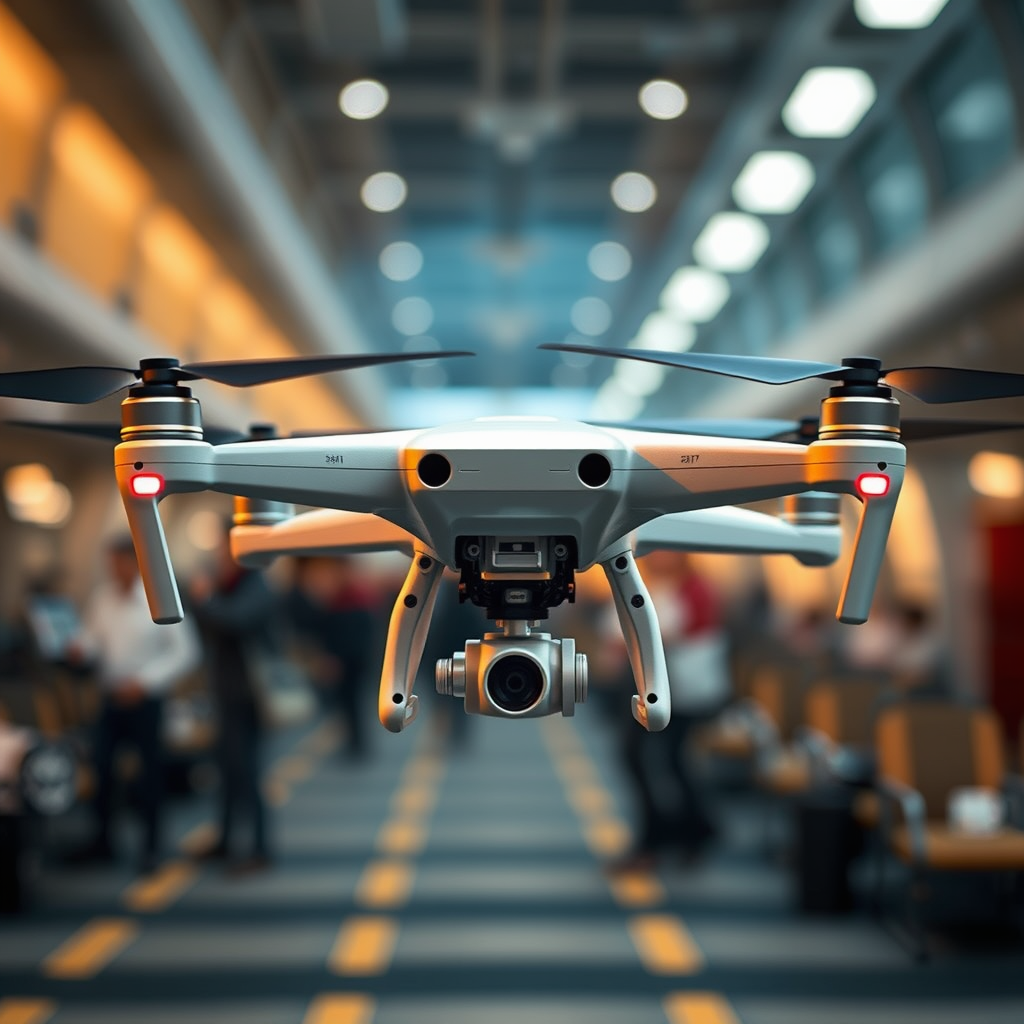
When it comes to transporting drones, it is vital to note that different airlines have varying policies regarding drone transport. These policies can include restrictions on the size of the drone, the types of batteries allowed, and whether they can be carried in the cabin or must be checked. For example, major airlines like Delta, American Airlines, and United have specific guidelines that may differ, particularly concerning the presence of lithium batteries, which are commonly used in drones.
Always check your airline’s specific guidelines before traveling to avoid surprises at the airport. Some airlines may require you to notify them in advance if you plan to travel with a drone, while others may have strict limits on the number of batteries you can bring on board. Reviewing these policies will not only help you pack appropriately but also prepare you for any questions you may encounter during security checks.
Packing Your Drone for Travel
Proper packing is crucial to ensure that your drone arrives at your destination safely. Consider using a padded case specifically designed for drones, which not only provides protection from physical damage but also helps in organizing all components. These cases often come with compartments for accessories, such as propellers, cameras, and remote controllers, reducing the risk of losing essential parts during transit.
Moreover, it is imperative to remove the batteries from your drone and pack them separately. Lithium batteries are subject to specific airline restrictions due to their flammability risk. Most airlines limit the capacity of lithium batteries that can be transported in carry-on luggage to 100 watt-hours (Wh) per battery. If your drone’s battery exceeds this capacity, you may need to seek alternatives or consider shipping the drone separately. Always carry additional batteries in their original packaging or a protective case to prevent short-circuiting during travel.
Carry-On vs. Checked Luggage
Most airlines allow drones in carry-on luggage, but there may be size restrictions to consider. It is advisable to check your airline’s website for specific dimensions allowed for carry-on items. Carrying your drone in the cabin is generally safer, as it minimizes the risk of damage or theft compared to checked luggage, where items can be subjected to rough handling.
Avoid placing your drone in checked luggage if possible. The cargo hold can be a harsh environment, with temperature fluctuations and pressure changes that may affect sensitive electronic devices. Additionally, there is a higher risk of theft or loss when items are placed in checked baggage. If you must check your drone, ensure it is securely packed in a sturdy case with clear labeling to minimize the risks.
Security Screening Procedures
Be prepared for airport security screening procedures, as you will likely need to take your drone out for separate screening at airport security checkpoints. The Transportation Security Administration (TSA) requires that all electronic devices be placed in bins for scanning, so it is advisable to arrive at the airport early to accommodate this process.
Familiarize yourself with TSA guidelines for electronic devices to expedite the screening process. For instance, packing your drone and its components in a way that allows for easy access can help reduce delays. If you are traveling internationally, be aware that different countries may have their own security protocols, which can differ from TSA regulations. Always stay updated on the latest security requirements to ensure a smooth passage through airport screening.
International Travel Considerations
When traveling internationally with a drone, it is crucial to research the drone regulations of your destination country. Many countries have strict rules or even bans on drone use, which can result in fines or confiscation of your equipment. For example, countries like Japan and Canada have specific registration requirements and operational guidelines that travelers must follow.
Before you travel, check the embassy or consulate website of your destination to understand any regulations that may apply. Additionally, consider downloading local drone apps or resources that provide updated information on flying rules and no-fly zones. Engaging with local drone communities can also offer valuable insights into the best practices for flying in a new environment.
Tips for Traveling with Drones
Successfully traveling with a drone requires careful planning and management. Always have a backup plan for charging and battery management, especially if you are traveling to remote areas where charging facilities may be limited. Consider carrying a portable charging solution or additional batteries to ensure you can capture all your desired footage without running out of power.
Familiarize yourself with local laws regarding drone flying at your destination. Different regions may have specific guidelines about where and when you can fly, as well as requirements for permits or insurance. Being informed about the local laws will not only help you avoid legal issues but also enhance your overall flying experience.
In conclusion, while you can bring drones on a plane, adhering to FAA regulations, airline policies, and international laws is crucial. Proper packing, preparation for security procedures, and understanding the regulations of your destination will ensure your drone travels safely with you. Always check ahead and plan accordingly to enjoy your flying experience at your destination!
Frequently Asked Questions
What are the airline regulations for bringing drones on a plane?
Airline regulations for bringing drones on a plane vary by airline and country, but generally, most airlines allow you to carry drones in your carry-on luggage. It’s crucial to check the specific airline’s policy before traveling, as some may have restrictions on battery size or weight. Additionally, you must comply with TSA guidelines regarding lithium batteries, which typically must be carried in your carry-on rather than checked luggage.
How do I pack my drone for air travel?
To pack your drone for air travel, first, disassemble any removable parts, such as propellers and batteries, to prevent damage. Use a padded case or backpack specifically designed for drones to provide adequate protection during transit. Ensure that the lithium batteries are stored according to airline regulations, typically in their original packaging or a protective case, to avoid any risk of fire during the flight.
Why are there restrictions on flying drones in certain areas?
Restrictions on flying drones in certain areas primarily stem from safety and privacy concerns. Drones can pose risks to commercial aircraft, especially near airports, which is why many regions have designated no-fly zones. Additionally, local laws may prohibit drone use over private property or crowded areas to protect individuals’ privacy and safety, requiring drone operators to be informed and compliant with local regulations.
What should I do if my drone is damaged during air travel?
If your drone is damaged during air travel, you should immediately report the issue to the airline’s baggage service or customer service desk. Document the damage with photos and keep receipts for any repairs or replacements, as this information may be necessary for filing a claim. Most airlines have specific policies regarding damaged luggage, so it’s essential to understand your rights and the claims process for compensation.
Which drones are best suited for travel?
The best drones for travel are typically compact, lightweight, and foldable models that can easily fit in a backpack or carry-on luggage. Popular travel-friendly options include the DJI Mavic Mini and the DJI Air series, as they offer high-quality camera capabilities while being easy to transport. When selecting a travel drone, consider features like battery life, camera quality, and ease of setup to ensure a seamless experience during your travels.
References
- https://www.faa.gov/uas/travel
- https://www.tsa.gov/travel/security-screening/whatcanibring/items/drone
- https://www.wired.com/story/faa-drone-regulations/
- https://www.nytimes.com/2020/01/16/business/drone-travel-airline.html
- https://en.wikipedia.org/wiki/Drone
- https://www.reuters.com/article/us-usa-drones-airlines-idUSKBN1Y02Z8
- https://www.cnet.com/news/faa-drone-rules-what-you-need-to-know-to-fly-legally/
