
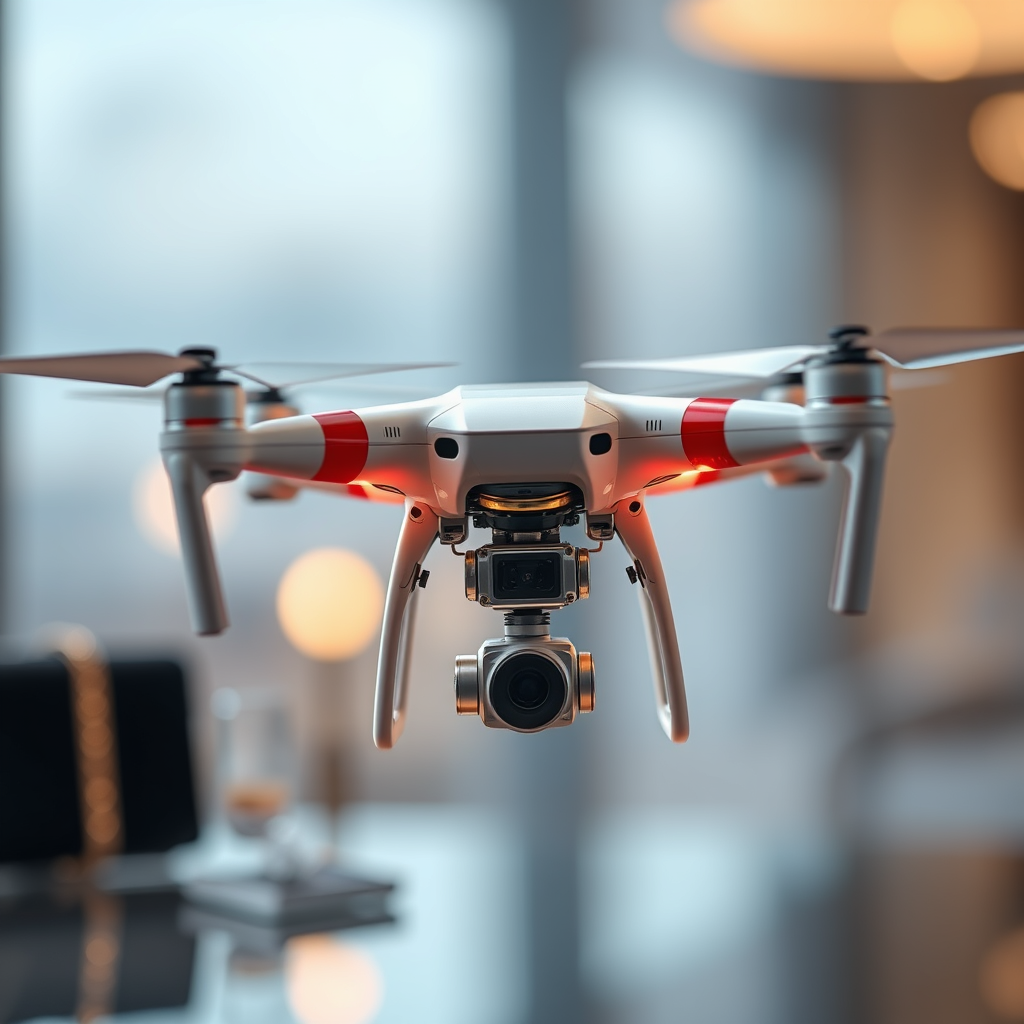
Yes, you can bring drones on planes, but there are specific rules and regulations you need to follow. To ensure a smooth travel experience, it is crucial to be aware of the legal requirements, airline policies, and packing guidelines associated with transporting drones by air. This article will provide you with essential information to navigate these considerations effectively, ensuring your drone travels safely and in compliance with all applicable regulations.
Understanding FAA Regulations
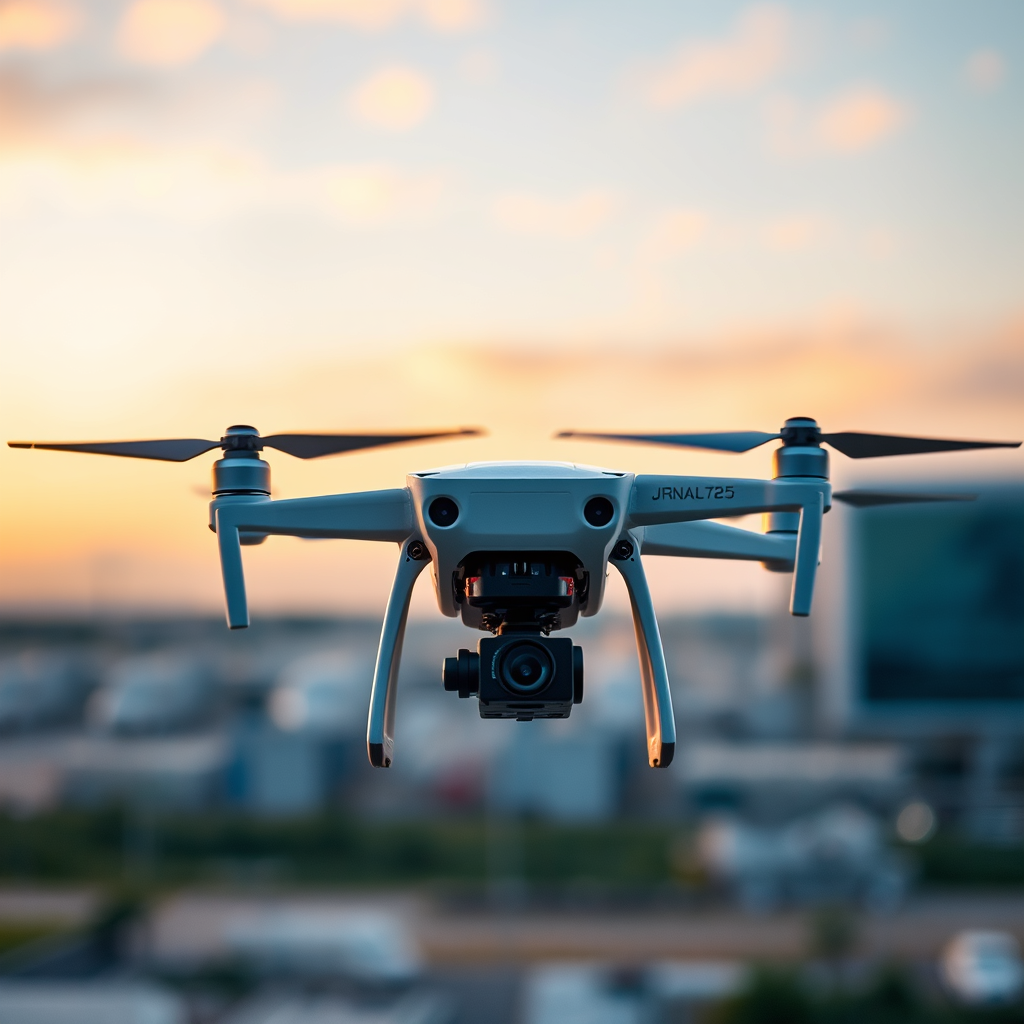
The Federal Aviation Administration (FAA) governs drone usage in the United States, establishing clear guidelines that drone operators must follow. For recreational users, the FAA requires that drones weighing over 0.55 pounds be registered, and operators must adhere to safety guidelines, such as flying below 400 feet and keeping the drone within visual line of sight. Commercial drone use, on the other hand, is subject to more stringent regulations, including obtaining a Remote Pilot Certificate and adhering to specific operational limitations. It’s essential to familiarize yourself with these regulations before traveling, as they can impact where and how you can legally operate your drone.
Additionally, the FAA has implemented rules concerning the transport of drones on commercial flights. While you can bring your drone in your carry-on luggage, it must comply with all safety standards and guidelines set forth by the FAA, including weight restrictions and battery regulations. Understanding these nuances ensures that you can enjoy your drone without facing legal repercussions.
Airline Policies on Drones
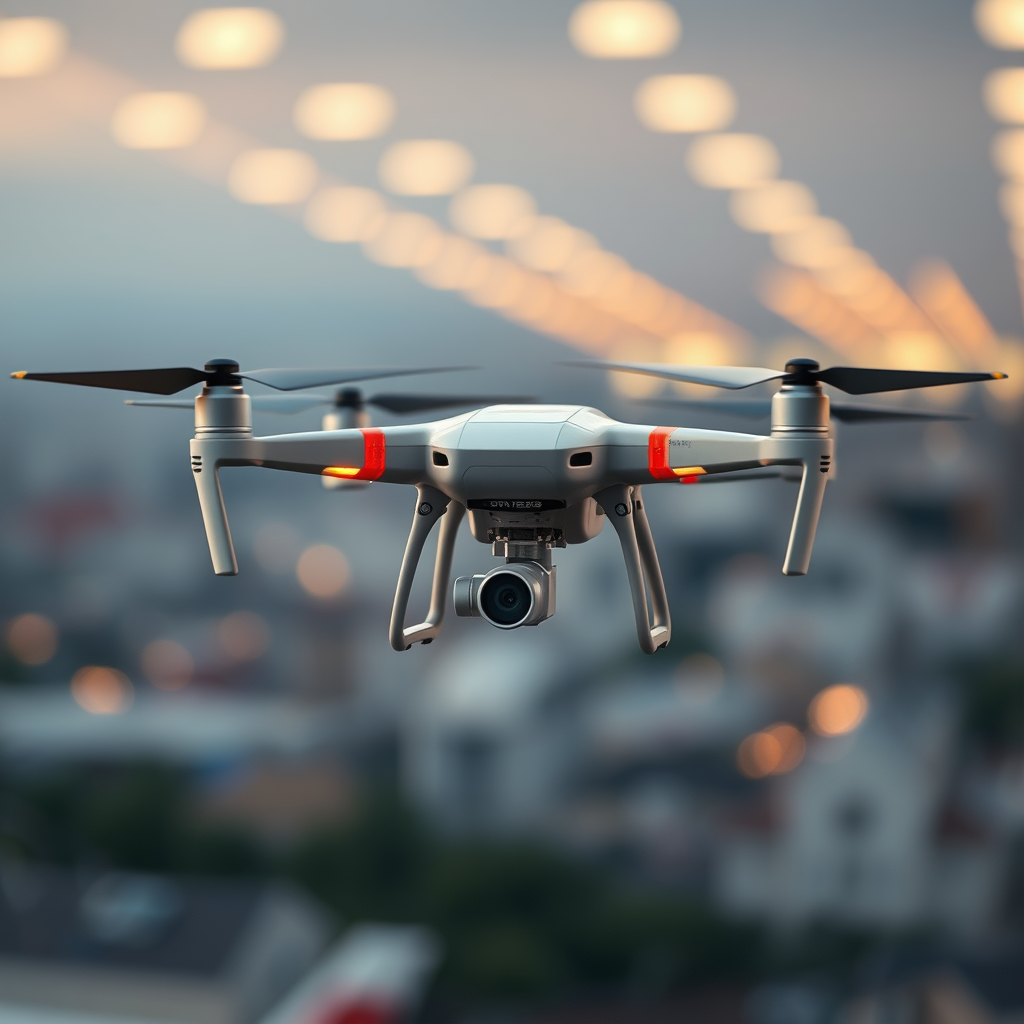
Each airline has its own set of rules regarding the transportation of drones, which can vary significantly. Some airlines may allow drones in both carry-on and checked luggage, while others might have restrictions based on size or weight. For example, airlines like American Airlines and Southwest allow drones in carry-on bags but may require them to be packed in a protective case. Conversely, budget airlines may impose stricter limitations due to space constraints.
Before you travel, it is vital to check with your airline about their specific policies on drone transportation. This can usually be done by visiting the airline’s official website or contacting their customer service. Being proactive can save you from unexpected surprises at the airport, such as having to leave your drone behind or facing additional fees.
Packing Your Drone for Air Travel
Proper packing is critical when transporting your drone to ensure it arrives safely at your destination. First, disassemble your drone as much as possible; remove propellers, gimbals, and any other detachable components to minimize the risk of damage during transit. Use a sturdy carrying case designed specifically for drones, which can provide adequate protection against bumps and jostles.
When choosing a case, ensure it meets your airline’s size and weight requirements for carry-on luggage to avoid any complications at the airport. Consider using cases with custom foam inserts that snugly hold the drone and accessories in place. This not only protects the equipment but also makes it easier to pass through security checks.
Battery Safety and Regulations
Lithium batteries, which power most drones, are subject to strict regulations when it comes to air travel. The FAA has guidelines that dictate how many batteries you can carry and their watt-hour rating. Generally, batteries rated below 100 watt-hours can be carried in your carry-on luggage without restrictions. However, batteries in the range of 100 to 300 watt-hours require airline approval, and you may be limited to two batteries per passenger.
To comply with safety regulations, make sure to carry your lithium batteries in their original packaging or a battery case that prevents short circuits. Additionally, it’s advisable to keep the terminals of the batteries covered with tape to prevent accidental discharge. Being diligent about battery safety not only ensures compliance with regulations but also promotes a safer travel environment for all passengers.
International Travel Considerations
Traveling internationally with a drone can be particularly complex due to varying laws and regulations regarding drone importation and operation. Different countries may have specific restrictions on the types of drones that can be brought in, requiring permits or even prohibiting certain models altogether. For instance, countries like Japan and Australia have strict regulations and may require you to register your drone before flying.
Before your trip, it is essential to conduct thorough research on the drone regulations of your destination country. Websites like the International Civil Aviation Organization (ICAO) provide resources that can help you understand local laws. Additionally, consider reaching out to local drone organizations or forums for firsthand experiences and guidance. This preparation can help you avoid confiscation of your drone at customs or fines for non-compliance.
Security Screening Procedures
Passing through security with a drone requires some additional steps to ensure a smooth experience. Be prepared to remove your drone from its case for inspection during the security screening process. The Transportation Security Administration (TSA) guidelines recommend that you place your drone in a bin for X-ray screening, similar to how you would handle laptops or other large electronic devices.
To facilitate this process, make sure your drone is easily accessible in your carry-on bag. Keeping all components organized can also help expedite the screening process, reducing the likelihood of delays. Following TSA procedures will help ensure that you and your drone can pass through security without any issues.
Tips for Traveling with Drones
To make your travel experience with a drone as hassle-free as possible, consider these additional tips. First, registering your drone with the FAA can simplify identification processes, especially if your drone is lost or stolen. Having proof of ownership and registration handy can also be beneficial should a security agent request documentation.
Additionally, consider joining online communities or forums dedicated to drone enthusiasts. These platforms can provide valuable insights from fellow travelers regarding their experiences and any tips they may have for traveling with drones. Lastly, always have a contingency plan in case of unexpected situations, such as flight delays or changes in airline policies.
In conclusion, bringing a drone on a plane is certainly possible, but it requires careful preparation and adherence to regulations. Make sure to research airline policies and packing guidelines to ensure a hassle-free travel experience. By understanding FAA regulations, airline rules, battery safety, and international laws, you can ensure that your drone adventure goes smoothly. Happy flying!
Frequently Asked Questions
What are the rules for bringing drones on planes?
Bringing drones on planes is subject to specific regulations that vary by airline and country. Generally, most airlines allow you to carry drones in your carry-on luggage, but you must ensure that the drone’s battery is properly packaged to avoid fire hazards. It’s crucial to check the airline’s policy and the regulations of the destination country regarding drone importation, as some locations have strict rules or may require registration.
How do I pack my drone for air travel?
To safely pack your drone for air travel, start by removing the propellers and any detachable parts to prevent damage. Use a padded case or a hard shell drone bag for extra protection during transit. Additionally, ensure that the lithium batteries are stored in accordance with airline regulations, typically in carry-on luggage, and make sure they are under the allowed watt-hour limits to comply with safety standards.
Why are there restrictions on flying drones in certain areas?
Restrictions on flying drones in certain areas are primarily in place to ensure public safety, protect privacy, and prevent disturbances in sensitive locations like airports, military bases, and national parks. These regulations are enforced by aviation authorities and local governments to minimize the risk of accidents or interference with manned aircraft. Always check local regulations and no-fly zones before operating your drone.
Which airlines allow drones in carry-on baggage?
Most major airlines, including American Airlines, Delta, and United, allow drones in carry-on baggage, but policies can differ significantly. It’s essential to review each airline’s specific guidelines regarding size, weight limits, and battery transport to avoid any issues at the airport. Checking with the airline directly before your trip can ensure a smooth boarding process.
What should I do if my drone gets damaged during air travel?
If your drone is damaged during air travel, report the issue immediately to the airline’s customer service or baggage claim department. Most airlines have a process for handling damaged items and may require you to fill out a claim form. Keep all receipts and documentation related to your drone and its value, as this can help expedite the claims process and facilitate potential compensation.
References
- https://www.faa.gov/uas/getting_started/registration
- https://www.tsa.gov/travel/security-screening/whatcanibring/items/drone
- https://www.nbcnews.com/technology/what-you-need-know-about-flying-drones-planes-n1234567
- https://www.wired.com/story/flying-drones-on-planes/
- https://www.theguardian.com/travel/2021/jun/15/what-to-know-about-flying-with-drones
- https://www.nytimes.com/2020/10/01/travel/flying-with-drones.html
- https://www.faa.gov/uas/
- https://en.wikipedia.org/wiki/Drone_regulations_in_the_United_States
- https://www.cnn.com/travel/article/flying-with-drones/index.html
