
Yes, you can bring your drone on an airplane, but there are specific regulations and guidelines you must follow. Understanding both airline policies and federal regulations is crucial for ensuring a smooth travel experience with your drone. As the popularity of drones continues to soar, so does the need for clarity on how to legally and safely transport them during air travel. This post will provide you with comprehensive insights into the essential considerations for bringing your drone aboard an airplane.
Airline Policies on Drones
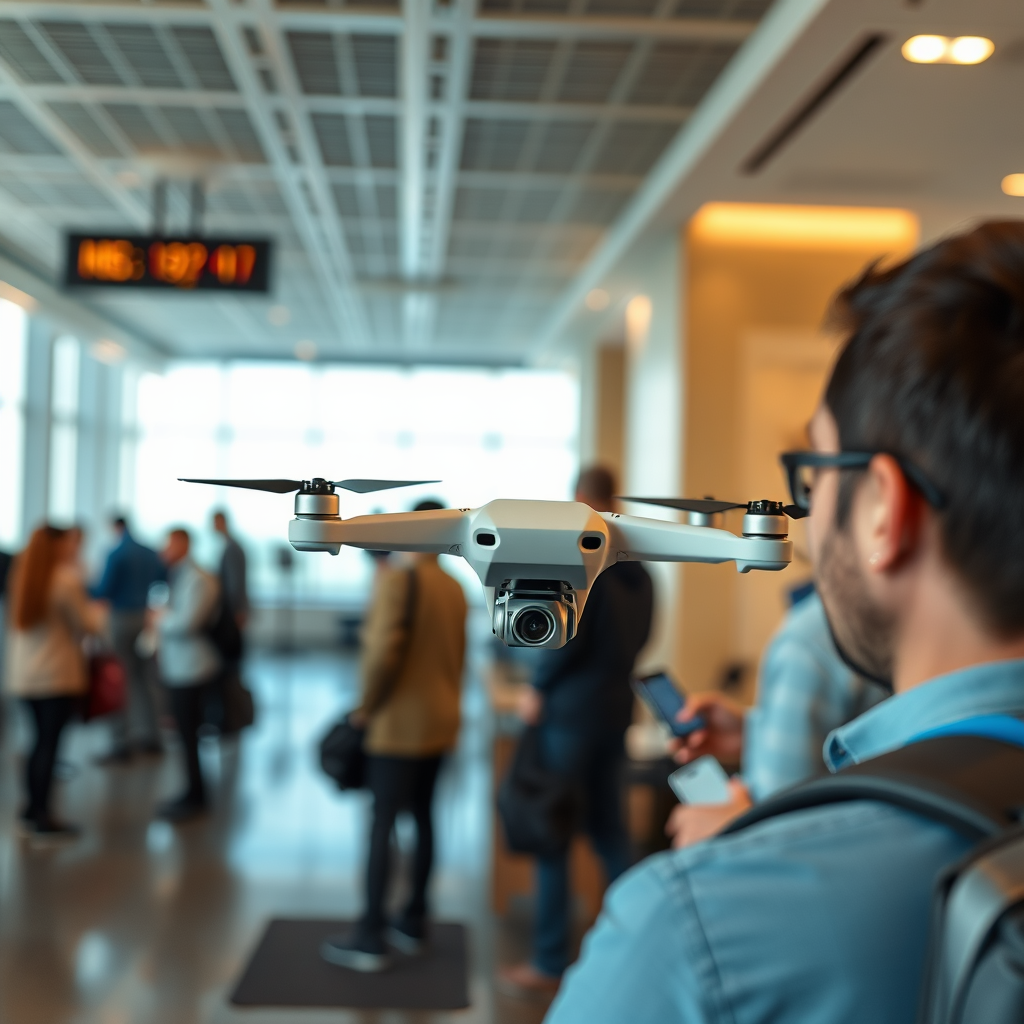
Each airline has its own rules regarding drone transportation, which can vary significantly. Some airlines allow drones as part of carry-on baggage, while others may have restrictions or require drones to be checked. It’s imperative to check directly with your airline before traveling to know their specific requirements. For instance, Delta Airlines permits drones in carry-on luggage but has restrictions on battery sizes, while Southwest Airlines has a similar policy but may differ on weight limits. Always refer to the airline’s website or customer service for the most accurate and up-to-date information to avoid any last-minute surprises at the airport.
FAA Regulations for Drones
The Federal Aviation Administration (FAA) regulates drone usage in the U.S., and it is critical to adhere to these regulations when traveling with your drone. Drones must meet specific weight and size restrictions when carried on flights. For example, drones weighing more than 55 pounds must be registered with the FAA, and there are restrictions regarding the transport of lithium batteries, which can pose fire hazards. According to FAA guidelines, batteries exceeding 100 watt-hours must be carried in carry-on luggage and must be protected from short-circuiting. Familiarizing yourself with these regulations not only ensures compliance but also enhances safety during your journey.
Packing Your Drone for Travel
Properly packing your drone is essential to prevent damage during transport. It is advisable to use a protective case specifically designed for drones, which will safeguard the device from impacts and environmental factors. Many cases come with custom foam inserts that fit your drone snugly, minimizing movement during travel. Additionally, it is necessary to remove batteries and pack them separately according to safety regulations. When doing so, ensure that the battery terminals are insulated, and the batteries are stored in a fire-resistant container to comply with FAA guidelines. A well-packed drone not only prevents damage but also expedites the security screening process at the airport.
Carry-On vs. Checked Baggage
Most airlines require drones to be in carry-on luggage rather than checked baggage due to safety concerns regarding batteries and the potential for theft or damage. Carry-on luggage allows you to maintain control over your drone and ensures that it is handled with care. However, it’s crucial to understand the weight limits and size constraints for carry-on items, which can differ from one airline to another. For example, American Airlines allows carry-on bags with a maximum size of 22 x 14 x 9 inches, while United Airlines has a similar allowance. Always measure your drone and its case to ensure compliance with these limits to avoid any issues at the gate.
International Travel Considerations
Traveling internationally with your drone introduces additional complexities. Different countries have varying rules about drone usage, including registration requirements and restricted airspace. For instance, in Canada, drones weighing over 250 grams must be registered, and in certain areas, drone flights are heavily regulated or completely prohibited. Before flying your drone at your destination, always check local regulations and any necessary permits. Websites like the International Civil Aviation Organization (ICAO) provide valuable resources for understanding drone laws in different countries. Engaging with local drone communities or forums can also provide insights into the practical experiences of other drone enthusiasts.
Insurance and Liability
Considering drone insurance is a prudent step for travelers, as it can cover potential damages or loss during travel. Drone insurance can provide financial protection against various risks, including theft, accidental damage, or liability for personal injury. Additionally, reviewing your homeowner’s insurance policy is wise to see if it covers drone use, especially if you plan to fly in unfamiliar territories. Some companies offer specific drone insurance policies that cater to recreational and commercial pilots, providing peace of mind as you embark on your journey.
In summary, while you can bring your drone on an airplane, it’s essential to follow both airline policies and legal regulations. Understanding airline requirements, adhering to FAA guidelines, packing your drone securely, and being aware of international rules significantly enhance your travel experience. Moreover, securing appropriate insurance can provide an additional layer of safety. Always conduct thorough research ahead of time to ensure a hassle-free journey. Happy flying!
Frequently Asked Questions
Can you bring your drone on an airplane as carry-on luggage?
Yes, you can typically bring your drone on an airplane as carry-on luggage, but there are specific regulations you need to follow. Most airlines allow drones as carry-on items, but it’s essential to check the airline’s policies before traveling. Ensure that your drone’s battery complies with the airline’s restrictions, usually limited to 100 watt-hours for lithium batteries, and always pack it securely to avoid damage.
What are the TSA regulations for flying with a drone?
The Transportation Security Administration (TSA) allows you to bring drones on airplanes, but they must pass through security screening. Batteries should be removed from the drone and placed in your carry-on bag for safety. It’s advisable to keep the drone accessible during security checks, as TSA officers may want to inspect it further.
Are there restrictions on drone batteries when flying?
Yes, there are restrictions on drone batteries when flying, particularly lithium-ion batteries. Most airlines restrict lithium batteries to a maximum of 100 watt-hours in carry-on luggage and generally do not allow them in checked luggage. For batteries exceeding this limit, you may need special permission or to follow alternative guidelines, so always check with your airline before flying.
Why do airlines have restrictions on flying with drones?
Airlines have restrictions on flying with drones primarily for safety and security reasons. Drones contain lithium batteries, which can pose a fire risk if damaged or improperly stored. Additionally, drones can interfere with aircraft operations, prompting airlines to implement strict regulations regarding their transport to ensure the safety of all passengers and crew members.
What should I do if my drone is too large for carry-on luggage?
If your drone is too large for carry-on luggage, your best option is to check it in as oversized baggage. Make sure to pack it securely in a protective case to minimize the risk of damage during transit. Additionally, consult your airline’s oversized baggage policy in advance, as fees and regulations may vary, and consider the implications for your drone’s warranty or functionality upon arrival.
References
- https://www.faa.gov/uas/traveling_with_your_drone
- https://www.tsa.gov/travel/security-screening/whatcanibring/all-list-items/drone
- https://www.wikihow.com/Travel-with-a-Drone
- https://www.nytimes.com/2021/06/22/travel/drone-airplane.html
- https://www.cnet.com/news/traveling-with-a-drone-what-you-need-to-know/
- https://www.bbc.com/news/technology-46941017
- https://www.govinfo.gov/content/pkg/FR-2021-01-15/pdf/2020-27039.pdf
