
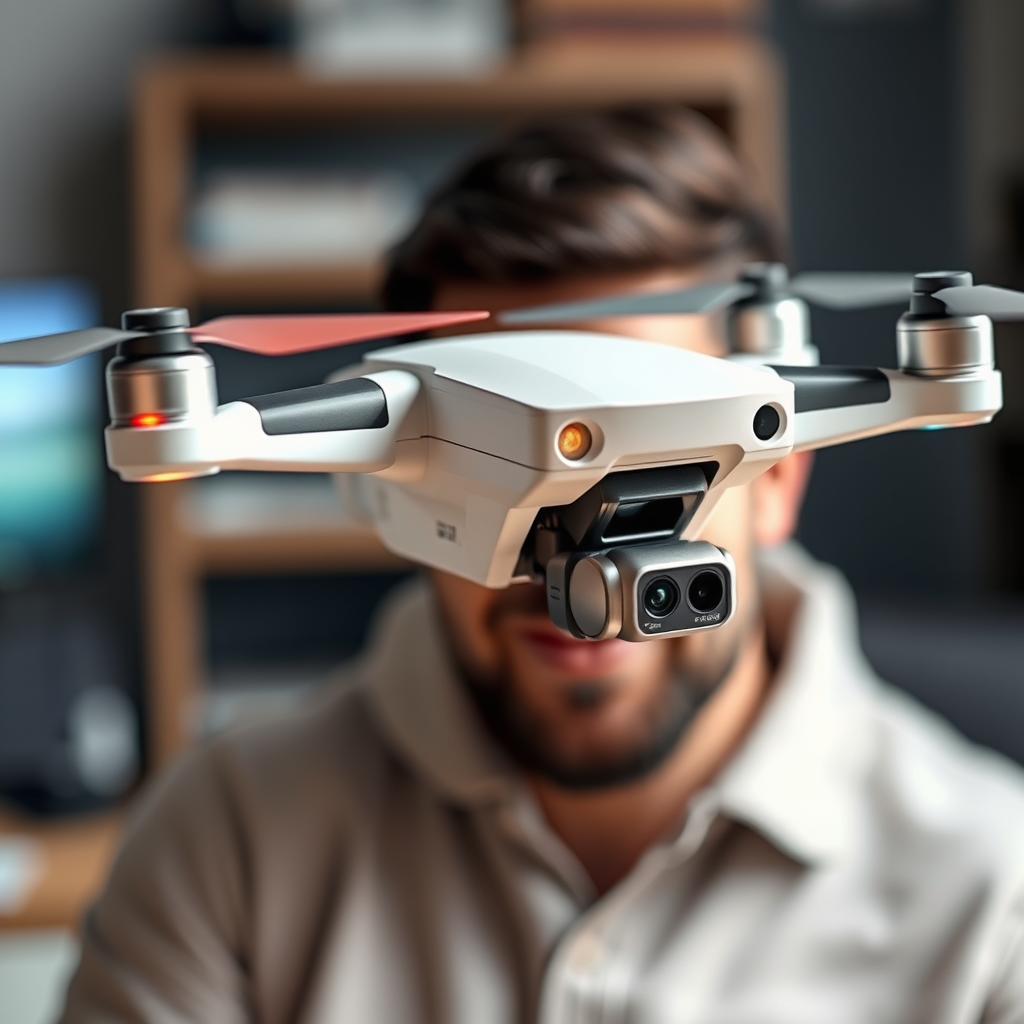
Yes, it is possible to build a drone that rivals or even surpasses DJI’s offerings, depending on your expertise, resources, and specific requirements. Custom-built drones can offer unique features tailored to individual needs, but they require careful planning and knowledge. With the rapid advancements in drone technology and a vast array of components available today, enthusiasts can create drones that not only meet but exceed their expectations. This article will guide you through the essential considerations and steps involved in building your own drone, exploring the nuances that distinguish your creation from established brands like DJI.
Understanding DJI’s Dominance in the Drone Market
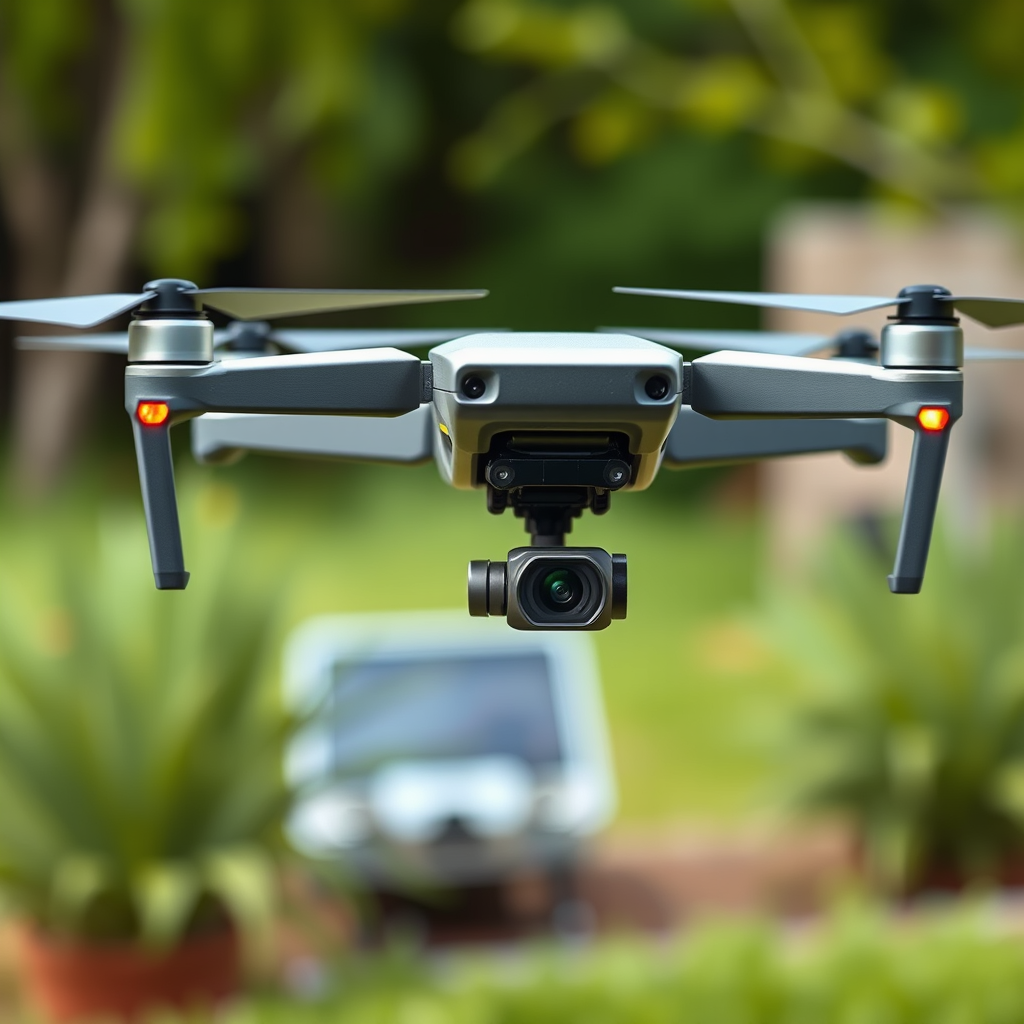
DJI has established itself as a leader in the drone market through a combination of innovative technologies and a diverse product range. Key technologies include advanced stabilization systems, high-resolution cameras, and intelligent flight modes that enhance user experience. The company’s flagship models, such as the DJI Mavic series and the Phantom series, showcase their commitment to quality, offering features like 4K video capabilities, obstacle avoidance, and extended flight times. DJI’s ecosystem also supports a range of accessories and software, making it easier for users to maximize their drone’s functionality. This extensive integration of hardware and software is a significant reason why DJI remains a dominant force in the industry, setting a high bar for those looking to build their own drones.
Evaluating Your Needs and Goals
Before embarking on the journey of building your own drone, it is crucial to determine the primary purpose of your drone. Are you looking to capture stunning aerial photography, engage in high-speed racing, or conduct precise surveying operations? Each application has specific requirements that will influence the design and components of your drone. For instance, if aerial photography is your goal, you will prioritize features such as camera quality, gimbal stabilization, and flight time. Conversely, for racing, speed, agility, and lightweight design become paramount. Assessing your needs will provide a foundation for your project and help you make informed decisions throughout the building process.
Choosing the Right Components
Building a drone involves selecting the right components that will work harmoniously together. The essential parts of a drone include the frame, motors, flight controller, electronic speed controllers (ESC), battery, and, if applicable, a camera.
1. Frame: The frame serves as the structural foundation and should be lightweight yet durable. Common materials include carbon fiber and plastic. Choose a frame that suits your intended use; for example, a racing drone will benefit from a smaller, more aerodynamic design.
2. Motors: Brushless motors are the standard choice for drones due to their efficiency and power. The size and KV rating of the motor will affect your drone’s thrust and speed. Higher KV motors are suitable for racing, while lower KV motors are better for stability and lifting heavier payloads.
3. Flight Controller: This is the brain of your drone, managing flight dynamics and stabilizing the craft. Popular options include the Betaflight and Pixhawk controllers, which offer various features and customization options.
4. Electronic Speed Controllers (ESC): These devices control the speed of the motors and are critical for responsive flight. Ensure they are compatible with your motors and flight controller.
5. Battery: The choice of battery impacts flight time and weight. Lithium Polymer (LiPo) batteries are common due to their high energy density, but they require careful handling.
Sourcing high-quality parts from reputable suppliers is essential to ensure reliability and performance. Online marketplaces such as Amazon, eBay, and specialized drone retailers can provide a plethora of options. Consider reading reviews and seeking recommendations from experienced builders to avoid subpar components.
Building vs. Buying: Pros and Cons
When deciding between building your own drone and purchasing a pre-built model like those offered by DJI, it is essential to weigh the pros and cons.
Advantages of Building Your Own Drone:
– Customization: You can tailor every aspect of your drone, from the frame size to the camera specifications, to meet your specific needs.
– Cost-Effectiveness: Building your own drone can often be more affordable than purchasing a comparable model, especially when you can source components at competitive prices.
– Learning Experience: The process of assembling a drone provides valuable insights into how drones work, enhancing your technical skills and understanding of aerial technology.
Disadvantages to Consider:
– Time Investment: Building a drone from scratch requires significant time and effort, from researching components to assembling and testing the drone.
– Technical Challenges: Beginners may encounter a steep learning curve when it comes to electronics and software configurations. Troubleshooting and frequent adjustments may be necessary to achieve optimal performance.
Ultimately, your decision should align with your goals, budget, and willingness to invest time into the project.
Testing and Tuning Your Custom Drone
Once you have assembled your drone, the next step is testing and tuning. Begin by carefully calibrating the flight controller, which is critical for stable flight. This process typically involves configuring settings such as the accelerometer, gyroscope, and compass.
Essential steps include:
1. Initial Setup: Connect your drone to a computer and use the appropriate software to adjust parameters.
2. Flight Testing: Conduct initial test flights in an open area, gradually increasing altitude and testing controls. Observe how the drone responds to inputs and assess stability.
3. Adjustments: Based on your test flights, make necessary adjustments to flight controller settings, PID tuning, and motor configurations to enhance performance.
4. Safety Checks: Regularly inspect your drone’s components for wear and tear, ensuring that everything is in working order before each flight.
Flight testing is critical, as it allows you to identify issues early and refine your drone for optimal performance.
Comparing Performance Against DJI Drones
To evaluate how your custom-built drone performs in comparison to DJI models, you should consider several metrics:
– Stability: Assess how well your drone maintains its position during flight, particularly in windy conditions.
– Speed: Measure the top speed of your drone against comparable DJI models. Racing drones are typically faster, while photography drones prioritize stability over speed.
– Flight Range: Test the maximum distance your drone can cover while maintaining a stable connection with the controller. This metric is crucial for operations such as surveying or long-distance photography.
Real-world testing scenarios, like capturing footage from varying altitudes or racing against another drone, provide practical insights into performance. Record your findings and compare them against the specifications of DJI models to see where your drone excels or falls short.
Community Resources and Support
The DIY drone-building community is vast and filled with resources for enthusiasts at all levels. Online forums such as RCGroups and Reddit’s r/drones serve as platforms for sharing knowledge, troubleshooting issues, and showcasing builds. Engaging with these communities can provide valuable insights and support as you embark on your drone-building journey.
Additionally, numerous tutorials and guides are available online, ranging from beginner to advanced topics. Websites like YouTube feature step-by-step videos that can guide you through the assembly process and highlight common pitfalls to avoid. Many experienced builders also share their configurations and settings, which can be instrumental for tuning your drone effectively.
In conclusion, building a drone that can compete with DJI is achievable with the right knowledge and resources. Whether you’re looking to create something unique or simply want to learn more about drone technology, starting your custom build can be an exciting journey. Explore the options, gather your components, and take to the skies!
Frequently Asked Questions
Can you build a drone that performs better than DJI models?
Yes, it is possible to build a drone that outperforms DJI models in specific areas, such as flight time, payload capacity, or customization. By selecting high-quality components like powerful motors, efficient batteries, and advanced flight controllers, you can tailor a drone to meet particular performance needs. However, keep in mind that DJI drones are known for their reliability, user-friendly software, and integrated features, which can be challenging to replicate in a custom build.
What components do I need to build a drone that rivals DJI?
To build a drone that can compete with DJI, you’ll need essential components such as a frame, motors, electronic speed controllers (ESCs), a flight controller, a battery, and a camera (if desired). Additionally, consider investing in a high-quality remote control and a first-person-view (FPV) system for enhanced flying experiences. Researching and selecting components based on your specific requirements—like range, stability, and camera quality—will ensure you build a capable drone.
How much does it cost to build a drone that can compete with DJI?
The cost of building a drone that can compete with DJI varies widely based on your specifications and quality of components. On average, you can expect to spend anywhere from $300 to $1,500 or more. While cheaper components can reduce initial costs, investing in higher-quality parts usually results in a more reliable and better-performing drone, making it important to balance cost with performance needs.
Why should I build my own drone instead of buying a DJI?
Building your own drone allows for greater customization, enabling you to select components that specifically meet your needs and preferences. It also provides a learning experience about drone technology and flight mechanics, which can be rewarding for hobbyists. Additionally, custom-built drones can offer enhanced performance in certain areas, such as longer flight times or specialized payload capabilities, which may not be available in off-the-shelf DJI models.
Which drone-building resources are the best for beginners wanting to compete with DJI?
For beginners looking to build a drone that competes with DJI, online forums like RCGroups, YouTube tutorials, and dedicated drone-building websites like Flite Test and Drone Rush are invaluable resources. These platforms offer guides, component recommendations, and troubleshooting advice from experienced builders. Additionally, joining local drone clubs or communities can provide hands-on support and networking opportunities with fellow enthusiasts.
References
- https://en.wikipedia.org/wiki/Drone
- https://www.bbc.com/news/technology-58604487
- https://www.nytimes.com/2021/06/10/technology/drones-innovation.html
- https://www.sciencedirect.com/science/article/pii/S2351978921000193
- https://www.wired.com/story/what-is-a-drone/
- https://www.techrepublic.com/article/how-to-build-your-own-drone-a-beginners-guide/
- https://www.nist.gov/news-events/news/2021/05/drone-competition-aims-boost-safety-advanced-air-mobility
- https://www.faa.gov/uas/
