
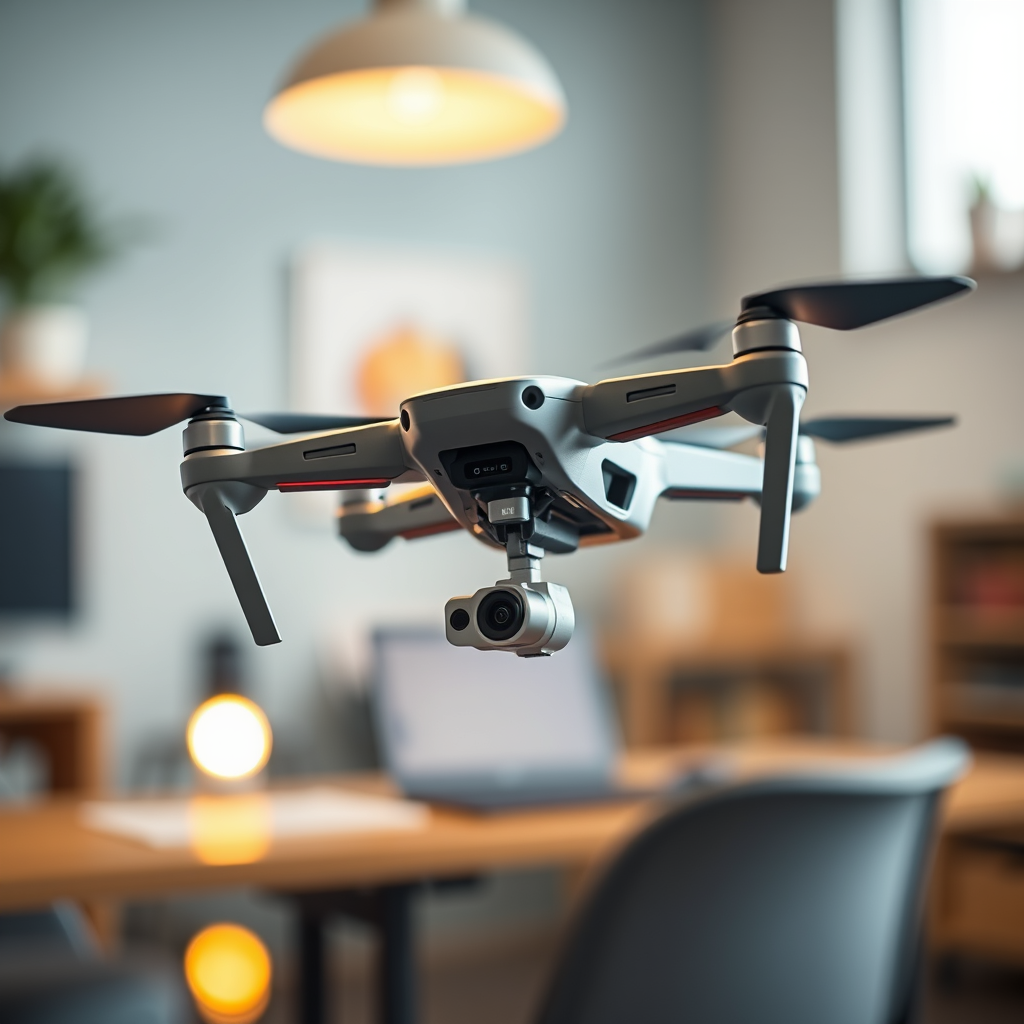
Yes, you can build a drone! With the right materials, tools, and knowledge, creating your own drone is a rewarding project. This endeavor not only enhances your understanding of aerodynamics and electronics but also empowers you to customize a drone that meets your specific needs. In this article, we will guide you through the essential steps and considerations for building a drone from scratch, ensuring you are well-prepared to embark on this exciting journey.
Understanding Drone Components
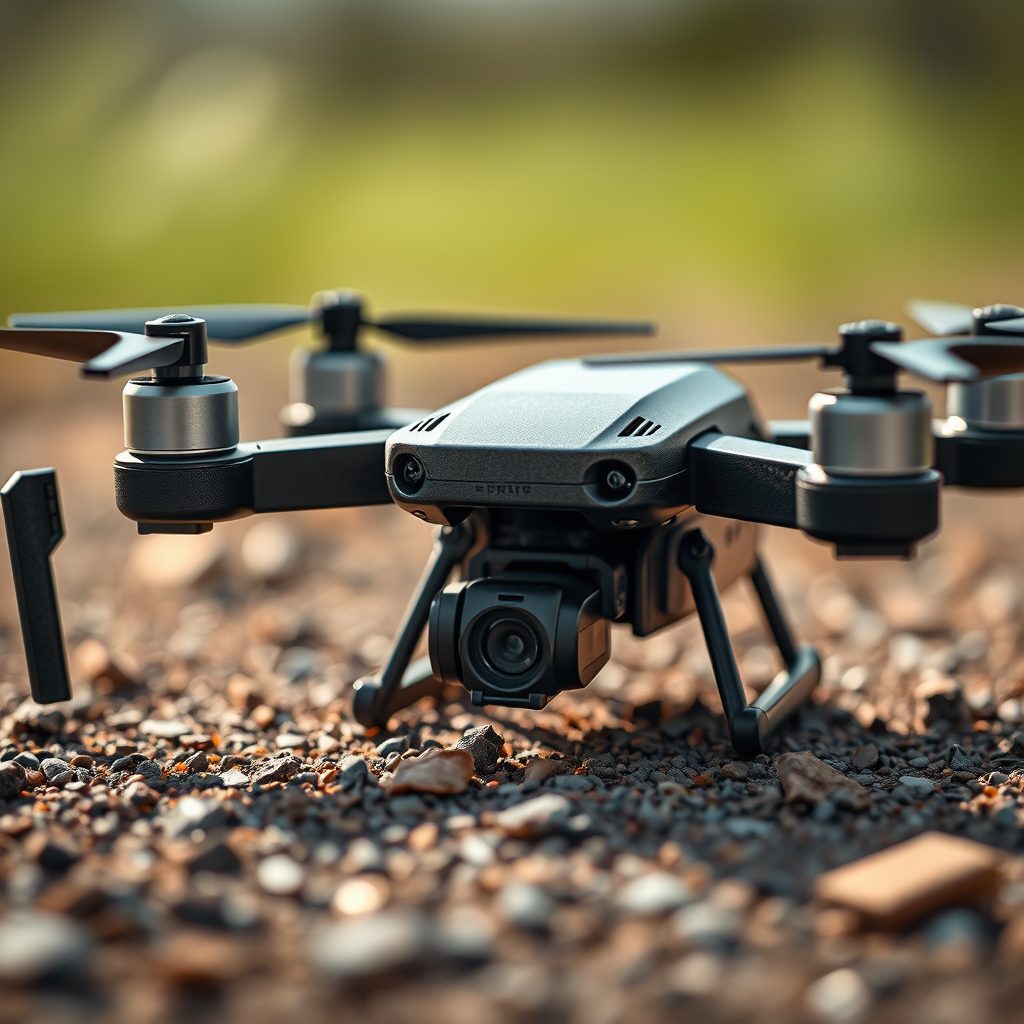
Drones consist of several key components, each playing a vital role in the overall functionality of the aircraft. The primary components include the frame, motors, flight controller, electronic speed controllers (ESC), propellers, battery, and radio transmitter.
– Frame: The frame is the structure that holds all the components together. It must be lightweight yet sturdy to withstand the forces during flight. Common materials include carbon fiber, aluminum, or durable plastics.
– Motors: This is what propels the drone, converting electrical energy from the battery into mechanical energy. Brushless motors are popular due to their efficiency and longevity.
– Flight Controller: Often referred to as the brain of the drone, the flight controller processes inputs from the pilot and sensors to stabilize the drone in flight. It translates pilot commands into actions that control motor speeds.
– Electronic Speed Controllers (ESC): These devices regulate the power supplied to the motors based on the flight controller’s commands, allowing for precise maneuvering.
– Propellers: The size and pitch of the propellers affect the drone’s lift and efficiency. Selecting the right propeller is crucial for optimal performance.
– Battery: The battery provides the necessary power for flight. Lithium Polymer (LiPo) batteries are favored for their high energy density and light weight.
Familiarizing yourself with each part’s function will help you understand how they work together to create a stable, efficient flying machine.
Selecting the Right Materials
Choosing the right materials is crucial for the performance and durability of your drone. Start with the frame, as this is foundational for the entire build. Lightweight materials like carbon fiber or high-quality plastic are ideal, as they enhance flight performance while keeping the overall weight manageable.
When selecting motors, consider their specifications such as thrust-to-weight ratio and efficiency. For instance, if your drone’s purpose is racing, choose motors that can deliver high RPMs and quick responsiveness. Conversely, for aerial photography, opt for motors that provide a steadier lift to carry heavier camera equipment.
Don’t overlook the battery. Look for high-quality LiPo batteries that support your drone’s weight and can provide the necessary power for the desired flight duration. Pay attention to the battery’s C-rating, which indicates how quickly it can discharge energy. A higher C-rating is essential for drones that require rapid bursts of power, such as during aggressive maneuvers.
Assembling the Drone
Once you have gathered all necessary components, it’s time to assemble your drone. Follow a systematic approach to ensure a successful build. Start by assembling the frame, which typically involves connecting arms and securing any landing gear.
Next, attach the motors to the frame, ensuring they are mounted securely to avoid vibrations that could affect flight stability. The orientation of the motors is also critical; they must be positioned correctly to ensure proper thrust and control.
Wiring the electronic components follows. Connect the ESCs to the motors and the flight controller, making sure to adhere to color-coding standards. For clarity, use clear diagrams or instructional videos to guide you through the wiring process, minimizing errors and ensuring everything is connected correctly.
After wiring, install the flight controller, ensuring it is level and properly secured. This is essential for accurate sensor calibration and stable flight.
Programming the Flight Controller
Once your drone is physically assembled, you must program the flight controller to configure flight settings and controls. Most flight controllers come with software that you can install on your computer. Popular options include Betaflight, ArduPilot, and INAV, each offering specific features catering to various flying styles and applications.
During this programming phase, you will need to calibrate the sensors—such as gyroscopes and accelerometers—so the flight controller accurately interprets data. Additionally, customize settings based on the intended use of your drone, whether for racing, aerial photography, or recreational flying. Adjust parameters like PID settings to optimize stability and responsiveness.
Don’t forget to configure the radio transmitter. Ensure the communication link between the controller and your drone is strong and reliable. Test each control input to confirm that your commands translate into correct motor actions.
Testing and Troubleshooting
Conducting initial test flights is crucial to ensure stability and control. Choose a safe, open area for your test flights, away from crowds and obstacles. Start with short flights to evaluate the drone’s responsiveness and handling. Monitor for any signs of instability, such as erratic movements or difficulty maintaining altitude.
If you encounter issues, be prepared to troubleshoot. Common problems include poor flight stability, connectivity issues with the remote control, or unexpected motor behavior. Adjusting the PID settings can often remedy stability issues, while ensuring that all connections are secure can help with connectivity problems.
Document your observations during test flights, as this information will be invaluable for making necessary adjustments and improvements.
Upgrading and Modifying Your Drone
After you have successfully tested your drone, consider potential upgrades to enhance its capabilities. For example, upgrading to higher-capacity batteries can extend flight time, while swapping out for larger or more efficient propellers can improve lift and maneuverability.
If your interest lies in aerial photography, consider adding a gimbal to stabilize your camera, or upgrading to a high-definition camera for better image quality. Always research compatibility with your existing components before making changes.
Based on your experiences and feedback from test flights, modifications may be necessary to optimize your drone’s performance. Whether it’s adjusting the weight distribution or fine-tuning the flight controller settings, continual learning and adaptation are key to becoming a proficient drone builder and pilot.
Building a drone is not just about assembling parts; it’s about understanding the intricacies of flight, technology, and design. As you progress, you may find yourself increasingly drawn to the world of UAVs, eager to explore more advanced builds and applications.
In conclusion, building a drone is entirely feasible with the right approach and resources. From understanding the essential components to programming the flight controller and performing test flights, each step is integral to crafting a successful drone. Whether for fun or practical applications, the process can be highly educational and enjoyable. Start your drone-building journey today, and explore the endless possibilities that await in the skies!
Frequently Asked Questions
Can you build a drone from scratch?
Yes, you can build a drone from scratch, and many enthusiasts enjoy doing so to customize their flying experience. To build a drone, you’ll need essential components such as a frame, motors, electronic speed controllers (ESCs), a flight controller, a battery, and propellers. Additionally, having some knowledge of electronics and programming can be beneficial, as you’ll need to configure the flight controller to ensure stable flight.
How much does it cost to build a drone?
The cost of building a drone can vary greatly depending on the specifications and quality of components you choose. On average, a basic DIY drone can cost between $200 to $600, while more advanced models with high-performance features can exceed $1,000. Budgeting for additional accessories like a camera, transmission system, and tools for assembly is also important when planning your drone project.
What materials do I need to build a drone?
To build a drone, you will need several key materials, including a drone frame (often made from lightweight materials like carbon fiber or plastic), motors, propellers, an electronic speed controller (ESC), a flight controller, a battery, and a radio transmitter and receiver. Optionally, you might consider adding a camera or GPS module for enhanced functionality. Ensuring you have quality components will enhance the performance and durability of your drone.
Why should I build my own drone instead of buying one?
Building your own drone allows for customization and a deeper understanding of how drones operate. It enables you to select specific components that suit your needs, whether for racing, photography, or recreational flying. Additionally, constructing a drone can be a rewarding and educational experience, helping you develop skills in electronics, programming, and aerodynamics that are useful in the growing field of drone technology.
Which tools are essential for building a drone?
Essential tools for building a drone include a soldering iron for connecting electronic components, a multimeter for testing electrical connections, and basic hand tools like screwdrivers, pliers, and scissors. A heat shrink gun can also be helpful for securing connections and ensuring durability. Having a workspace with good lighting and organization will further streamline the assembly process and help you manage your components efficiently.
References
- https://en.wikipedia.org/wiki/Drone
- https://www.faa.gov/uas/getting_started/
- https://www.nasa.gov/aeroresearch/programs/airspace/uas
- https://www.wired.com/story/what-is-a-drone/
- https://www.sciencedirect.com/science/article/abs/pii/S2213138818303675
- https://www.ntu.edu.sg/home/yangj/papers/Drone%20Construction.pdf
- https://www.atu.edu/engineering/documents/Drone%20Design%20and%20Construction.pdf
- https://www.theguardian.com/technology/2021/dec/02/how-to-build-a-drone-guide
- https://www.dji.com/uk/newsroom/news/2021/how-to-build-a-drone
