

Yes, you can buy certain military drones, but there are strict regulations and limitations in place. Military drones, commonly referred to as unmanned aerial vehicles (UAVs), are designed for various defense applications, yet specific models are available to civilians under specific conditions. This article will explore the types of military drones available for purchase, the legal implications, and the considerations potential buyers should keep in mind.
Understanding Military Drones
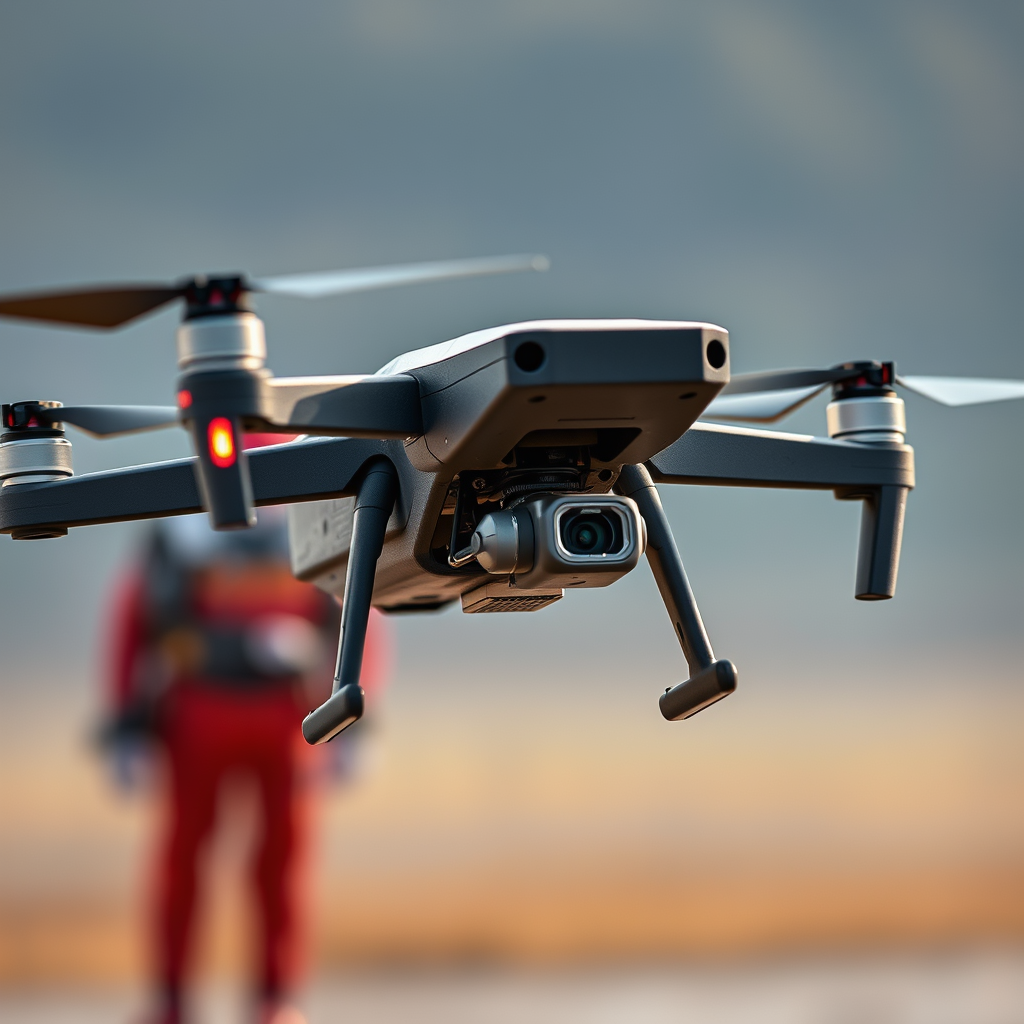
Military drones are sophisticated aircraft that operate without a pilot on board, primarily utilized for surveillance, reconnaissance, and combat operations. These UAVs can be equipped with advanced technology, allowing them to gather intelligence, monitor enemy movements, and even engage in combat.
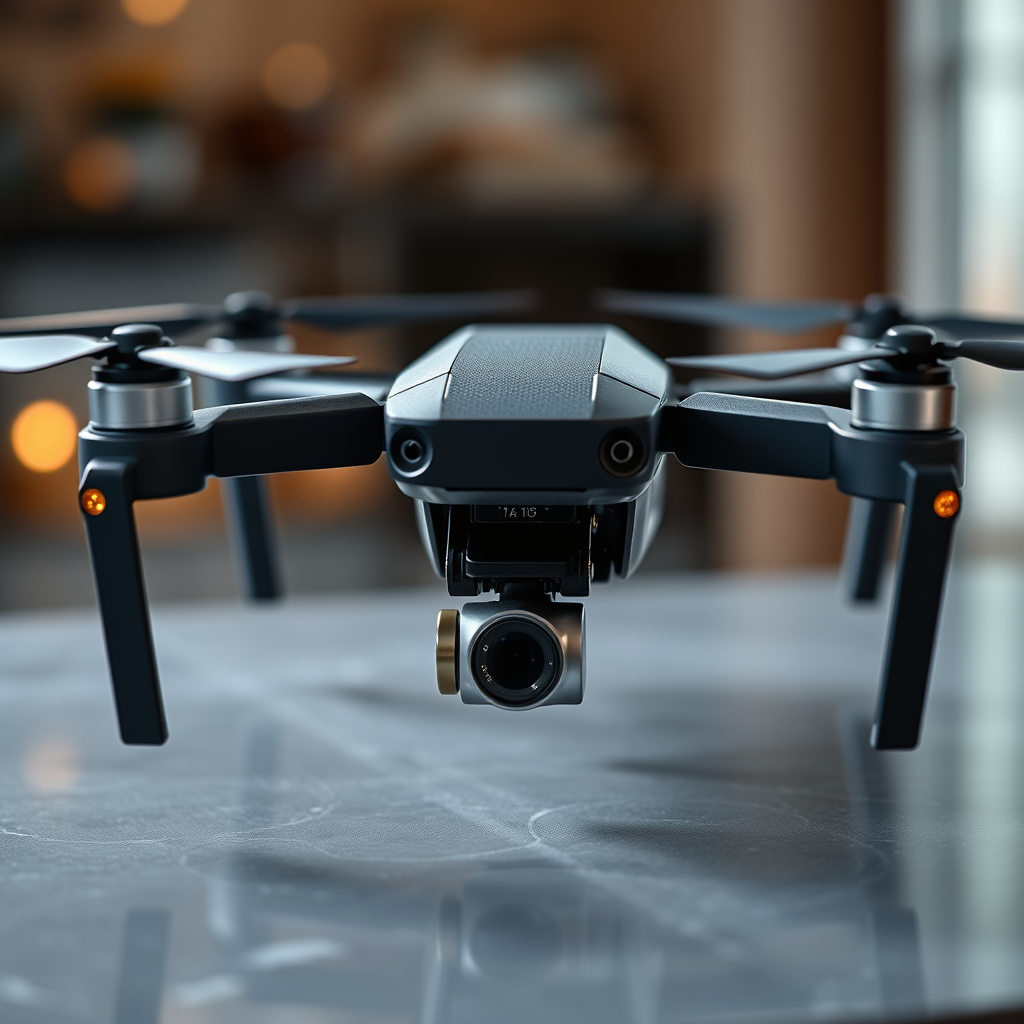
There are various types of military drones, each serving a distinct purpose. Surveillance drones, such as the RQ-11 Raven, are used for reconnaissance and intelligence gathering, providing real-time data to military personnel. Combat drones, like the MQ-1 Predator, are designed to carry weapons and engage targets. Understanding the specific operational capabilities of these drones is crucial for potential buyers, especially when evaluating their civilian applications.
Legal Regulations on Military Drone Purchases
The purchase of military drones is governed by a complex set of international and national laws. Internationally, treaties such as the Arms Trade Treaty (ATT) regulate the sale of military equipment, including drones, ensuring that sales do not contribute to human rights abuses or conflict escalation.
In the United States, the Federal Aviation Administration (FAA) oversees civilian drone operations, while the Department of State regulates the export of military drones through the International Traffic in Arms Regulations (ITAR). These regulations classify drones based on their capabilities, and many military-grade drones fall under stringent export controls. As a prospective buyer, it is essential to familiarize yourself with these regulations, as violations can lead to severe penalties.
Types of Drones Available for Purchase
When considering the purchase of military drones, it is essential to differentiate between military-grade drones and consumer drones. Military-grade drones are built with advanced technology and materials, often offering superior performance and capabilities compared to commercial counterparts. However, the availability of true military drones for civilian purchase is limited.
There are, however, commercial versions of military drones that have been adapted for civilian use. For instance, the DJI Matrice 300 RTK, while not a military drone in its original form, incorporates features such as advanced imaging technology and long flight times that make it attractive for applications like search and rescue, surveillance, and inspection. Similarly, the Parrot Anafi USA offers thermal imaging and a 32x zoom camera, making it suitable for various professional operations.
Factors to Consider Before Purchasing
Before purchasing a military drone, potential buyers must consider several factors. The cost implications of acquiring a military drone can be significant. Prices for advanced models can range from several thousand to tens of thousands of dollars, depending on the specifications and capabilities. Additionally, ongoing costs such as maintenance, insurance, and potential upgrades should be factored into the budget.
Operational training is another critical consideration. Many military drones require specialized training for effective use, which may involve formal courses and certification. This training ensures that operators understand the drone’s capabilities, limitations, and legal requirements, ultimately enhancing safety and compliance with regulations.
Potential Uses for Military Drones
Military drones can serve various civilian applications, significantly impacting industries such as agriculture, search and rescue, and infrastructure inspection. In agriculture, for example, drones equipped with multispectral cameras can assess crop health, monitor irrigation systems, and optimize yields. In search and rescue operations, drones can quickly cover vast areas, providing real-time video feeds to aid in locating missing persons.
However, there are limitations on the use of military drones in civilian contexts. Legal constraints may restrict the deployment of drones in populated areas or for certain applications, such as armed operations. Prospective buyers must remain aware of these limitations to ensure compliance with local laws and regulations.
Risks and Ethical Considerations
The potential misuse of military drones poses significant risks, raising ethical concerns surrounding their operation in civilian hands. The availability of advanced drone technology can lead to unauthorized surveillance, privacy violations, and potentially hostile actions. For instance, there have been instances where drones have been used to illegally monitor individuals or conduct unauthorized attacks.
Ethically, the discussion around armed drones in civilian hands is particularly contentious. The possibility of civilians operating drones equipped with lethal capabilities raises questions about accountability and the potential for misuse. It is crucial for buyers to engage in responsible practices and consider the ethical implications of their drone usage.
Steps to Legally Acquire a Military Drone
To legally acquire a military drone, prospective buyers must navigate a detailed purchasing process. First, individuals should identify the specific model they wish to purchase and ensure it is compliant with national regulations. This often involves consulting resources like the FAA and ITAR to understand the classification of the drone and any associated restrictions.
Next, buyers may need to obtain necessary certifications and licenses, which can include registering the drone with the FAA and completing any required training programs. Additionally, buyers should maintain comprehensive documentation of their purchase, ensuring all necessary compliance measures are met to avoid legal repercussions.
In conclusion, while it is possible to buy certain military drones under specific conditions, prospective buyers must navigate a complex legal landscape and consider ethical implications. It’s crucial to stay informed about regulations and responsible use of these advanced technologies. Understanding the capabilities and limitations of military drones will not only assist in making informed purchasing decisions but also promote their responsible integration into civilian applications.
Frequently Asked Questions
Can civilians legally buy military drones?
Yes, civilians can legally purchase certain types of military drones, but there are restrictions. While some military-grade drones are available for sale to the public, they often require special licenses or permits due to their advanced capabilities. It’s essential to check your local regulations and ensure compliance with the Federal Aviation Administration (FAA) and other governing bodies before making a purchase.
What are the best military drones available for civilian use?
Some of the best military drones available for civilian use include the DJI Matrice series, the Parrot Anafi USA, and the senseFly eBee X. These drones offer advanced features like high-resolution cameras, GPS capabilities, and long flight times, making them suitable for various applications including aerial photography, surveying, and environmental monitoring. Always consider your specific needs and budget when choosing the right drone.
How much does a military-grade drone cost?
The cost of military-grade drones can vary widely, ranging from a few thousand dollars for entry-level models to over $100,000 for advanced systems. Factors influencing the price include the drone’s capabilities, technology, and manufacturer. For instance, commercial models like the DJI Matrice 300 RTK may cost around $13,000, while highly specialized drones used for surveillance can exceed $200,000.
Why would someone want to buy a military drone for personal use?
Individuals might want to buy a military drone for various reasons, including professional applications like aerial photography, search and rescue operations, or agricultural monitoring. Military drones often feature superior technology, such as enhanced stability, range, and payload capacity, making them ideal for serious hobbyists or professionals who require high-quality performance and reliability in demanding situations.
Which features should I look for when buying a military drone?
When purchasing a military drone, consider key features such as flight time, payload capacity, camera quality, and GPS capabilities. Additionally, look for durability and ease of use, especially if you’re a beginner. Advanced features like obstacle avoidance, thermal imaging, and real-time data transmission can also be beneficial, depending on your intended use, whether it be for commercial, recreational, or research purposes.
References
- https://en.wikipedia.org/wiki/Military_drone
- https://www.bbc.com/news/world-us-canada-48401701
- https://www.reuters.com/article/us-usa-drones-insight-idUSKBN1Z10F4
- https://www.theguardian.com/us-news/2019/jun/20/us-drone-sales-foreign-countries-trump
- https://www.fas.org/sgp/crs/weapons/R45402.pdf
- https://www.defense.gov/Explore/Spotlight/Unmanned-Aerial-Vehicles/
- https://www.rand.org/content/dam/rand/pubs/research_reports/RR2400/RR2481/RAND_RR2481.pdf
- https://www.usatoday.com/story/news/nation/2020/11/09/why-us-drone-sales-foreign-countries-are-rising/6208111002/
- https://www.strategicstudiesinstitute.army.mil/pubs/parameters/Articles/2010spring/Schmitt.pdf
