
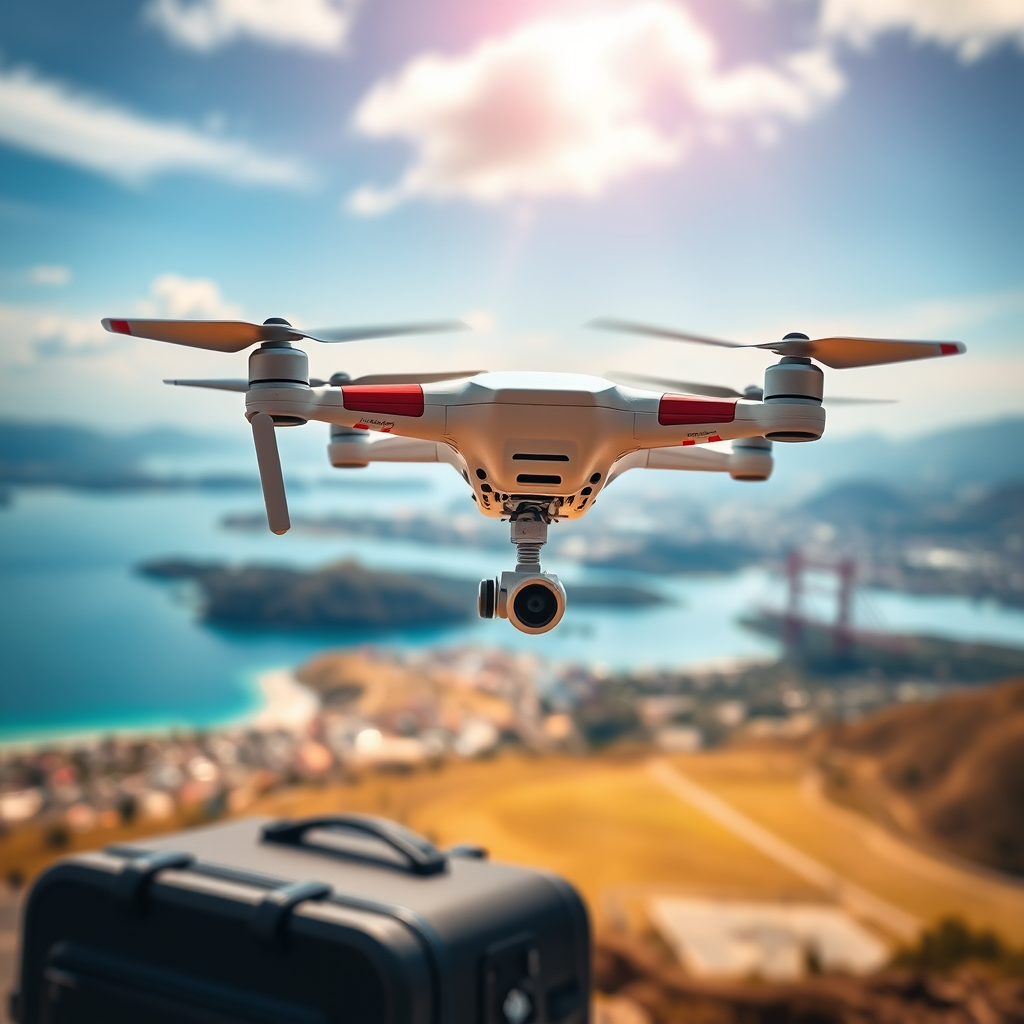
Yes, you can generally carry a drone on a domestic flight, but there are specific regulations and guidelines you must follow. Understanding airline policies, the size and weight of your drone, and local laws is crucial to ensure a smooth travel experience. With the growing popularity of drones among hobbyists and professionals alike, it’s essential to be informed about the rules governing air travel with these devices. This guide will provide you with the necessary insights to navigate the complexities of carrying a drone on domestic flights effectively.
Airline Policies on Drones
Most airlines allow drones in carry-on luggage, but various restrictions may apply depending on the airline and the specific flight. Each airline has its own policies regarding the transport of drones, which can include regulations about the size, weight, and type of drone you can bring. For instance, some airlines might require that your drone fits within the standard dimensions for carry-on items, while others may have weight limitations.
Before you travel, it’s advisable to check with your airline directly through their official website or customer service. This proactive step can save you from unexpected issues on the day of travel. Additionally, if you’re connecting flights or traveling with multiple airlines, remember that each may have different policies. Always ensure you have the latest information to avoid any last-minute surprises at the airport.
TSA Regulations for Drones
The Transportation Security Administration (TSA) allows drones in carry-on bags, making it relatively straightforward for travelers to bring their devices with them. However, all items, including drones, must be screened at security checkpoints. Travelers should be prepared to remove their drones from their bags for separate inspection, as TSA agents need to ensure the safety of all passengers.
It’s also crucial to be aware that the TSA’s guidelines can change, so checking their official website or contacting them directly before your flight can provide valuable up-to-date information. Additionally, if you’re traveling with multiple drones or large equipment, consider arriving at the airport early to allow ample time for the screening process, especially if additional screening is required.
Battery Guidelines for Drone Travel
When traveling with drones, battery regulations are a critical aspect to consider. Most drones are powered by lithium-ion batteries, which are subject to specific watt-hour limits when carried on flights. Generally, batteries must be under 100 watt-hours (Wh) for carry-on luggage. If your drone’s battery exceeds this limit, you may need to check it as cargo, if allowed by the airline, or consider alternative battery options.
In addition to watt-hour limits, it’s essential to store your lithium batteries in a protective case to prevent short circuits. Many airlines recommend using battery cases or bags specifically designed for lithium batteries, which can enhance safety and compliance with regulations. Additionally, ensure that spare batteries are also transported in carry-on luggage rather than checked baggage to minimize risks.
Local Laws and Restrictions
While you may have the right to carry your drone on a domestic flight, understanding local laws and restrictions at your destination is equally important. Drone regulations can differ significantly from one state or municipality to another. For example, many urban areas have laws prohibiting drone flights over populated regions or near airports.
Before traveling, conduct thorough research on the drone regulations at your destination. This may include checking with local authorities, visiting drone-specific websites, or utilizing resources such as the Federal Aviation Administration (FAA) for information on airspace restrictions. Being informed about these laws will ensure that you can enjoy your drone without inadvertently violating any regulations.
Best Practices for Traveling with a Drone
To ensure a hassle-free travel experience with your drone, it’s wise to follow some best practices. Firstly, invest in a high-quality, padded case to protect your drone during transit. A well-designed case not only safeguards your device against physical damage but also makes it easier to transport and store.
Additionally, carry essential accessories, such as extra batteries, chargers, and propeller guards, in your carry-on luggage. This not only keeps vital components accessible but also ensures that you comply with airline policies regarding battery transport. Keeping your drone and its accessories organized can also streamline your travel experience, making it easier to navigate security checkpoints and boarding procedures.
What to Do at Security Checkpoints
Navigating security checkpoints with a drone requires a bit of preparation. Upon arriving at the TSA screening area, be ready for additional scrutiny. It’s advisable to inform TSA agents that you are carrying a drone, as this will help them understand the nature of your belongings and prepare for the inspection process.
When requested, be prepared to remove your drone from its case or bag for a separate inspection. This may involve placing it on the conveyor belt for X-ray screening. Remaining calm and cooperative during this process can facilitate a smoother experience. Additionally, if you have multiple items, consider organizing them to expedite the screening process and reduce any delays.
In conclusion, carrying a drone on a domestic flight is indeed possible, provided you adhere to airline policies, TSA regulations, and local laws. By being informed about the guidelines surrounding drone travel, preparing adequately, and following best practices, you can ensure a hassle-free travel experience. Always stay updated with the latest regulations, as they can change, and enjoy your flying adventures with your drone!
Frequently Asked Questions
Can I carry a drone in my domestic flight luggage?
Yes, you can carry a drone on a domestic flight, but there are specific guidelines to follow. Most airlines allow drones in both carry-on and checked luggage, but it’s essential to check your airline’s policy regarding battery regulations, as lithium batteries often have restrictions. For best practices, always pack your drone securely to prevent damage and ensure it complies with the Transportation Security Administration (TSA) regulations.
What are the restrictions for transporting drones on domestic flights?
When transporting drones on domestic flights, restrictions typically focus on battery capacity and size. The FAA limits lithium batteries to a maximum of 100 watt-hours for carry-on luggage. Additionally, drones must be stored in a way that they don’t pose a risk to aircraft safety, so it’s best to keep them in their original packaging or a protective case, ensuring any propellers are securely stowed.
How do I ensure my drone is compliant with airline regulations for domestic flights?
To ensure your drone is compliant with airline regulations for domestic flights, start by reviewing the specific airline’s rules regarding drone transport. Check for any limitations on battery sizes and the overall weight of your drone. Additionally, familiarize yourself with TSA guidelines and ensure your drone is easily accessible for security screening, as you may be required to remove it from your bag during the screening process.
Why can’t I carry my drone’s batteries in checked luggage?
You typically cannot carry large lithium batteries in checked luggage due to safety concerns regarding fire hazards. Airlines and the FAA restrict lithium batteries over 100 watt-hours from being stored in checked bags to minimize risk. Instead, it is recommended to carry batteries in your carry-on luggage, where they can be monitored and handled properly in case of an emergency.
Which drones are best for travel on domestic flights?
The best drones for travel on domestic flights are those that are compact, lightweight, and equipped with foldable designs, making them easier to transport. Popular options include the DJI Mini series, which is lightweight and has a great camera, and the Parrot Anafi, known for its portability and impressive features. Always consider the drone’s battery size and whether it meets airline regulations to avoid complications during your travels.
References
- https://www.faa.gov/uas/getting_started/registration
- https://www.nytimes.com/2021/11/15/business/drone-airline-regulations.html
- https://www.bbc.com/news/technology-56956337
- https://www.usa.gov/elected-officials
- https://www.nolo.com/legal-encyclopedia/drone-laws-what-you-need-know-32249.html
- https://www.faa.gov/uas/
- https://www.aopa.org/news-and-media/all-news/2021/september/30/recreational-drone-pilots-need-to-know-before-they-fly
- https://www.wired.com/story/drone-airline-regulation/
