

Yes, you can carry a drone to India, but there are specific regulations and guidelines you must follow to avoid any legal issues. Understanding these rules and ensuring compliance will help you enjoy your drone experience without complications. As drone technology becomes increasingly popular among enthusiasts and professionals alike, it’s essential to navigate the legal landscape effectively to ensure safe and responsible flying.
Understanding India’s Drone Regulations
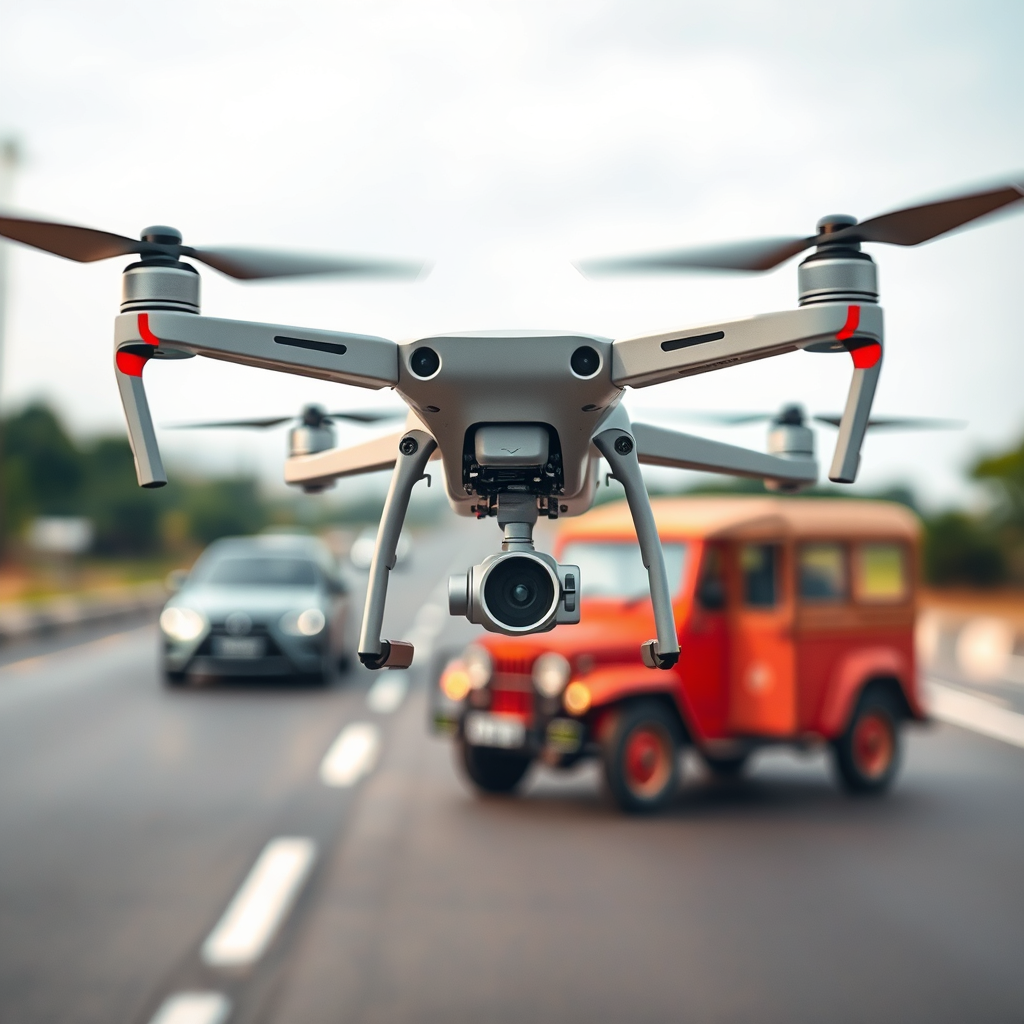
In India, drone usage is regulated by the Directorate General of Civil Aviation (DGCA), which lays down comprehensive guidelines to govern the operation of unmanned aerial vehicles (UAVs). These regulations aim to ensure safety, security, and privacy while promoting the growth of the drone industry. One of the primary requirements is that all drones must be registered with the DGCA and must have a Unique Identification Number (UIN) before they can be flown. This registration process is designed to create a database of drones operating within Indian airspace, which enhances tracking and accountability.
Furthermore, different categories of drones are subject to varying regulations based on their weight and intended use. For instance, drones weighing over 250 grams must comply with stricter guidelines, including obtaining a permission to fly from the DGCA. This framework ensures that all drone operators are aware of their responsibilities and liabilities while flying in India.
Required Documentation
When traveling to India with a drone, it is imperative to carry a copy of your drone registration documents. This includes the proof of UIN and any other pertinent paperwork that demonstrates your compliance with DGCA regulations. In addition to registration documentation, if you are operating a drone that falls under the category requiring a pilot license, you must have a valid pilot license on hand. This documentation not only serves as proof of legality but also provides peace of mind, should any regulatory inquiries arise.
Moreover, it is advisable to have a detailed manual or specifications for your drone readily available. This can assist authorities in understanding the capabilities and limitations of your UAV, enabling a smoother experience during inspections or inquiries.
Importing Drones into India
When bringing a drone into India, it is essential to be aware of customs regulations that may apply. Drones are classified as restricted items, and you may need to declare your drone at customs upon arrival. It is advisable to check the latest customs guidelines before traveling, as regulations may vary or change over time. Be prepared to provide documentation proving the legality of your drone and, if applicable, pay any customs duties associated with its importation.
Additionally, keeping your drone in its original packaging can simplify the customs process. This not only demonstrates that the drone is new and unused but also minimizes the risk of damage during transport. If your drone is already used, consider carrying a detailed itinerary of your travel plans and the purpose of your drone usage in India, as this information may assist in expediting the customs clearance process.
Restrictions on Drone Usage
India has designated several no-fly zones where drone operations are strictly prohibited. These include areas near airports, military installations, and other sensitive locations. It is crucial to familiarize yourself with these restrictions before flying your drone, as violations can lead to severe penalties, including fines and confiscation of the equipment.
Furthermore, local regulations may impose additional restrictions on drone usage in certain regions, especially in tourist areas or wildlife sanctuaries. Always check local laws specific to your destination, as these can vary widely and may affect your ability to operate your drone legally. Utilizing online resources, such as the DGCA’s official website or local drone enthusiast groups, can provide valuable insights into any temporary or permanent restrictions in place.
Best Practices for Traveling with a Drone
To ensure the safety and functionality of your drone during travel, it is advisable to pack it securely. Use a well-padded case designed specifically for drones, which protects against physical damage and environmental factors. Additionally, disassembling removable parts, such as propellers, can help to conserve space and reduce the risk of breakage.
Once you arrive in India, taking the time to familiarize yourself with the country’s airspace rules and flying guidelines is essential. Each region may have its own set of rules regarding maximum altitude, distance from people and property, and flight hours. Engaging with local drone communities can provide valuable tips and resources to navigate the complexities of Indian airspace effectively.
Insurance and Liability Considerations
Obtaining liability insurance for your drone operation in India is a prudent decision. This insurance can protect you from potential financial liabilities associated with accidents or damages caused while flying your drone. Understanding the legal ramifications of drone-related accidents is equally important; in India, operators may be held accountable for damage to property or injury to individuals.
Consulting with a legal expert familiar with drone laws in India can help clarify your responsibilities and potential liabilities. Additionally, many insurance providers offer drone-specific policies that cater to international travel, ensuring that you are covered regardless of where you operate your drone.
Local Resources and Support
Joining local drone flying groups can provide invaluable support and insights for newcomers. Many cities in India have active drone communities where enthusiasts share experiences, tips, and best practices. Engaging with these groups can help you navigate local regulations and discover safe flying spots.
Before flying, it is advisable to research local laws or consult with authorities for updated regulations. This proactive approach will not only enhance your flying experience but also help you avoid any legal complications associated with drone operation.
In summary, while you can carry a drone to India, it is crucial to adhere to the regulations set by the DGCA and local authorities. Make sure you have the necessary documentation, understand the restrictions, and stay informed to enjoy a hassle-free drone experience in India. By following these essential guidelines, you can ensure that your drone adventures in India are both enjoyable and compliant with local laws.
Frequently Asked Questions
What are the regulations for carrying a drone to India?
When carrying a drone to India, it is crucial to comply with the Directorate General of Civil Aviation (DGCA) regulations. Drones weighing more than 250 grams require a Remote Pilot License and must be registered with the DGCA. Additionally, you must have the necessary permissions for import and use, ensuring that your drone adheres to Indian laws regarding airspace and privacy.
How can I import a drone into India?
To import a drone into India, you need to obtain an Import Export Code (IEC) from the Directorate General of Foreign Trade (DGFT). Furthermore, you will need to apply for an import license through the DGCA. Upon arrival, ensure you have all documentation ready, including the invoice, packing list, and any required permissions to avoid customs issues.
Why is it important to register my drone before traveling to India?
Registering your drone before traveling to India is essential to comply with local aviation laws and avoid legal complications. Unregistered drones can lead to fines, confiscation, or even criminal charges. Registration ensures that your drone is accounted for and that you are informed about restrictions and safe operating procedures in Indian airspace.
What are the best practices for using a drone in India?
The best practices for using a drone in India include always flying below the maximum altitude of 120 meters, avoiding populated areas, and respecting no-fly zones, such as near airports and military installations. It’s also advisable to maintain visual line-of-sight with your drone and to seek permission for aerial photography in sensitive areas to ensure compliance with local laws.
Which drones are allowed for personal use in India?
In India, personal drones under the weight of 250 grams are generally allowed for recreational use without a license, but they still must comply with basic safety regulations. Drones over this weight limit require registration and adherence to DGCA guidelines. Popular brands like DJI and Parrot offer models that meet these requirements, but always check the latest regulations before purchase.
References
- https://www.civilaviation.gov.in/
- https://www.dgca.gov.in/digigov-portal/UploadDocument/1/2019/Jul/Guidelines%20for%20import%20of%20drones.pdf
- https://www.thehindu.com/news/national/drone-regulations-in-india/article35686345.ece
- https://www.bbc.com/news/world-asia-india-58828989
- https://www.reuters.com/business/aerospace-defense/india-issues-guidelines-importing-drones-2021-07-15/
- https://www.wired.com/story/drone-delivery-india-regulations/
